


En cualquier caso, siempre es importante elegir la empresa adecuada con la que cooperar. Jiangsu Subian Electric Power Equipment Co., Ltd. es uno de los principales fabricantes de la industria y proporciona transformadores de tipo seco y sumergidos en aceite confiables a la venta, junto con subestaciones prefabricadas y equipos de conmutación a clientes de todas partes del mundo. Con años de experiencia en la producción de transformadores industriales, la empresa emplea tecnología de fabricación probada combinada con un estricto control de calidad en sus operaciones. Si necesita ayuda con su proyecto, no dude en contactar a Jiangsu Subian Electric Power Equipment Co., Ltd.
La electricidad pasa a través del transformador casi en todos los puntos de su recorrido: desde el terminal del generador hasta el enchufe. Ese papel silencioso y de suma importancia explica por qué los transformadores de potencia y distribución son uno de los sectores más estratégicamente importantes en la industria de equipos eléctricos. Debido al proceso de modernización de las economías, la amplia aplicación de energías renovables y la aparición de la inteligencia artificial en el proceso de consumo de electricidad, el mercado global de transformadores se ha transformado de uno antiguo y estable a una parte de rápido crecimiento de la economía global caracterizada por la rivalidad tecnológica, déficits y países líderes cambiantes. El análisis del mercado de transformadores se centra en el tamaño del mercado de transformadores, sus peculiaridades en las regiones, el entorno competitivo en uno de los sectores más importantes del mundo y los impulsores del mercado que lo influyen.
¿Qué tan grande es el mercado global de transformadores?
Básicamente, hay diferentes definiciones del mercado global de transformadores que podrían llevar a diferentes resultados. Sin embargo, incluso los resultados más creíbles muestran un crecimiento continuo del mercado. Según la última estimación, el mercado total tanto de transformadores de potencia como de distribución se situará aproximadamente entre 68 y 82 mil millones de dólares en 2025, con cifras que alcanzarán los 100 mil millones de dólares para finales de la próxima década. Vale la pena mencionar que 70.9 mil millones de dólares es el tamaño de mercado más mencionado para 2025, mientras que en 2026 probablemente nos enfrentaremos a 80.8 mil millones de dólares. Los próximos diez años se caracterizarán por una tasa de crecimiento promedio de casi el 8.8 por ciento, lo que ayudará al mercado a alcanzar el nivel de 158 mil millones de dólares. Por cierto, es importante señalar que las previsiones conservadoras de la tasa de crecimiento del mercado también son positivas: un alto 5 por ciento o incluso 7 por ciento por año.
Tal crecimiento del mercado depende de varios factores. Primero, como es bien sabido, la demanda global de electricidad está en auge en la actualidad en todo el mundo, lo que se debe en gran medida a la electrificación de la industria, el transporte y los edificios. Segundo, la modernización de la red global también está ganando impulso, lo que lleva a una inversión masiva de miles de millones de dólares. Tercero, la combinación de una mejor generación de energía renovable, redes envejecidas que necesitan ser reemplazadas y el aumento repentino en el número de enormes centros de datos es beneficiosa para la demanda del mercado. Finalmente, es importante mencionar que todos esos factores conducen a una enorme discrepancia entre la demanda y la oferta en el mercado.
Como resultado, ahora hay algunos cambios fundamentales en el mercado, ya que ha habido resultados que indican que los transformadores pueden considerarse una mercancía. Hoy en día, el número limitado de productores resulta en un aumento en los precios de los transformadores, lo que dificulta la entrega del equipo a los clientes. La forma en que se construyen los centros de datos y las fábricas se ve influenciada por los tiempos de entrega de varias piezas de equipo en la actualidad.
Distribución Regional: Donde se Concentra la Demanda
La región de Asia-Pacífico está, de hecho, en el centro de todo en términos de geografía, ya que esta parte del mundo consume casi el 30-40 por ciento de toda la demanda global. El mayor jugador en este sentido es China, siendo el mayor consumidor y productor de transformadores en el mundo, con más del 60 por ciento de las capacidades de producción global. En términos de exportaciones, las exportaciones de productos de transformadores de China aumentaron casi un 36 por ciento en relación con el año anterior, alcanzando un valor total de 9.3 mil millones de dólares, lo que demuestra y enfatiza la importancia del país como parte del suministro mundial. La construcción masiva de redes y proyectos de ultra alta tensión, así como una fuerte demanda industrial, mantienen al mercado chino altamente demandante y técnicamente desafiante.
Con respecto a los diferentes mercados, India es probablemente uno de los países de más rápido crecimiento, beneficiándose del crecimiento del consumo de electricidad así como de una nueva construcción de redes. Japón y Corea del Sur también están ansiosos por invertir dinero para modernizarse y utilizar más fuentes de energía renovable. Europa también es un jugador importante, ya que tiene una parte significativa del segmento de alta gama debido a estrictos requisitos de eficiencia energética así como diseños ecológicos. América del Norte, por su parte, muestra un panorama bastante único, con redes antiguas que necesitan ser reemplazadas así como una fuerte necesidad de nuevos centros de datos. Así, la distribución desigual de necesidades y capacidad de producción puede considerarse una de las principales características del actual entorno competitivo en la producción de transformadores.
El Panorama Competitivo y los Principales Actores
La disposición competitiva del mercado abarca algunas multinacionales mundiales, un influyente grupo de fabricantes chinos y una gran audiencia de expertos regionales. Conocer cómo compiten estas capas es vital para un cliente que evalúa proveedores de transformadores o precios y plazos de entrega competitivos.
Multinacionales Globales
En el extremo superior del mercado, hay fabricantes como ABB, Siemens Energy, Schneider Electric, GE Vernova, Hitachi Energy, Mitsubishi Electric, Toshiba, Eaton y Hyosung. Su competencia se centra en tecnología avanzada, siendo sus transformadores capaces de manejar voltajes altos y ultra-altos, y están presentes a nivel global a través de sus redes de servicio. Sus productos son conocidos por ser energéticamente eficientes y fiables bajo condiciones de red complicadas. Varias empresas como Siemens Energy y Eaton están ampliando su capacidad debido a una creciente demanda.
Fabricantes Chinos y Competitividad de Costos
El papel de los fabricantes chinos como TBEA es fundamental para la cadena de suministro mundial. TBEA ofrece una amplia gama de productos en todos los niveles de voltaje y es conocida por sus innovaciones en transformadores de ultra-alto voltaje y extra-alto voltaje. Sus productos cumplen con los requisitos internacionales. Su competitividad en precios se basa en una gestión de costos responsable, la cadena de producción doméstica completamente integrada y la capacidad de mantener el nivel de calidad sin aumentar el precio. En el mundo moderno, cuando los productores occidentales experimentan escasez de suministro y tienen que esperar varios años, los fabricantes de transformadores chinos obtienen la ventaja no solo en precio, sino también en tiempos de entrega en caso de mercados emergentes.
Jiangsu Subian Equipos de Energía Eléctrica
En este sector, Jiangsu Subian Electric Power Equipment Co., Ltd. tiene un enfoque único y rápido. La empresa se formó el 28 de enero de 2019, con un capital registrado de 101 millones de yuanes. La empresa cuenta con una gran instalación de 23 acres y casi 300 trabajadores. La empresa se concentra principalmente en algunas cosas como el diseño y la fabricación de transformadores por debajo de 110 kV, subestaciones prefabricadas, estaciones de refuerzo fotovoltaicas y equipos de conmutación. Algunos de los productos clave de la empresa incluyen transformadores secos de tipo fundido en resina epóxica de la serie SCB, que son valorados por su alta durabilidad y rendimiento eficiente, y transformadores sumergidos en aceite con alta eficiencia y larga vida útil. Tales transformadores se utilizan en subestaciones de redes eléctricas principales, bienes raíces, proyectos hidroeléctricos y térmicos, fotovoltaicos y eólicos, fábricas y plantas. La ventaja competitiva de la empresa es que cuenta con ambas tecnologías, todos los procesos de control de calidad y múltiples certificados.
Impulsores de Demanda que Transforman el Mercado de Transformadores
Además de la sustitución de equipos existentes y el aumento de la demanda de electricidad en la red, hay tres influencias fuertes que determinan la dirección de la demanda y los tipos de transformadores. De estas influencias, la energía renovable y la computación mejorada por IA están cambiando el mercado global de transformadores rápidamente.
Energía Renovable y Plantas de Energía Fotovoltaica
A medida que más y más países están cambiando a energía limpia, también se están desarrollando nuevos transformadores listos para energías renovables. Las plantas solares y eólicas funcionan de manera diferente a la generación de energía de base tradicional. A diferencia de las fuentes tradicionales que operan a un nivel constante, las nuevas fuentes renovables tienden a fluctuar dependiendo de las condiciones climáticas; por lo tanto, se requiere ingeniería y diseño especializados para gestionar los ciclos de carga. Los transformadores elevadores fotovoltaicos, que se utilizan para convertir la energía producida por los inversores en formatos de media tensión compatibles con la red, son uno de los segmentos de más rápido desarrollo en el análisis de datos de transformadores listos para energías renovables. Se espera que el valor aproximado del mercado de transformadores fotovoltaicos crezca de aproximadamente $1.8 mil millones en 2025 a $4.3 mil millones en 2034, con tasas de crecimiento de alrededor del 9%, que es significativamente superior a las tasas de crecimiento del mercado en general. El mayor segmento de instalaciones de plantas solares está representado por los sistemas elevadores.
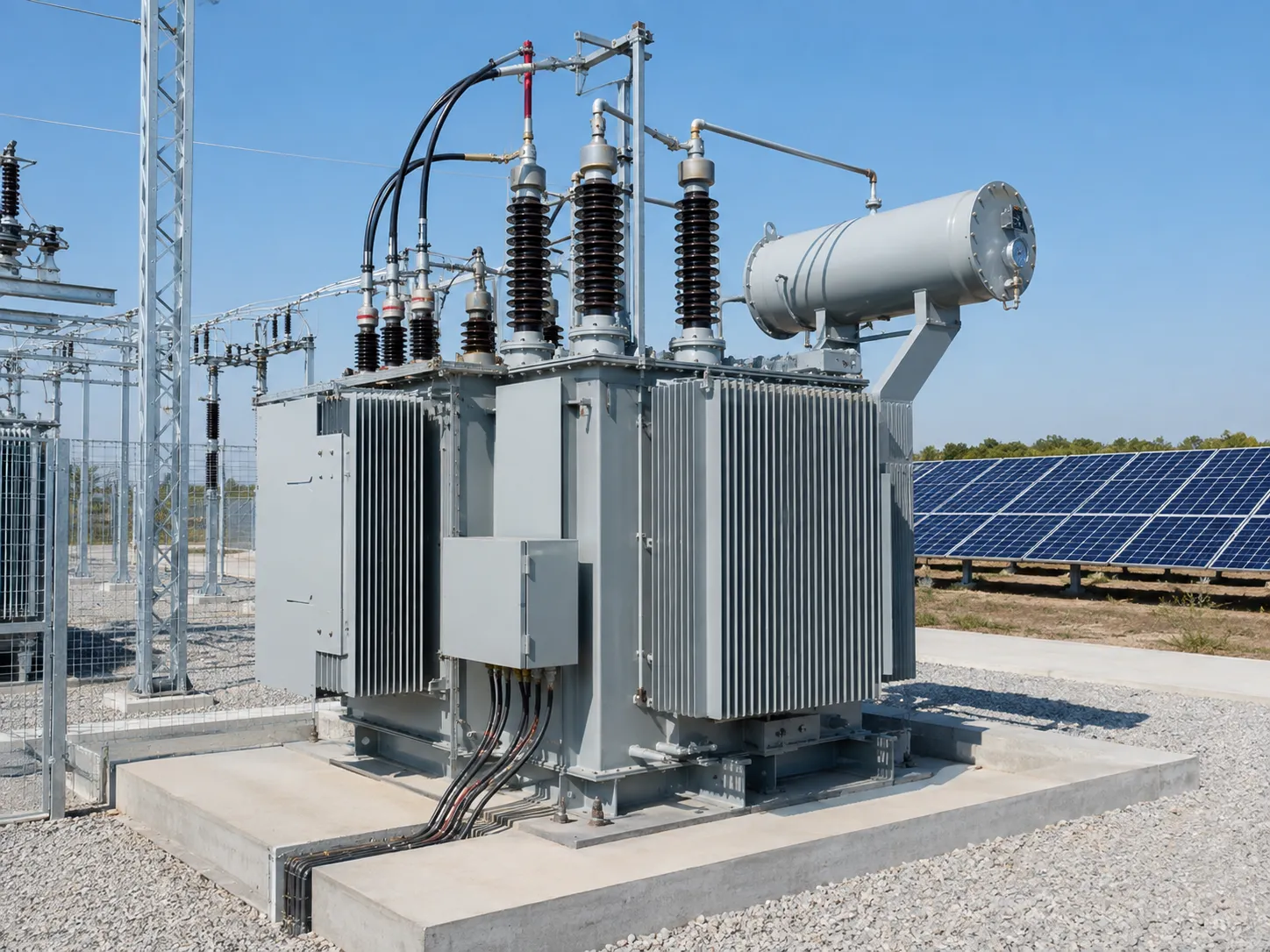
Estos transformadores están obligados a cumplir con códigos de red cada vez más estrictos. Se requiere que se comporten adecuadamente durante condiciones de falla y caídas de voltaje, produzcan potencia reactiva dinámica mientras ayudan a la estabilización de frecuencia para permitir la estabilidad y operación de una planta de energía solar o un parque eólico en condiciones externas desfavorables. El mercado vio un aumento en la demanda de transformadores de tipo seco en aplicaciones solares debido a sus características de seguridad contra incendios, bajo mantenimiento y tamaño compacto, lo que los hace perfectos para instalaciones donde el espacio es limitado. Para los fabricantes, la revolución en energía renovable implica no solo un aumento en las ventas de productos, sino también la necesidad de desarrollar productos más inteligentes, confiables y eficientes, donde los productores flexibles y ágiles de productos elevadores fotovoltaicos podrían sentirse competitivos.
Centros de Computación AI y Energía de Centros de Datos
La aparición de la inteligencia artificial representa el mayor nuevo choque de demanda. Los centros de datos de IA a gran escala ahora se clasifican como las cargas eléctricas de más rápido crecimiento y más densas para conectarse a la red. Los expertos predicen que los centros de datos representarán alrededor de dos tercios del crecimiento en el consumo de electricidad en los EE. UU. para 2030, mientras que se espera que el mercado de equipos eléctricos para centros de datos crezca a alrededor de 65 mil millones de dólares para 2030 desde alrededor de 20 mil millones de dólares en 2026. La demanda anual de transformadores asociados con estos centros de datos podría aumentar a más de 9,000 en 2030 desde las actuales 1,500 unidades, mientras que se espera que la demanda global de transformadores para centros de datos aumente de alrededor de 10.5 mil millones de dólares en 2025 a 20.7 mil millones de dólares en los próximos diez años.
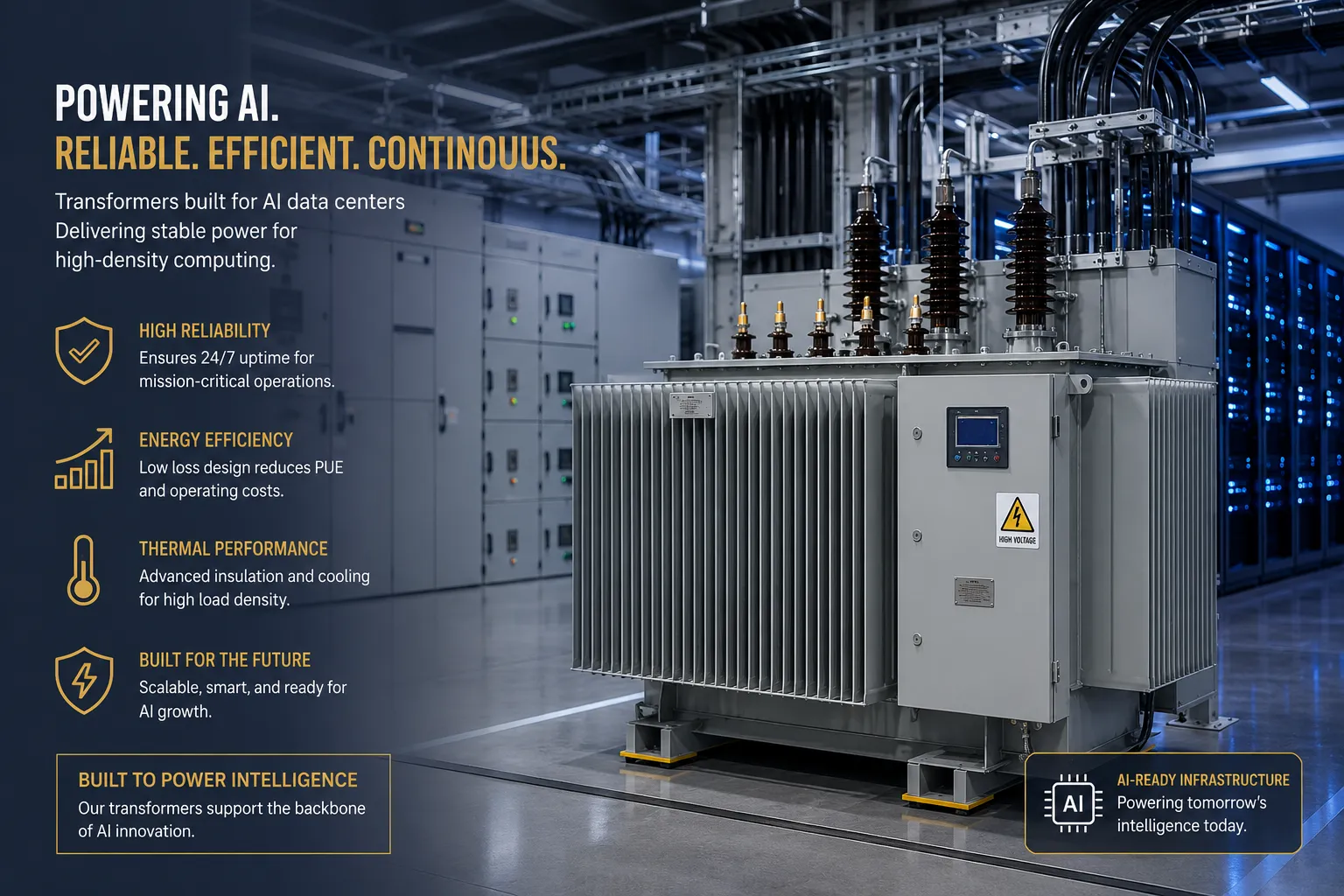
Los procesos de fabricación han chocado con este aumento. Los plazos de entrega para los transformadores de subestación se ampliaron de 140 semanas en 2023 a más de 160 semanas en 2026. También hay desafíos con los interruptores de media tensión que están prácticamente agotados para numerosos canales durante muchos años. Aumentar la densidad de estantería a alrededor de 200 kW impulsa a los constructores a repensar las prácticas de distribución de electricidad y a considerar transformadores de media tensión y transformadores montados en plataforma diseñados especialmente que funcionen bien con cargas que cambian rápidamente. A medida que la oferta en Occidente no puede mantenerse al ritmo de la demanda, los compradores consideran necesario recurrir a fabricantes chinos y otros asiáticos que puedan proporcionar productos a tiempo. Para la industria de transformadores, la IA o las computadoras de diseño hacen imposible encontrar equipos en el mercado.
Modernización de la Red y Electrificación
Una tendencia más amplia de modernización de la red y electrificación apoya ambas tendencias. Los sistemas antiguos en América del Norte y Europa requieren reemplazo, mientras que otros países construyen sistemas desde cero. Muchas estaciones de carga de vehículos eléctricos, electrificación industrial, líneas de transmisión de ultra alta tensión y redes inteligentes crean más demanda de transformadores. Así, la demanda de transformadores seguirá creciendo y no será cíclica.
Factores que Definen el Patrón de Competencia
La forma en que estos actores compiten está moldeada por un conjunto consistente de factores. Los compradores que evalúan el mercado y las tendencias de competencia de transformadores dentro de él deben sopesar las siguientes fuerzas:
- Innovación Tecnológica: El sector es intensivo en tecnología. Los nuevos desarrollos en materiales esenciales, aislamiento, refrigeración, rendimiento energético y durabilidad ante cortocircuitos permiten a las principales empresas ocupar posiciones de liderazgo en el mercado.
Poder de Marca: En una industria donde los errores son costosos, la experiencia acumulada a lo largo de los años significa calidad y fiabilidad, lo que otorga ventaja a las marcas tradicionales debido a su nombre establecido.
Control de Costos: Se requiere una aplicación efectiva de la cadena de suministro, coordinación entre el proceso de fabricación y optimización de la producción para ser competitivos en mercados sensibles al precio y de gama media en los que los países en desarrollo son competitivos.
Estabilidad de la Cadena de Suministro y Plazo de Entrega: En situaciones donde el suministro de acero orientado a grano, trabajadores capacitados y procesos de prueba son escasos, la entrega oportuna es tan importante como el precio y es necesaria para los centros de datos y proyectos relacionados con energía verde.
Las actividades anteriores están estrechamente relacionadas. La empresa que es líder en tecnología puede tener dificultades debido a su incapacidad para mantener plazos de entrega cortos, mientras que los productores de bajo costo pueden ingresar a segmentos de mercado más altos debido a la calidad que poseen.
Tendencias Futuras y Oportunidades
El período que se avecina estará caracterizado por múltiples tendencias que darán forma al futuro de la industria global de transformadores. Los transformadores inteligentes y digitales con sensores para monitoreo en tiempo real, control remoto y autodiagnóstico de cualquier problema se convertirán en algo común en la industria a medida que las empresas de energía apunten a un mantenimiento predictivo y una mayor confiabilidad de la red. La adopción de diseños energéticamente eficientes, incluidos los transformadores de aleación amorfa y de baja pérdida, disfrutará de popularidad debido a la creciente regulación de eficiencia en todo el mundo. Además, el almacenamiento de energía en baterías crea nuevos requisitos para los transformadores encargados de regular la transferencia de energía entre la batería y la red. Las economías en crecimiento en el sur y sureste de Asia, África y América Latina crean oportunidades significativas no aprovechadas para los fabricantes dispuestos a establecer producción en el lugar, colaborar con socios locales y personalizar sus productos de acuerdo con las condiciones de la red local.
La geografía de la cadena de suministro también está cambiando. Occidente no puede manejar el actual aumento de la demanda, por lo que la mayoría de los acuerdos de suministro de electricidad van a productores asiáticos; China ya ha alcanzado niveles récord de exportación. Mientras tanto, los gobiernos de Europa y América del Norte apoyan la fabricación nacional para disminuir su dependencia de las importaciones en lo que respecta al equipo crítico utilizado en los sistemas de suministro de electricidad. Aparentemente, el resultado es una estructura de suministro más regionalizada: los exportadores de larga data seguirán teniendo la ventaja de escala, mientras que los nuevos proveedores locales eventualmente ganarán presencia en el mercado. Al mismo tiempo, los compradores que se centran en las relaciones en varias regiones estarán menos expuestos a escaseces y fluctuaciones de precios.
La implicación para los compradores de la información anterior es evidente: los fabricantes deben centrarse en garantizar la disponibilidad confiable de capacidad, demostrando su capacidad para cumplir con los pedidos y proporcionando certificación de calidad, en lugar de cotizar un precio bajo. Los fabricantes se beneficiarán de tener tecnologías competitivas y flexibilidad en sus arreglos de cadena de suministro.
Preguntas Frecuentes
¿Qué tan grande es el mercado global de transformadores?
Las estimaciones para el mercado global de transformadores en 2025 oscilan entre aproximadamente 68 y 82 mil millones de dólares estadounidenses, dependiendo del alcance, con pronósticos que apuntan hacia 100 mil millones de dólares y más dentro de una década a tasas de crecimiento anual compuestas de alrededor del 5 al 9 por ciento.
¿Qué región lidera el mercado de transformadores?
Asia-Pacífico lidera, manteniendo aproximadamente del 30 al 40 por ciento de la demanda global. China es el mayor productor y consumidor, controlando aproximadamente el 60 por ciento de la capacidad de producción mundial, mientras que India, Japón y Corea del Sur añaden un rápido crecimiento regional.
¿Quiénes son los principales proveedores de transformadores?
Los principales proveedores de transformadores incluyen multinacionales como ABB, Siemens Energy, Schneider Electric, GE Vernova, Hitachi Energy, Mitsubishi Electric y Eaton, junto con importantes productores chinos como TBEA y un amplio campo de fabricantes especializados como Jiangsu Subian Electric Power Equipment.
¿Por qué los tiempos de entrega de transformadores son tan largos en este momento?
La demanda simultánea de centros de datos, proyectos renovables y reemplazo de redes está extrayendo de la misma capacidad de fábrica limitada. Combinado con la escasez de acero orientado a grano y mano de obra calificada, esto ha empujado los plazos de entrega para unidades grandes de semanas hace unos años a dos años o más hoy en día.
¿Qué tipos de transformadores están viendo el crecimiento más rápido?
En términos de crecimiento, los transformadores elevadores fotovoltaicos para plantas de energía solar y el equipo de transformadores de tipo seco y montados en pad de media tensión para centros de datos han registrado tasas de crecimiento más altas en comparación con el resto de la industria eléctrica en medio del aumento de la demanda de generación de electricidad y computación.
En cualquier caso, siempre es importante elegir la empresa adecuada con la que cooperar. Jiangsu Subian Electric Power Equipment Co., Ltd. es uno de los principales fabricantes de la industria y proporciona transformadores secos y sumergidos en aceite confiables para la venta, junto con subestaciones prefabricadas y equipos de conmutación a clientes de todas partes del mundo. Con años de experiencia en la producción de transformadores industriales, la empresa emplea tecnología de fabricación probada combinada con un estricto control de calidad en sus operaciones. Si necesita ayuda con su proyecto, no dude en contactar a Jiangsu Subian Electric Power Equipment Co., Ltd.