


مدير المشتريات لشركة توزيع الطاقة من غرب إفريقيا يجلس في مكتبه في لاغوس ويحدق بلا هدف في جدول بيانات مفتوح أمامه يحتوي على أحد عشر صفًا فارغًا. لقد حصلت شركته على تصريح لتوصيل الكهرباء لأربعة مناطق صناعية هذا العام ويجب عليها تنفيذ تسليم شامل، أي أن الشركة يجب أن تكون مسؤولة أيضًا عن الأعمال المدنية، بالإضافة إلى محطة المحولات، وحدات التحويل، لوحات الحماية، والقياس. جميع الحلول التي يجدها تتراوح من محول بسيط لا يسمح بالتشغيل في الوقت المحدد من قبل فريقه إلى محطة فرعية هندسية عالية من أوروبا تكلف أكثر من الميزانية المحددة لذلك المشروع.
تصف هذه المقالة الوضع الممثل في جدول البيانات ذلك. تتكون القائمة أدناه من عشرة حلول لمحطات فرعية كاملة معترف بها للمستخدمين من جميع أنحاء العالم، من المحطات الفرعية المدمجة إلى محطات فرعية كاملة 110/35 كيلوفولت مع أوصاف حقيقية، ونطاق من الأسعار، والمعايير المستخدمة، والعلامات الحمراء عند الشراء من مصنع محطات فرعية صيني.
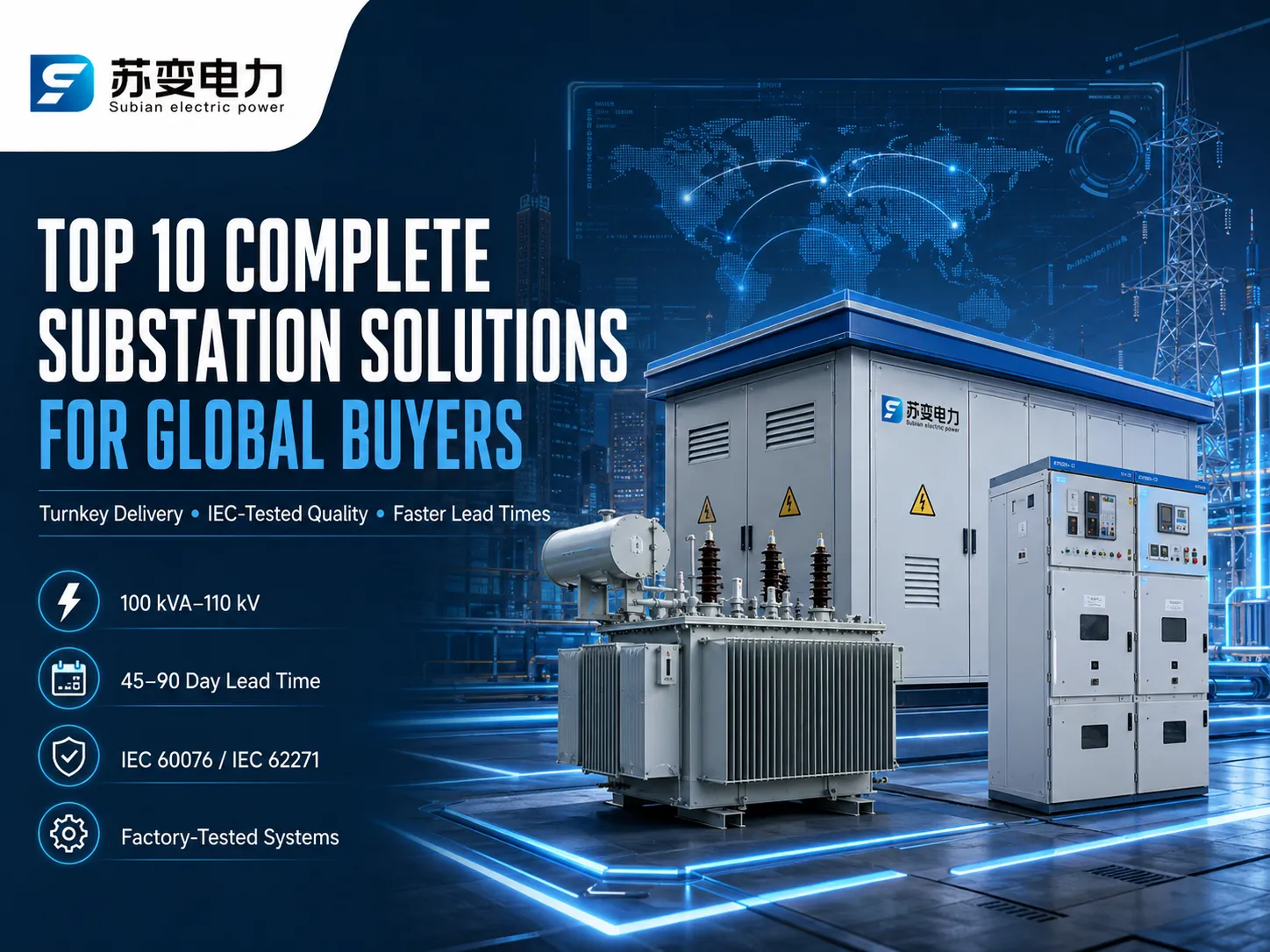
حل محطة فرعية كاملة
حل المحطة الفرعية الكاملة هو أكثر بكثير من مجرد محول مع غلافه. إنه عقد تسليم رئيسي يتعهد بموجبه مصنع واحد أو مقاول EPC بتحمل المسؤولية عن المحول، ومعدات التحويل ذات الجهد العالي والمنخفض، ولوحة الحماية والتحكم، والطاقة المساعدة، ونظام التأريض، والقياس، والبناء أو القاعدة في حالة المحطات الفرعية المصنعة في المصنع. وبالتالي، سيحصل العميل على وحدة مختبرة ومشغلة جاهزة للعمل بمجرد توصيلها بالشبكة بدلاً من كومة من المكونات الفردية التي يجب تصميمها وتجميعها في الموقع.
لقد ارتفعت شعبية نموذج التعبئة في السنوات العشر الماضية بسبب النقص العالمي في المهندسين الميدانيين ذوي الخبرة. في عام 2023، ذكرت الوكالة الدولية للطاقة أن استثمارات الشبكة تحتاج إلى الزيادة بمقدار الضعف، متجاوزة $600 مليار سنويًا حتى عام 2030، لتحقيق أهداف الكهرباء والطاقة المتجددة. يتم استثمار جزء من هذه الأموال من قبل المرافق والمطورين الخاصين الذين يفتقرون حاليًا إلى القدرات الداخلية الكافية لتصنيع كل مكون من مكونات كل محطة فرعية.
بالإضافة إلى ذلك، تقلل المحطات الفرعية المصنعة في المصنع من وقت التنفيذ. بينما قد تستغرق محطة فرعية عادية في الهواء الطلق بجهد 35 كيلوفولت مصنعة في الموقع من 12 إلى 18 شهرًا من التصور إلى بدء التشغيل، يمكن تسليم محطة فرعية مدمجة مسبقة الصنع، مصنعة ومختبرة في نفس المصنع، في غضون 45 إلى 90 يومًا فقط ويمكن تشغيلها في غضون أسبوع بعد التسليم.
لماذا يفضل المشترون العالميون المحطات الفرعية المعبأة
الأسباب وراء الاتجاه نحو الحلول المعبأة هي المزايا القابلة للقياس التالية:
المسؤولية من قبل كيان واحد. يكون بائع واحد مسؤولاً عن التصميم والإنتاج والاختبار والتشغيل. تتطلب حالة عدم تنسيق المرحل بشكل صحيح مع حماية المحول التفاضلية مكالمة هاتفية واحدة فقط بدلاً من نزاع ينطوي على أربعة مقاولين فرعيين مختلفين.
مراقبة الجودة في المصنع. يتم إجراء اختبار النوع والاختبارات الروتينية وفقًا لمعيار IEC 62271-202 وIEC 60076 في بيئة خاضعة للرقابة قبل الشحن، وترافق تقارير الاختبار المعدات.
جدول زمني سريع للمشاريع. يقلل التصنيع المتوازي للمحول في ورشة العمل، ومعدات التبديل داخلها، والحاوية بشكل منفصل من الوقت الإجمالي للتسليم بشكل كبير.
تكلفة قابلة للتنبؤ. تغطي الاقتباسات الثابتة جميع مكونات المنتج، مما يلغي أي إضافات.
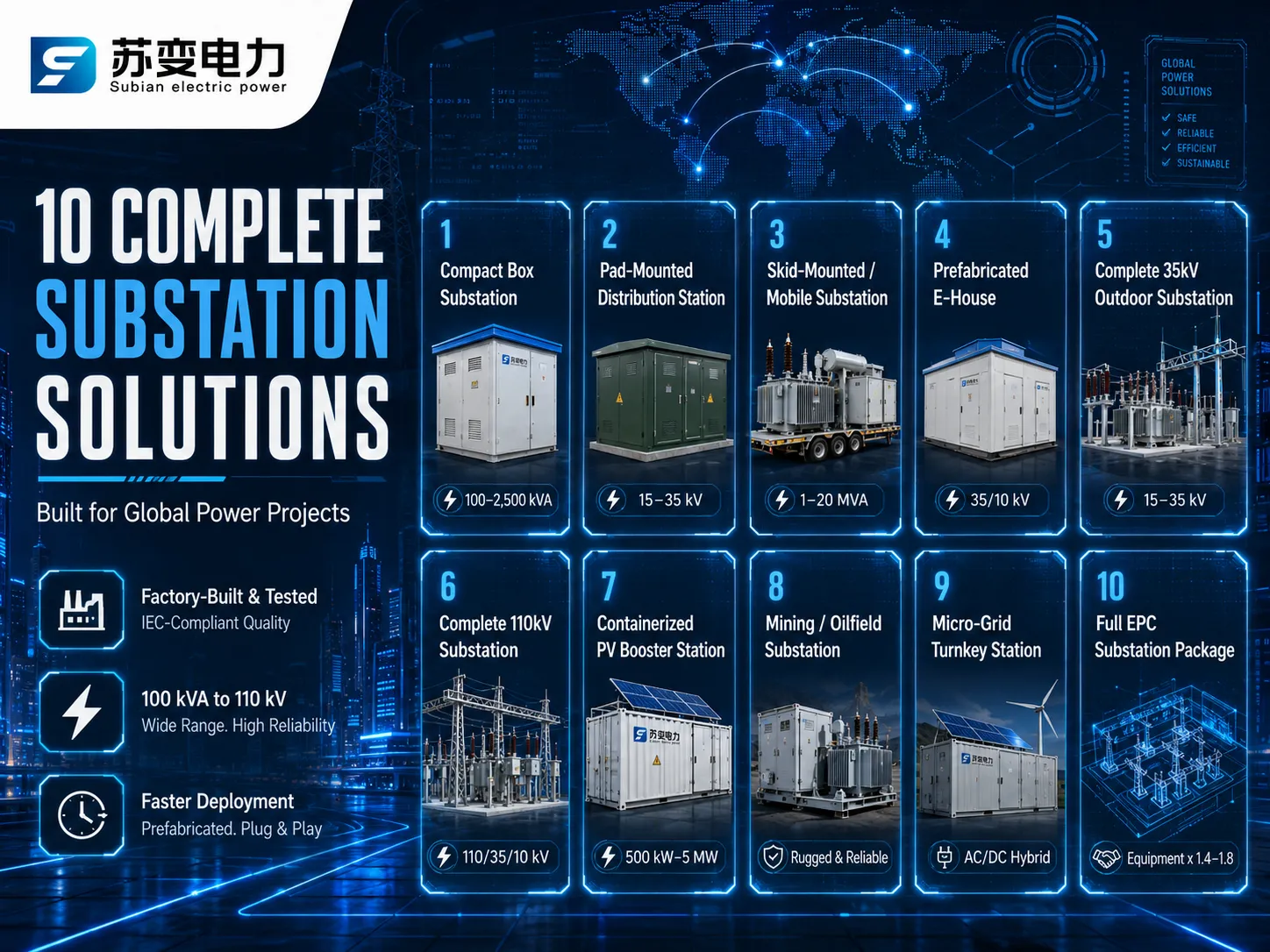
10 حلول كاملة لمحطات التحويل في لمحة
هناك مجموعة واسعة من الأحجام والأساليب ضمن المصطلح المعروف باسم “محطة تحويل كاملة”. توفر الجدول أدناه تفاصيل عن الأنواع العشرة الأكثر شعبية بما في ذلك أسعار المصنع الإرشادية من الموردين من الصين. ضع في اعتبارك أن الأسعار المذكورة هنا إرشادية وتعتمد على الشركة المصنعة، والخصائص، وحدود الحماية للمعدات وسعر الشحن إلى الوجهات الإقليمية.
| # | نوع الحل | التصنيف النموذجي | فئة الجهد | السعر النموذجي (FOB الصين) |
|---|---|---|---|---|
| 1 | محطة تحويل صندوقية مدمجة (نمط أمريكي/أوروبي) | 100–2,500 kVA | 12/24/36 كيلوفولت | $8,000–$65,000 |
| 2 | محطة تحويل توزيع مثبتة على قاعدة | 100–2,000 ك.ف.أ | 15–35 كيلوفولت | $6,000–$48,000 |
| 3 | محطة تحويل مثبتة على شاحنة / متنقلة | 1–20 ميغا فولت أمبير | 35–110 ك.ف | $90,000–$450,000 |
| 4 | غرفة E-House مسبقة الصنع / غرفة معيارية | — | معدات تصل إلى 170 كيلوفولت | $30,000–$220,000 |
| 5 | محطة تحويل خارجية كاملة 35 كيلوفولت | 2–31.5 ميغا فولت أمبير | 35/10 كيلوفولت | $80,000–$380,000 |
| 6 | محطة تحويل كاملة 110 كيلوفولت | 10–63 ميغا فولت أمبير | 110/35/10 كيلوفولت | $300,000–$1,200,000 |
| 7 | محطة تعزيز الطاقة الشمسية / PV محمولة | 1–6.3 ميغا فولت أمبير | 35 كيلوفولت | $45,000–$180,000 |
| 8 | محطة تحويل قوية لمجالات التعدين / النفط | 315–10,000 كيلوفولت أمبير | 6–35 كيلوفولت | $25,000–$300,000 |
| 9 | محطة شاملة للشبكة الصغيرة / القرى النائية | 50–1,000 كيلوفولت أمبير | 11/33 كيلوفولت | $15,000–$90,000 |
| 10 | حزمة محطة تحويل EPC كاملة (تصميم + مدني + تركيب) | أي | أي | تكلفة المعدات × 1.4–1.8 |
الأنواع السبعة الأولى من محطات التحويل تُنتج في المصانع وتكون جاهزة للاختبار قبل التسليم. الأنواع من 8 إلى 10، على العكس، عادة ما تكون مصنوعة حسب الطلب لذا تستغرق وقتًا أطول للإنتاج لكنها تناسب تمامًا متطلبات الموقع.
محطة تحويل صندوق مدمجة مقابل محطة تحويل تقليدية
القرار الأكثر شيوعًا في الشراء لمشتري توزيع الطاقة هو ما إذا كان يجب شراء محطة تحويل صندوق مدمجة (تسمى غالبًا وحدة مثبتة على قاعدة أو وحدة محمولة) أو بناء محطة تحويل تقليدية من الطوب والخرسانة في الموقع. تعكس المقارنة أدناه الأرقام النموذجية من المناقصات الأخيرة.
| المعايير | محطة تحويل صندوق مدمجة | محطة تحويل خارجية تقليدية |
|---|---|---|
| البصمة | 6–30 م² | 150–1,000 م² |
| وقت التصميم للتشغيل | 45–90 يومًا في المصنع + 1–2 أسبوع للتثبيت | 12–18 شهرًا |
| الأعمال المدنية في الموقع | الحد الأدنى (لوح خرساني فقط) | أساس كامل، سياج، مباني |
| جهد الهندسة من قبل المشتري | منخفض — يقوم البائع بذلك | مرتفع — يحتاج إلى مستشارين منفصلين |
| إمكانية النقل | نعم (مثبت على قاعدة/حاوية) | لا |
| التكلفة الإجمالية المثبتة (35kV/10kV، 5 MVA) | ≈ $180,000–$280,000 | ≈ $320,000–$520,000 |
| الوصول للصيانة | جيد للوحدات الصغيرة؛ أكثر ضيقًا لمنافذ الجهد العالي | ممتاز |
نادرًا ما تكون محطات التحويل الصندوقية منطقية فوق 20 MVA، حيث تتطلب التبريد، ومساحة القضبان، ومسافات إطفاء قوس القاطع مباني مخصصة. ومع ذلك، في نطاق 100 kVA إلى 10 MVA، توفر عادةً 30–50% من التكلفة الإجمالية المثبتة وتقلل الجدول الزمني بمقدار 60% أو أكثر.
المعايير والامتثال للتحديد
بغض النظر عن الشكل الذي تختاره، يجب أن تتوافق المعدات الداخلية مع المعايير الدولية المعترف بها. الوثائق الأكثر أهمية للإشارة إليها في مناقصتك مدرجة أدناه، مع البنود الدقيقة التي تهم.
| معيار | النطاق | لماذا يهم المشترين |
|---|---|---|
| IEC 60076 (الأجزاء 1–17) | محولات الطاقة | يحدد التصنيفات، والخسائر، ومقاومة الصدمات، ونطاقات السحب |
| IEC 62271-200 / -202 | محطات تحويل مدمجة مسبقة الصنع | المعيار الحاكم لمحطات التحويل من نوع الصندوق |
| IEC 62271-1 / -100 | معدات التبديل MV والقواطع | التحقق من قدرة الفصل وتصنيفات العطل |
| IEC 60529 | حماية دخول الحاوية | تصنيفات IP54/IP65 للحماية من الطقس الخارجي |
| IEEE C57.12.20 | محولات مثبتة على قاعدة | مطلوبة عادةً لمثبتات السوق الأمريكية |
| IEC 60255 | مرحلات الحماية | يضمن أن سلوك تنسيق المرحل قابل للاختبار |
لمشاريع موجهة نحو الولايات المتحدة، غالبًا ما تتطلب مستويات كفاءة ANSI/IEEE C57.12 وNEMA TP-1 جنبًا إلى جنب أو بدلاً من IEC. حدد نظامًا واحدًا بوضوح في المناقصة؛ فإن خلطها يخلق نزاعات في الاختبار والقبول لاحقًا.
المواصفات والتصنيفات الرئيسية
يجب أن تتضمن كل مواصفة لمحطة تحويل كاملة عدة حقول بيانات. سيؤدي حذف أي من حقول البيانات إلى الارتباك أثناء تنفيذ المشروع، مما سيؤدي إلى أوامر تعديل.
القدرة المقدرة، بالكيلو فولت أمبير عند الجهد المقدر، ومواصفات المحول المطلوبة في ظروف الحمل الأساسي المستمر وظروف الحمل الزائد (تبريد ONAN/ONAF).
الجهد الأولي/الثانوي، على سبيل المثال 35/10.5 kV أو 33/0.4 kV. يشمل ذلك نطاقات السحب (عادةً ±2×2.5% أو OLTC تحت الحمل).
مجموعة المتجهات. تشمل الأمثلة Dyn11، YNd11، أو Yyn0، حسب فلسفة التأريض المناسبة.
مقاومة الدائرة القصيرة المقدرة (عادةً 6-10% وفقًا للتصنيف).
مخطط الحماية، بما في ذلك التفاضلية للمحول (87T)، التيار الزائد (50/51)، خطأ الأرض المقيد (64) وخطأ الأرض الاحتياطي.
المتطلبات البيئية، بما في ذلك درجة حرارة الموقع، الارتفاع (تخفيض الأداء فوق 1000 م)، الرطوبة، وفئة التلوث.
فئة الإغلاق، بما في ذلك تصنيف IP، المواد، مستوى الصوت، وأنواع دخول الكابلات.
القياس والاتصالات عن بعد، بما في ذلك قياس الإيرادات المحتمل، واجهات SCADA، أو المراقبة عن بعد.
بالنسبة لمحطة تحويل مدمجة بجهد 35/10.5 كيلوفولت ومحولة بقدرة 5 ميغا فولت أمبير، قد تحتوي المواصفات الإرشادية على محولة تتحمل صدمة بجهد 170 كيلوفولت (فئة LI وفقًا لمعيار IEC 60076-3)، وقاطع دائرة فراغي بقدرة 31.5 كيلوأمبير/4 ثوانٍ، وغطاء IP54، مع حماية بواسطة المرحلات وفقًا لمعيار IEC 60255.
اختيار المحطة المعتمد على التطبيق
تعتمد الحلول الصحيحة بشكل كبير على التطبيق. الجدول أدناه يربط بين أنواع المشاريع الشائعة وصيغة المحطة المفضلة.
| التطبيق | الصيغة الموصى بها | التصنيف النموذجي | الاعتبار الرئيسي |
|---|---|---|---|
| شبكة الجهد المنخفض الحضرية (400 فولت) | محطة تحويل صندوق مدمجة | 315–1,000 كيلوفولت أمبير | ضوضاء منخفضة، مساحة صغيرة، IP54 |
| إمداد القرى بالكهرباء الريفية | مثبتة على قاعدة / مثبتة على عمود + كشك | 50–315 كيلوفولت أمبير | أقل تكلفة أولية لكل منزل |
| جمع الطاقة الشمسية أو طاقة الرياح | محطة تعزيز محمولة في حاوية | 1–6.3 ميغا فولت أمبير | توافق العاكس، الحمل التوافقي |
| موقع التعدين / المخيم البعيد | محطة تحويل متنقلة مثبتة على قاعدة | 1–10 م.ف.أ | إمكانية النقل، إطار نقل قوي |
| توزيع المرافق (35 كيلوفولت) | محطة تحويل خارجية كاملة بجهد 35 كيلوفولت | 15–20 ميغا فولت أمبير | الاعتمادية، التكرار، SCADA |
| مصنع صناعي مع إمداد خاص | مثبتة على قاعدة + غرفة تحكم E-House | 500–5,000 ك.ف.أ | تنسيق قوس التفريغ، سعة احتياطية |
غالبًا ما يرتكب المشترون خطأ واحدًا هنا: اختيار صيغة بناءً على السعر فقط، ثم اكتشاف أن كود الشبكة المحلي يتطلب معدات مفاتيح معزولة بالهواء في الهواء الطلق أو غرفة قياس منفصلة. تحقق من كود الشبكة الخاص بك وقواعد الربط مع المرافق المحلية قبل أن تنهي الصيغة.
أفضل علامات المحطات ونطاقات الأسعار
يهيمن قطاع المحطات في العالم على عدد قليل من الشركات الكبرى من أوروبا والولايات المتحدة، وعدد متزايد من الشركات المصنعة من الصين والهند. الأسعار الموضحة أدناه هي لمحطات تحويل مدمجة مصنوعة في المصنع بمستوى 1 ميغا فولت أمبير/12 كيلوفولت، وتظهر على أساس FOB للإرشاد فقط.
| العلامة التجارية | الدولة | السعر النموذجي (1 ميغا فولت أمبير، 12 كيلوفولت) | ملاحظات |
|---|---|---|---|
| ABB | سويسرا | $48,000–$85,000 | خبرة كاملة في E-House وGIS |
| سيمنز | ألمانيا | $50,000–$90,000 | مجموعة قوية من المحطات الرقمية |
| شنايدر إلكتريك | فرنسا | $45,000–$80,000 | تكامل ممتاز للجهد المنخفض/الجهد المتوسط |
| هيتاشي للطاقة | سويسرا/اليابان | $52,000–$92,000 | تراث المحولات الممتازة وHVDC |
| إيتون | أيرلندا/الولايات المتحدة | $40,000–$75,000 | قوية في المحطات المثبتة على القاعدة والأسواق الأمريكية |
| توشيبا / هيونداي | اليابان / كوريا الجنوبية | $38,000–$70,000 | تأسست في آسيا والشرق الأوسط |
| TBEA / الصين XD | الصين | $18,000–$35,000 | شركات تصنيع كبيرة مملوكة للدولة في الصين |
| شركة جيانغسو سوبين للطاقة الكهربائية | الصين | $14,000–$30,000 | حلول مركزة على التصدير، مختبرة وفقًا لمعيار IEC |
تقدم الشركات العالمية مثل ABB وSiemens وSchneider Electric وHitachi Energy هندسة ممتازة، وخبرة مثبتة، وخدمات محلية، مما يبرر حقًا أسعارها المرتفعة نسبيًا، والتي تتراوح بين 1.5-2.5 مرة تكلفة الاقتباسات الصينية ذات الأداء المماثل.
للمشترين الذين يحتاجون إلى محولات مختبرة وفقًا لمعيار IEC 60076، ومعدات مفاتيح متكاملة، وتقارير اختبار من المصنع بجزء من تلك التكلفة الإضافية،, شركة جيانغسو سوبين للطاقة الكهربائية يستحق النظر الجاد. تقوم الشركة بتصميم وتصنيع المحولات الكهربائية ومحطات التحويل ومعدات توزيع الطاقة، ومحطات الصناديق المدمجة، وحزم المحطات الكاملة مع وثائق الاختبار الروتينية والنوعية، وتقوم بالشحن إلى أكثر من 40 دولة عبر إفريقيا وجنوب شرق آسيا وأمريكا اللاتينية والشرق الأوسط. كما تدعم شركة سوبين تكوين OEM/ODM، مما يسمح لمطوري المشاريع بتحديد علامات تجارية خاصة بهم للمرحلات وأنواع البوشينغ ومجموعات المتجهات مع الحفاظ على راحة المصنع المبني من قبل بائع واحد.
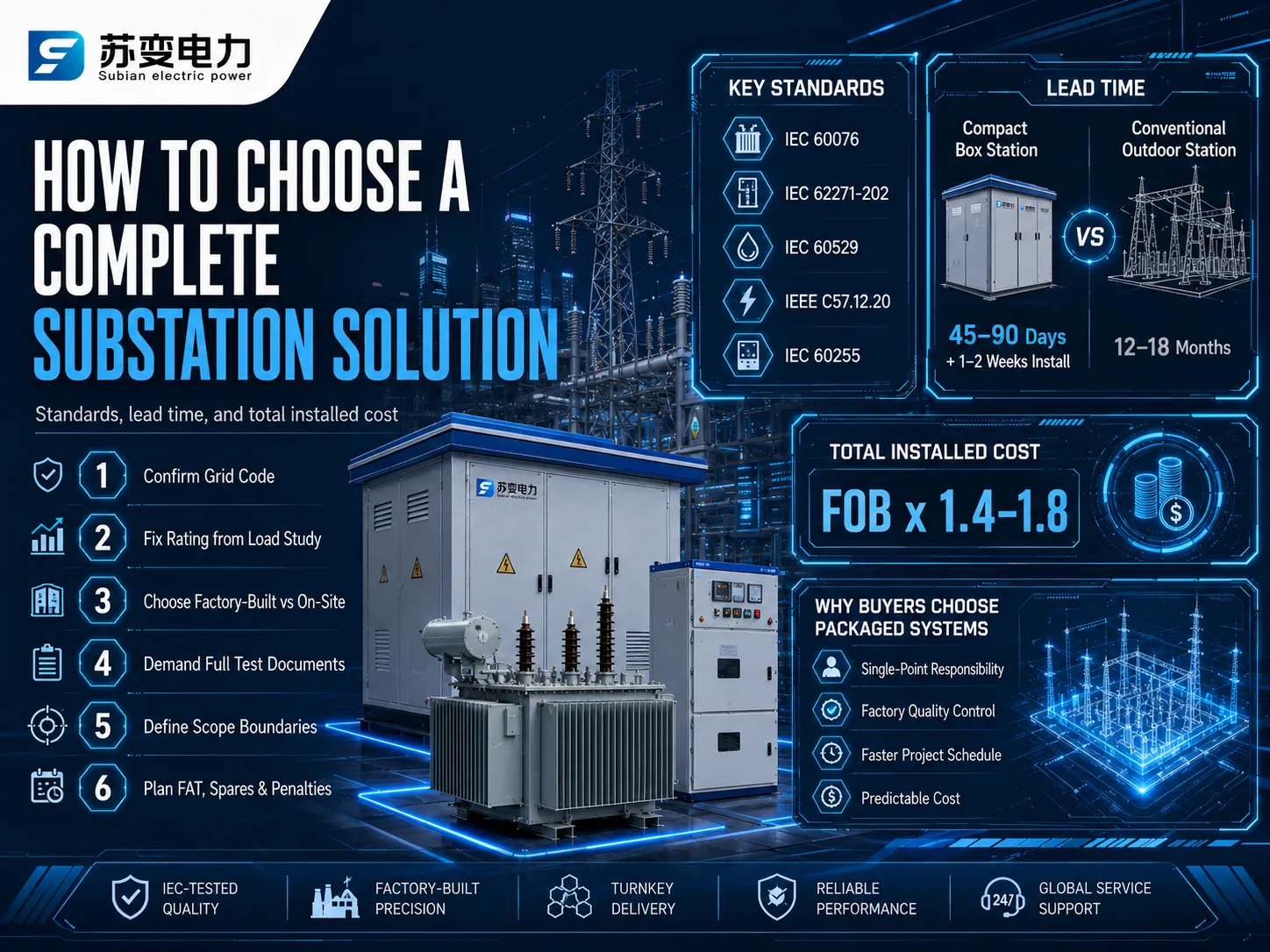
كيفية اختيار حل محطة تحويل كاملة
استخدم هذه القائمة عند إنشاء قائمة بالموردين وتحديد متطلباتك قبل تقديم الطلب.
①. تحديد كود الشبكة واستخدامه للحصول على جميع الوثائق ذات الصلة المتعلقة بالترابط من قبل المرافق، وسياسات الحماية، وقواعد التأريض.
②. تأكد من أن التصنيف مستمد من دراسات الحمل. حدد الأحمال القصوى المتزامنة، والنمو المتوقع (القيم الشائعة هي 15% – 25%)، وعوامل التخفيض.
③. تحديد الاختيار بين البناء في المصنع أو في الموقع. إذا كانت السعة أقل من 10 MVA وكانت الحدود الزمنية مهمة، فمن المرجح أن يتم اختيار الحل في المصنع.
④. الحصول على جميع شهادات الاختبار. تأكد من أن لديك جميع تقارير الاختبار (اختبار الصدمة IEC 60076-3، اختبارات القوس الداخلي IEC 62271-202) واستلام شهادات الاختبار الروتينية لكل وحدة محول.
⑤. تحديد نطاق الحدود. من الضروري تحديد ما هو مشمول في الطلب: المحول، معدات التبديل، الحماية، نظام البطارية والشاحن، نظام القياس، أسلاك الحاوية، مجموعة التأريض، قطع الغيار والأدوات.
⑥. اسأل عن FAT. ساعد وجود مهندسكم خلال فحص FAT في اكتشاف 80% من مشاكل التشغيل قبل الشحن.
⑦. ترتيب قطع الغيار والمواد الاستهلاكية. اطلب كمية 10% من قطع الغيار بدلاً من الاعتماد فقط على مجموعة قطع الغيار الحرجة للسنتين الأوليين.
⑧. التفاوض على العقوبات. وضع عقوبات تبدأ من الوقت الذي يتم فيه تنشيط المعدات وليس فقط من حقيقة الشحن.
التكاليف الخفية وإجمالي تكلفة الملكية
سعر المعدات FOB عادة ما يكون أقل من نصف القصة. يقوم المشترون ذوو الخبرة بتخصيص ميزانية للتكلفة الإجمالية المتكاملة والمركبة:
| مكون التكلفة | الحصة النموذجية من سعر FOB | ملاحظات |
|---|---|---|
| المعدات (FOB) | 100% (الخط الأساسي) | تشمل اختبار المصنع |
| الشحن البحري + التأمين | 8–15% | حاوية 20 قدم / 40 قدم أو شحن غير منتظم لوحدات 110kV |
| الرسوم الجمركية والضرائب | 5–30% | تعتمد على البلد؛ تحقق من رموز HS والإعفاءات |
| الأعمال المدنية والأساسات | 10–25% | حتى المحطات المدمجة تحتاج إلى قاعدة وخنادق كابلات |
| التركيب والتشغيل | 8–20% | أعلى حيث تكون العمالة الماهرة المحلية نادرة |
| قطع الغيار، الأدوات، التدريب | 3–8% | ميزانية قطع الغيار الحرجة لمدة عامين عند الطلب |
كقاعدة عامة، اضرب سعر FOB في 1.4–1.8 لتقدير التكلفة الكاملة المثبتة، وأضف 5–10% كاحتياطي للمواقع البعيدة أو الصعبة لوجستياً. يمكن أن تكلف محطة تحويل مدمجة $20,000 بشكل واقعي $30,000–$38,000 عند التركيب، لذا فإن العرض الذي يبدو رخيصًا غالبًا ما يكون ليس الحل الأرخص بشكل عام.
الأسئلة المتكررة
ما هو أرخص حل محطة تحويل كاملة؟
نطاق 100-630 kVA هو الحل الأرخص بتكلفة نموذجية تتراوح بين $8,000-$25,000 باستثناء تكاليف الشحن عندما يتعلق الأمر بالشركات المصنعة من الصين. بالنسبة للأنظمة التي تقل عن 100 kVA، يمكن أن يكون المحول المثبت على عمود أو قاعدة مع كشك صغير بسعر أقل يتراوح بين $3,000-$8,000 ولكنه لن يعتبر بالضرورة “محطة فرعية كاملة”. بالنسبة للتثبيتات التي تتجاوز 2.5 MVA، ستكون الخيار الاقتصادي هو محطة تقليدية في الهواء الطلق أو المعدات، والتي لن تصنف أيضًا كخيار محطة خارجية.
كم من الوقت يستغرق الحصول على محطة فرعية كاملة من مصنع صيني؟
يتم شحن محطة فرعية قياسية مدمجة في غضون 45-90 يومًا من الرسومات المؤكدة. تستغرق المحطات الأكبر 110kV وحزم EPC الكاملة من 6-14 شهرًا بسبب تنسيق التصميم والأعمال المدنية. عادةً ما تضيف اختبارات قبول المصنع 5-10 أيام عمل إلى الجدول الزمني ويوصى بشدة بها قبل حجز الشحن البحري.
ما الاختبارات التي يجب أن أطلبها قبل الشحن؟
على الأقل: مقاومة اللف، نسبة اللفات، مقاومة العزل، تحمل العزل، واختبار ارتفاع درجة الحرارة وفقًا لمعيار IEC 60076. بالنسبة لمعدات التبديل، اطلب توقيت القواطع، مقاومة الاتصال، واختبارات العزل. إذا كان المشروع يبرر ذلك، شاهد اختبارات النوع (النبضة الكهربائية وفقًا لمعيار IEC 60076-3، القوس الداخلي وفقًا لمعيار IEC 62271-202) في المصنع أو اطلب نسخًا معتمدة من مختبر اختبار معترف به.
هل يمكن نقل محطة فرعية لاحقًا؟
نعم. تم تصميم الوحدات المثبتة على قاعدة والمعبأة في حاويات للنقل باستخدام رافعة وشاحنة مسطحة. يمكن أيضًا نقل المحطات المدمجة على الطراز الأوروبي في حاوية فولاذية، على الرغم من أن الأعمال المدنية في الموقع الجديد (القاعدة وخنادق الكابلات) لا تزال مطلوبة. إذا كان النقل مخططًا له، حدد حلقات الرفع، وإطار معزز، وصناديق طرفية مقاومة للعوامل الجوية في الطلب الأصلي.
لماذا تكون المحطات الفرعية الأوروبية أغلى بكثير من الصينية؟
بشكل عام، تتقاضى العلامات التجارية الأوروبية (ABB، Siemens، Schneider) أسعارًا أعلى مقابل خدماتها، وتقوم بأعمال بحث وتطوير محلية كبيرة، وتمتلك خدمات هندسية متطورة. نفس اختبارات IEC التي تستخدمها الشركات الصينية تستخدم أيضًا من قبل الشركات المصنعة الأوروبية. الفرق في السعر يتراوح تقريبًا بين 1.5 و2.5 مرة، مما يغطي تكلفة أمان العلامة التجارية، والتمثيل المحلي، والعديد من سنوات الاستخدام الناجح لمعدات مماثلة. ومع ذلك، فإن مصنعًا صينيًا شائعًا، Jiangsu Subian Electric Power، يتمكن من تقليل هذه الفجوة بشكل كبير في نوع المعدات التي يقدمونها لأنهم يقدمون منتجات اجتازت جميع اختبارات IEC اللازمة ومدعومة بجميع الوثائق المطلوبة.
المراجع
- IEC (اللجنة الكهروتقنية الدولية) — ناشر معايير محولات IEC 60076 ومعايير معدات التبديل IEC 62271.
- IEEE — مصدر معايير المحولات المثبتة على القاعدة IEEE C57.12 وC57.12.20 للأمريكتين.
- الوكالة الدولية للطاقة (IEA) — بيانات استثمار الشبكة وآفاق الكهرباء المذكورة أعلاه.
- رؤى السوق العالمية — أبحاث السوق حول سوق المحطات الفرعية الجاهزة.
- NEMA (الرابطة الوطنية لمصنعي الكهرباء) — معايير كفاءة TP-1 ومعدات التوزيع.
- ABB — صفحات المنتجات المرجعية لمحطات التحويل المدمجة والمنازل الإلكترونية.
- سيمنز — مرجع لمحطة التحويل الرقمية والحلول الجاهزة.
- شركة جيانغسو سوبين للطاقة الكهربائية — مصنع صيني للمحولات وحزم محطات التحويل الكاملة.
الخاتمة
اختيار حل محطة تحويل كاملة هو مسألة مطابقة التنسيق والتصنيف والنطاق لموقعك، ومدونة الشبكة، والميزانية الخاصة بك — وليس شراء أرخص صندوق على Alibaba. التنسيقات العشر التي تم تناولها أعلاه تمتد من وحدات مدمجة $8,000 إلى محطات 110kV بملايين الدولارات، والإجابة الصحيحة تعتمد على دراسة الحمل الخاصة بك، وجدولك الزمني، وقوة الهندسة الداخلية لديك.
- المحطات المدمجة المبنية في المصنع توفر 30–50% من تكلفة التركيب و60% من الجدول الزمني مقارنة بالبناء في الموقع للوحدات التي تقل عن 10 MVA.
- حدد IEC 60076 و IEC 62271-202 و IEC 60529 بشكل صريح، واطلب شهادات اختبار النوع.
- ميز التكلفة الإجمالية المثبتة عند 1.4–1.8× سعر المعدات FOB.
- سواء اخترت ABB أو Siemens أو Schneider لمشاريع رائدة أو مصنع صيني يركز على التصدير مثل شركة جيانغسو سوبين للطاقة الكهربائية بالنسبة للمشاريع الحساسة من حيث التكلفة، أصر على وثائق اختبار المصنع الكاملة وبائع مسؤول واحد.