


L'ingegnere di collaudo di un progetto ospedaliero situato in Africa occidentale teneva un foglio di carta e stava conversando con tre fornitori al telefono. Tutti offrivano trasformatori dry-type da 800 kVA a ottimi prezzi. Tuttavia, solo una di queste aziende è riuscita a fornire un preventivo che garantisce un insieme completo di test di routine IEC 60076-11. Un fatto che ha permesso a questa azienda di fornire un rapporto di prova che includeva la resistenza dell'avvolgimento per ogni punto di prelievo del trasformatore, il rapporto e il gruppo vettoriale, la perdita a vuoto, la perdita a carico, la resistenza alla tensione indotta, la scarica parziale e il livello sonoro. L'ingegnere di collaudo era molto consapevole del fatto che molti trasformatori “nuovi” non superavano tutti i test necessari prima di essere spediti al cantiere. Così, ha deciso di trattare solo con l'azienda che considerava il rapporto di prova come parte integrante del prodotto.
In questo articolo, il lettore troverà informazioni utili su sette test di routine che ogni trasformatore dry-type di buona qualità deve superare prima di lasciare il produttore, l'obiettivo di ciascun test, cosa dimostra, quali sono i valori di accettazione e perché “testato” non è lo stesso di “completamente testato.”
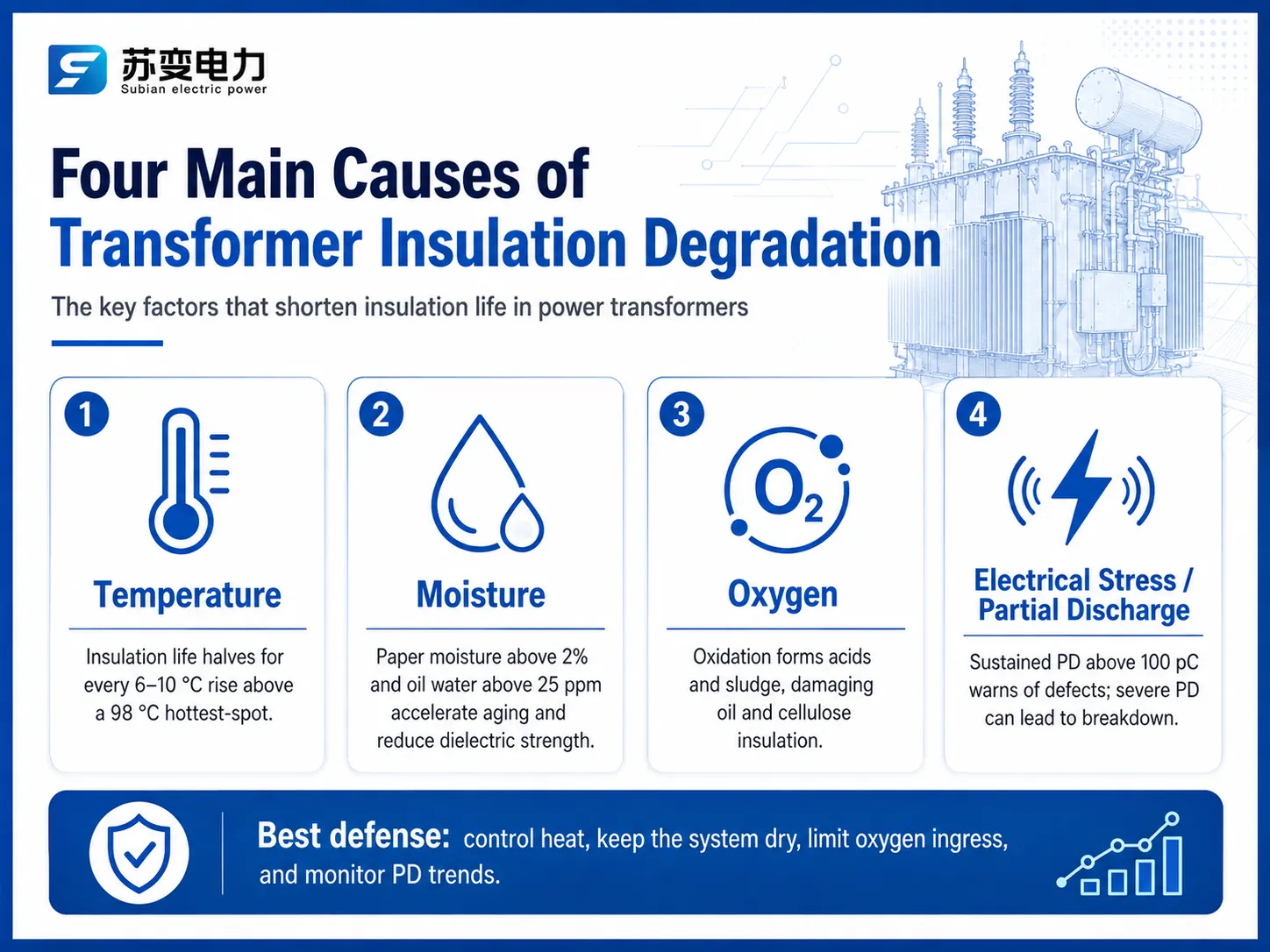
Perché i test di routine sono la linea di sicurezza
IEC 60076-11 fa una distinzione tra tre diverse categorie di test. I test di routine vengono eseguiti su ogni pezzo di attrezzatura; sono una garanzia del produttore che il trasformatore ricevuto è il trasformatore esatto progettato e testato per quella particolare applicazione. I test di tipo vengono condotti una sola volta per ogni design su una macchina utilizzata come prototipo. Inoltre, i test speciali vengono eseguiti quando concordati caso per caso. Ci sono sette test di routine che servono come minimo; senza di essi, non c'è prova che il trasformatore funzioni correttamente elettricamente, sia avvolto correttamente o abbia un'adeguata isolamento.
| Categoria di test | Frequenza | Scopo | Chi paga |
|---|---|---|---|
| Test di routine | Ogni unità | Verificare la qualità di produzione e l'integrità elettrica | Inclusi nel prezzo di fabbrica |
| Test di tipo | Una volta per design | Dimostrare che il design soddisfa IEC 60076-11 | Costo di sviluppo del design |
| Test speciali | Per accordo di progetto | Assicurazione extra (FRA, limiti PD più rigorosi, test assistiti) | Di solito specificato dall'acquirente |
Per un acquirente, la conseguenza pratica è semplice: il rapporto di test di routine è il deliverable che trasforma una scatola di metallo in un bene certificabile. Un fornitore che non può produrlo, o offre solo un “certificato di test” senza numeri, rappresenta un rischio.
Test 1: Misurazione della resistenza dell'avvolgimento
La resistenza dell'avvolgimento viene misurata su ogni posizione di prelievo su tutte le fasi, utilizzando un metodo DC con stabilizzazione della corrente. Lo scopo è duplice: verificare che i conduttori e le connessioni dell'avvolgimento siano solidi e stabilire una base per i calcoli termici e la determinazione delle perdite. I valori di resistenza sono corretti a una temperatura di riferimento (tipicamente 75 °C per la classe F).
| Dettagli della misurazione | Valore / Pratica tipica |
|---|---|
| Metodo di test | Iniezione di corrente DC, connessione a 4 fili Kelvin |
| Punti di test | Tutte le fasi, tutte le posizioni di prelievo, HV e LV |
| Temperatura di riferimento | 75 °C (classe F) o 120 °C (classe H) |
| Criterio di bilanciamento delle fasi | Entro 2% tra le fasi |
| Durata per fase | 1–3 minuti per un'unità da 1.000 kVA |
- Cosa rileva: Connessioni allentate, avvolgimenti parziali, dimensione del conduttore errata, fili spezzati.
- Accettazione: Bilanciamento fase-fase entro 2% e coerenza con il valore di progetto.
- Perché è importante: Una connessione ad alta resistenza è un futuro punto caldo — la causa più comune di guasti prematuri ai trasformatori di tipo secco.
Test 2: Rapporto di tensione e Gruppo vettoriale
Questo test misura il rapporto di avvolgimento su ogni posizione di tappo e verifica la disposizione della connessione degli avvolgimenti (gruppo vettoriale, come Dyn11). Conferma che il trasformatore fornirà la corretta tensione secondaria per l'applicazione.
- Cosa rileva: Tappi errati, connessione errata, avvolgimenti interni cortocircuitati, fasi etichettate in modo errato.
- Accettazione: Rapporto entro ±0.5% del valore dichiarato su tutti i tappi.
- Perché è importante: Un errore di rapporto significa la tensione errata sulla tua barra di distribuzione — un problema che può danneggiare l'attrezzatura a valle.
Test 3: Perdita a vuoto e Corrente a vuoto
Quando gli avvolgimenti a bassa tensione sono alimentati e quelli ad alta tensione sono spenti, lo strumento misura le perdite nel nucleo (perdite a vuoto) e la corrente di magnetizzazione del circuito magnetico.
Cosa viene testato: Materiale del nucleo difettoso, laminazione difettosa, assemblaggio del nucleo errato e cortocircuito dei bulloni del nucleo.
Criteri di accettazione: La perdita a vuoto soddisfa i valori garantiti insieme alle tolleranze della norma IEC 60076-1 (+15%); la corrente a vuoto è conforme a quanto prescritto.
Importanza del test: Le perdite a vuoto esistono 24 ore su 24 per decenni.
Test 4: Perdita di carico e Tensione di impedenza
- Quando si applica una tensione al lato ad alta tensione (HV) e si cortocircuita il lato a bassa tensione (LV), vengono misurate le perdite di avvolgimento (perdite da carico) e la tensione di impedenza. I due valori ottenuti indicheranno come si comporta il trasformatore durante il carico e come “coordina” con le impostazioni di protezione.
Cosa rileviamo? Materiale o dimensione del conduttore errati, difetti nella geometria degli avvolgimenti, difetti nei condotti di raffreddamento. Accettazione: Entro il range tollerabile per la perdita da carico; la tensione di impedenza varia solitamente entro ±10% dal valore dichiarato di 4–6%. Perché è importante? La perdita da carico determina i costi operativi in funzionamento carico, mentre la tensione di impedenza indica la caduta di tensione e i valori di corrente di guasto per le impostazioni dell'interruttore automatico.
Test 5: Resistenza alla Tensione Indotta e Scarica Parziale
Il trasformatore è alimentato a una frequenza più alta (solitamente 100–250 Hz) a circa il doppio della tensione nominale per stressare l'isolamento tra gli avvolgimenti senza assorbire corrente eccessiva. Sulle unità in resina colata, questo test è combinato con la misurazione della scarica parziale (PD) — l'indicatore di salute più sensibile per l'isolamento in resina.
| Livello di PD | Interpretazione | Azione |
|---|---|---|
| < 5 pC | Eccellente — resina compatta e priva di vuoti | Accettare (specifica più rigorosa) |
| 5–10 pC | Limite di accettazione standard | Accettare secondo IEC 60076-11 |
| 10–50 pC | Isolamento degradato, probabili vuoti | Indagare; solitamente rifiutare |
| > 50 pC | Rischio di erosione da scarica grave | Rifiutare — probabile guasto |
- Cosa rileva il test: Difetti, vuoti, crepe e contaminazione sulla superficie dell'isolamento in resina o vernice.
Criteri di approvazione: Non si verifica alcun guasto; la PD è inferiore a 10 pC a 1.1 x tensione nominale per resina colata.
Significato del superamento: Qualsiasi PD che supera il livello consentito significa l'insorgenza di scariche interne che possono danneggiare significativamente l'isolamento.
Test 6: Resistenza alla Tensione AC da Fonte Separata
Una fonte di tensione AC dedicata applica la tensione di resistenza della frequenza di potenza attraverso diversi avvolgimenti e a terra, solitamente a doppio della tensione nominale più 1 kV secondo la classe di isolamento. Questo consente di testare l'isolamento principale in relazione al serbatoio e alla terra.
Cosa trova: Isolamento debole verso terra, distanza di creep inadeguata, contaminazione da umidità.
Criteri di accettazione: Il test deve essere completato senza arco elettrico o guasto nel processo.
Perché è importante: Questa è la verifica diretta che il trasformatore è in grado di sopportare la tensione di sistema per un lungo periodo.
Test 7: Misurazione del Livello Sonoro
Secondo IEC 60076-10, i livelli di pressione sonora vengono misurati a distanze fisse in condizioni fisse. La principale fonte di rumore è la magnetostruzione del nucleo e le ventole per il raffreddamento.
Cosa viene rilevato: Cunei del nucleo instabili, magnetostruzione inspiegabilmente alta e ventole troppo rumorose.
Requisiti: Il volume è misurato nell'intervallo concordato di dB(A) alla tensione operativa.
Significato: Il problema della conformità al rumore è collegato ai permessi di pianificazione per edifici, ospedali e stazioni vicine a aree residenziali.
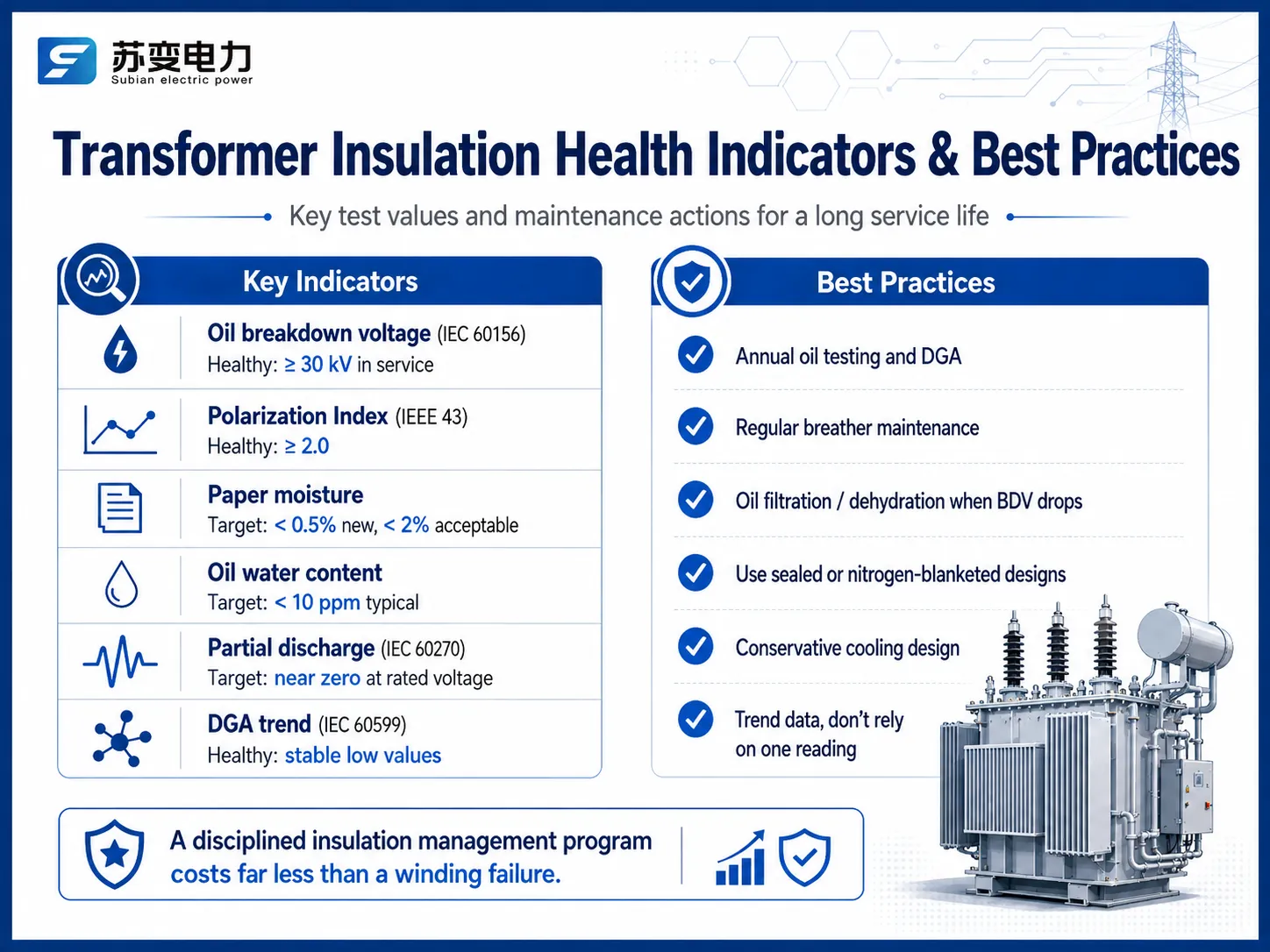
Tabella di Riepilogo dei 7 Test
| # | Test | Cosa Verifica | Accettazione Tipica |
|---|---|---|---|
| 1 | Resistenza degli avvolgimenti | Collegamenti, integrità del conduttore | Bilanciamento di fase all'interno di 2% |
| 2 | Rapporto di tensione e gruppo vettoriale | Rapporto di avvolgimenti, connessione degli avvolgimenti | ±0.5% su tutti i punti di prelievo |
| 3 | Perdita e corrente a vuoto | Qualità del circuito magnetico | All'interno della scheda dati +15% |
| 4 | Perdita di carico e impedenza | Perdite negli avvolgimenti, impedenza | Perdite da carico in tolleranza; impedenza ±10% |
| 5 | Tensione indotta e PD | Isolamento inter-avvolgimenti, vuoti | PD < 10 pC a 1.1 × Ur |
| 6 | Resistenza AC a sorgente separata | Isolamento a terra | Nessun guasto |
| 7 | Livello sonoro | Conformità al rumore | All'interno del dB(A) concordato |
Oltre ai test di routine: test di tipo e speciali
I test di routine garantiscono la sicurezza di tutte le unità mentre i test di tipo verificano il design. Secondo la IEC 60076-11, i test di tipo sono il test di impulso di fulmine (IEC 60076-4), il test di aumento della temperatura (IEC 60076-2) e il test di resistenza al cortocircuito per alcune classifiche. I test speciali (resistenza di isolamento, misurazione dielettrica, FRA, o limite di sensibilità per scariche parziali più elevate) sono concordati tra acquirente e venditore. In caso di progetti critici, richiedere il certificato di test di tipo per la famiglia di classifiche esatta e il test di routine assistito per la vostra unità.
| Test | Categoria | Standard | Cosa Prova |
|---|---|---|---|
| Impulso di fulmine | Tipo | IEC 60076-4 | L'avvolgimento resiste agli impulsi di fulmine |
| Aumento di temperatura | Tipo | IEC 60076-2 / -11 | Le perdite e il raffreddamento soddisfano la classe di isolamento |
| Resistenza al cortocircuito | Tipo (concordato) | IEC 60076-5 | Resistenza meccanica sotto corrente di guasto |
| Risposta in frequenza (FRA) | Speciale | IEC 60076-18 | Rilevamento dello spostamento dell'avvolgimento di base |
| Scarica parziale (limite più stretto) | Speciale | IEC 60076-11 | Rilevamento di vuoti ancora più rigoroso (ad es., 5 pC) |
Come verificare un rapporto di test
Validare che il numero di serie nel rapporto corrisponda alla targhetta del trasformatore.
Assicurarsi di accertare se la data del rapporto è antecedente alla consegna o se il rapporto è generico.
Assicurarsi che i valori rientrino nelle tolleranze sopra menzionate specificando in particolare la perdita a vuoto e i livelli di PD.
Richiedere il rapporto di test di tipo simile nella famiglia di classifiche come documento di supporto.
È possibile organizzare un test assistito da un'agenzia terza (SGS, TÜV, Bureau Veritas) per il primo ordine.
Conservare il rapporto come parte della documentazione di manutenzione dell'unità; questo sarà utilizzato come base per la messa in servizio.
Domande frequenti
Quali sono i 7 test di routine per i trasformatori a secco?
Secondo la IEC 60076-11: (1) resistenza dell'avvolgimento, (2) rapporto di tensione e gruppo vettoriale, (3) perdita a vuoto e corrente a vuoto, (4) perdita a carico e impedenza, (5) resistenza alla tensione indotta con misurazione delle scariche parziali, (6) resistenza AC a sorgente separata, e (7) livello sonoro. Tutti e sette vengono eseguiti su ogni unità prima della spedizione.
Qual è il livello di scarica parziale accettabile per i trasformatori in resina colata?
Sotto 10 pC a 1.1 × tensione nominale è l'accettazione standard secondo la IEC 60076-11; specifiche più rigorose richiedono 5 pC. Valori più elevati indicano vuoti o contaminazione nella resina che eroderanno l'isolamento sotto tensione operativa — rifiutare qualsiasi unità che non possa soddisfare il limite.
Devo pagare un extra per i test di routine?
No. I test di routine fanno parte del prezzo standard di fabbrica e devono essere inclusi in ogni preventivo. Se un fornitore addebita un extra per il rapporto di test di routine, o non può produrne uno, considerare ciò come un segnale di avvertimento serio. I test di tipo, quando richiesti, sono generalmente coperti dal certificato di design piuttosto che fatturati per unità.
Quanto tempo richiede il test di routine?
Per un tipico trasformatore a secco da 100–2.500 kVA, i sette test di routine richiedono circa un giorno lavorativo (6–8 ore) una volta che l'unità è pronta. Questo è il motivo per cui i tempi di spedizione di 25–45 giorni per classifiche standard sono realistici da fabbriche con banchi di prova dedicati.
Qual è la differenza tra test di routine, test di tipo e test speciali?
I test di routine vengono eseguiti su ogni unità per verificare la qualità di fabbricazione. I test di tipo (impulso di fulmine, aumento di temperatura, cortocircuito) vengono eseguiti una volta per progetto per dimostrare che il design soddisfa lo standard. I test speciali sono concordati per progetto — come le impronte FRA, limiti PD più rigorosi o test assistiti. Gli acquirenti dovrebbero sempre ottenere i test di routine e dovrebbero verificare il certificato di test di tipo del design.
Riferimenti
- IEC 60076-11: Trasformatori di Potenza Dry-Type — Lo standard internazionale che definisce i sette test di routine e i loro metodi.
- IEC 60076-1: Trasformatori di Potenza — Generale — Standard di base che copre le tolleranze di perdita e i requisiti generali di test.
- IEEE — Editore degli standard di test e manutenzione dei trasformatori IEEE C57.
- NEMA — Organismo di standardizzazione nordamericano per le prestazioni e le pratiche di test dei trasformatori.
- Soluzioni UL — Organismo di certificazione della sicurezza i cui elenchi di trasformatori richiedono spesso test di routine documentati.
- Jiangsu Subian Electric Power Co., Ltd. — Produttore che spedisce trasformatori di tipo secco con rapporti di test di routine per unità secondo IEC 60076-11.
Conclusione
I sette test di routine di IEC 60076-11 sono la linea di sicurezza tra la promessa di una fabbrica e la realtà di un trasformatore consegnato. La resistenza dell'avvolgimento e il rapporto verificano il circuito elettrico; la perdita a vuoto e la perdita a carico verificano l'efficienza per cui pagherai per decenni; i test di tensione indotta, PD e di resistenza AC verificano l'isolamento che mantiene in vita l'unità; e il livello sonoro verifica l'impatto sulla comunità. Insieme forniscono all'acquirente le prove necessarie per accettare un'unità — e non costano nulla in più quando il fornitore è onesto. Prima di effettuare un ordine, conferma che il rapporto di test di routine sia incluso e corrisponda al numero di serie della tua unità. I fornitori che considerano i test come parte del prodotto, come Jiangsu Subian Energia Elettrica, sono quelli che mantengono la messa in servizio rapida e i guasti rari.