

33kV Voltage Transformer Manufacturers & Suppliers – Metering & Protection VT Factory
Subian Electric manufactures instrument transformers alongside our power transformer range at a 50,000-square-metre factory in Xuzhou, Jiangsu, China. The 33kV voltage transformer (VT), also called a potential transformer (PT), is produced for metering and protection duty on 33kV networks, in outdoor oil-immersed and indoor cast-resin forms.
Winding, insulation and accuracy testing are done in-house, and each unit leaves with an individual error test report – the evidence buyers need to confirm metering accuracy before installation.
Tell us the system voltage, the ratio and burden you need, and whether the duty is metering or protection. We will specify the unit, confirm the drawing and quote factory pricing.

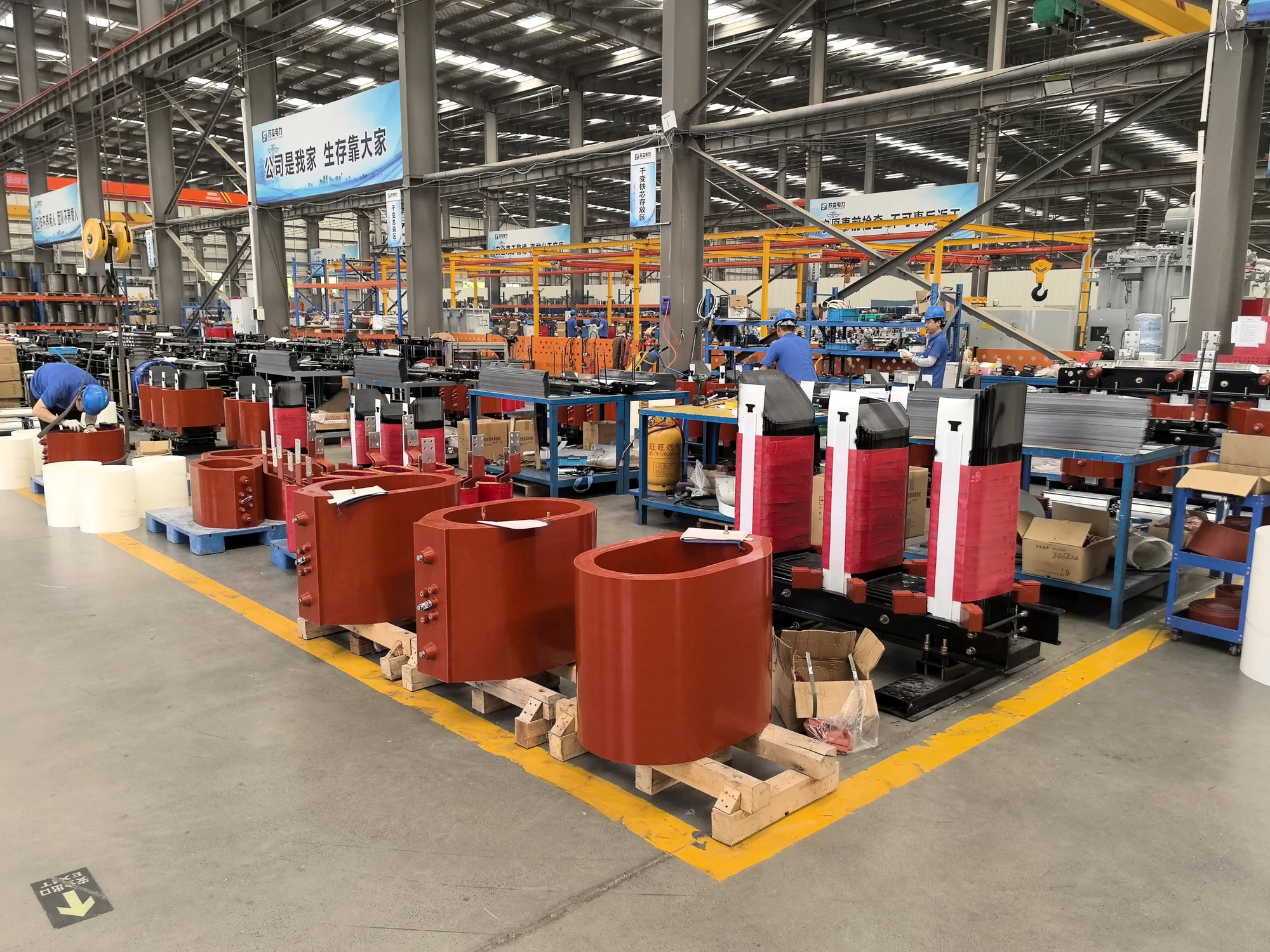
Since 2019 · 50,000m² · 350+ Staff
Instrument Transformers We Manufacture
Voltage transformers and current transformers for medium-voltage systems – oil-immersed outdoor types and cast-resin indoor types – from 11kV class up to 36kV (33kV system) class.
-
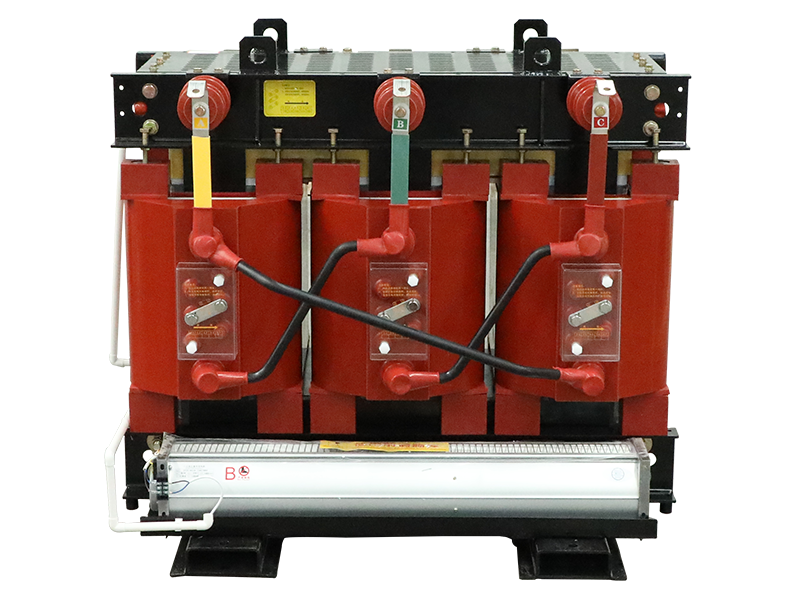
10kV Dry-Type Transformer-SCBH series Amorphous Alloy
-
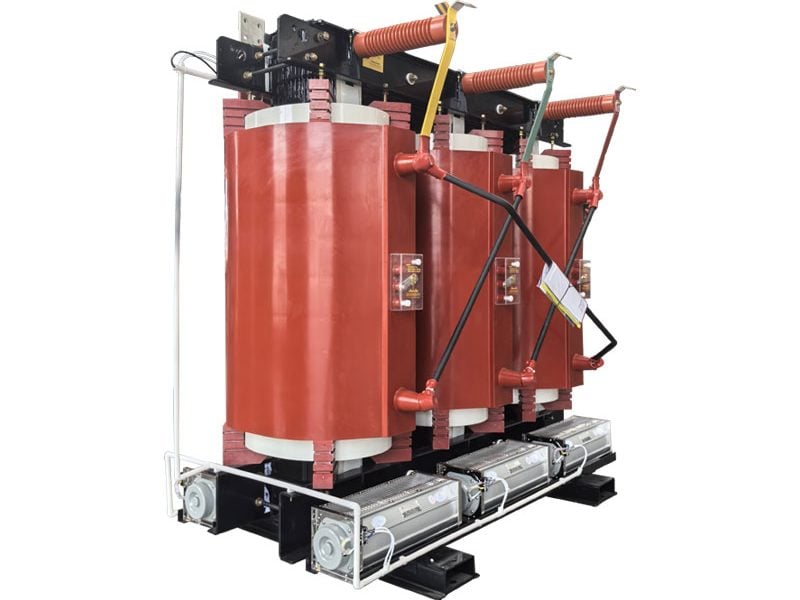
20-35KV Dry-Type Transformer
-
20-35KV SCB Series Epoxy Resin Dry-Type Transformer
-
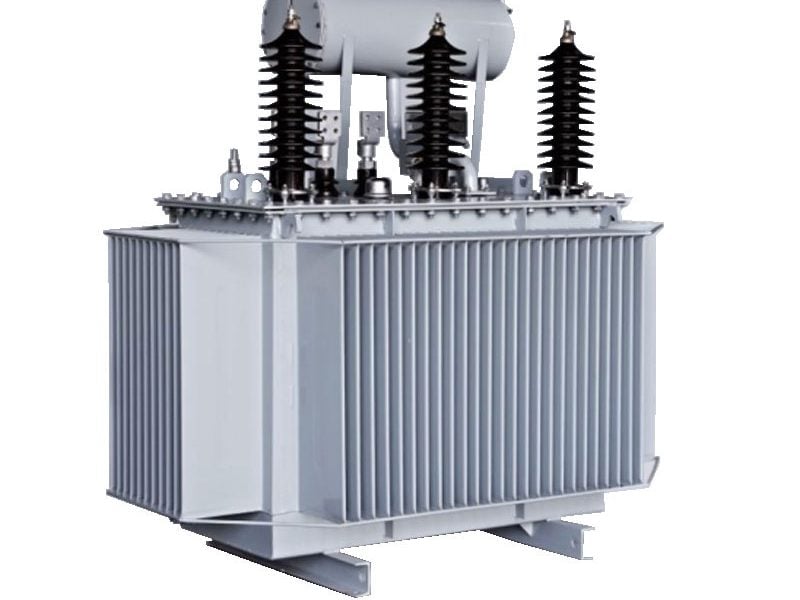
20KV Oil-immersed Distribution Transformer
-
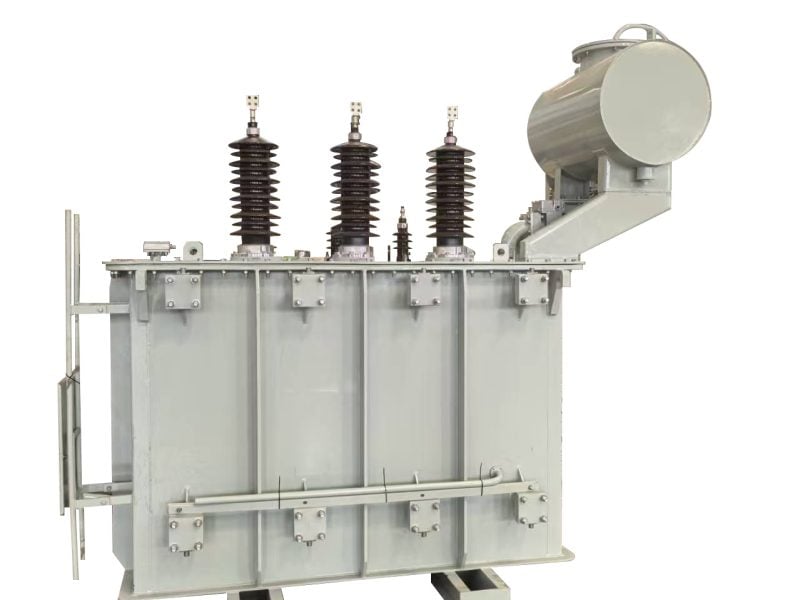
35KV Oil-immersed Power Transformer
-
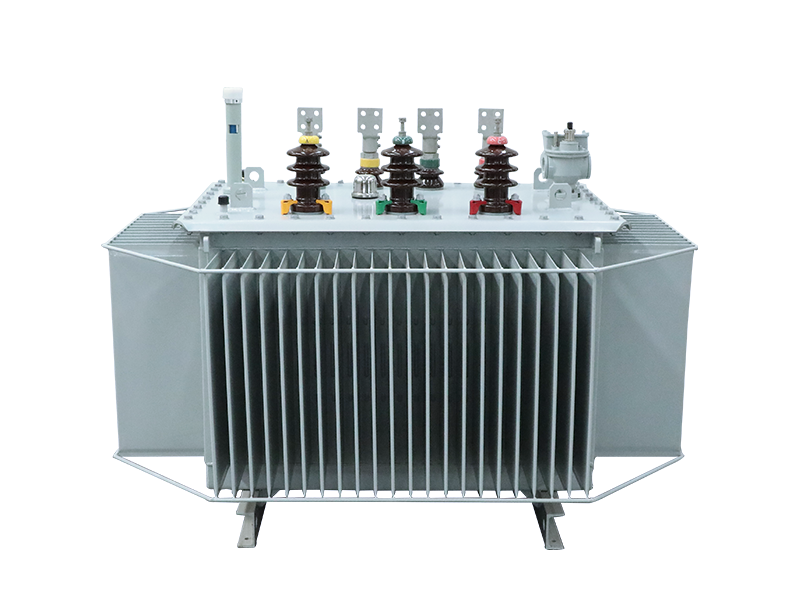
6-10KV Oil-Immersed Power Distribution Transformer
-
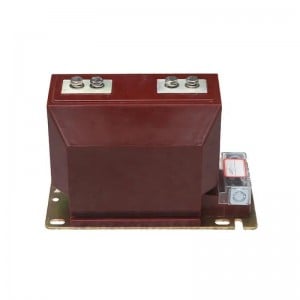
Current Transformer –10KV Indoor High Voltage
-
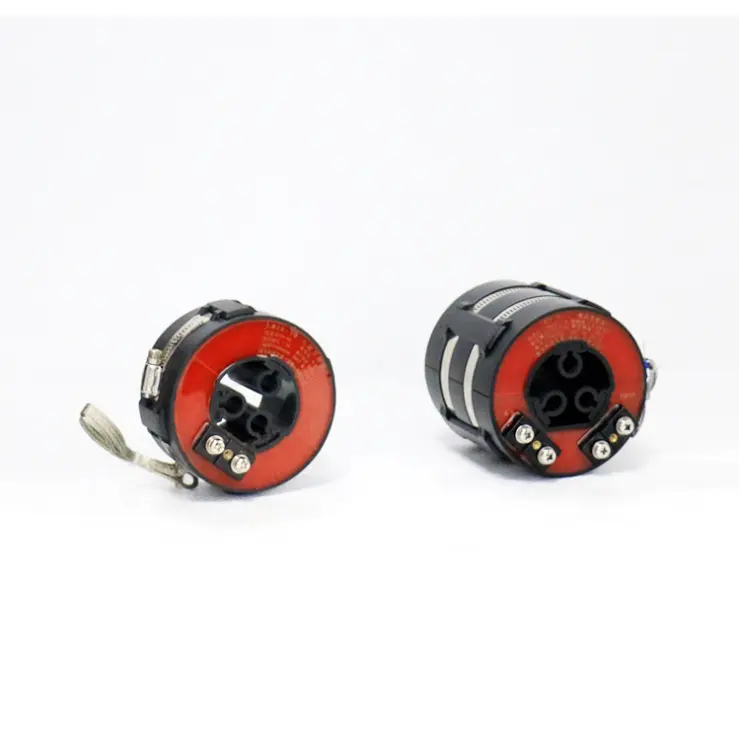
Current Transformer–LMZK Wound Current Transformer300/5a
-
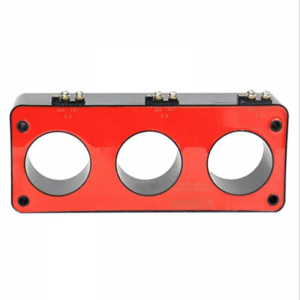
Current Transformer–LSY-10 transformer Integrated CT
-
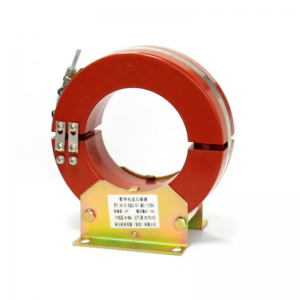
current transformer–LXK high voltage zero sequence
-
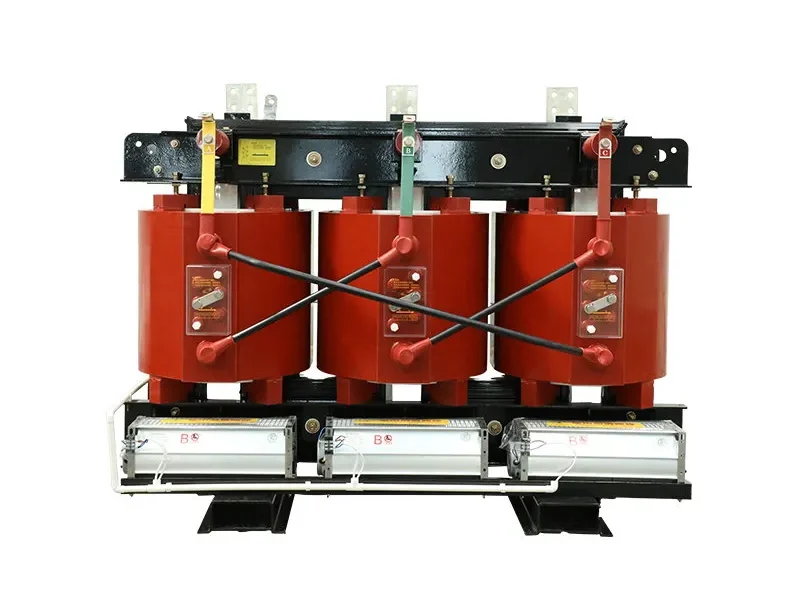
dry type distribution transformer-6-10 KV SCB series epoxy resin cast
-
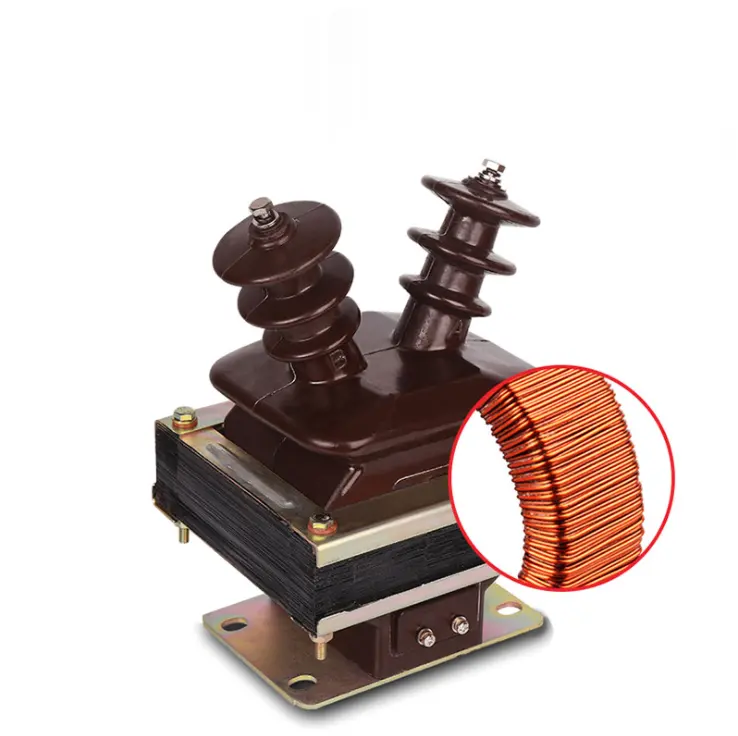
Electrical Transformers–JDZ – 10 Power Voltage
What Is a 33kV Voltage Transformer?
A 33kV voltage transformer converts the 33kV primary voltage into a standard low secondary voltage – normally 110V, 110/√3 V or 100V – that meters, relays and controllers can use directly. It reproduces the primary voltage accurately while isolating the instruments from the 33kV circuit, which is what makes revenue metering and sensitive protection possible.
Selecting the right accuracy class matters: a class 0.2 or 0.5 unit keeps the measurement tight enough for billing, while protection duty uses class 3P with a wider but still defined tolerance. Ratio, burden and accuracy are therefore engineering decisions, not catalogue choices.
- 33,000/√3 V primary – with 110/√3 V, 110V and 100V secondary options.
- 0.2 / 0.5 / 3P accuracy – metering-grade and protection-grade units.
- Oil or cast-resin – outdoor porcelain or indoor epoxy insulation.
- Individually error-tested – each unit ships with its own test report.
- IEC 61869-3 design – with GB/T 20840.3 equivalents available.
- OEM / wholesale – custom ratios, terminal arrangements and branding.
Construction Types
The installation environment decides the construction of the 33kV VT:
Outdoor oil-immersed
a porcelain or composite-insulated column unit for outdoor 33kV bays, robust against rain, pollution and UV.
Indoor cast-resin
a compact epoxy-cast unit for metal-enclosed switchgear and indoor panels.
Phase-to-earth and phase-to-phase
single-pole units for 33kV/√3 duty, or units whose primary sees the full phase-to-phase voltage.
33kV Voltage Transformer Technical Data
| Parameter | Specification |
|---|---|
| Rated primary voltage | 33,000/√3 V (or 33,000 V phase-to-phase) |
| Secondary voltage | 110/√3 V · 110 V · 100 V |
| Accuracy classes | 0.2 / 0.5 / 1 / 3P |
| Rated burden | 15 – 150 VA |
| Frequency | 50 / 60 Hz |
| Insulation | oil-immersed (outdoor) / cast-resin (indoor) |
| Standard | IEC 61869-3 / GB/T 20840.3 |
Ratios Explained: 33,000/√3 V to 110/√3 V – and Why Output Is 110V or 100V
The symbol √3 reflects how the unit is connected. On a 33kV three-phase system the phase-to-earth voltage is 33,000/1.732, about 19.05kV. A VT marked 33,000/√3 V : 110/√3 V is connected phase-to-earth, and its secondary delivers about 63.5V – the phase-to-neutral value used by relays and meters on a 110V secondary system.
The two common secondary families are 110V-based (widely used in IEC markets and much of Asia) and 100V-based (used in many national utilities), both available with the corresponding √3 ratios. When a buyer searches for a 33kV voltage transformer with 110V output, they are describing the standard 110/√3 V secondary connection described above.
Tell us whether the secondary system in your project is 110V or 100V based – the ratio and the meter constants follow from that single answer.
How to Use and Connect a 33kV Voltage Transformer
Installation follows a simple but strict discipline. The primary is connected across the phase and earth (or between two phases for a line-to-line type) through the appropriate fuse or protective device. The secondary then feeds the meter or relay terminals, and the secondary winding is earthed at one point only.
Two rules protect people and equipment: the secondary must never be short-circuited while the unit is energised, and the secondary earth must not be removed during operation. Before energising, check the ratio, polarity and burden against the drawing – most field problems trace back to one of these three.
For outdoor units, allow the specified creepage distance and terminal clearances; for indoor cast-resin units, follow the mounting and clearance dimensions in the outline drawing so the panel layout keeps the required safety distance.
Indoor or Outdoor? And What Drives the Price
Choose the construction from the installation point: an open-air 33kV yard needs the outdoor oil-immersed type with weather-proof insulation and adequate creepage; a building or metal-enclosed switchgear needs the compact cast-resin type. Choosing the outdoor type for an indoor panel adds cost and size for no benefit, and the reverse choice risks the insulation outdoors.
Price is driven by four factors: the insulation and creepage specification, the accuracy class (0.2 costs more than 0.5), the burden and ratio flexibility, and the certification and documentation required by the buyer’s utility or project. A written quotation with your exact ratio and burden lets us price the unit you actually need rather than a general catalogue type.
Winding, Insulation and Accuracy Testing In-House
Instrument transformer coils are wound and insulated in the same controlled environment as our power transformers, then individually accuracy-tested before dispatch.
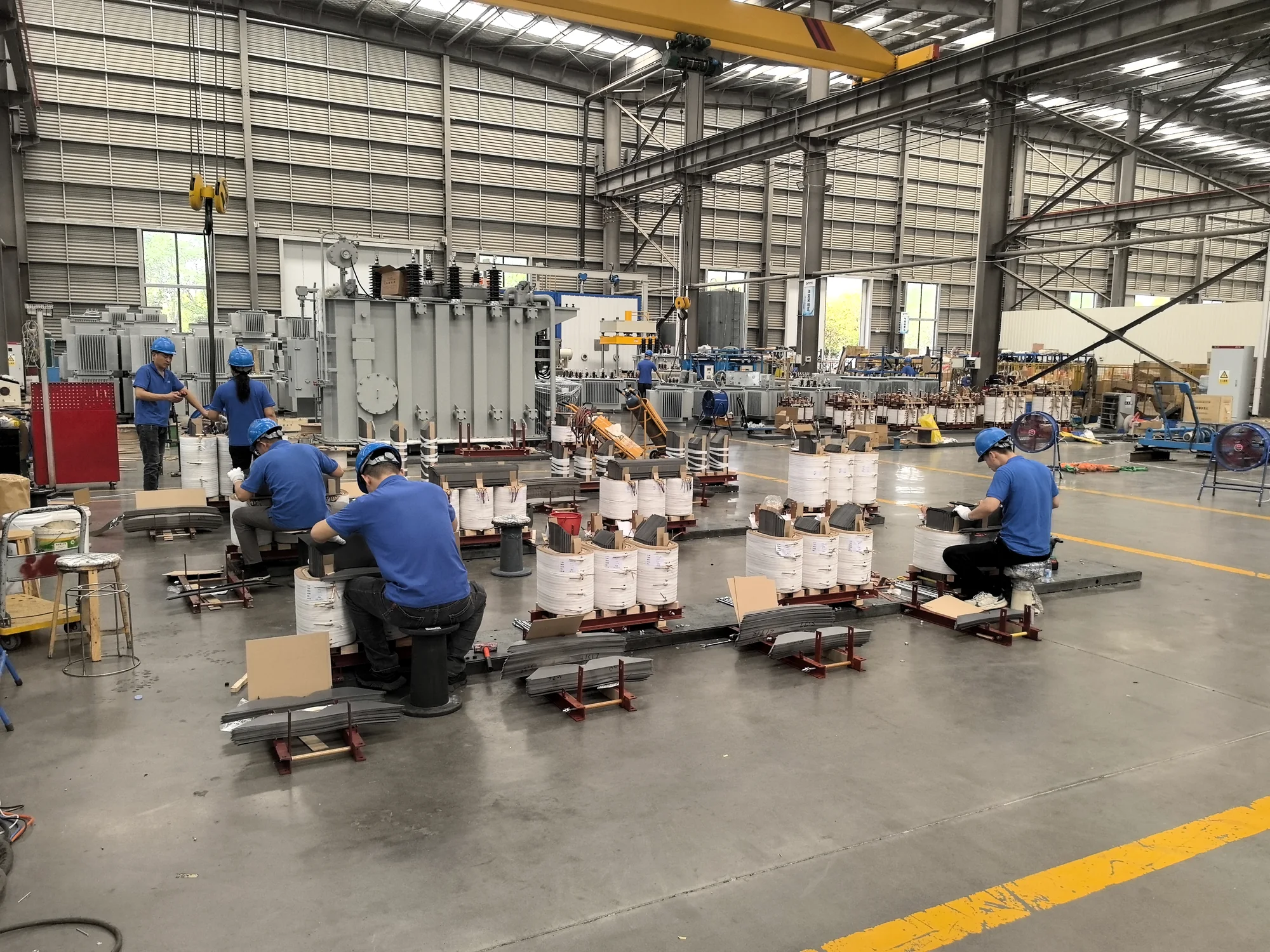
Winding & Insulation
Precise turns and layer insulation are controlled so the ratio error stays within its class band.
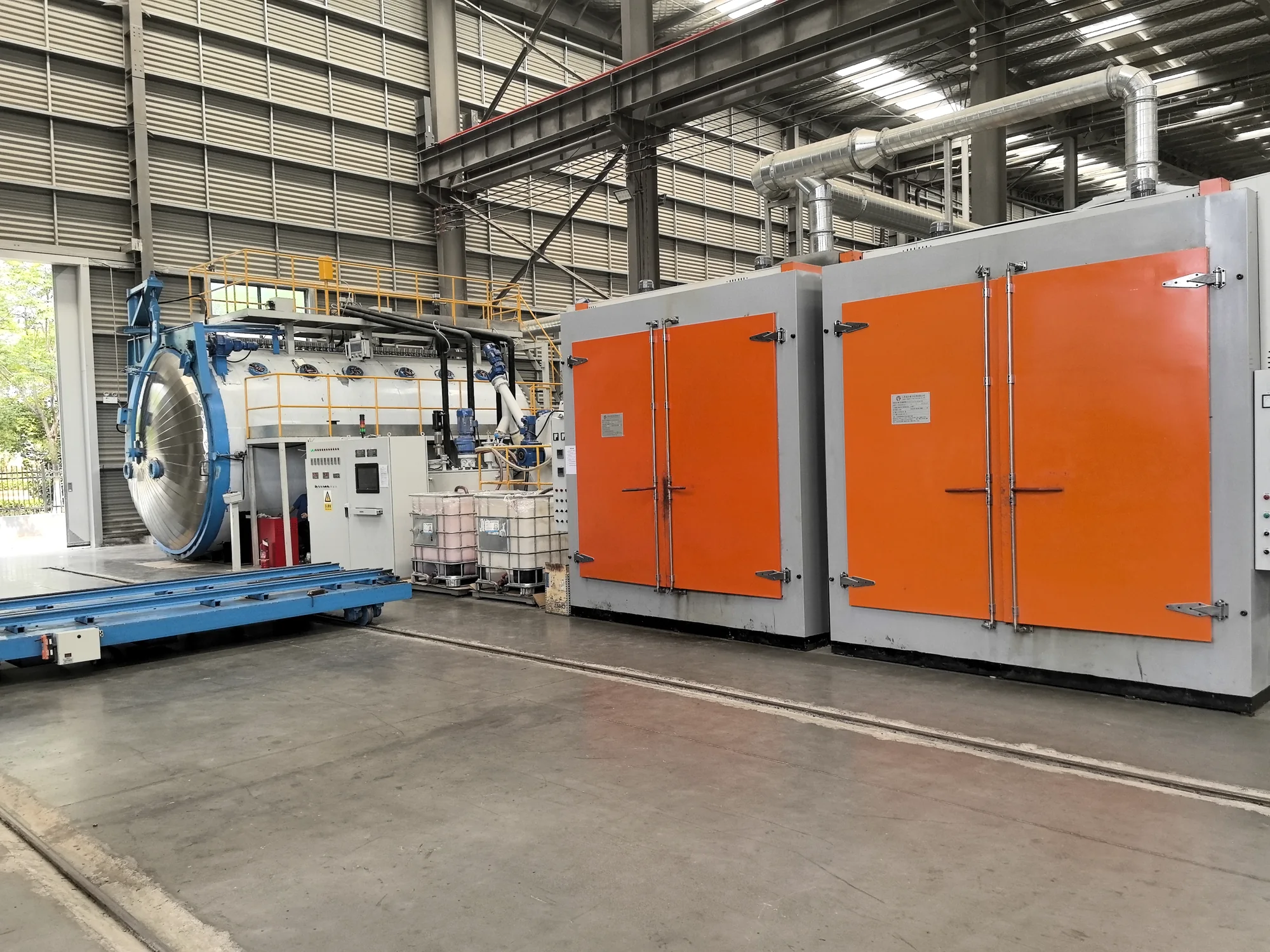
Drying & Encapsulation
Oil units are vacuum dried and filled; cast-resin units are encapsulated under controlled pressure and temperature.
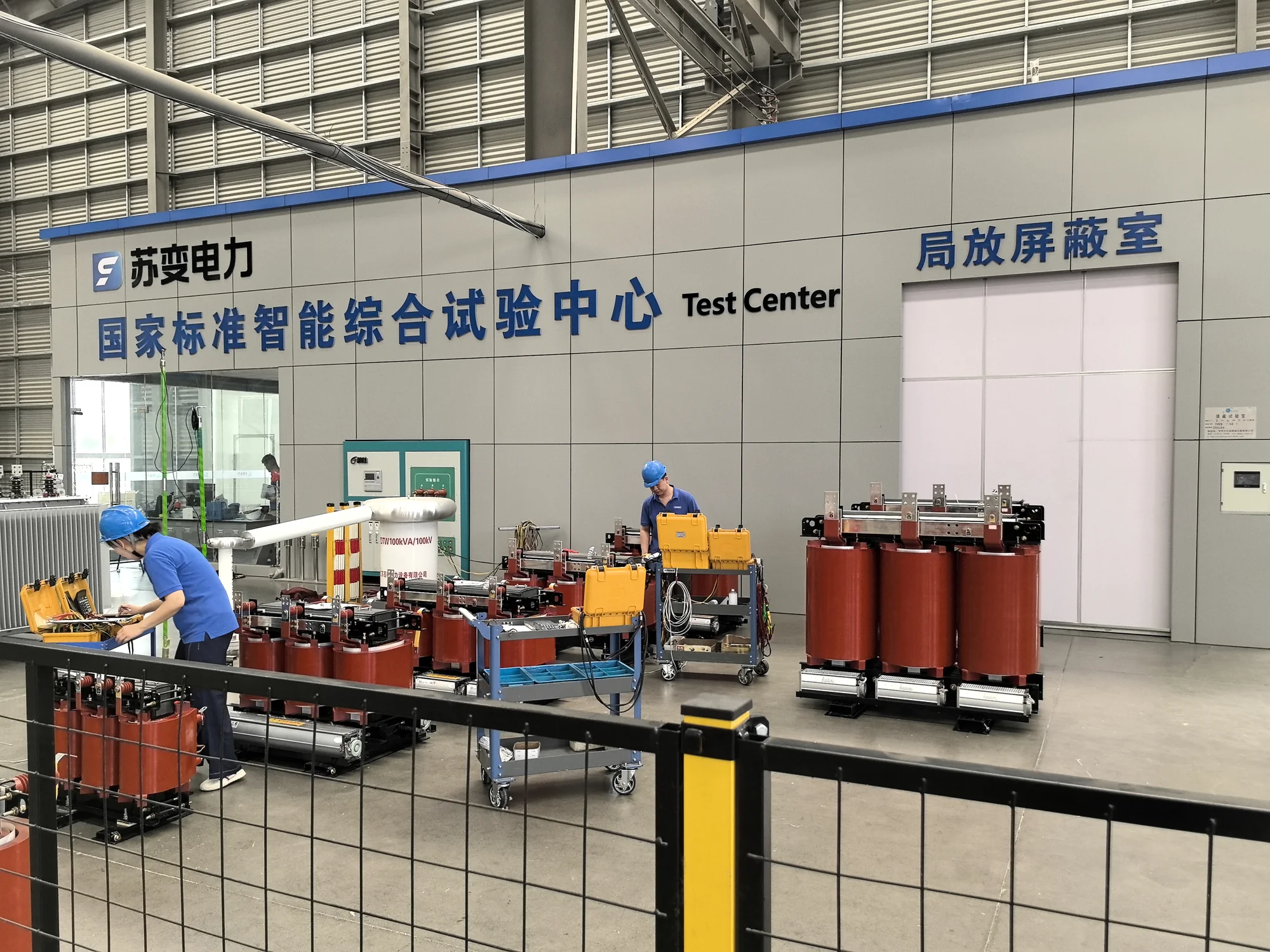
Accuracy Testing
Ratio error and phase displacement are measured at the specified burdens on every unit.
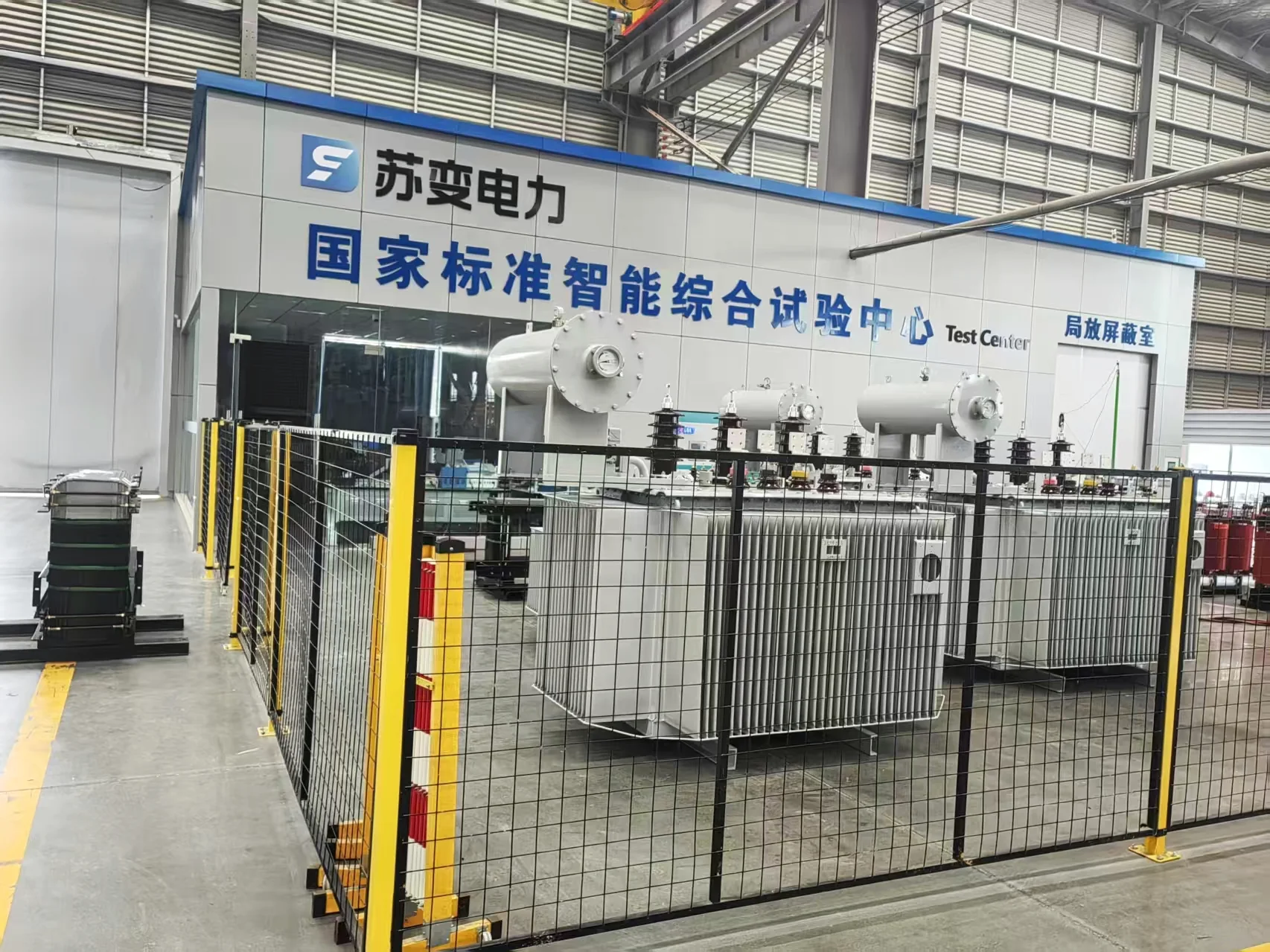
Dielectric Testing
Power-frequency and partial-discharge checks verify the insulation system before shipment.
33kV Voltage Transformer Price & Quotation
Request a written factory quotation with your ratio, burden and accuracy class. Cost is driven by the insulation level, the accuracy, the materials and the certification required – our engineers will confirm the economical option that meets your specification.
OEM / ODM & Wholesale VT Supply
Switchgear manufacturers and distributors integrate our VTs into their products and projects, with private-label and documentation support.
Custom ratios, secondary terminals and branding for panel builders.
Factory direct · Test docs · Export support
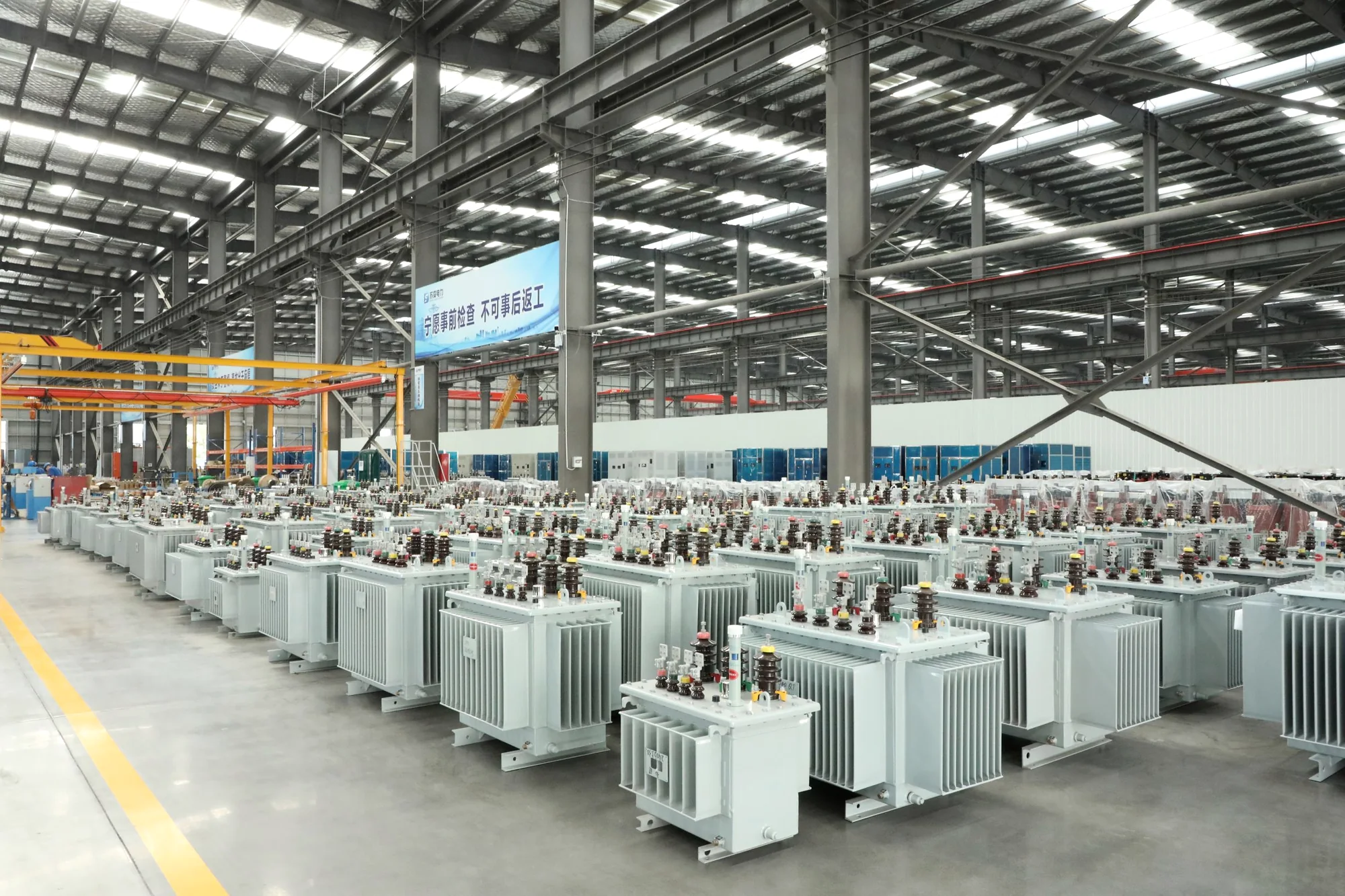
Wholesale Supply
Volume Pricing
Programme pricing for distributors and switchgear manufacturers.
Factory direct · Test docs · Export support
Distributor Support
Channel Partners
Technical data, drawings and test evidence for channel partners.
Factory direct · Test docs · Export support
Voltage Transformer vs Power Transformer
The two share the same induction principle but serve different ends. A power transformer moves energy at high throughput – its ratio is important but its losses and cooling dominate the design. A voltage transformer handles almost no power; it is engineered for accurate voltage scaling, small burden output and precise phase behaviour, with accuracy tested rather than assumed.
A buyer searching for a 33kV transformer for distribution should be comparing power transformers, while a metering or protection project needs the instrument transformer described on this page. Both are available from our factory, and the engineering team will confirm which product your single-line diagram requires.
Choosing a 33kV Voltage Transformer Supplier
Ask the supplier for the accuracy test report at your burden – a real measurement, not a promise. Then compare the insulation level and creepage distance for outdoor units, the partial-discharge performance of cast-resin types, and the range of ratios and burdens available without long tooling lead times.
Manufacturing control matters because accuracy depends on the winding and the core. Subian winds instrument transformer coils in-house, tests every unit individually, and manufactures under ISO9001, ISO14001, ISO45001, CE and UL certified systems, with documentation issued for utility and switchgear approvals.
Finally, confirm the supplier can integrate with your scheme – secondary wiring conventions, protection relay input requirements and terminal arrangements are details that save time when they are settled before ordering.
Certifications & Quality Assurance
Our instrument transformer production runs under ISO9001, ISO14001 and ISO45001 systems with CE and UL certification, supported by the same test laboratory and documentation discipline as our power transformer range.
Product Certifications
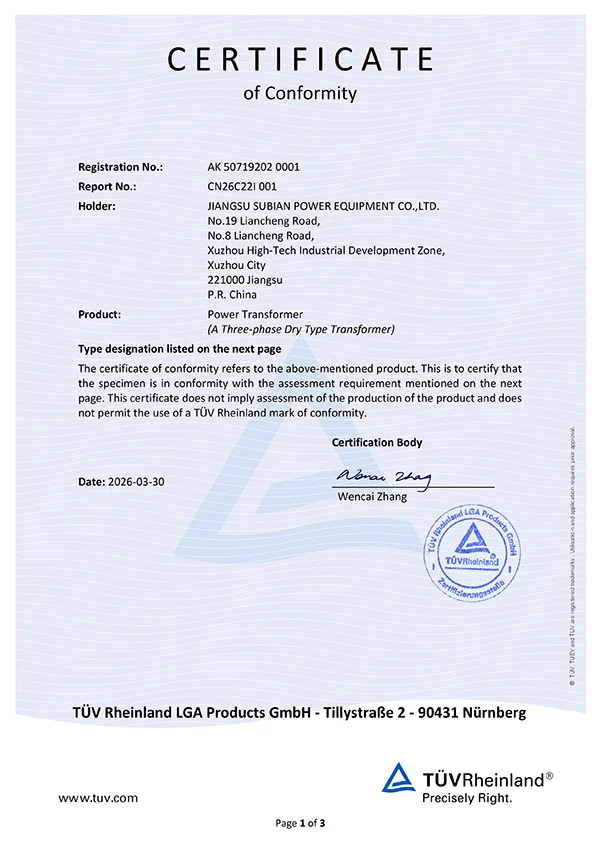 10 kV Dry-Type Transformer Certificate
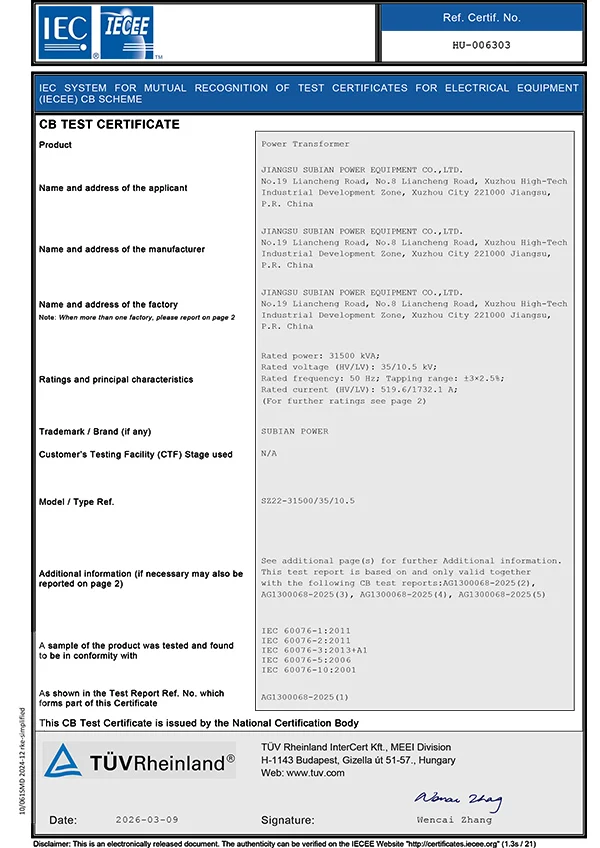 35 kV Transformer CB Certificate
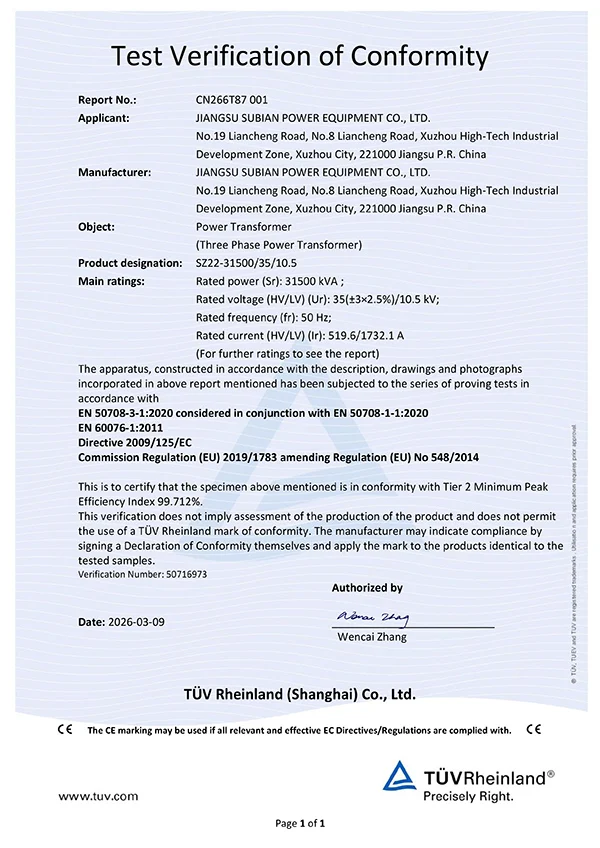 35 kV Transformer CE Verification
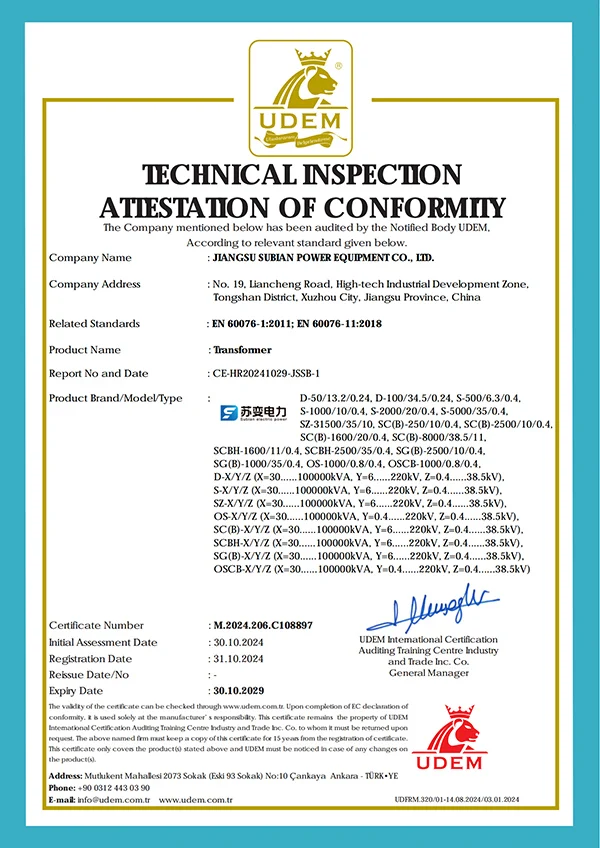 Transformer CE Certificate
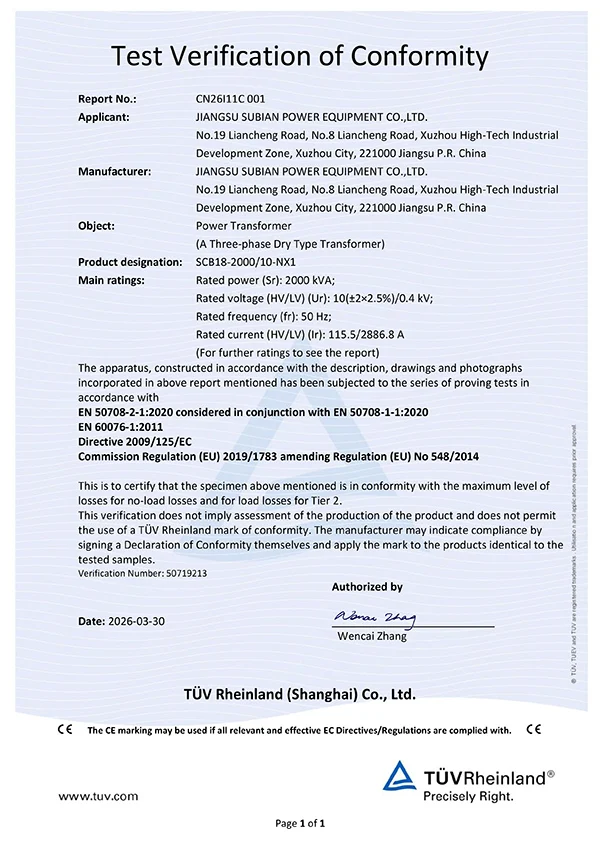 Dry-Type Transformer Test Verification
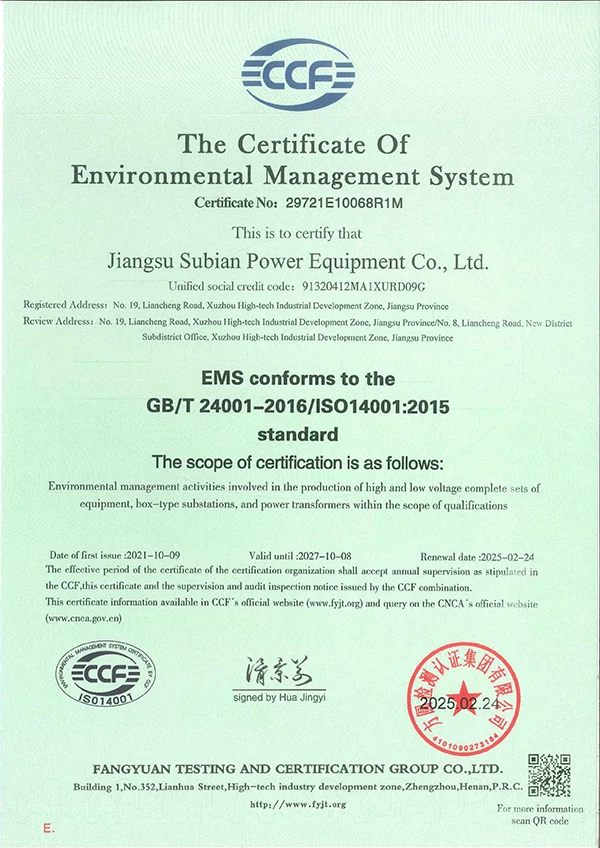 ISO 14001 Environmental Management
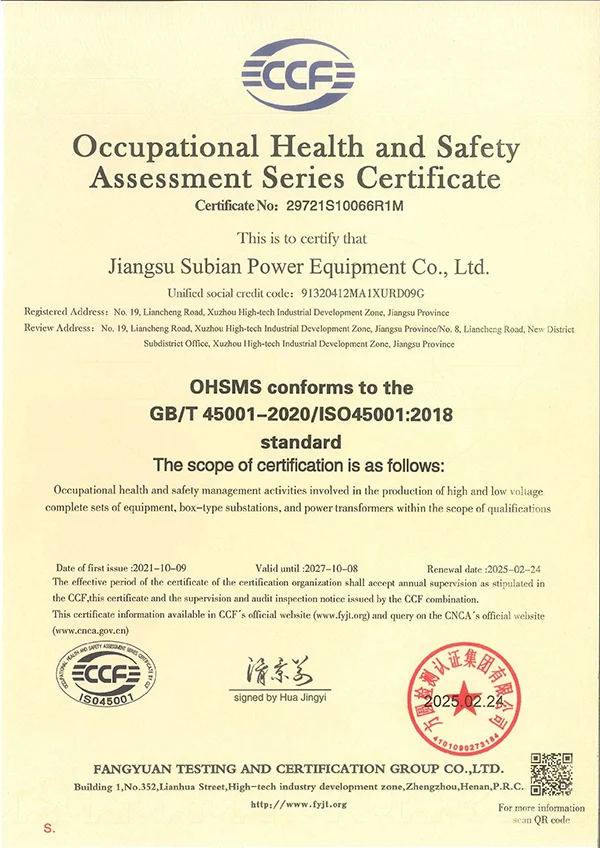 ISO 45001 Health & Safety
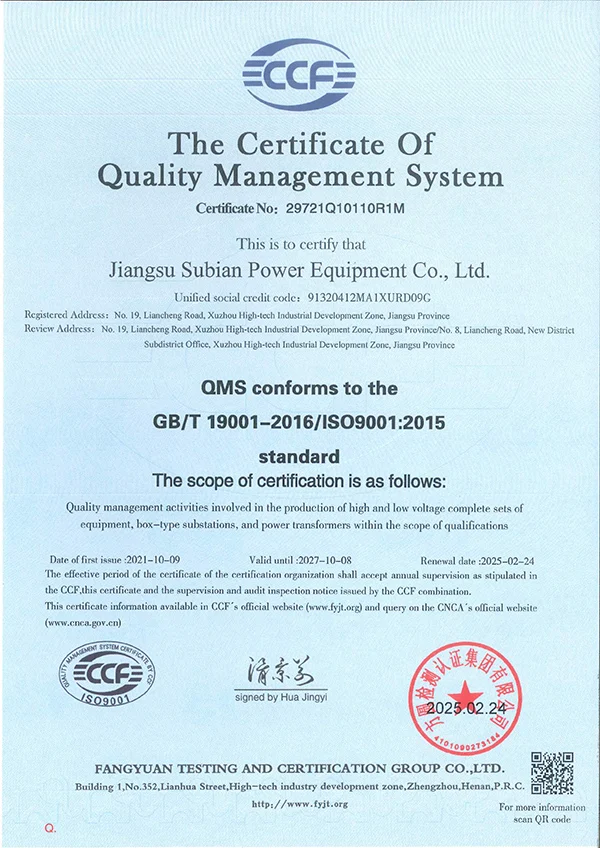 ISO 9001 Quality Management
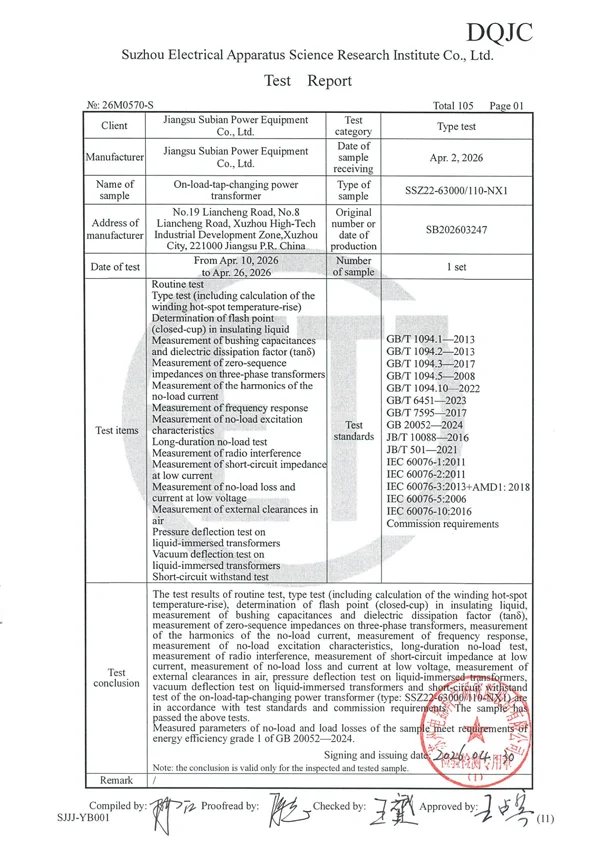 110 kV Transformer Type Test Report
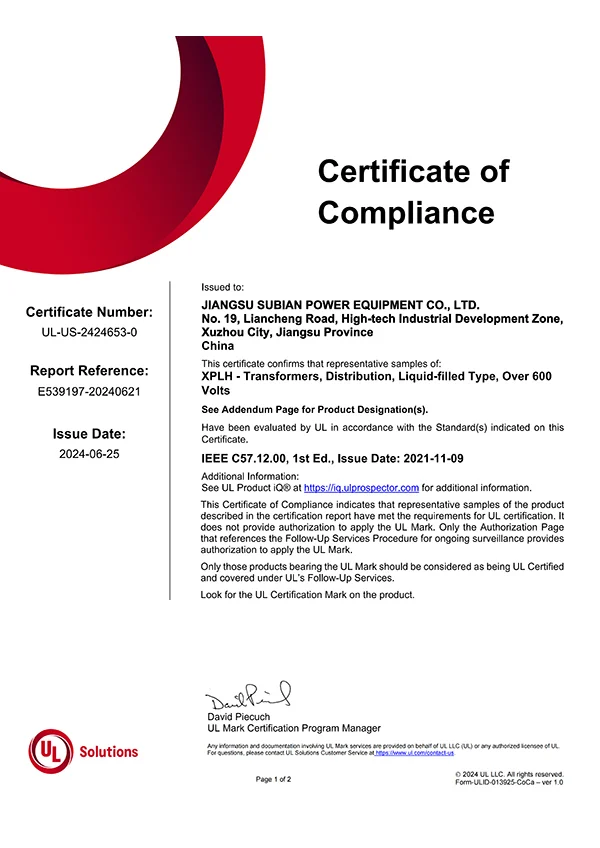 UL Certificate of Compliance
33kV Voltage Transformer Manufacturers & Suppliers FAQ
Frequently asked questions about the 33kV voltage transformer, its ratio and its place in the network.
What is a 33kV transformer?
Is 33 kV high-voltage?
What is the difference between 33kV and 11kV?
What is the BDV value of a 33kV transformer?
What accuracy class should I order for metering and protection?
How is the secondary of a 33kV VT earthed and protected?
Contact Subian
Need the Right Specification?
Tell us your target market, product type, quantity and technical requirements. Our team will help you identify a suitable configuration for your project.