


مشغل منشأة شمسية بقدرة 100 ميغاوات في جنوب إسبانيا يتنافس ضد الجدول الزمني الذي يمتد لشهرين. تم تركيب الألواح على الأرض، واجتازت المحولات اختبار المصنع، وتم توقيع عقد الاستحواذ - ومع ذلك، لا يزال نقطة الاتصال شاغرة. يتطلب بناء محطة تحويل عادية ما لا يقل عن عشرة أسابيع من الأعمال المدنية. ومع ذلك، تم تسليم محطة تحويل جديدة للطاقة الكهروضوئية (PV)، وهي محطة تحويل متوسطة / منخفضة الجهد مصنوعة خصيصًا لمحطات الطاقة الشمسية، في شحنة واحدة، وتم تجميعها على أساس خرساني خلال ثلاثة أيام، وبدأت العمل في أسبوع التشغيل. يمكن العثور على حالات مشابهة في زوايا مختلفة من العالم حيث تتوسع القدرة الشمسية.
تناقش هذه المقالة ما هي محطة تحويل جديدة للطاقة الكهروضوئية (PV)، كيف تختلف عن محطة تحويل توزيع تقليدية، مما تتكون، كم تكلفتها، وكيف يصف المطورون ومقاولو EPC مثل هذه المحطة ويطلبونها. تغطي التقييمات التي تتراوح من 630 كيلو فولت أمبير إلى 4 ميغا فولت أمبير، وتشير إلى IEC 62271-202، IEC 60076، IEEE 1547، وتقدم أمثلة على التكاليف الحقيقية المتاحة في سوق التصدير الحالي.
تشير محطة تحويل جديدة للطاقة الكهروضوئية (PV) إلى محطة تحويل متوسطة / منخفضة الجهد مسبقة التجميع تربط محطة الطاقة الشمسية بالشبكة. يتضمن التجميع محول رفع، والذي عادة ما يكون مصنفًا بين 630 كيلو فولت أمبير و 4,000 كيلو فولت أمبير، مجموعة من معدات التحويل المتوسطة والمنخفضة الجهد، الحمايات من التيار المتردد والتيار المستمر، الأسلاك التي تربط المحول، ومعدات القياس المغلقة وفقًا لخزانة خارجية وفقًا لـ IEC 62271-202. كما يسهل رفع جهد خرج المحول من 400-800 فولت إلى مستوى الشبكة البالغ 10-35 كيلو فولت بالإضافة إلى الحماية من الشبكة وقياس الإيرادات.
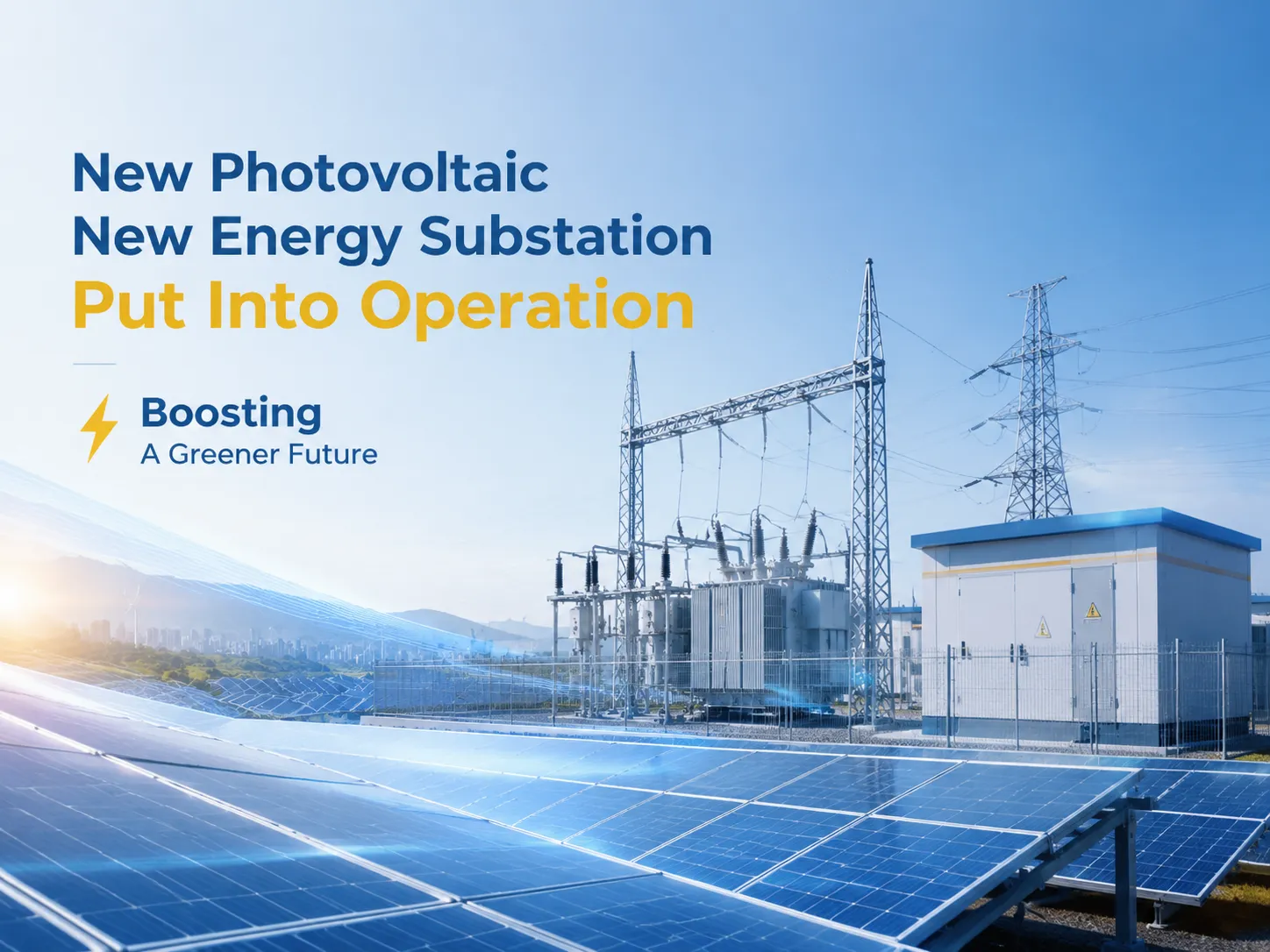
ما هي محطة تحويل جديدة للطاقة الكهروضوئية؟
تعتبر محطة الطاقة الجديدة المعتمدة على الطاقة الشمسية مركزًا مبتكرًا لتوليد الطاقة، تم إنشاؤه وتصنيعه خصيصًا لتلك النقطة التي تتصل فيها محطات الطاقة الشمسية بشبكة الطاقة. أحيانًا يمكن الإشارة إليها كمحطة تحويل شمسية، محطة تحويل عاكس، أو محطة تحويل جديدة للطاقة.
تتمتع مثل هذه المحطات بتصميم مبتكر من حيث قدرتها على تلبية المتطلبات المحددة لتوليد الطاقة الشمسية. على وجه الخصوص، فهي قادرة على التعامل مع تقلبات خرج الطاقة من المنشآت الشمسية، التغير الديناميكي السريع في السعة، التوافقيات الناتجة عن المحولات، والامتثال لمتطلبات رموز الشبكة بشأن إدارة الجهد، والطاقة التفاعلية، وعملية العزل.
عادةً ما تعمل محطة تحويل جديدة للطاقة الكهروضوئية عند خط الفصل بين نظام المحول ومرافق الشبكة الكهربائية. في قسم الجهد المنخفض، تتصل محطة تحويل جديدة للطاقة الكهروضوئية بمحطة واحدة أو عدة محطات عاكس مركزية أو سلسلة (مع جهد حافلة التيار المستمر في نطاق 800-1500 فولت وجهد خرج التيار المتردد من 400-690 فولت). فيما يتعلق بقسم الجهد المتوسط، تتصل بشبكة التجميع (عند جهد 10، 20، 22، أو 35 كيلو فولت)، داعمةً محطة التحويل عالية الجهد upstream المسؤولة عن زيادة الجهد إلى مستوى خط النقل البالغ 110-220 كيلو فولت.
دور المحطة الفرعية في محطة الطاقة الشمسية
لا يمكن إرسال الكهرباء المولدة في منشأة الطاقة الشمسية على نطاق المرافق إلى الشبكة ما لم تؤدي المحطة الفرعية المتصلة الوظائف الأربعة الحيوية المذكورة أدناه:
- تحويل الجهد: زيادة التيار الكهربائي من جهد تشغيل العاكس بين 400 و 800 فولت إلى الجهد المتوسط (10-35 كيلوفولت) مما يقلل من خسائر المقاومة على طول التركيب بأكمله.
- حماية الشبكة: مراقبة الجهد الزائد والجهد المنخفض، والتردد الزائد والتردد المنخفض، بالإضافة إلى التوقف غير المقصود عن التوليد من أجل فصل المحطة في الوقت المحدد وفقًا للمعايير التنظيمية (عادةً من 0.2 إلى 2 ثانية).
- الفوترة: حساب الطاقة المنتجة من المحطة والمقدمة إلى الشبكة بدقة مناسبة (عادةً من الفئة 0.2 أو 0.5).
- التبديل والعزل: توفير عزل موثوق للتركيب من أجل صيانة فعالة وإيقاف وقائي.
نظرًا لأن توليد الطاقة الشمسية يتميز بعدم الثبات والتغيرات - قد تتسبب السحب العابرة في انخفاض مفاجئ في أداء المحطة بنسبة 60% خلال 30 ثانية - يجب أن تكون حماية وإدارة التركيب أسرع وأكثر دقة مقارنة بالشبكات الكهربائية التقليدية حيث تتغير الطاقة بشكل أبطأ.
الهيكل والمكونات الرئيسية
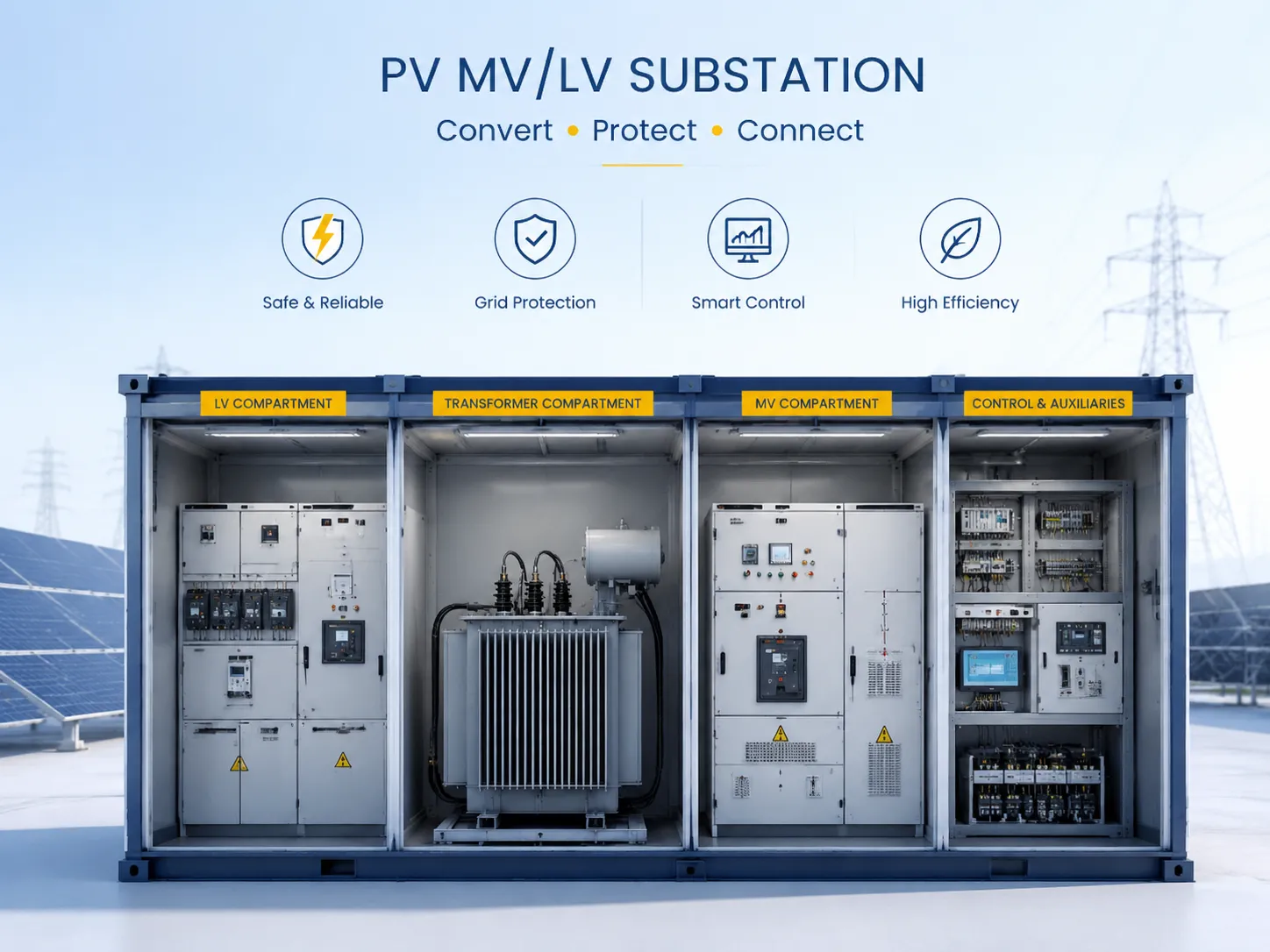
عادةً ما تتكون المحطة الفرعية الخاصة بالطاقة الشمسية من مقصورات مختلفة موضوعة داخل حاوية تحمي من الظروف الجوية (إما من الفولاذ المقاوم للصدأ أو الفولاذ المجلفن وفقًا لمعيار IP 54 المقدم في IEC 60529):
| حجرة | المعدات الرئيسية | التقييم النموذجي |
|---|---|---|
| حجرة جانب العاكس منخفض الجهد | لوحة توزيع الجهد المنخفض، قواطع التيار المتردد، واقيات الصواعق، مرحلات الحماية، نهايات السلسلة/المراقبة | 400–690 فولت، 1,000–4,000 أمبير |
| حجرة المحول | محول رفع الجهد، احتواء الزيت، تهوية قسرية أو طبيعية | 630–4,000 كيلوفولت أمبير، 10–35 كيلوفولت / 0.4–0.69 كيلوفولت |
| حجرة جانب الشبكة متوسطة الجهد | RMU أو قاطع فراغ، محولات قياس CTs/VTs، واقيات الصواعق، لوحة المرحلات | 10–35 كيلوفولت، 630 أمبير بار |
| التحكم والمساعدات | إمداد تيار مستمر، سخانات، SCADA/RTU، روابط الاتصالات، التحكم في التكثف | — |
على عكس وحدات توزيع الطاقة القياسية، فإن تعقيد الحماية في المحطات الفرعية للطاقة الشمسية أكثر تنوعًا؛ على سبيل المثال، يتم تنفيذ تداخل العاكس، والتيارات الزائدة الاتجاهية، وتحديد الجهد والتردد وفقًا لمعايير الشبكة، جنبًا إلى جنب مع نظام مكافحة العزلة في نظام مرحلات واحد (عادةً مع تكرار للمحطات التي تزيد قدرتها عن 1 ميغاوات).
كيف تعمل المحطة الفرعية للطاقة الشمسية
خلال النهار، تولد الألواح الشمسية كهرباء تيار مباشر تصل إلى 1,500 فولت. ثم تنتج العواكس تيار متردد ثلاثي الطور بجهد 400 إلى 690 فولت وتغذي هذا إلى شبكة المرافق. تزيد المحطة الفرعية من هذا إلى مستوى الجهد المتوسط وتغذيه إلى الشبكة عبر مفتاح حماية.
تعتمد متغيرات حمل المحول على الإشعاع الشمسي وليس على الحمل الثابت للصناعة. بسبب ذلك، يتمتع سلوك الحمل ببعض الخصائص الخاصة: فهو يكاد يكون صفرًا قبل شروق الشمس، ويرتفع إلى مستوى معين في الصباح، ويصل إلى ذروته عند الظهر، ويصبح قريبًا من الصفر مرة أخرى عند غروب الشمس. التصميم الحراري مهم جدًا حيث قد تحدث دورات حرارية للمحول كل يوم - المحول الذي تم تصميمه بشكل صحيح يستخدم أجهزة مراقبة درجة حرارة الزيت وتبريد الهواء القسري على نطاق أعلى لتجنب الشيخوخة السريعة لمادته العازلة. عادةً ما توفر الشركات المصنعة المتخصصة في الطاقة الشمسية محولات مع ملفات تحميل مختبرة وتقييمات أقل للمناخات الحارة.
عندما يتعلق الأمر بالحماية، يقيس نظام العرض المنفجر الجهد والتردد والتيار عند مخرج المحول. إذا فشلت الشبكة لأي سبب من الأسباب، يرسل النظام إشارة إلى معدات التبديل لعزل المحطة ضمن الوقت المطلوب، والذي يقاس عادةً بالثواني.
الأنواع والتكوينات
| التكوين | الوصف | التطبيق النموذجي |
|---|---|---|
| وحدة MV/LV واحدة | محول واحد بالإضافة إلى معدات تبديل MV و LV | أسطح تجارية/صناعية، محطات من 0.5–5 MW |
| وحدة محطة العاكس المركزي | وحدة مدمجة مع هيكل العاكس المركزي | محطات على نطاق المرافق تستخدم العواكس المركزية |
| وحدة العاكس السلسلي | معدات تبديل LV محسّنة لعدة عواكس سلسلية | مصفوفات كبيرة مع عواكس موزعة |
| وحدة مثبتة على قاعدة | جميع المعدات على قاعدة فولاذية قابلة للنقل | مواقع سريعة و بعيدة |
| ترتيب MV/HV مقسم | عدة وحدات MV/LV تغذي محطة HV مركزية واحدة | محطات فوق 20 MW مع تصدير 110–220 kV |
في حالة المحطات التي تتراوح من 5 MW إلى 100 MW، فإن الممارسة الشائعة هي استخدام وحدات MV/LV مع وحدة واحدة لكل 2-10 MW من سعة العاكس، ومحطة عالية الجهد مركزية. يسمح هذا المفهوم المعياري بمرحلة البناء وتوحيد قطع الغيار، ويسمح لهم باختيار الطاقة بناءً على ترتيبات الألواح.
محطة PV مقابل محطة توزيع قياسية
| العامل | محطة PV للطاقة الجديدة | محطة توزيع قياسية |
|---|---|---|
| ملف الحمل | متغير، مدفوع بالطاقة الشمسية، دورات يومية | طلب مستقر نسبيًا أو ذروي |
| الحماية | نظام مضاد للعزل، اتجاهي، عتبات كود الشبكة | O/C أساسي، E/F، خطأ أرضي |
| القدرة التفاعلية | منظم، غالبًا 0.95 رائد/متأخر | عادةً غير نشط أو غير مصحح |
| القياس | قياس تصدير ثنائي الاتجاه، فئة 0.2s/0.5s | فواتير أحادية الاتجاه |
| سكادا | دائمًا، مع التحكم عن بُعد وتسجيل البيانات | غالبًا اختياري |
| التصنيف النموذجي | 630–4,000 kVA لكل وحدة | 50–2,500 كVA |
| التوافقيات | مستحث بواسطة العاكس، اعتبارات الفلتر | ضئيل في معظم الأحمال |
في هذه الحالة، يعود ذلك إلى المستوى الأعلى من التعقيد عندما يتعلق الأمر بالحماية والامتثال الأكثر صرامة لمدونة الشبكة، مما يجعل تكلفة الوحدة القياسية وتكلفة نظام الطاقة الشمسية تختلف.
المواصفات النموذجية
هنا المواصفات لنظام طاقة شمسية بقدرة 2000 kVA يعمل عند مستوى جهد 22 kV.
| المعامل | القيمة النموذجية |
|---|---|
| تصنيف المحول | 2,000 kVA، مغمورة بالزيت، ONAN |
| نسبة الجهد | 22 kV / 0.69 kV (أيضًا خيارات 10/20/33/35 kV) |
| مجموعة المتجهات | Dyn11 أو Dyn5 |
| فقدان بدون تحميل | ~2.2–3.0 كيلو واط |
| فقد الحمل عند 75 درجة مئوية | ~16–20 كيلو واط |
| جهد المقاومة | 6%–8% |
| معدات التبديل LV | 2,500–4,000 A ACB، نهايات العاكس |
| معدات الجهد المتوسط | RMU معزول بالغاز SF6 أو صلب / قاطع فراغ، 20–25 kA/3s |
| الحماية | مرحل رقمي: 50/51، 50N/51N، 27/59، 81، مقاومة للجزيرة، اتجاهي |
| القياس | عدادات إيرادات فئة 0.5s أو 0.2s، CTs/VTs |
| الحاوية | IP54، قاعدة مجلفنة، طلاء مضاد للتآكل للمواقع الساحلية |
| تصميم بيئي | حتى 50°C مع منحنى تخفيض استوائي |
| المعايير | IEC 62271-202، IEC 60076، IEC 60529، IEEE 1547 (أمريكا الشمالية) |
الاختبارات العادية والخاصة للتحقق تستند إلى معايير IEC 60076 و IEC 62271-202. يجب التحقق من إعدادات الحماية للنظام مقابل مدونة الشبكة الخاصة بالمرافق، في حال كانت المنشأة تبيع الطاقة إلى الشبكة.
أين تُستخدم محطات الطاقة الشمسية
- مرافق مركزة على نطاق المرافق: مرافق تعمل ضمن نطاق 5-300 ميغاوات ولديها أيضًا تركيبات جهد متوسط/منخفض موزعة ومحطة جهد عالي مركزية واحدة.
- أسطح المباني التجارية والصناعية: مرافق شمسية تعمل في نطاق 0.5 إلى 10 ميغاوات من الكهرباء مع اتصالات خلف العداد وأمام العداد.
- الطاقة الشمسية العائمة: محطات شمسية تُقام على عوامات أو هياكل أرضية قريبة، مما يوفر حماية ضد التآكل.
- الزراعة الشمسية: توليد الطاقة الشمسية مع زراعة المحاصيل الزراعية على نفس قطعة الأرض.
- المحطات الهجينة: مرافق شمسية مدمجة مع التخزين أو الرياح، ولديها منشأة لتحويل مصادر الطاقة المتعددة.
- برامج التوليد الموزع تشمل مرافق صغيرة تقدم برامج متنوعة، وأحد هذه البرامج هو مخططات الطاقة الشمسية المجتمعية.
بخلاف تطبيق الطاقة الشمسية، تُطبق أنظمة مماثلة لأنظمة تخزين الطاقة بالبطاريات.
المعايير، مدونات الشبكة، والاختبار
| معيار | النطاق | الصلة بمحطات الطاقة الشمسية |
|---|---|---|
| IEC 62271-202 | محطات المحولات مسبقة الصنع | تصميم الوحدة الكاملة، الغلاف، اختبار النوع |
| IEC 60076 | محولات الطاقة | تصنيف المحولات، الخسائر، الاختبارات |
| IEC 60529 | حماية غلاف IP | IP54/IP55 للتعرض الخارجي |
| IEC 60255 | مرحلات القياس ومعدات الحماية | دقة وأداء المرحلات |
| IEEE 1547 | الربط بين الموارد الموزعة (أمريكا الشمالية) | متطلبات الحماية والربط بمدونة الشبكة |
| مدونات الشبكة المحلية | محددة حسب الدولة (مثل، GCC، EU EN 50549، قواعد TSO الوطنية) | تجاوز الجهد/التردد، أوقات منع العزلة |
قم بتنزيل شهادة الامتثال للوائح مدونة الشبكة المعمول بها في بلدك. يمكن أن يتوافق نفس الجهاز مع EN 50549 (المدونة الأوروبية) أو IEEE 1547 (المدونة المعمول بها في أمريكا الشمالية) أو مع المدونات الوطنية فقط إذا تم تكوين البرنامج الثابت وإعدادات المرحل للسلطة القضائية المناسبة.
التكاليف ونطاقات الأسعار
تقديرات الأسعار لوحدات المحطات الفرعية الخاصة بالطاقة الشمسية الكاملة (محول رفع، معدات التبديل MV/LV، أجهزة الحماية، أدوات القياس، هيكل من الألياف الزجاجية):
| التصنيف | فئة الجهد | السعر النموذجي (دولار أمريكي) | وقت التسليم |
|---|---|---|---|
| 630–1,000 كيلو فولت أمبير | 10–35 كيلوفولت | $12,000–$25,000 | 7–12 أسبوعًا |
| 1,250–2,000 ك.ف.أ | 10–35 كيلوفولت | $16,000–$35,000 | 8–14 أسبوعًا |
| 2,500–3,150 ك.ف.أ | 10–35 كيلوفولت | $30,000–$60,000 | 10-16 أسبوعًا |
| 3,550–4,000 ك.ف.أ | 10–35 كيلوفولت | $45,000–$90,000 | 12–20 أسبوعًا |
لإضافة حاويات من الفولاذ المقاوم للصدأ أو مقاومة للتآكل، أضف 15-30%، 10-20% أكثر لمحولات النوع الجاف، بالإضافة إلى $1,500-5,000 لمفاتيح الحماية المتقدمة، قياس من الفئة 0.2، وSCADA كاملة. الأسعار المذكورة أعلاه هي أسعار FOB إرشادية وتختلف حسب المواصفات، الشركة المصنعة والمنطقة.
أفضل العلامات التجارية ومقارنة الأسعار
| العلامة التجارية | الدولة | القوة في الطاقة الشمسية | السعر الإرشادي — 2,000 kVA (دولار أمريكي) |
|---|---|---|---|
| شنايدر إلكتريك | فرنسا | حلول متكاملة للعواكس/محطات التحويل، خدمة عالمية | $38,000–$60,000 |
| سيمنز | ألمانيا | حلول الشبكة الرقمية، مراجع قوية من المرافق | $40,000–$65,000 |
| ABB | سويسرا | نطاق محطة الطاقة الشمسية، تآزر العاكس، دعم الشبكة | $38,000–$62,000 |
| إيتون | الولايات المتحدة الأمريكية | السوق الأمريكية الشمالية، الامتثال لمعيار IEEE 1547 | $34,000–$55,000 |
| سونغرو / هواوي (حلول متكاملة) | الصين | حزم العاكس + المحطة على نطاق واسع | $32,000–$58,000 |
| شركة جيانغسو سوبين للطاقة الكهربائية | الصين | محطات تحويل الطاقة الشمسية IEC 62271-202، OEM، تصدير | $16,000–$35,000 |
يقوم اللاعبون الدوليون الرئيسيون ومصنّعو العواكس بتجميع المحطات مع دعم النظام البيئي، المنصات الرقمية، وفرق الامتثال المحلية، مما يجعلها جذابة لمناقصات المرافق الكبيرة. تقوم شركة جيانغسو سوبين للطاقة الكهربائية بتوريد محطات تحويل الطاقة الشمسية المتوافقة مع IEC (محولات رفع، معدات التبديل MV/LV، حماية وفقًا لمعايير الشبكة، وقياس مزود بنظام SCADA) بأسعار تصل إلى حوالي 40%-55% صالحة لأوروبا. يتم إجراء اختبارات من نوع المصنع وتخصيصات OEM لمقاولي EPC ومطوري حدائق الطاقة الشمسية. في المشاريع التي تكون فيها المحطات واحدة من عشرات الوحدات المتماثلة، فإن هذا الجمع بين كونها معتمدة، أرخص، ومخصصة يجعل سوبين منافسًا واقعيًا للعلامات التجارية الكبيرة.
كيفية تحديد المواصفات والشراء
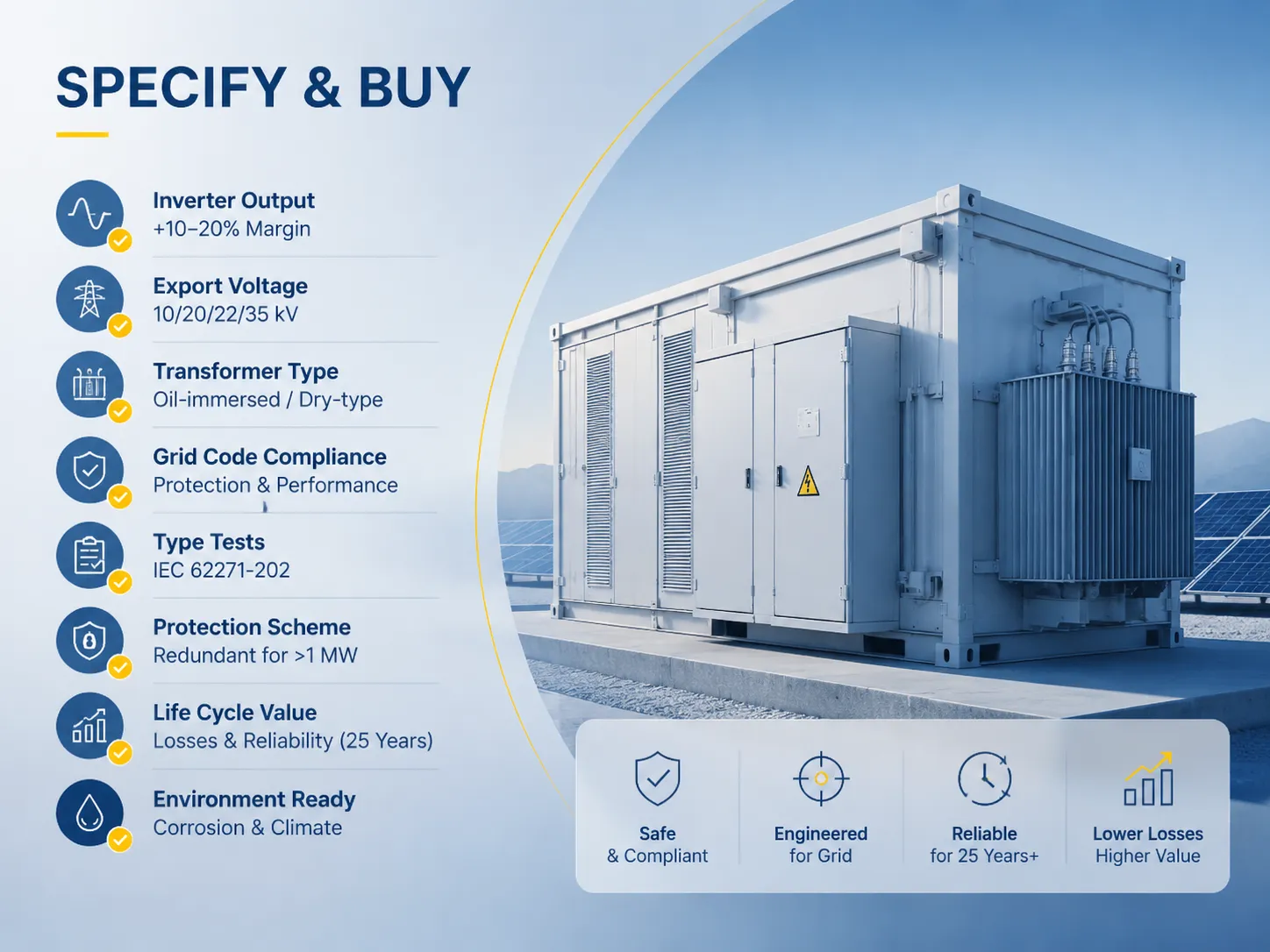
- احسب سعة خرج العاكس - أي مجموع سعة الخرج AC بالكيلو فولت أمبير عند أطراف العاكس، مع الأخذ في الاعتبار هامش التصميم من 10 إلى 20% لتصحيح الظروف المحيطة.
- حدد جهد التصدير ونقطة الاتصال بالشبكة، مثل 10/20/22/35 kV، وفقًا لمتطلبات المرفق.
- اختر نوع المحول من أي من الخيارات التالية - مغمور بالزيت للتطبيقات المثبتة على الأرض وجاف للبيئات المغلقة أو المواقع الحساسة للحريق.
- تحقق من متطلبات الامتثال لمعايير الشبكة مثل أوقات مكافحة العزلة، جهد الاستمرار، قدرة الطاقة التفاعلية، إلخ، وفقًا لمعايير الشبكة في بلدك.
- اطلب اختبارات كاملة وفقًا لمعايير IEC 62271-202 بما في ذلك اختبار درجة الحرارة على الجهاز الكامل.
- صمم مخطط الحماية وفقًا لمتطلبات دراسة تنسيق المرحلات. أيضًا، اطلب وجود تكرار في حماية الأجهزة إذا كانت السعة الإجمالية للمصنع تزيد عن 1 ميغاوات.
- قارن باستخدام الخسائر المقدرة والموثوقية على مدار 25 عامًا بدلاً من التكلفة الأولية.
- تحقق من مقاومة الجهاز للتآكل والصدأ إذا كانت مطلوبة للمواقع الساحلية أو الصحراوية أو ذات الرطوبة العالية.
الأسئلة المتكررة
ما هي محطة تحويل الطاقة الشمسية الجديدة؟
محطة تحويل الطاقة الشمسية الجديدة هي نوع من محطات التحويل MV/LV المصنعة في المصنع وتربط محطة الطاقة الشمسية بالشبكة. تقوم بتحويل جهد التيار المتردد الناتج عن العاكس (400 إلى 800) إلى جهد متوسط (10 إلى 35 kV) وتوفر ضمانات ضرورية لمعايير الشبكة مثل وظيفة مكافحة العزلة وقياس الطاقة المستهلكة. عادةً ما تتكون محطات من هذا النوع من محول رفع بسعة تتراوح من 630 إلى 4,000 kVA، ومعدات تبديل MV وLV، ومرحلات حماية، وهيكل مصنوع وفقًا للمتطلبات المنصوص عليها في IEC 62271-202.
كم تكلفة محطة تحويل الطاقة الشمسية؟
تكلفة المعدات المكتملة تتراوح من $12,000 إلى $25,000 من 630 إلى 1,000 kVA إلى $45,000 – $90,000 من 3,550 إلى 4,000 kVA. السعر متغير حسب نوع المحول ومفاتيح التشغيل المستخدمة ونظام الحماية المطبق. المواد الإضافية المستخدمة تضيف حوالي 15-30% إلى السعر، المحولات الجافة – 10-20%، تقنية SCADA – $1,500-5,000. لاحظ أن هذه الأسعار لا تشمل النقل، ومن الممكن حدوث تباين في جميع أنحاء المنطقة.
هل أحتاج إلى محطة فرعية منفصلة لمحطة الطاقة الشمسية الخاصة بي؟
نعم، ما لم يتم توفير نقطة الربط من قبل المرفق. لا يمكن لمحطات الطاقة الشمسية توفير الطاقة ما لم يتم تحويل الطاقة إلى MV. بالنسبة للمحطات التي تصل قدرتها إلى 5 ميغاوات، عادة ما يكون من الممكن بناء محطة فرعية واحدة تجمع بين تقنيات MV/LV. بالنسبة للمحطات الأكبر، عادة ما ستكون هناك حاجة لأكثر من محطة فرعية واحدة، وكذلك محطة فرعية عالية الجهد للترطيب.
ما الفرق بين محطة فرعية PV ومحطة فرعية عادية من نوع الصندوق؟
تختلف محطة فرعية PV عن المحطة العادية ببعض الميزات الإضافية المقدمة لإدارة الطاقة الشمسية مثل الحماية من تشغيل مضاد للجزيرة، وثبات الجهد والتردد وغيرها. المحطات الفرعية العادية لا تحتوي على هذه الممارسات. يتطلب استبدال واحدة بأخرى إعداد وثيقة هندسية للحماية وغالبًا ما تفشل في تلبية متطلبات الشبكة.
كم من الوقت يستغرق تركيب محطة فرعية PV؟
يستغرق التركيب نفسه من 2 إلى 5 أيام عندما تكون الأساسات الخرسانية والمسامير جاهزة، وتبدأ عمليات التشغيل في أقرب وقت ممكن. توفر مزايا سرعة الاختبار في المصنع بشرط أن تكون الأساسات والكابلات دقيقة. الوقت الإجمالي للمشروع حوالي 8-16 أسبوعًا من لحظة تقديم الطلب.
المراجع
- IEC 62271-202 — المحطات الفرعية الجاهزة — المعيار الحاكم لتصميم حاويات المحطات الفرعية PV، والسلامة، واختبار النوع الكامل للوحدة.
- سلسلة IEC 60076 - محولات الطاقة — المعيار الأساسي للتصنيفات، والخسائر، واختبار المحول الرافعة.
- IEEE 1547 — الربط بين موارد الطاقة الموزعة — متطلبات الربط والحماية لشبكة أمريكا الشمالية.
- IEC 60255 — المرحلات وأجهزة الحماية القياسية — متطلبات دقة وأداء المرحلات.
- IRENA — إحصائيات القدرة المتجددة — بيانات عن نمو القدرة الشمسية وطلب المحطات الفرعية.
- وزارة الطاقة الأمريكية — أدلة الربط بالطاقة الشمسية — متطلبات الربط العملية للطاقة الشمسية على نطاق المرافق.
- Jiangsu Subian Electric Power — الموقع الرسمي — مصنع ومصدر لمحطات فرعية PV المعتمدة من IEC.
الخاتمة
المحطات الفرعية الجديدة للطاقة الشمسية هي الاتصال التكنولوجي بين محطات الطاقة الشمسية والشبكة، وبالتالي أصبحت جزءًا لا يتجزأ من تنفيذ المشاريع على نطاق المرافق. يتم تصنيعها في المصانع، واختبارها كوحدة نهائية، وتركيبها خلال عدة أيام. تم إنشاء المحطة الفرعية خصيصًا لتلبية متطلبات المؤشرات المختلفة المتعلقة بإنتاج الطاقة الشمسية بما في ذلك تقلبات الجهد، واحتياجات الحماية، ومتطلبات كود الشبكة.
ملخص المعلومات:
- سعر مؤشري — 2,000 kVA (USD).
- حلول العاكس/محطة التحويل المتكاملة، خدمة عالمية.
- $38,000–$60,000.
- احصل على شهادة IEC 62271-202 وقارنها وفقًا للخسائر التي حدثت خلال 25 عامًا.
- تأكد من أن العلامات التجارية المعروفة مثل شنايدر، سيمنز، وABB مقبولة مقابل أولئك الموردين الذين تم اعتماد منتجاتهم وفقًا لمعايير IEC.