


Il consulente dell'ingegnere ha realizzato questo grafico di confronto molte volte in passato, ma la domanda del cliente non è cambiata: “Stiamo costruendo un ospedale di 6 piani, con un'ala per risonanza magnetica, un pannello solare sul tetto e una sala switch nel seminterrato sopra il parcheggio. Quale trasformatore dobbiamo acquistare?” La risposta non è un nome o un marchio, ma piuttosto una varietà di scelte tra costo, sicurezza antincendio, manutenzione, efficacia e durata. Ospedali, centri dati, grattacieli e tunnel optano per trasformatori di tipo secco, mentre le fabbriche utilizzano quelli immersi nell'olio. Perché è così, è ciò di cui tratta questo articolo.
In questo articolo, confrontiamo i trasformatori immersi nell'olio e i trasformatori di tipo secco basandoci su nove caratteristiche, fornendo le informazioni minime richieste e i prezzi secondo lo standard IEC 60076. L'articolo include una tabella dettagliata affiancata, con costi di proprietà e confronti, ed è per questo che si finisce per diventare un vero esperto in grado di far comprendere ai colleghi di progetto la scelta di un trasformatore.
Risposta rapida: La principale distinzione tra i trasformatori di tipo secco e i trasformatori immersi nell'olio risiede nel loro processo di raffreddamento e isolamento: mentre i trasformatori di tipo secco si basano su aria, resina o impregnazione a pressione sotto vuoto, i trasformatori immersi nell'olio utilizzano olio minerale per l'isolamento. Sebbene i clienti possano risparmiare 25-40% in costi con i trasformatori immersi nell'olio, i trasformatori di tipo secco sono esenti da rischi di incendio e contenimento dell'olio, che sono i principali fattori che causano la popolarità dei trasformatori di tipo secco in vari luoghi.
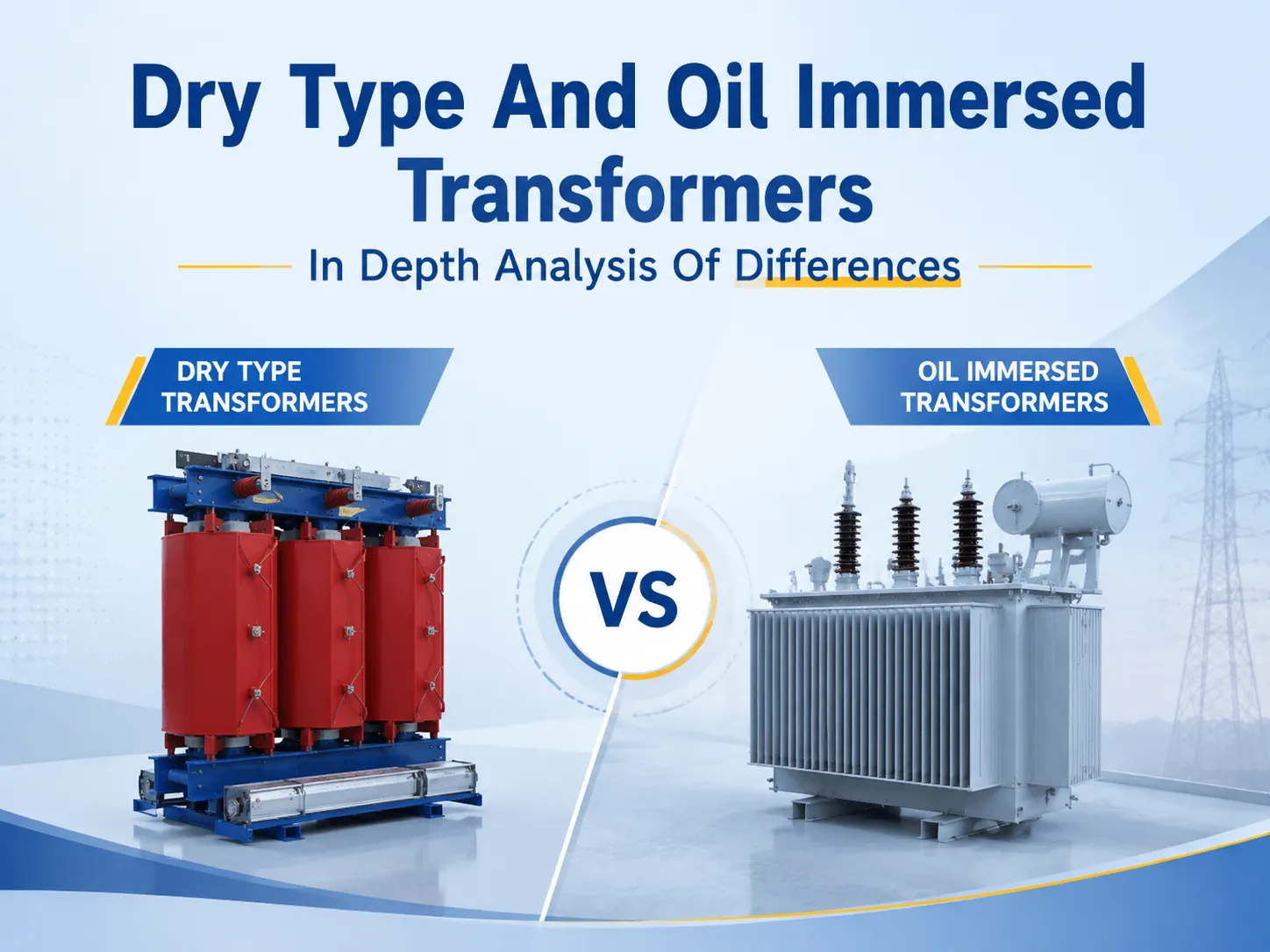
Le Basi: Cosa Sono Ogni Tecnologia
Sebbene entrambi i tipi di trasformatori svolgano la stessa funzione di trasformazione della tensione basata sull'induzione elettromagnetica, impiegano metodi diversi di isolamento e raffreddamento. Il raffreddamento di un trasformatore di tipo secco avviene nell'aria (classi AN/AF), e l'isolamento è o sotto forma di avvolgimenti in resina epossidica solida, dove la bobina è colata in epossidica e riempitivo ricco di silice, o attraverso gli avvolgimenti VPI, in cui la bobina è trattata con vernice sotto pressione di vuoto.
Al contrario, i trasformatori immersi nell'olio utilizzano olio sia nel processo di isolamento che per la conduzione del calore verso il serbatoio. Si dice che la differenza non sia solo superficiale. Il trasformatore di tipo secco deve essere molto più grande e realizzato con più rame perché l'aria non è un buon conduttore termico come l'olio. Inoltre, i tipi in resina colata presentano aumenti di temperatura di 100°C (classe F) o 125°C (classe H) secondo IEC 60076-11, rispetto ai 65°C dei tipi immersi nell'olio (IEC 60076-2).
Raffreddamento e Isolamento: Aria vs Olio
| Aspetto | Tipo Secco | Immerso nell'Olio |
|---|---|---|
| Mezzo di raffreddamento | Aria (naturale o forzata) | Olio minerale, estere o silicone |
| Classi di raffreddamento | AN, AF, ANAF | ONAN, ONAF, OFAF |
| Isolamento degli avvolgimenti | Resina epossidica colata o vernice VPI | Carta kraft impregnato d'olio |
| Aumento di temperatura | 100 K (F), 125 K (H) tipico | 65 K olio / 78 K avvolgimento (IEC) |
| Infiammazione | Autoestinguente (resina) | L'olio minerale è combustibile; gli esteri lo sono meno |
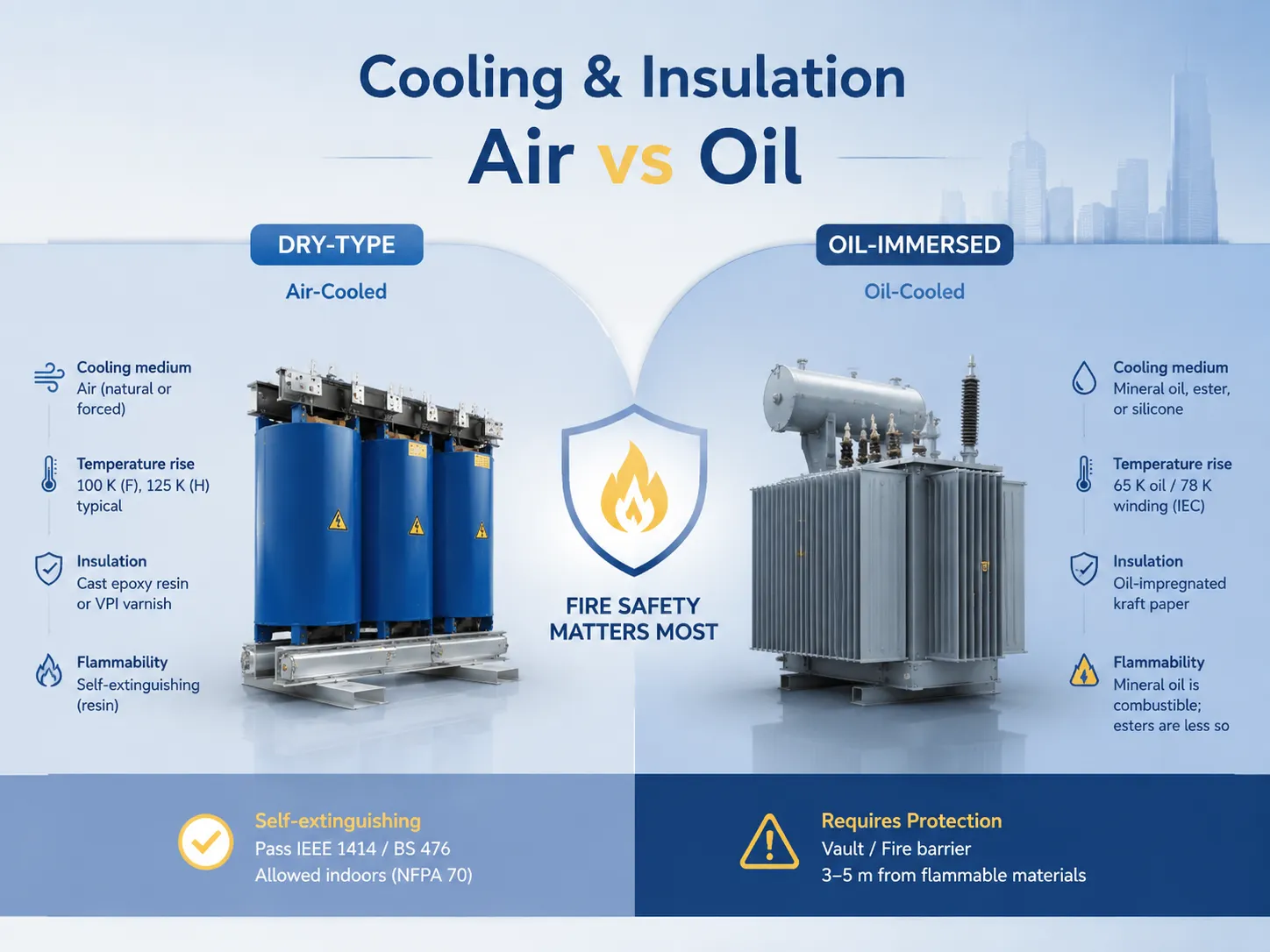
L'aspetto incendio è più importante di qualsiasi altro aspetto. I trasformatori in resina colata sono autoestinguenti e superano i test di fiamma IEEE 1414/BS 476, che è il motivo principale per cui NFPA 70 e la maggior parte dei codici nazionali li consentono negli edifici senza una camera di sicurezza antincendio. Le unità a olio minerale necessitano di una camera, barriera antincendio o di una distanza di 3–5 m da materiali infiammabili. Per progetti di sottobosco e grattacieli, questo è spesso stato l'unico fattore considerato.
Tabella di confronto a nove dimensioni
| Dimensione | Tipo Secco | Immerso nell'Olio | Vincitore |
|---|---|---|---|
| Costo iniziale per kVA | Maggiore | Inferiore (25–40% meno) | Olio |
| Rischio di incendio / esplosione | Basso, autoestinguente | Liquido combustibile | Secco |
| Approvazione per interni | Nessuna camera necessaria nella maggior parte dei codici | Camera/barriera spesso richiesta | Secco |
| Capacità di sovraccarico | Limitata oltre la targa | Buona massa termica | Olio |
| Carico di manutenzione | Controlli visivi, manutenzione del ventilatore | Campionamento dell'olio, DGA, controlli perdite | Secco |
| Sensibilità all'umidità | Maggiore; necessita di una stanza asciutta | Sigillato contro l'umidità | Olio |
| Vita utile | 20–30 anni | 25–40 anni | Olio |
| Rumore | Più silenzioso (senza pompe per olio) | Può essere più rumoroso con ventilatori | Secco (marginale) |
| Efficienza a elevate potenze | Maggiore, più rame necessario | Compatto per la stessa potenza | Olio |
Costo totale di proprietà: Matematica reale
Il costo di acquisto del primo trasformatore è solo un punto di partenza per l'intera analisi. Ora analizzeremo un trasformatore da 1.000 kVA che opera in un impianto industriale con un fattore di carico di 60% che produce perdite di $0.12/kWh per un periodo di vent'anni. Le perdite del trasformatore saranno calcolate in base alla norma internazionale IEC 60076.
| Componente di costo | Tipo secco (Resina colata) | Immerso nell'Olio |
|---|---|---|
| Costo iniziale (FOB, 10–35 kV) | 000–45.000 kVA | $18.000–$38.000 |
| Perdita a vuoto | ≈ 2.000–2.600 W | ≈ 1.500–2.000 W |
| Perdita di carico @ 60% carico | ≈ 6.000–8.500 W | ≈ 5.500–7.500 W |
| Costo annuale delle perdite (@$0.12/kWh) | ≈ $8.400–$11.600 | ≈ $7.400–$10.000 |
| Costo delle perdite in 20 anni | ≈ $168.000–$232.000 | ≈ $148.000–$200.000 |
| Manutenzione in 20 anni | ≈ $4.000–$9.000 | ≈ $12.000–$22.000 (test dell'olio, ricondizionamento) |
| Totale approssimativo in 20 anni | $192.000–$286.000 | $178.000–$260.000 |
Due cose spiccano immediatamente. Prima di tutto, le perdite superano le spese, motivo per cui scegliere solo in base al prezzo è una mossa sbagliata. In secondo luogo, i dati sui 20 anni mostrano che i costi totali sono molto simili tra loro, a causa dei minori costi di manutenzione del motore a secco che compensano il prezzo più elevato. Anche se i motori immersi nell'olio continuano a ottenere costi di vita migliori rispetto al tipo secco, la differenza non è così grande come suggerisce la differenza di costo iniziale.
Valutazioni ed Efficienza: Cosa dicono le Norme
- Tipo secco: La norma IEC 60076-11 si applica ai trasformatori di potenza a secco e definisce le classi di isolamento come B, F e H con gradi di aumento della temperatura di 100 K, 125 K e 150 K, rispettivamente. Inoltre, sono state introdotte con successo varie categorie di efficienza in conformità con IEC 60076-20.
- Immerso nell'olio: Questa tecnologia aderisce alle norme IEC 60076-1/-2, il che significa che i limiti per l'olio e l'aumento della temperatura degli avvolgimenti di 65 K e 78 K si applicano rispettivamente. La stessa teoria sulla durata dell'isolamento si applica e ogni aumento di temperatura di 6 gradi oltre il grado nominale comporta una riduzione della longevità dell'isolamento della metà.
I trasformatori immersi nell'olio stanno ancora raggiungendo lo stesso livello di perdite a un peso inferiore. Tuttavia, le nuove tecnologie hanno reso i moderni trasformatori a secco in resina colata meno generatori di perdite. I trasformatori a resina colata efficienti con avvolgimenti in rame sono già in grado di dimostrare la stessa efficienza nelle stesse gamme di potenza.
Verdetti Applicazione per Applicazione
| Applicazione | Tipo Raccomandato | Motivo |
|---|---|---|
| Edifici alti e commerciali | Tipo secco | Nessun caveau, autoestinguente, silenzioso |
| Ospedali e centri dati | Tipo secco (spesso resina colata) | Priorità di sicurezza antincendio e disponibilità |
| Poli di distribuzione esterni/padmounts | Immerso in olio | Costo per kVA, resistenza alle intemperie |
| Impianti industriali | Entrambi, di solito immersi nell'olio all'aperto | Margine di sovraccarico e manutenibilità |
| Miniere e tunnel | Tipo secco preferito | Nessun liquido infiammabile in spazi ristretti |
| Rinnovabili (PV, eolico) | Entrambi; tipo secco per skid interni, olio per pad | Le regole antincendio del sito e il costo decidono |
| Alta umidità, esterno costiero | Immerso in olio | Sigillato contro l'umidità |
Panorama dei marchi e fasce di prezzo
| Marca | Offerta di trasformatori a secco | Offerta di trasformatori immersi in olio | Posizione di prezzo |
|---|---|---|---|
| ABB | Resina colata fino a 63 MVA | Distribuzione e potenza | Premium |
| Siemens | Resina GEAFOL | Distribuzione e potenza | Premium |
| Schneider Electric | Resina Trihal | Distribuzione | Premium |
| Hitachi Energy | Blocco di resina Resibloc | Potenza e distribuzione | Premium |
| Eaton | VPI e bobina colata | Padmount e palo | Medio-premium |
| Produttori cinesi (ad es., Subian) | Resina colata e VPI | Distribuzione e potenza | Valore |
I principali attori globali nel settore – ABB, Siemens, Schneider Electric e Hitachi Energy – hanno realizzato il trasformatore a resina colata che ha plasmato gli standard del settore, dotato di molti anni di test di tipo e di un sistema di assistenza globale. Il premio che richiedono è giustificato quando le specifiche del progetto richiedono certificazione internazionale o manutenzione guidata dal fornitore. La maggior parte dei progetti con parametri di capacità da 400 a 2.500 kVA, conformità IEC e alcuni rapporti di test possono essere facilmente completati da produttori cinesi certificati a un costo molto inferiore rispetto alle aziende occidentali. Jiangsu Subian Electric Power produce sia trasformatori a resina colata con tensioni fino a 35 kV che trasformatori riempiti d'olio con tensioni da 10 kV a 110 kV, offrendo ai clienti l'opportunità di acquistare qualsiasi tecnologia da un unico impianto certificato e ottenere documentazione standard e supporto diretto dal produttore.
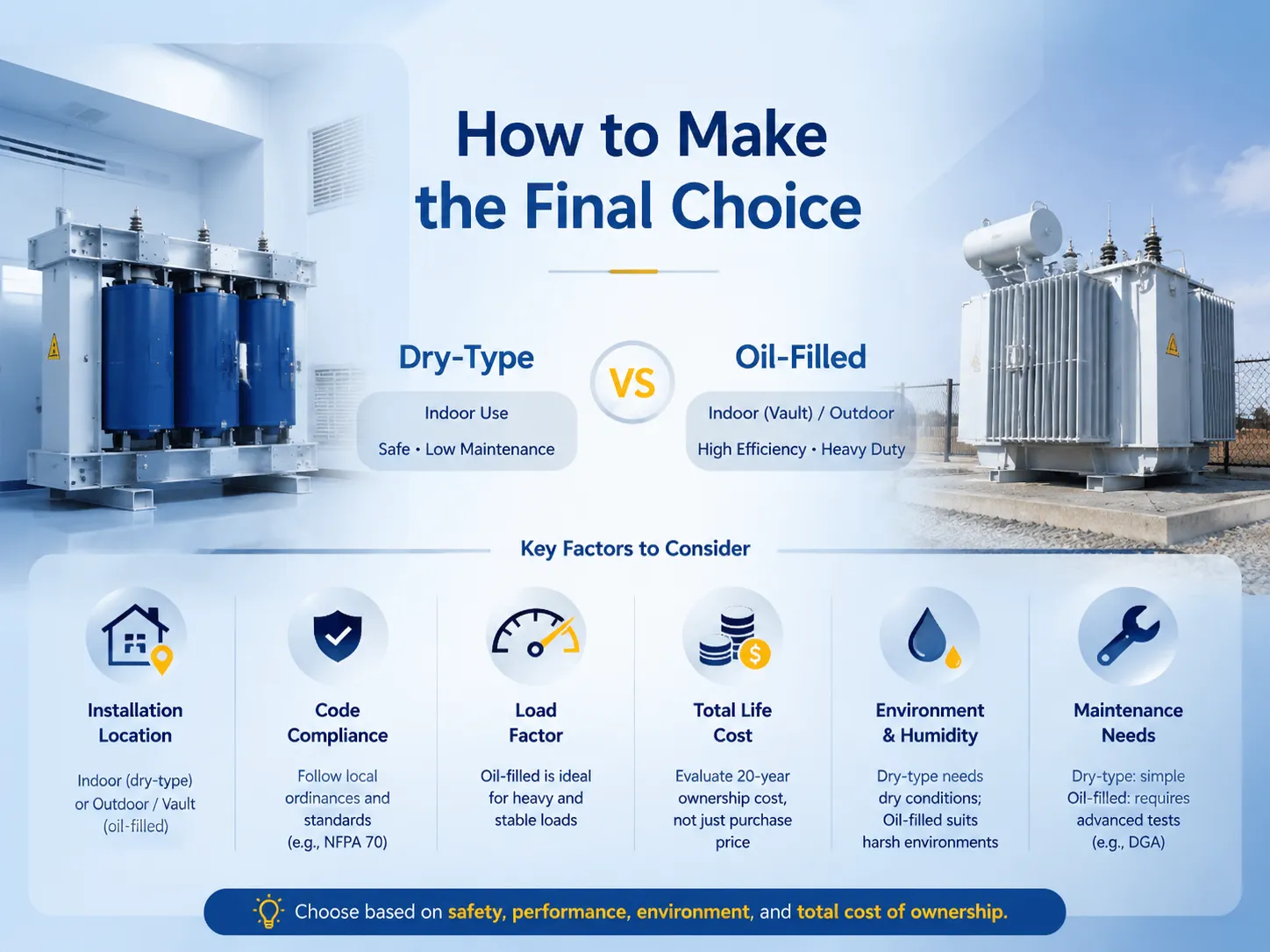
Come fare la scelta finale
- Informati sulla collocazione dell'unità. L'installazione all'interno di un locale già occupato implica la necessità di trasformatori a secco, mentre l'installazione all'esterno o in un deposito di trasformatori progettato richiede unità riempite d'olio.
- Consulta le ordinanze locali per le istruzioni. La maggior parte dei codici nazionali come l'NFPA 70 richiede che tu utilizzi vault per qualsiasi trasformatore riempito d'olio utilizzato all'interno con determinate potenze.
- Calcola il fattore di carico. Le unità riempite d'olio sono più preferibili in caso di carichi pesanti e stabili, mentre dove la situazione si ripete portando carichi leggeri, il vantaggio non è così considerevole.
- Calcola i costi totali di proprietà per un periodo di vent'anni utilizzando i prezzi dell'elettricità locali e il metodo discusso sopra invece di moltiplicare semplicemente i prezzi di costo.
- Considera l'umidità e l'ambiente. I trasformatori a secco funzionano solo in armadi asciutti, ma le unità riempite d'olio possono essere installate anche all'esterno.
- Controlla quali tipi di manutenzione possono essere effettuati. I trasformatori riempiti d'olio richiedono alcune procedure complesse come l'analisi DGA, ma qui il tipo secco vince facilmente perché non ne ha bisogno.
Domande frequenti
Qual è più economico: trasformatori a secco o trasformatori immersi in olio?
Gli immersi in olio sono generalmente 25-40% meno costosi a parità di potenza. Per un'unità da 1.000 kVA, i costi sono previsti tra $18.000-$38.000 per l'olio e $20.000 a $45.000 per le unità a secco in resina colata. Tuttavia, una volta considerati i costi di costruzione del vault, contenimento dell'olio e manutenzione aggiuntiva, il totale per il periodo di 20 anni diventa molto più comparabile, sottolineando l'inadeguatezza del prezzo come fattore decisivo.
I trasformatori a secco sono più efficienti di quelli immersi in olio?
Nella stessa classe di efficienza, questo non è sempre vero. Questo è dovuto al fatto che l'olio raffredda meglio; grazie a nuclei e avvolgimenti significativamente più piccoli, le unità immerse nell'olio soddisfano i requisiti di perdita. Quando si tratta di potenze più piccole (50–500 kVA), i prodotti in resina epossidica di buona qualità superano le unità immerse nell'olio; quando la potenza supera ~1.000 kVA, queste ultime generalmente performano meglio per quanto riguarda le perdite per dollaro.
I trasformatori di tipo secco possono essere installati all'aperto?
Infatti, questo è vero solo quando vengono adottate specifiche disposizioni. Il tipo ventilato aperto richiede un involucro impermeabile IP23 IP54 e una derating. Ad esempio, un'unità in resina epossidica utilizzata all'aperto a 45 °C di temperatura ambiente deve solitamente essere derated tra 5–10% rispetto al funzionamento interno. Inoltre, le unità riempite d'olio sono generalmente più robuste rispetto alle altre in condizioni climatiche difficili.
Qual è la vita utile tipica di ciascun tipo?
I trasformatori riempiti d'olio hanno una vita utile di 25-40 anni, durante i quali è necessario effettuare test annuali dell'olio. Si osserva anche che i trasformatori di tipo secco hanno una vita utile di circa 20-30 anni, che è completamente basata sull'accumulo di umidità nel corso degli anni. I sistemi isolati in resina epossidica possono avere una durata di circa 30 anni a condizione che siano utilizzati in un luogo pulito e asciutto.
Perché i grattacieli utilizzano quasi sempre trasformatori di tipo secco?
A causa dei codici antincendio. L'olio minerale essendo infiammabile richiede la creazione di una volta ignifuga per un tale trasformatore d'olio interno. Tuttavia, poiché la resina epossidica è ignifuga, non c'è bisogno che il trasformatore di tipo secco sia collocato all'interno di una volta, il che porta all'eliminazione di uno spazio sostanziale e a una ventilazione più facile nelle sale elettriche.
Riferimenti
- IEC 60076-1: Trasformatori di Potenza — Generale — Standard di nucleo per valutazioni, perdite e test dei trasformatori.
- IEC 60076-11: Trasformatori di Potenza Dry-Type — Lo standard internazionale specifico per i trasformatori di tipo secco, classi di isolamento e aumento di temperatura.
- NFPA 70 (Codice Elettrico Nazionale) — Il codice che regola l'installazione dei trasformatori, le classificazioni antincendio e le distanze negli edifici.
- IEEE — Editore della serie IEEE C57 e standard termici/vita dei trasformatori utilizzati con IEC.
- NEMA — Organismo di standardizzazione nordamericano che copre l'efficienza dei trasformatori e le classificazioni degli involucri.
- Standard per Trasformatori di Distribuzione del DOE degli Stati Uniti — Regole ufficiali di efficienza che informano i calcoli economici delle perdite.
- Jiangsu Subian Electric Power Co., Ltd. — Produttore di trasformatori sia di tipo secco che immersi nell'olio, conforme a IEC 60076.
Conclusione
Il trasformatore di tipo secco e la varietà immersa in olio non dovrebbero essere considerati come alternative, ma come due risposte ottimali a domande diverse. Se la tua installazione avviene in un ambiente interno, ha requisiti di sicurezza antincendio, o viene messa in funzione in un luogo come un edificio occupato, allora il trasformatore di tipo secco è la tua scelta più sicura, nonostante il suo prezzo iniziale che è superiore del 25 al 40 per cento rispetto a quello del modello immerso in olio. Se il trasformatore è situato all'aperto in una sottostazione di cavi, allora la versione immersa in olio offre il miglior prezzo per kVA, promettendo migliori margini di sovraccarico e una maggiore durata di servizio. La scelta dovrebbe essere fatta in base al costo totale di proprietà (prezzo iniziale, perdite, costi di servizio, costruzione, ecc.) e non al prezzo di listino. Qualunque sia la tua scelta, acquista attrezzature da un produttore certificato che fornisca informazioni sulle perdite insieme ai risultati dei test. Un fornitore come Jiangsu Subian Energia Elettrica offre entrambe le tecnologie, così puoi confrontare in modo equivalente e scegliere con fiducia.