

SH15-M Oil Immersed Transformer
Subian Electric is a transformer factory in Xuzhou, Jiangsu, China, manufacturing the energy-saving SH15-M amorphous alloy oil immersed transformer range. Amorphous ribbon cores give these units a no-load loss typically 60-80% lower than conventional silicon-steel transformers of the same rating, which is why utilities and rural network operators use them for loss-reduction programmes.
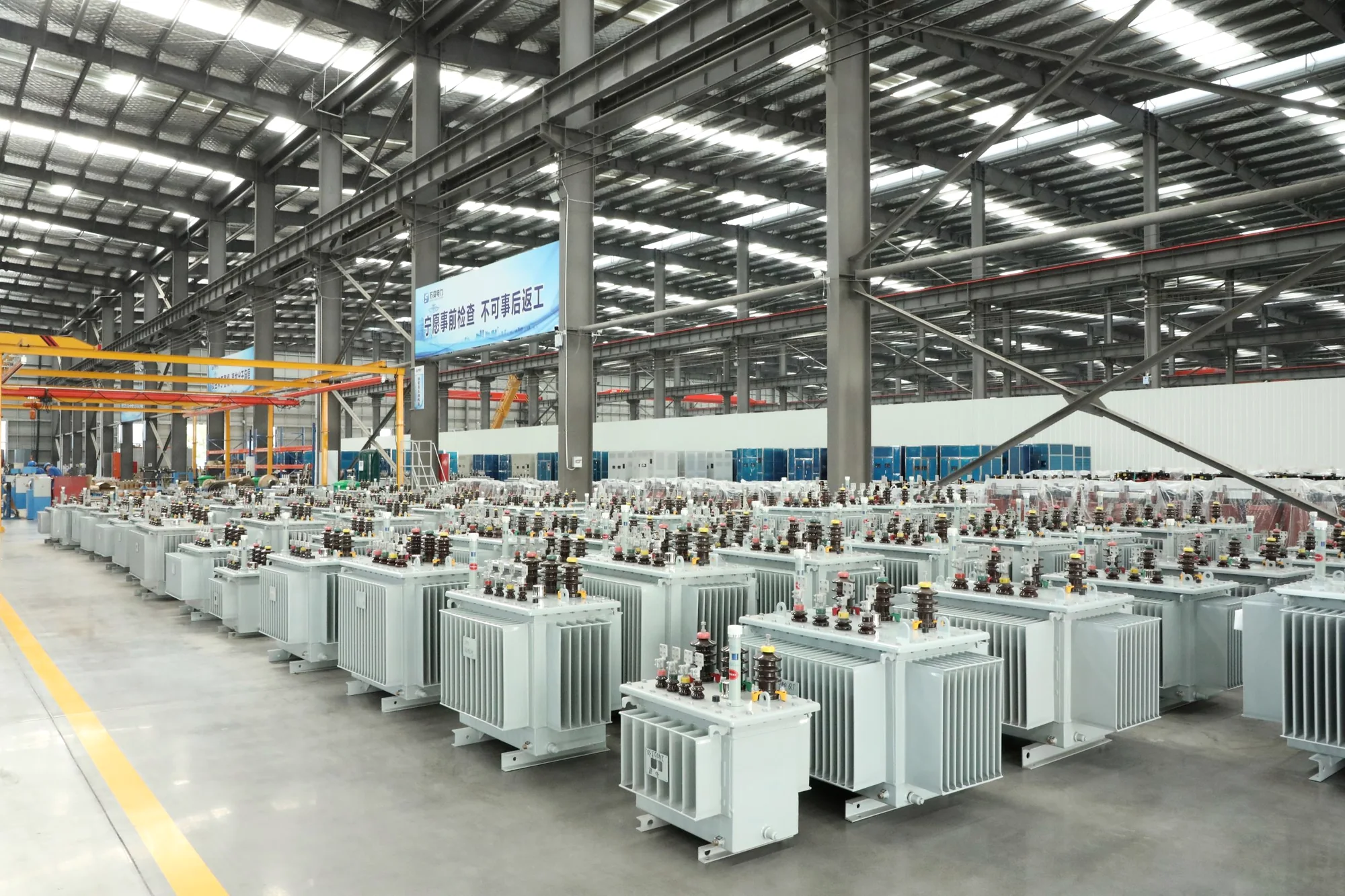
Our 50,000-square-metre factory and 350+ employees cover core cutting, winding, vacuum drying, oil filling and complete testing, so every SH15-M unit leaves with a routine test report under ISO9001 and CE controlled production.
Send your capacity, primary voltage and quantity, and our engineers will confirm the loss figures, dimensions and a factory quotation for your project.

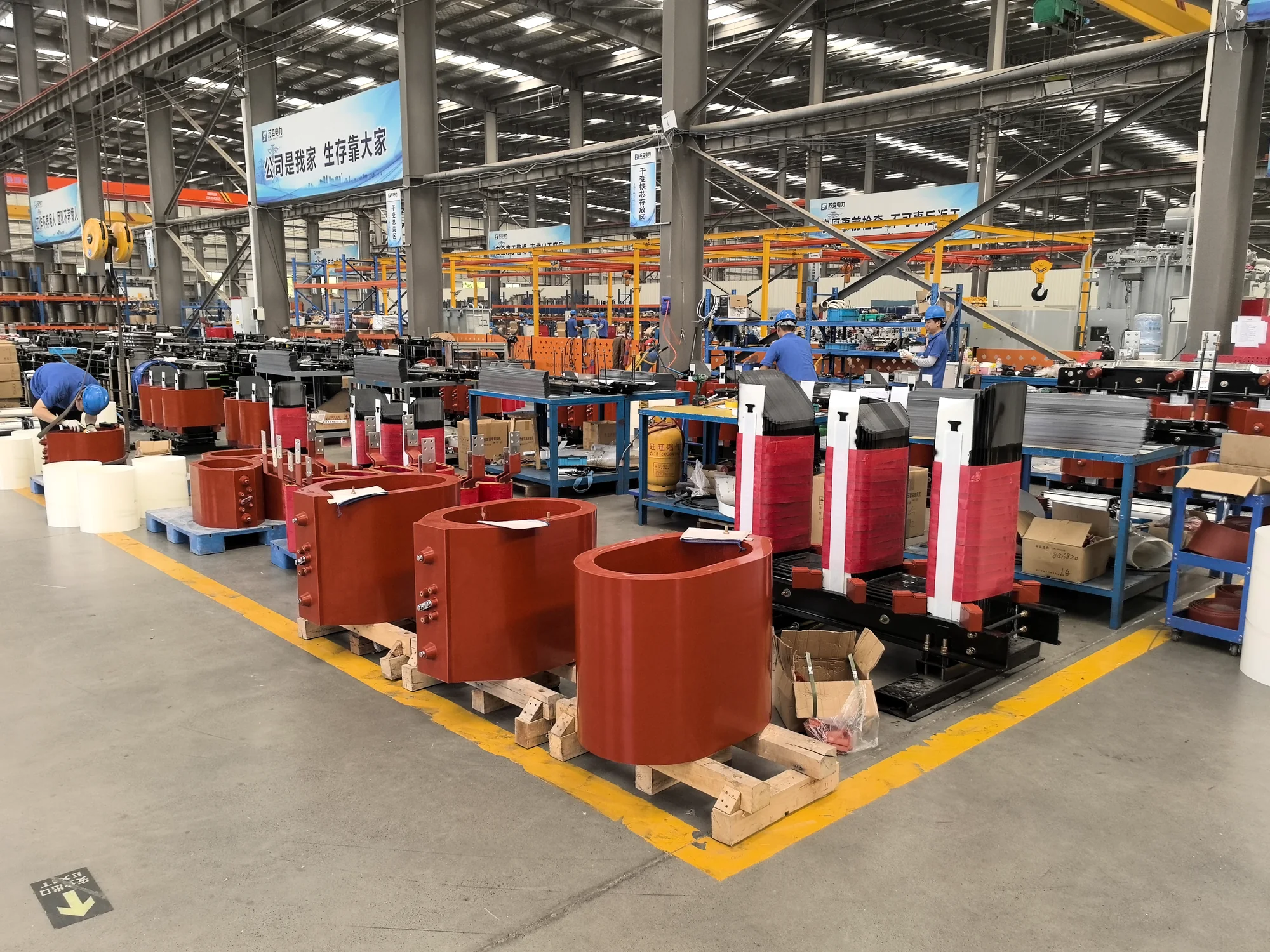
Since 2019 · 50,000m² · 350+ Staff
Energy-Saving Transformers We Manufacture
Amorphous core and conventional distribution transformers from 30 kVA upward, including the SH15-M sealed-tank range for 10kV and other primary networks.
-
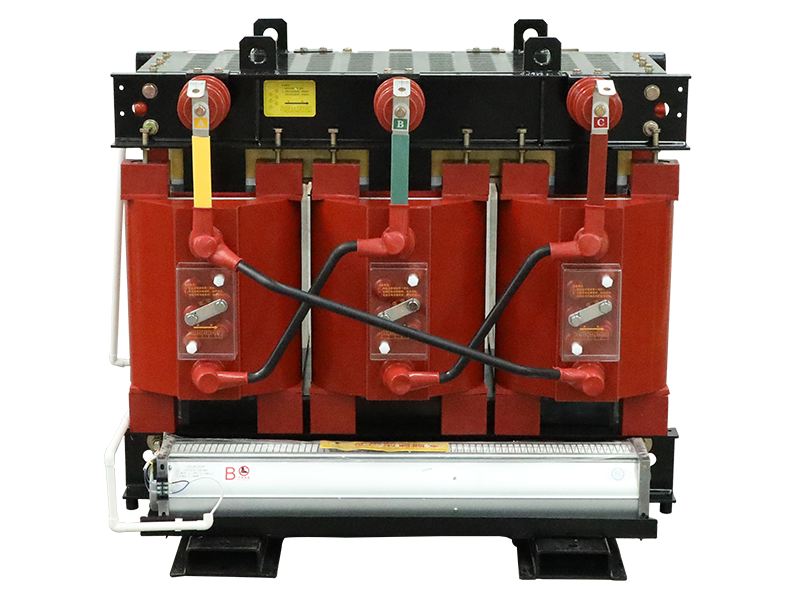
10kV Dry-Type Transformer-SCBH series Amorphous Alloy
-
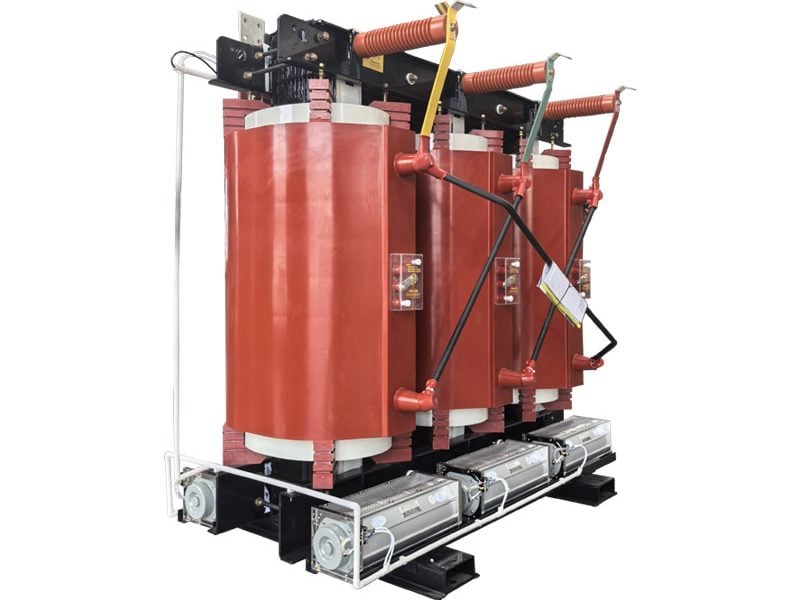
20-35KV Dry-Type Transformer
-
20-35KV SCB Series Epoxy Resin Dry-Type Transformer
-
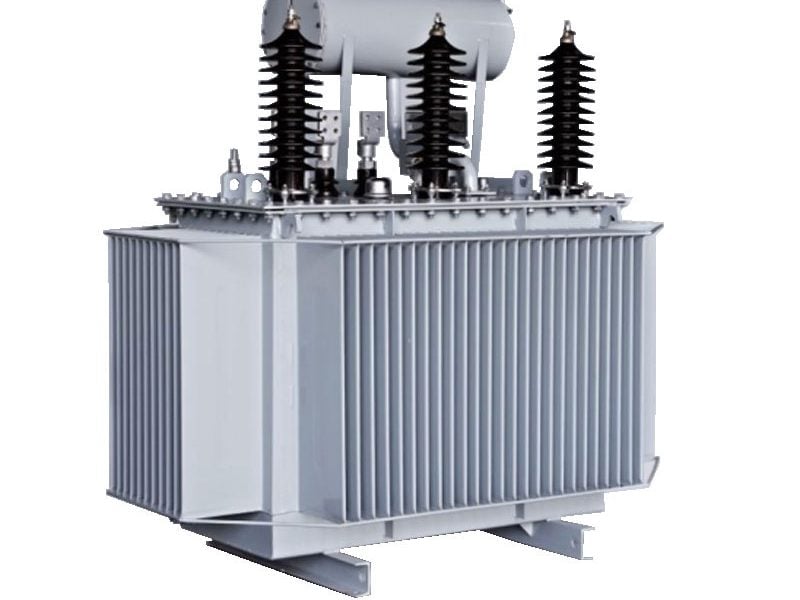
20KV Oil-immersed Distribution Transformer
-
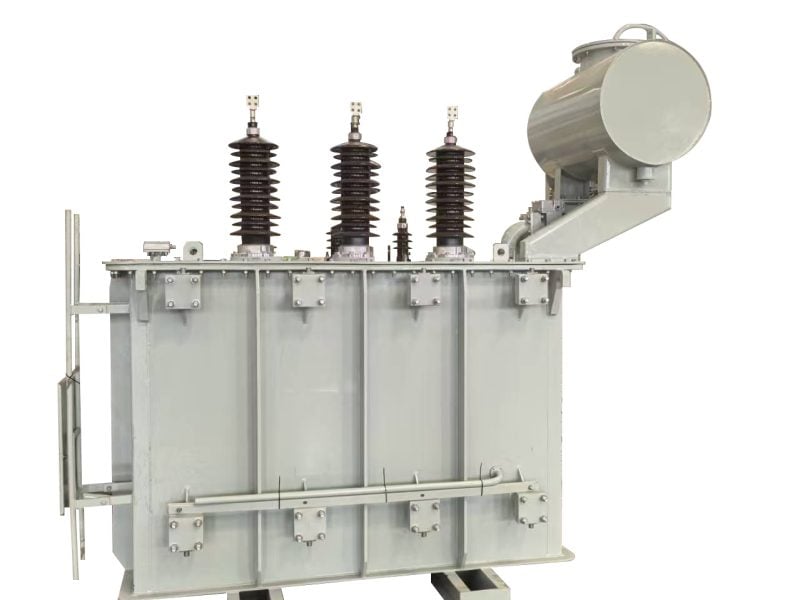
35KV Oil-immersed Power Transformer
-
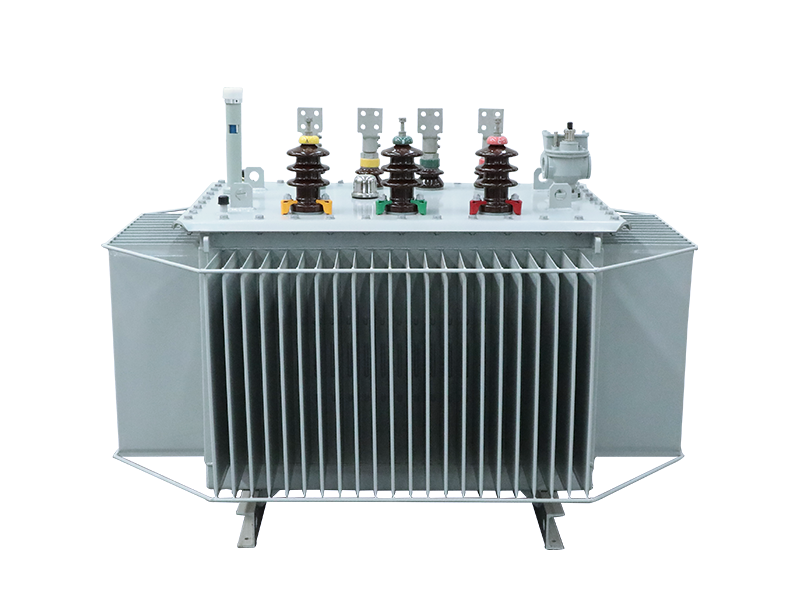
6-10KV Oil-Immersed Power Distribution Transformer
-
Current Transformer –10KV Indoor High Voltage
-
Current Transformer–LMZK Wound Current Transformer300/5a
-
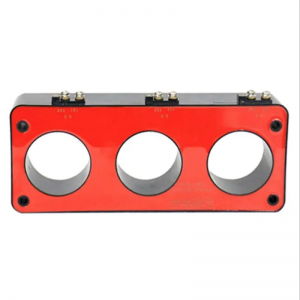
Current Transformer–LSY-10 transformer Integrated CT
-
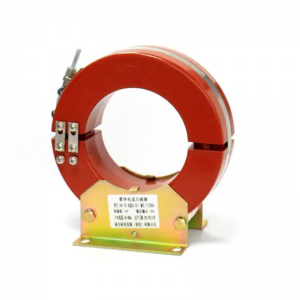
current transformer–LXK high voltage zero sequence
-
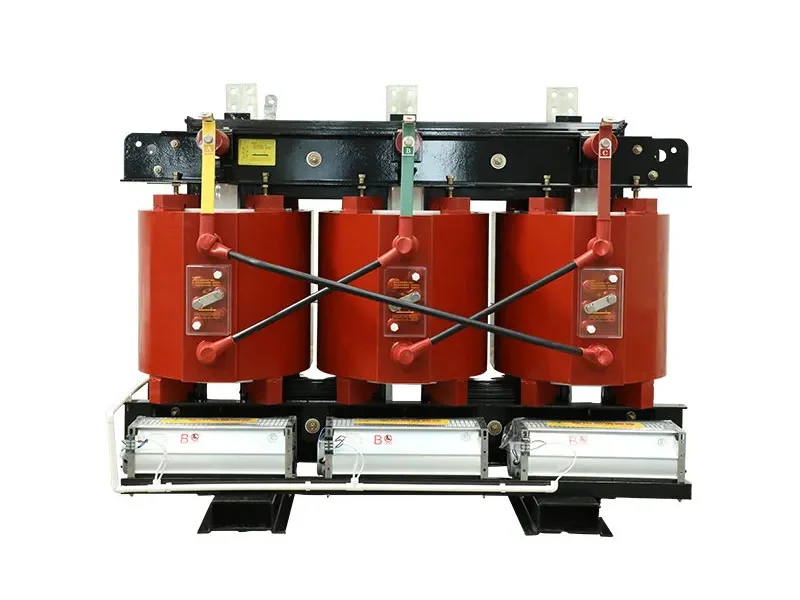
dry type distribution transformer-6-10 KV SCB series epoxy resin cast
-
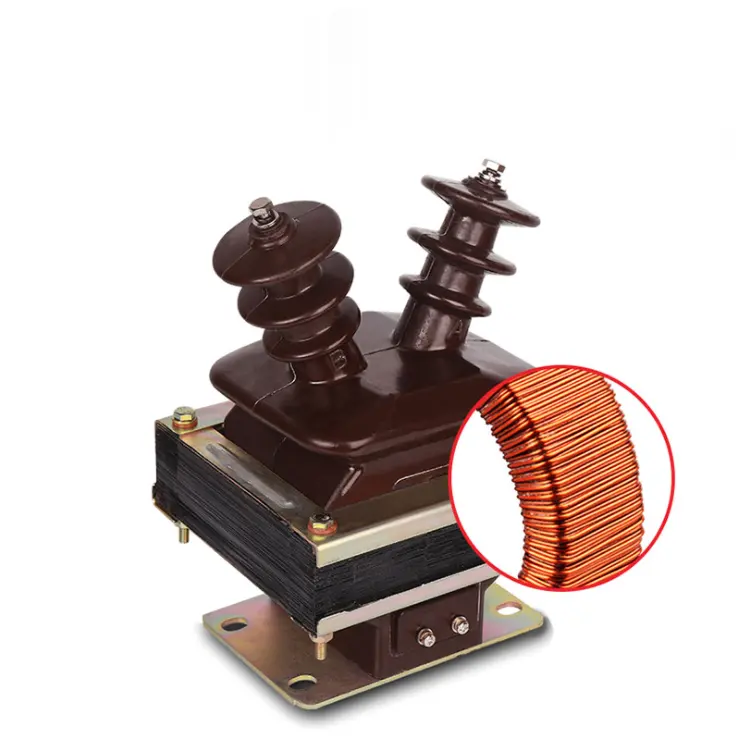
Electrical Transformers–JDZ – 10 Power Voltage
What Is an SH15-M Amorphous Alloy Transformer?
The SH15-M is a three-phase, oil-immersed distribution transformer whose core is built from amorphous alloy ribbon instead of grain-oriented silicon steel. Amorphous metal has no crystalline grain structure, so it magnetises and demagnetises with far less energy loss – the reason these cores cut the no-load (iron) loss so sharply. The M in the type name refers to the fully sealed, maintenance-light tank design.
For a distribution transformer that runs continuously – often loaded lightly for long hours – no-load loss is the dominant part of yearly energy cost. Choosing the SH15-M design pays back through lower network losses, which is why loss-reduction projects, rural networks and island grids specify amorphous units even though the first cost is higher than a conventional unit.
- Ultra-low no-load loss – amorphous core cuts iron loss by roughly 60-80% versus conventional designs.
- 30 – 2,500 kVA – standard range, three-phase, with project-specific ratings available.
- Fully sealed tank – corrugated-wall design needs no oil conservator or routine oil handling.
- 10kV class standard – 6kV, 20kV and 35kV primary options for other networks.
- Tested in-house – loss, ratio, insulation and dielectric checks per IEC 60076.
- Factory-direct – loss data, drawings and OEM options for utilities and EPC buyers.
Configurations We Build
The SH15-M platform can be arranged for different installation points and standards:
Pole-mounted SH15-M
a compact sealed unit for overhead rural and agricultural networks.
Plinth & substation type
larger ratings for ground-level installation and compact substations.
Custom voltage options
6kV, 10kV, 20kV and 35kV primaries with Dyn11 or Yyn0 connection.
SH15-M Technical Data (Typical)
| Parameter | Specification |
|---|---|
| Type | SH15-M three-phase oil-immersed amorphous core |
| Rated capacity | 30 – 2,500 kVA |
| Primary voltage | 6 / 10 / 20 / 35 kV |
| Secondary voltage | 0.4 kV (400V/230V) |
| No-load loss | approx. 60-80% lower than conventional silicon-steel units |
| Vector group | Dyn11 / Yyn0 |
| Cooling | ONAN, fully sealed corrugated tank |
| Standard | IEC 60076 / GB 1094 / GB/T 25446 (amorphous) |
How Much Energy Does an Amorphous Core Really Save?
The saving shows up in the no-load loss, which is the energy the transformer consumes just to stay energised. For a typical 10kV distribution rating, an SH15-M unit draws a significantly lower no-load current and iron loss than an equivalent conventional unit – in round terms 60-80% less iron loss for the same capacity and voltage class.
Translating that into money depends on the unit’s running hours, the loss capitalisation used by the utility and the local electricity tariff. As a planning figure, buyers usually compare the yearly no-load energy of the two options and calculate how many years the loss saving needs to recover the higher first cost.
The guaranteed values are not estimated – they are measured on the test bed and stated in the routine test report supplied with each unit.
Indicative comparison (same rating, 10kV class)
| Conventional silicon-steel unit | higher no-load loss; lower first cost |
|---|---|
| SH15-M amorphous unit | 60-80% lower no-load loss; higher first cost |
| Payback driver | running hours and loss capitalisation |
| Best suited to | lightly loaded networks and loss-reduction projects |
Typical Applications of SH15-M Units
The strongest business case is where transformers stay energised but carry little load: rural distribution, agricultural feeders, island and off-grid supplies, and sections of network with low load density.
Utilities also use amorphous units for replacement programmes because swapping an old high-loss transformer for an SH15-M unit immediately reduces the feeder’s technical losses without changing the network structure. For industrial users the amorphous option is worth evaluating when the transformer runs lightly at night and at weekends.
How the SH15-M Is Manufactured and Verified
Amorphous ribbon cores demand careful handling – the material is thin and brittle – so our production line controls core forming, annealing-friendly assembly and final testing in-house.
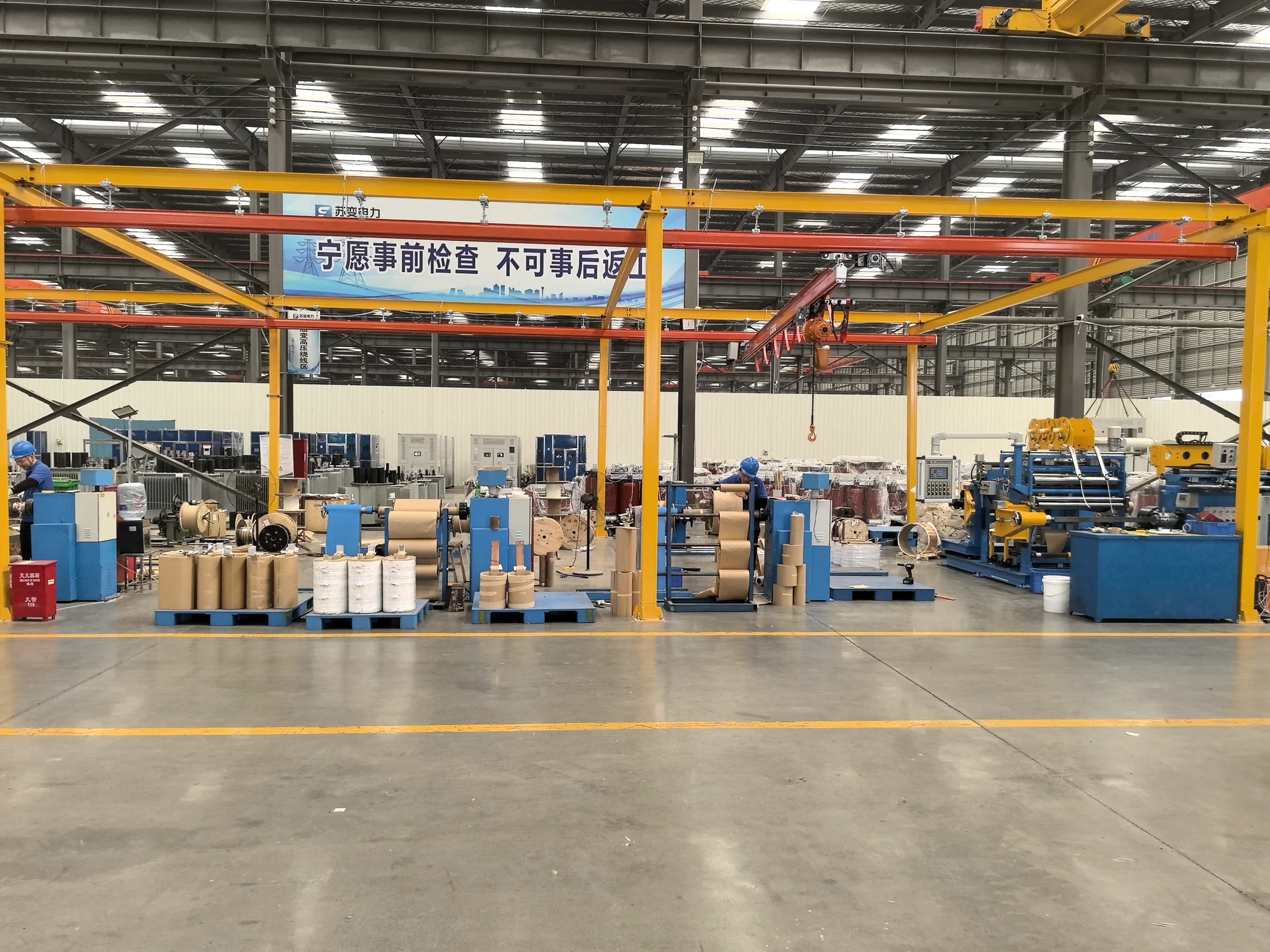
Amorphous Core & Material
Ribbon cores are formed and checked to keep core loss inside the design window.
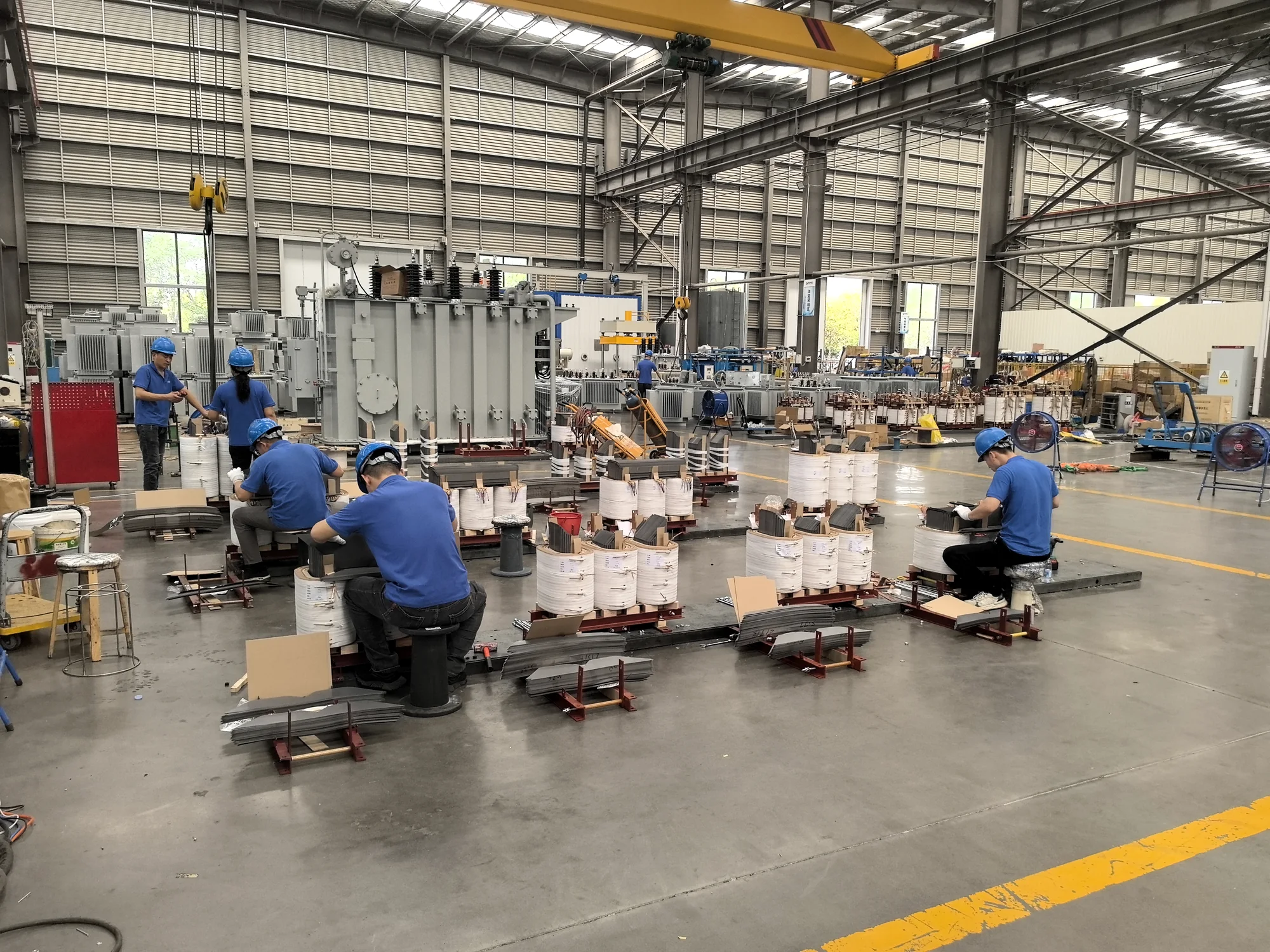
Winding & Assembly
Copper or aluminium coils are wound and assembled onto the core with controlled clamping.
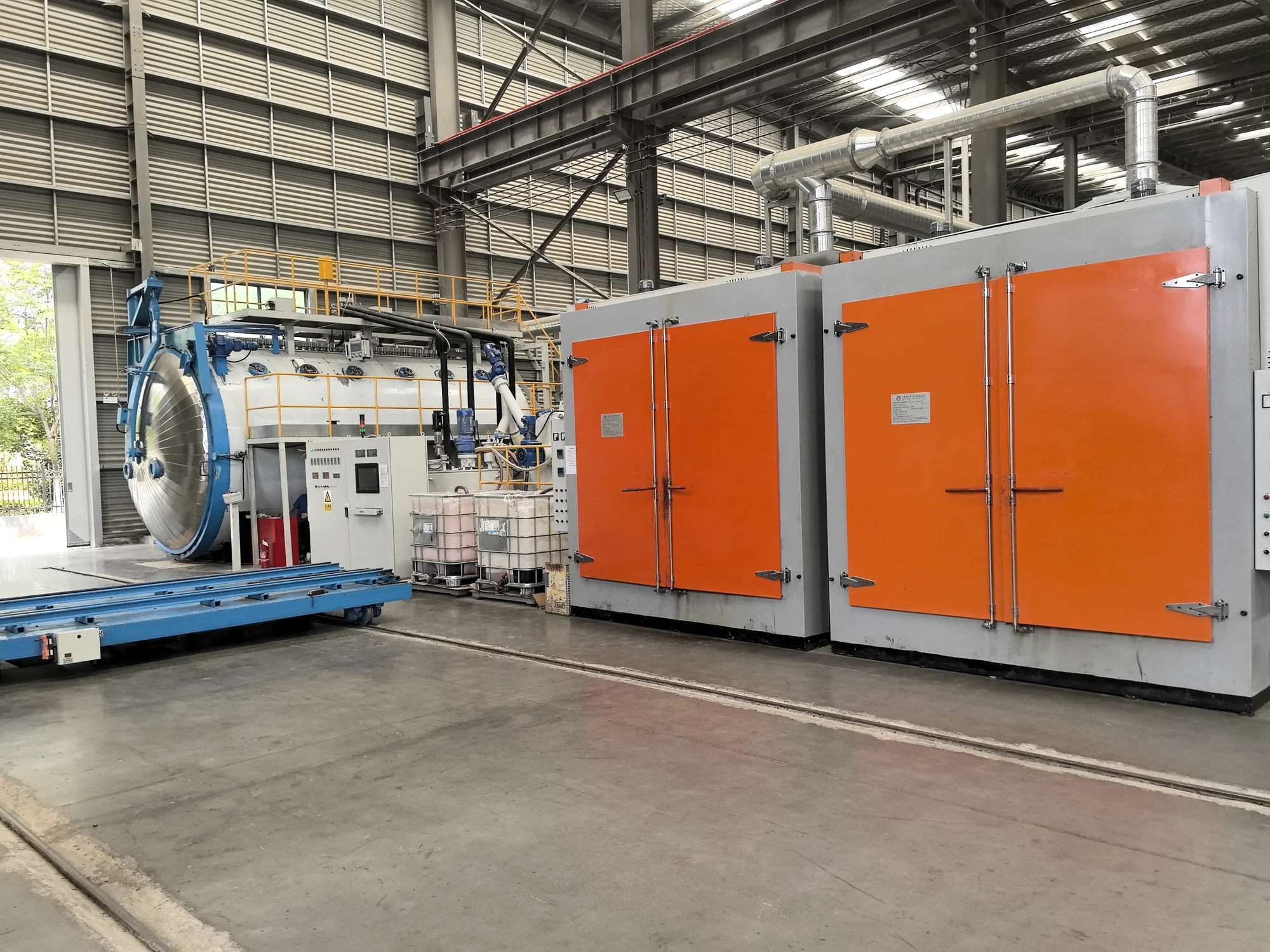
Vacuum Drying & Oil Fill
Careful drying protects the insulation before the sealed tank is filled.
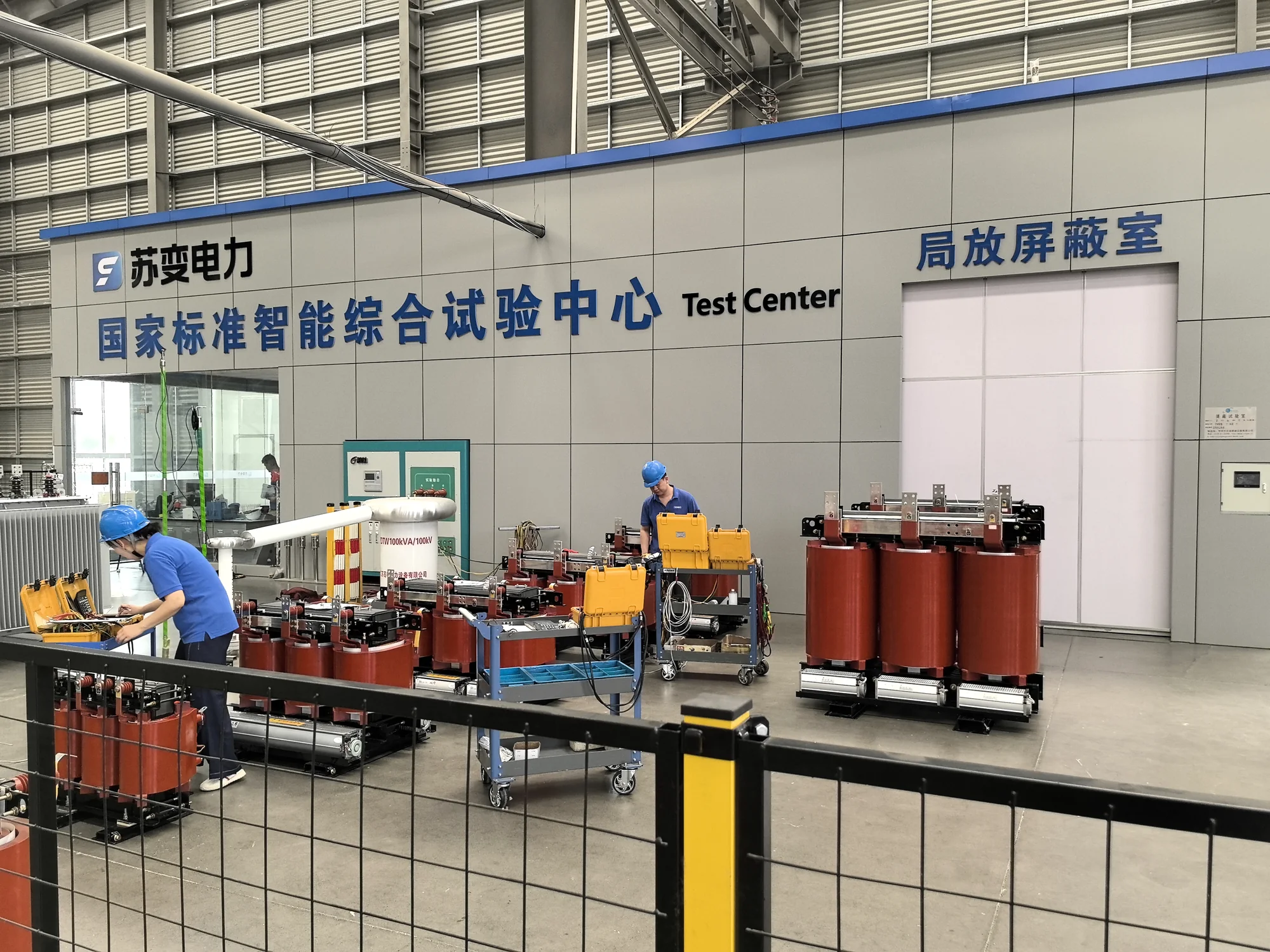
Quality & Testing Center
Every unit is routine-tested and issued with loss and dielectric reports.
OEM / ODM & Wholesale Amorphous Transformer Supply
Utilities, distributors and EPC contractors take amorphous units under their own brand with private-label plates and packaging.
OEM / ODM
Factory-Direct
Custom ratings, tappings and branding on the amorphous platform.
Factory direct · Test docs · Export support
Wholesale Supply
Volume Pricing
Container programmes for rural electrification and upgrade projects.
Factory direct · Test docs · Export support
Distributor Support
Channel Partners
Loss comparison data and tender documents for channel partners.
Factory direct · Test docs · Export support
Amorphous vs Silicon-Steel Distribution Transformers
The trade-off is simple to describe: an amorphous-core unit costs more to buy but wastes far less energy at light load. For a network transformer that is lightly loaded for most of the year, the loss saving can outweigh the price difference within a few years of operation.
Conventional grain-oriented silicon-steel transformers (for example S11 and S13 class) remain the economical choice where first cost dominates and loading is heavy and continuous. Our engineers help buyers compare the guaranteed loss figures and calculate the payback for their actual load profile before ordering.
Choosing an Amorphous Transformer Factory
Ask for the guaranteed no-load and load-loss values from the type-test report – amorphous claims are only meaningful against measured figures. Then compare the core material source, the tank construction and the factory’s experience with amorphous ribbon, which needs different handling from silicon steel.
Subian manufactures the SH15-M in-house with ISO9001, ISO14001, ISO45001, CE and UL certified systems, and supplies loss data, drawings and test reports with every order. Buyers can visit the factory or take the VR tour before placing a volume order.
Finally, confirm the supplier can deliver to your project timetable and documentation requirements – amorphous units are often part of funded loss-reduction schemes with specific reporting needs.
Certifications & Quality Assurance
Our amorphous and conventional transformer production runs under ISO9001, ISO14001 and ISO45001 systems with CE and UL certification and type-test evidence to 110 kV class.
Product Certifications
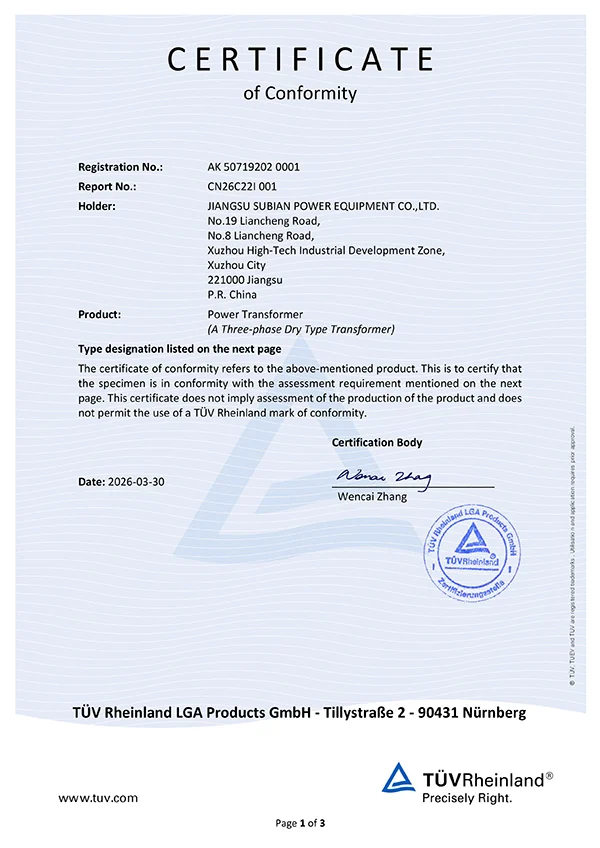 10 kV Dry-Type Transformer Certificate
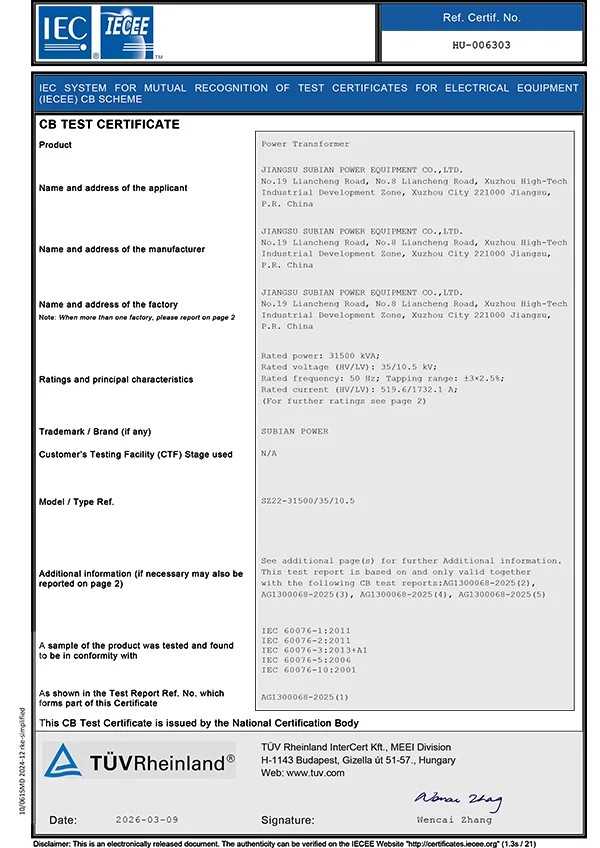 35 kV Transformer CB Certificate
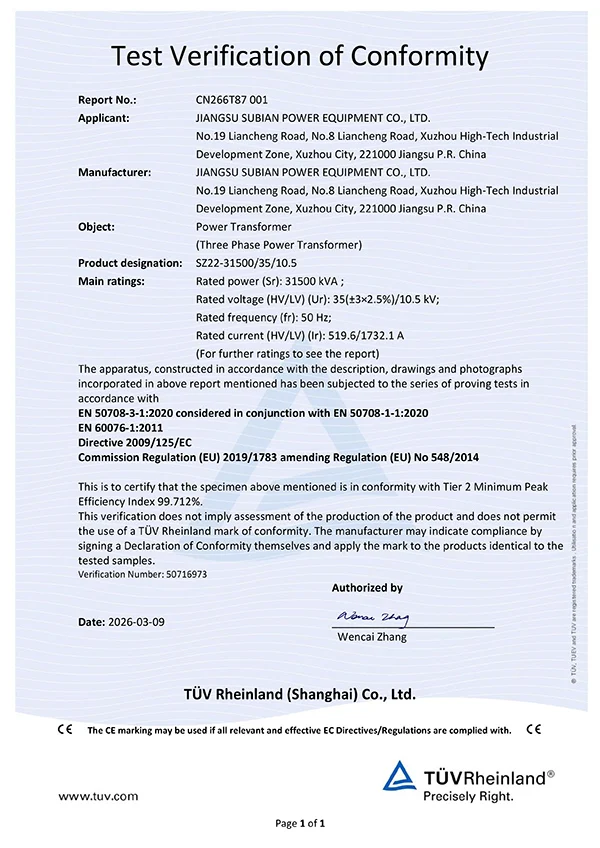 35 kV Transformer CE Verification
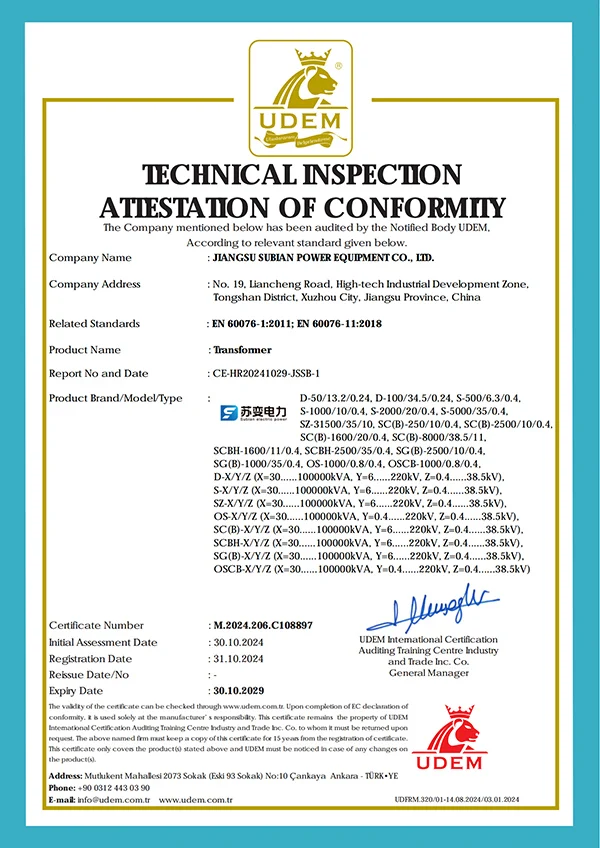 Transformer CE Certificate
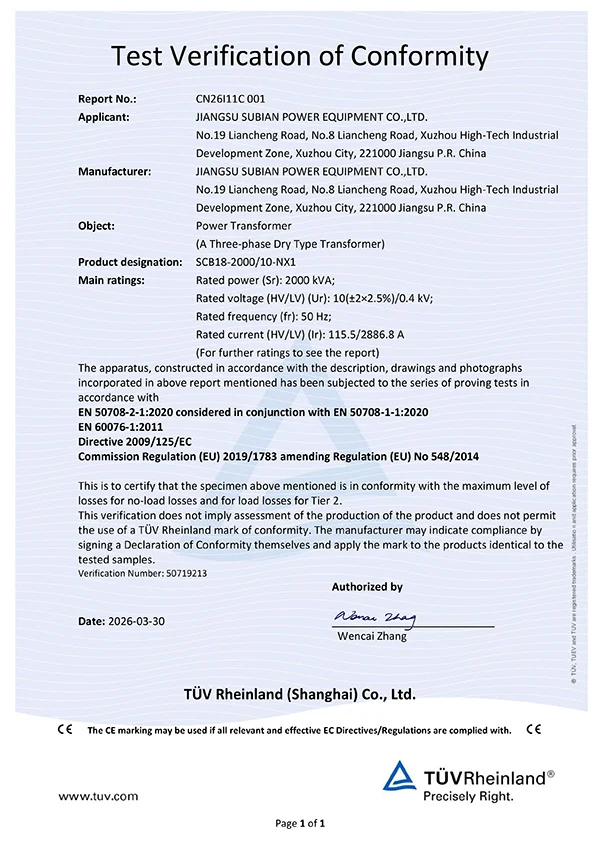 Dry-Type Transformer Test Verification
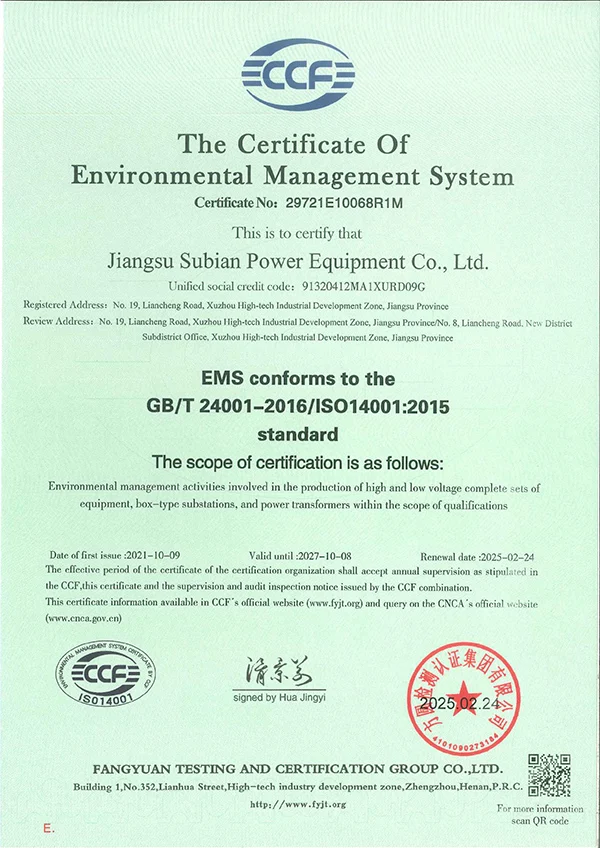 ISO 14001 Environmental Management
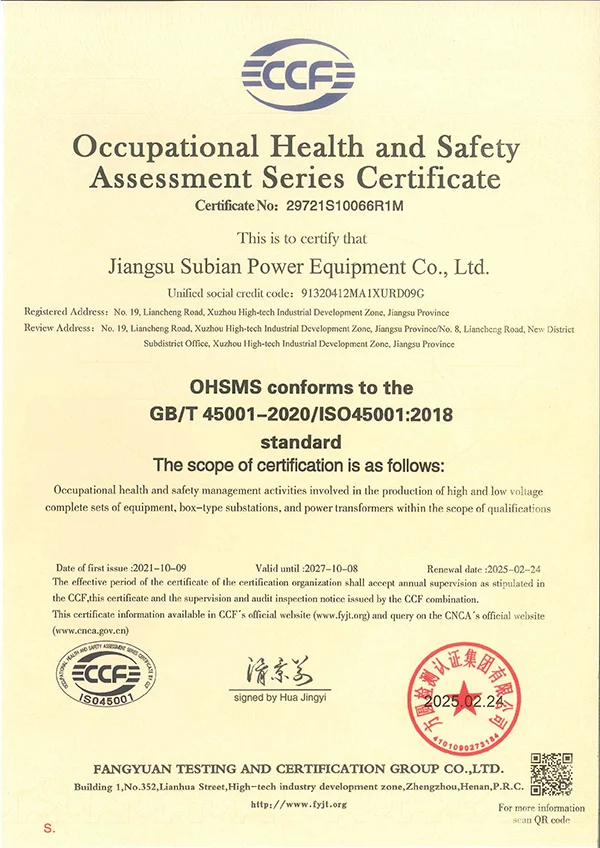 ISO 45001 Health & Safety
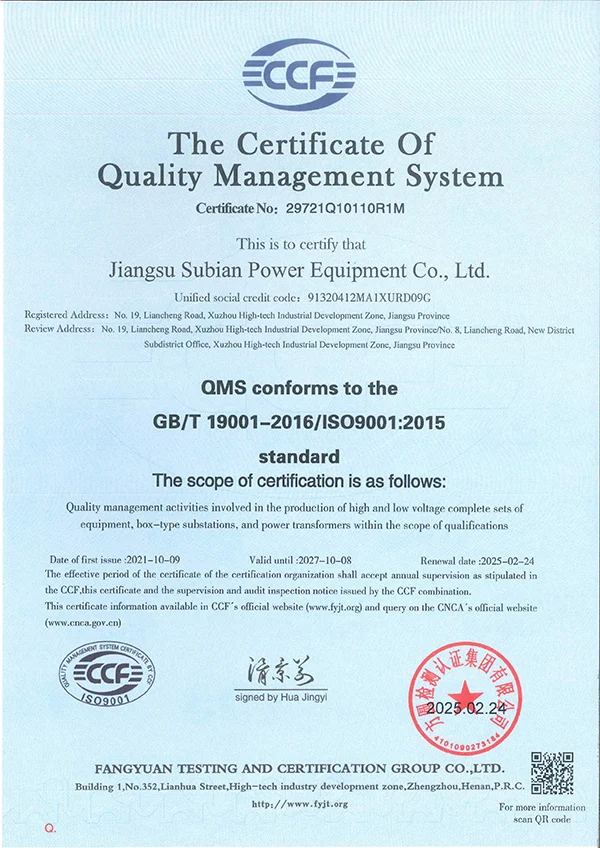 ISO 9001 Quality Management
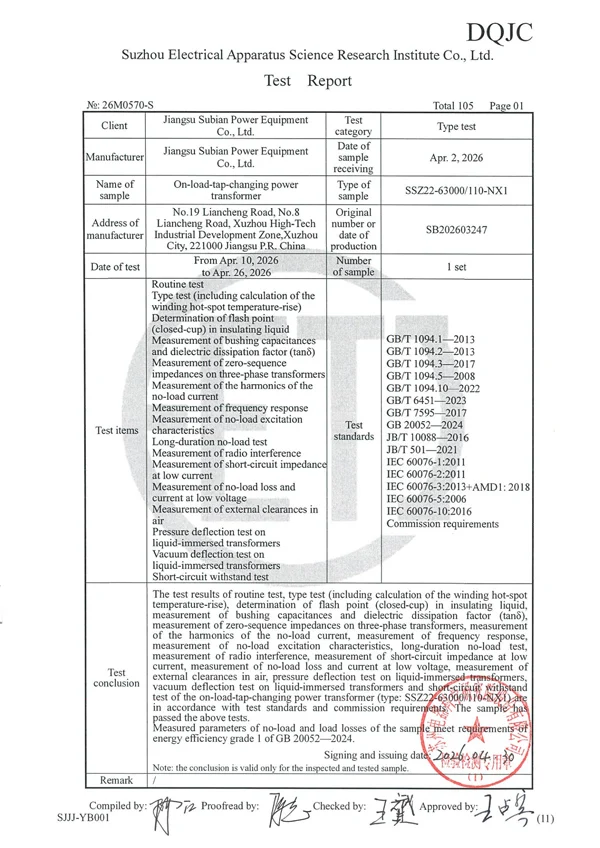 110 kV Transformer Type Test Report
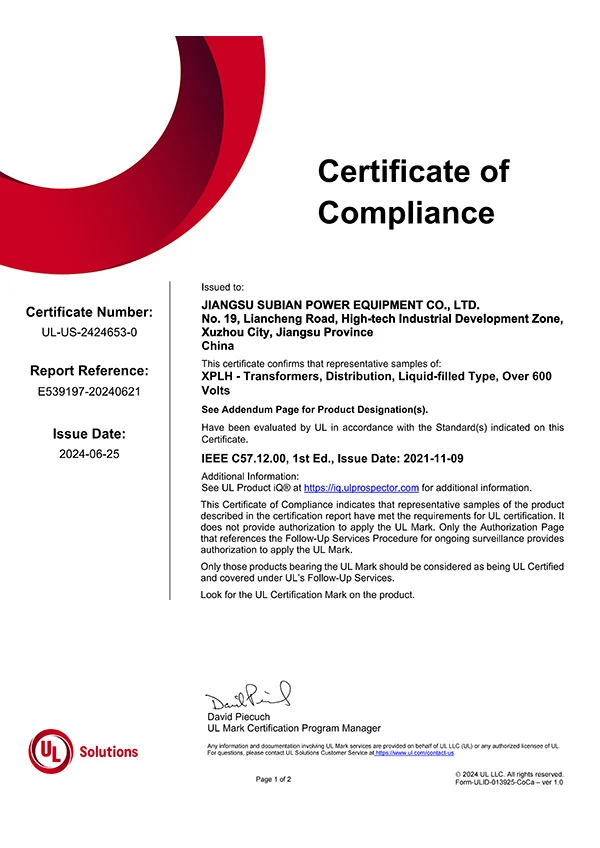 UL Certificate of Compliance
SH15-M Amorphous Alloy Oil Immersed Transformer Factory FAQ
Common questions about SH15-M amorphous transformers, their loss performance and factory sourcing.
What is an SH15-M amorphous alloy transformer?
Why are transformers immersed in oil?
What are the key differences between oil-immersed and dry-type transformers?
Why choose an amorphous core over a conventional silicon steel core?
How much can an amorphous transformer save per year?
Contact Subian
Need the Right Specification?
Tell us your target market, product type, quantity and technical requirements. Our team will help you identify a suitable configuration for your project.