

Pad Mounted Electrical Transformer Manufacturers – Ground Level Supply
Subian Electric manufactures pad mounted electrical transformers for utility and commercial distribution at its 50,000-square-metre factory in Xuzhou, Jiangsu, China. Subian’s 350+ employees have served utilities in 50+ countries since 2019.
As a factory-direct manufacturer and supplier, Subian provides pad-mounted units with factory pricing, custom configurations and complete test documentation.
Send your voltage, capacity and standard. Subian’s export team will respond with a quotation and technical proposal.

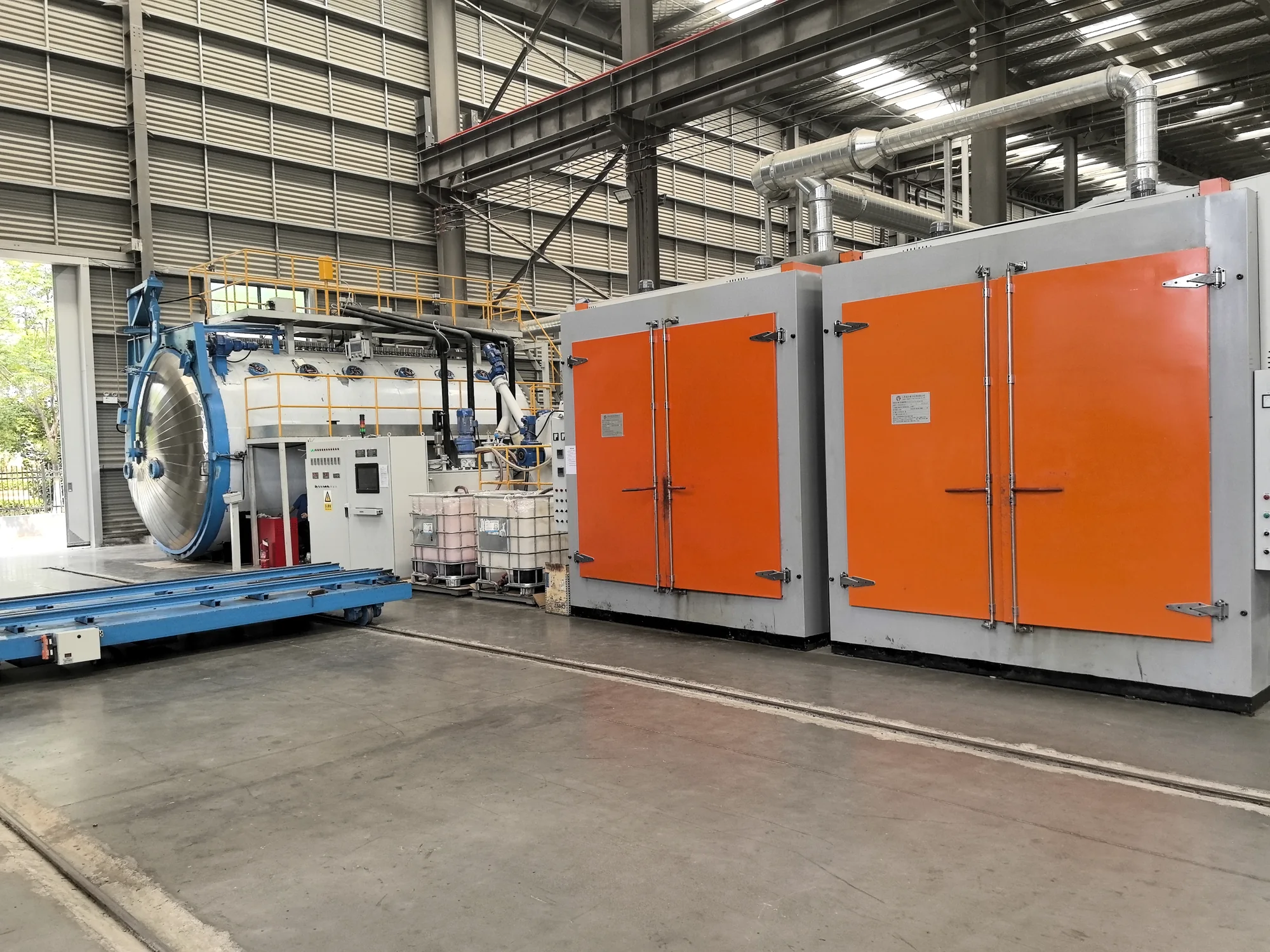
Pad Mounted Transformers Manufactured by Subian
Pad mounted transformers from 50 kVA to 2500 kVA – dead-front and live-front designs for utility, commercial and residential distribution.
-
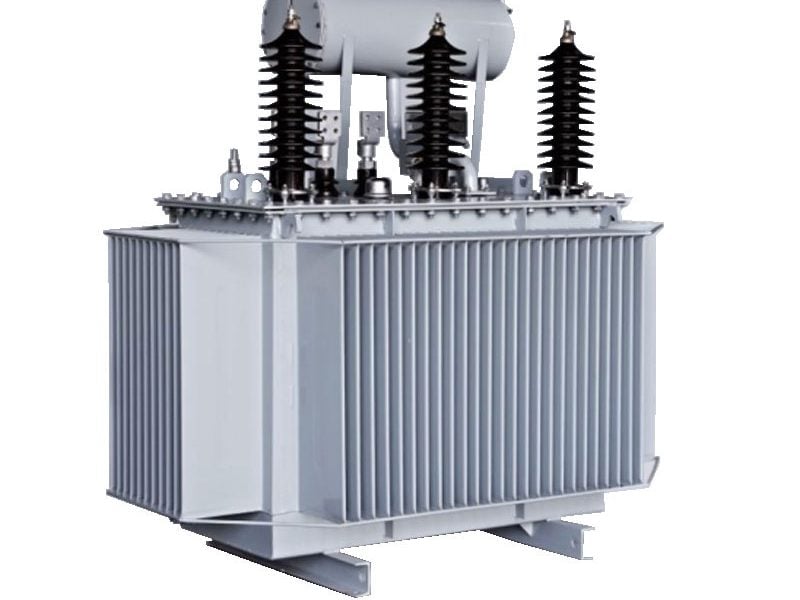
20KV Oil-immersed Distribution Transformer
-
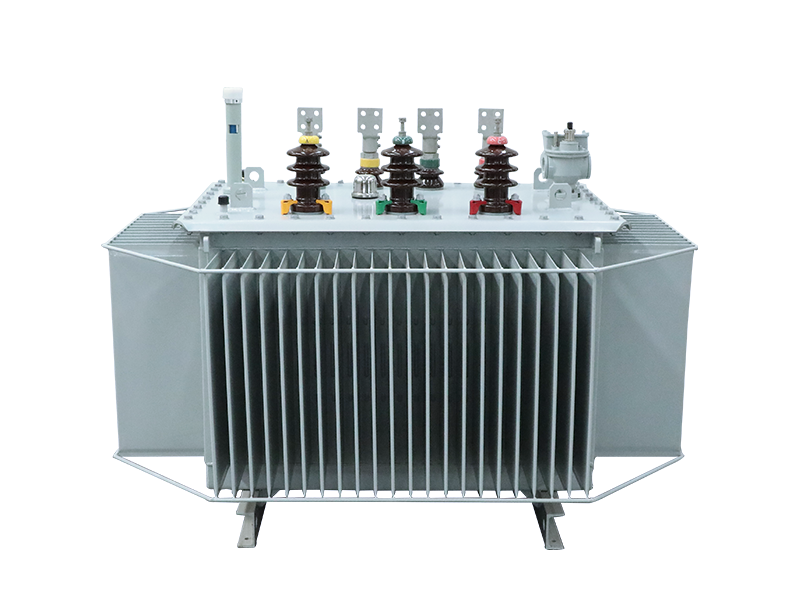
6-10KV Oil-Immersed Power Distribution Transformer
-
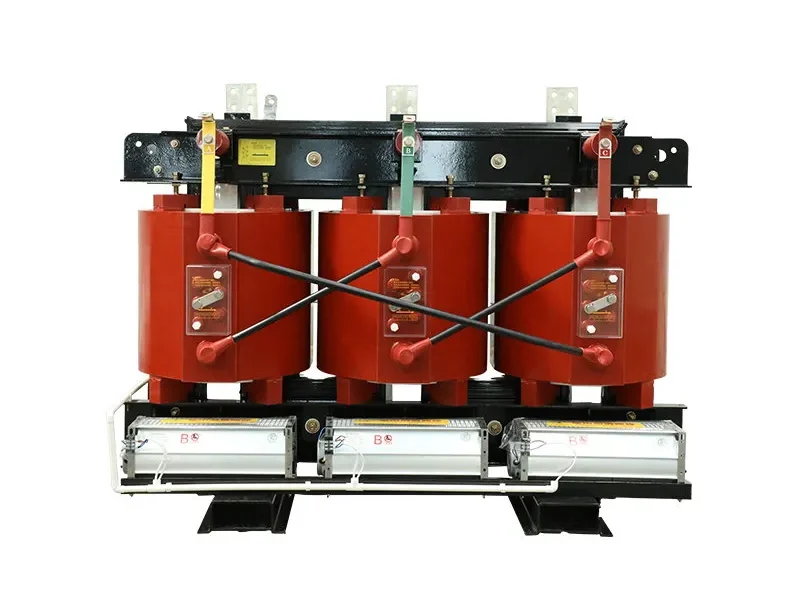
dry type distribution transformer-6-10 KV SCB series epoxy resin cast
-
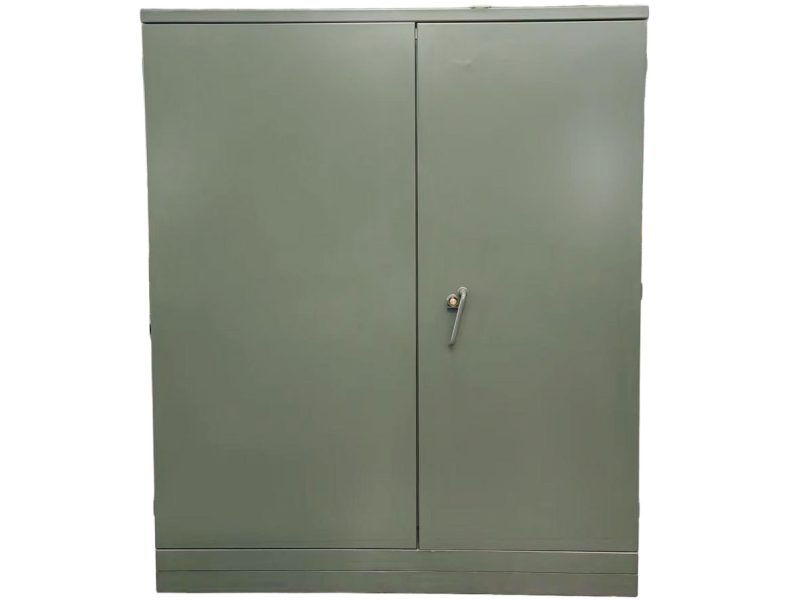
Pad Mounted Three – Phase Transformer
-
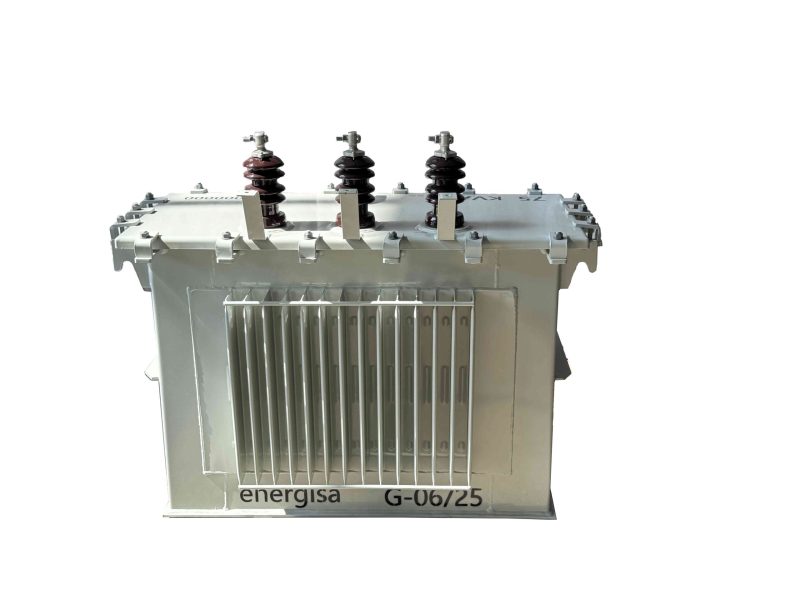
Power Distribution Transformer–TRANSFORMADOR TRIFASICO TIPO POSTE
-
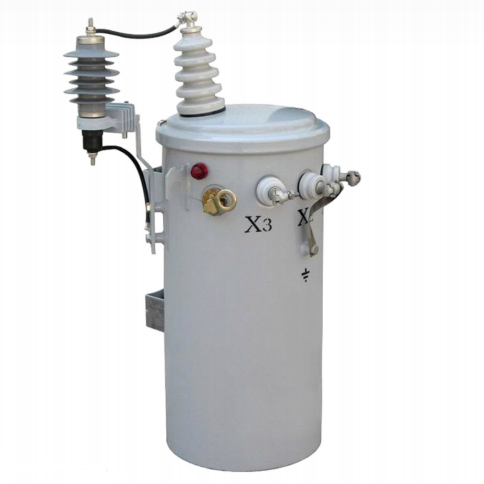
Single Phase Pole Mounted Power Transformer
What Is a Pad Mounted Electrical Transformer?
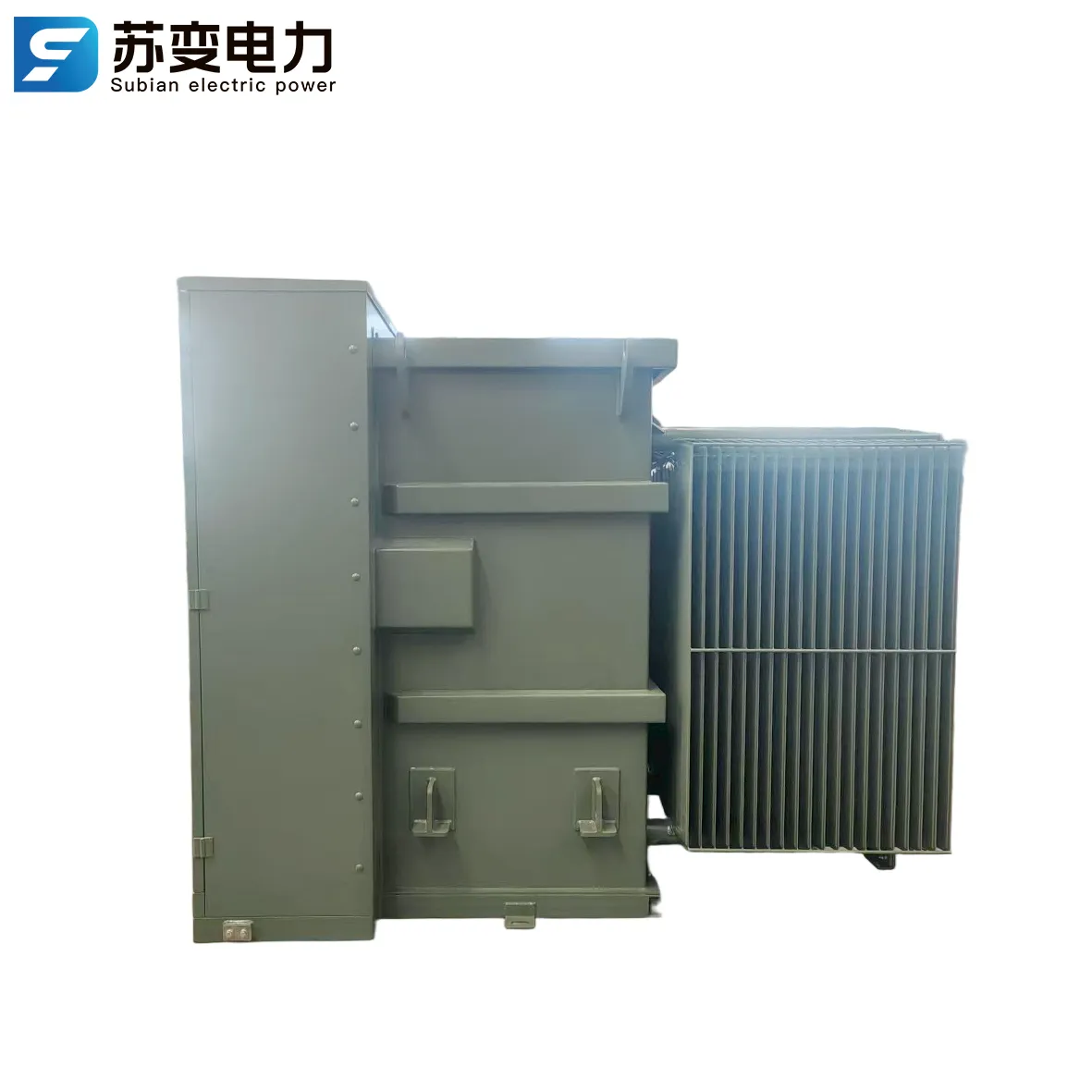
A pad mounted transformer sits on a concrete pad at ground level in a locked steel enclosure, stepping distribution voltage down for local supply. It is the standard for urban and commercial distribution where overhead lines are not used.
Pad-mounted units serve commercial centres, residential developments, industrial parks and campuses – safe, compact and easy to service from ground level.
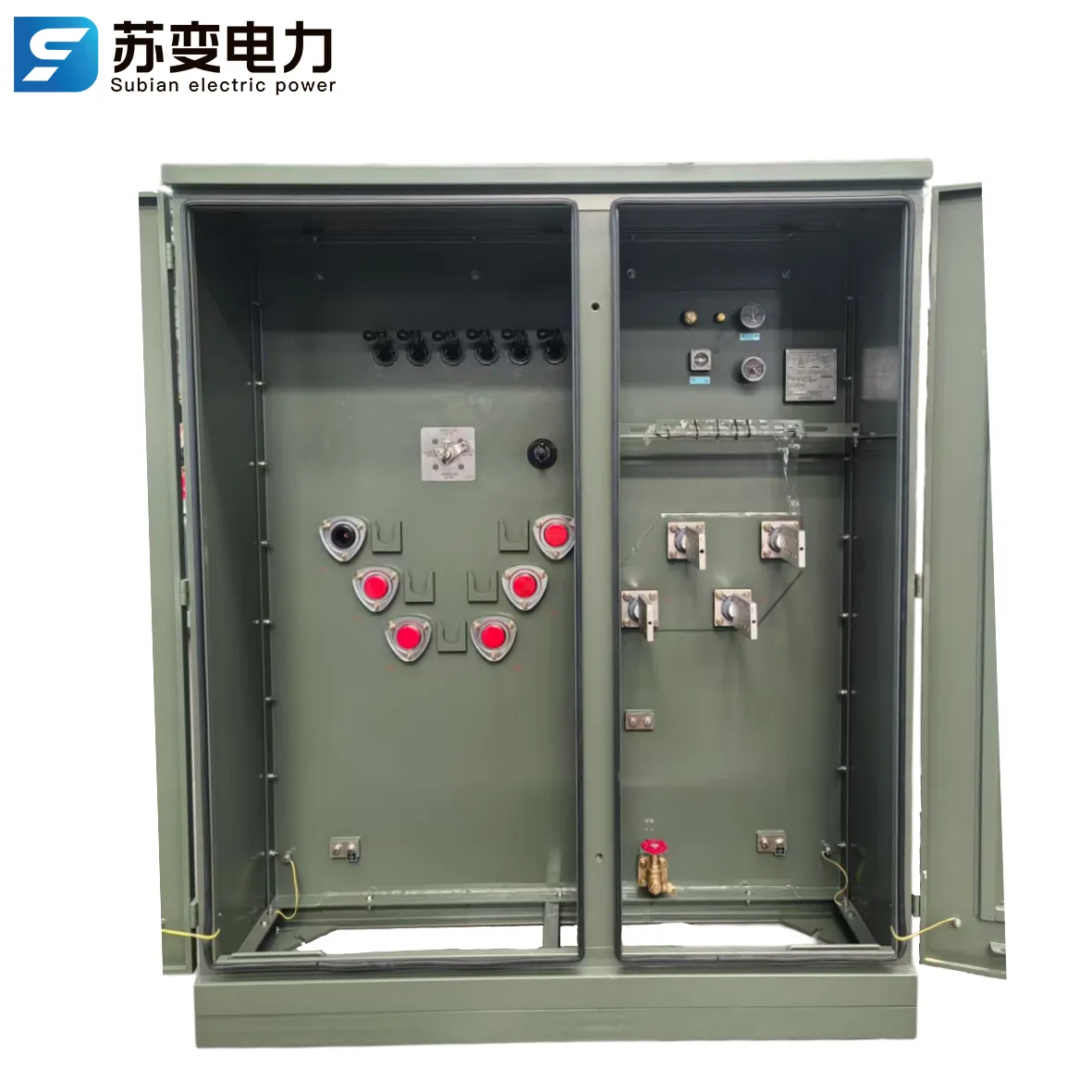
What Buyers Check Before Ordering
- Ground-level design – safe, compact and serviceable.
- 50 kVA – 2500 kVA – capacity range for distribution duty.
- Dead-front options – safety-enhanced designs for utility duty.
- 50,000m² factory – in-house winding, vacuum drying and testing.
- 350+ employees – engineering, quality and export teams.
- OEM / ODM & wholesale – custom branding, packaging and volume supply.
Main Types of Pad Mounted Transformers
Three arrangements cover almost every pad-mounted requirement. The choice follows the network operator’s practice rather than the transformer itself:
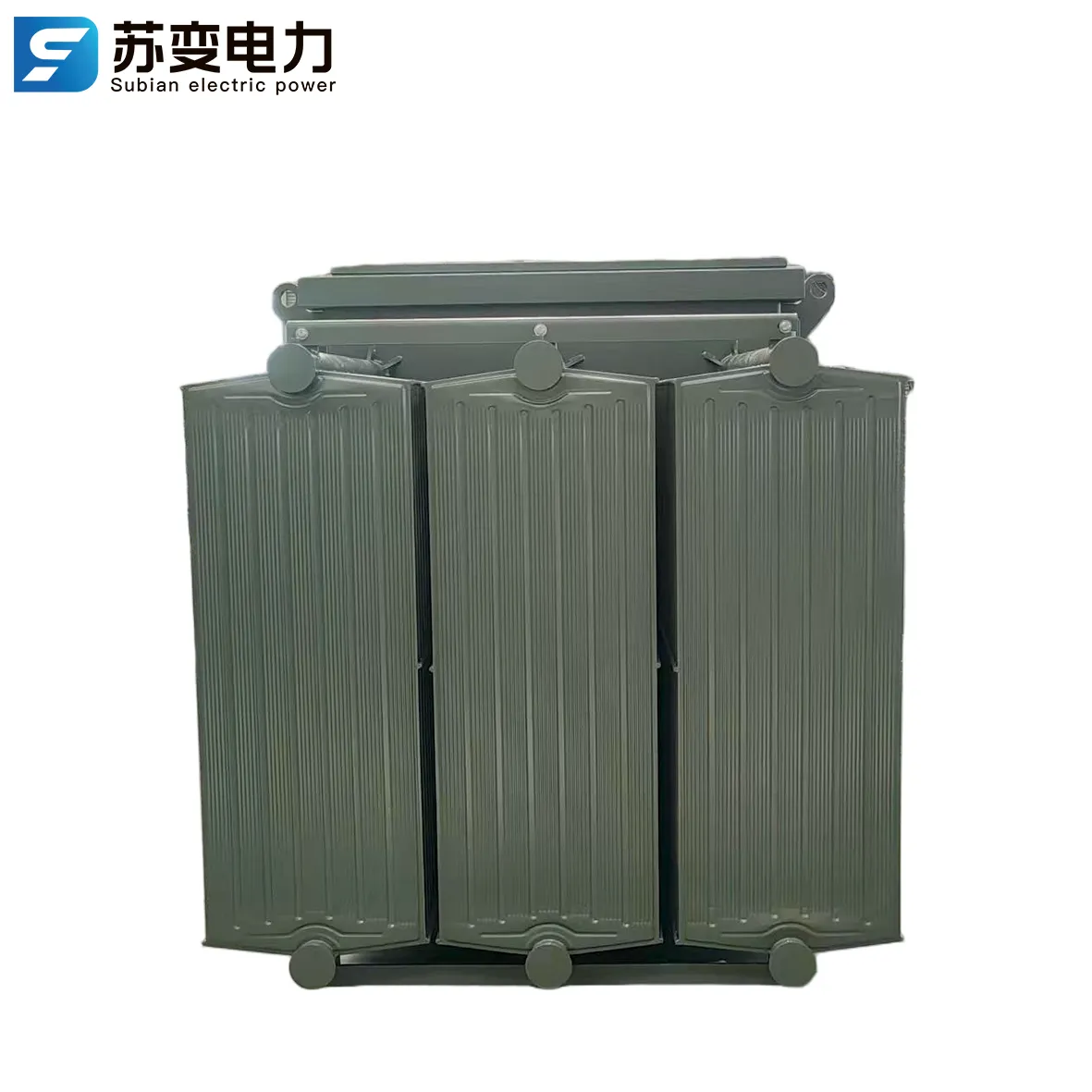
Dead-Front
Public areas
High and low voltage terminations sit behind a sealed barrier, so nothing is live when the door is open. The default for streets, schools and commercial plots.
200 A or 600 A elbows / load-break / IEEE C57.12.34
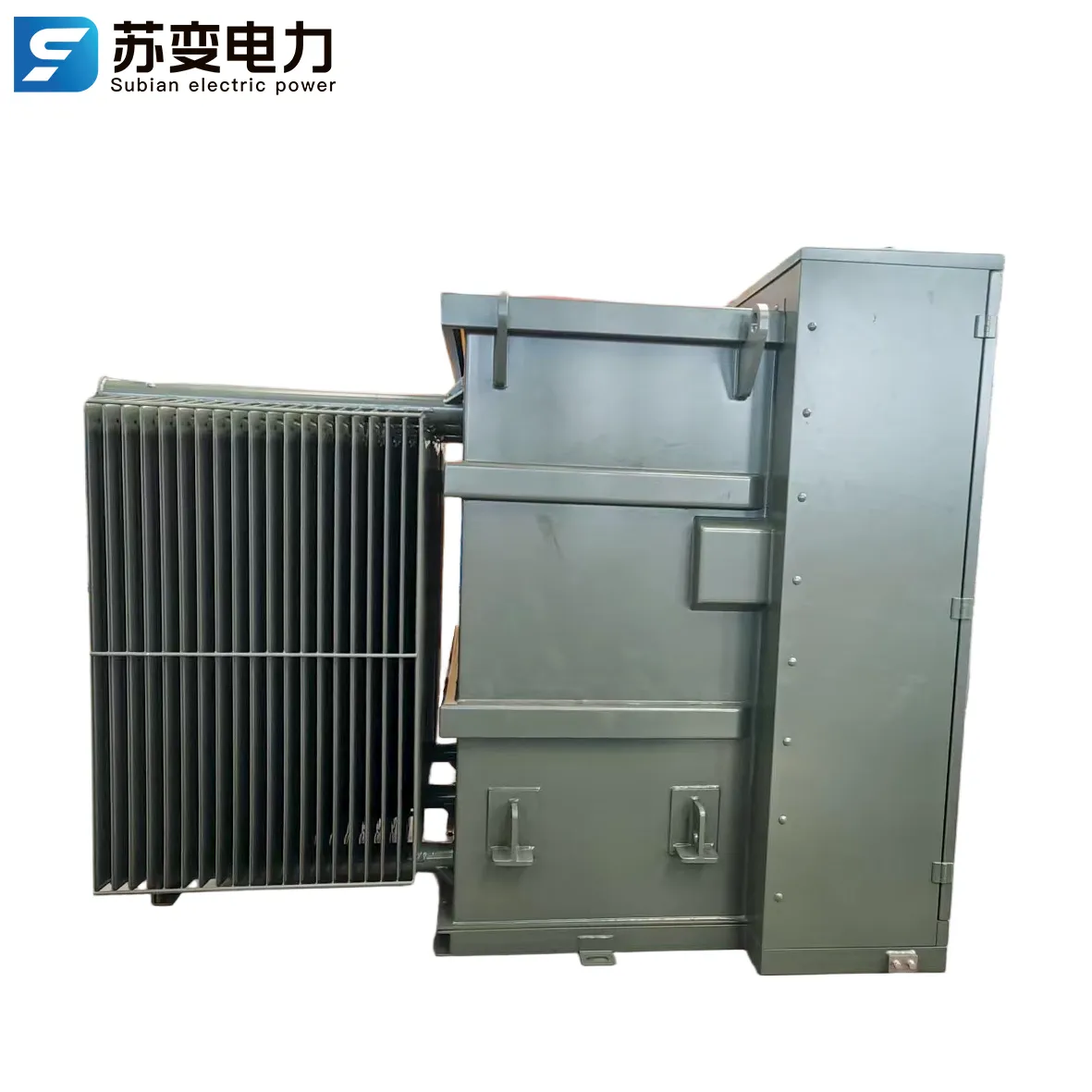
Live-Front
Utility practice
Exposed studs and separable connectors, used where utility crews work to live-front practice and the installation is fenced or access-controlled.
15-35 kV class / bolted or clamp terminals
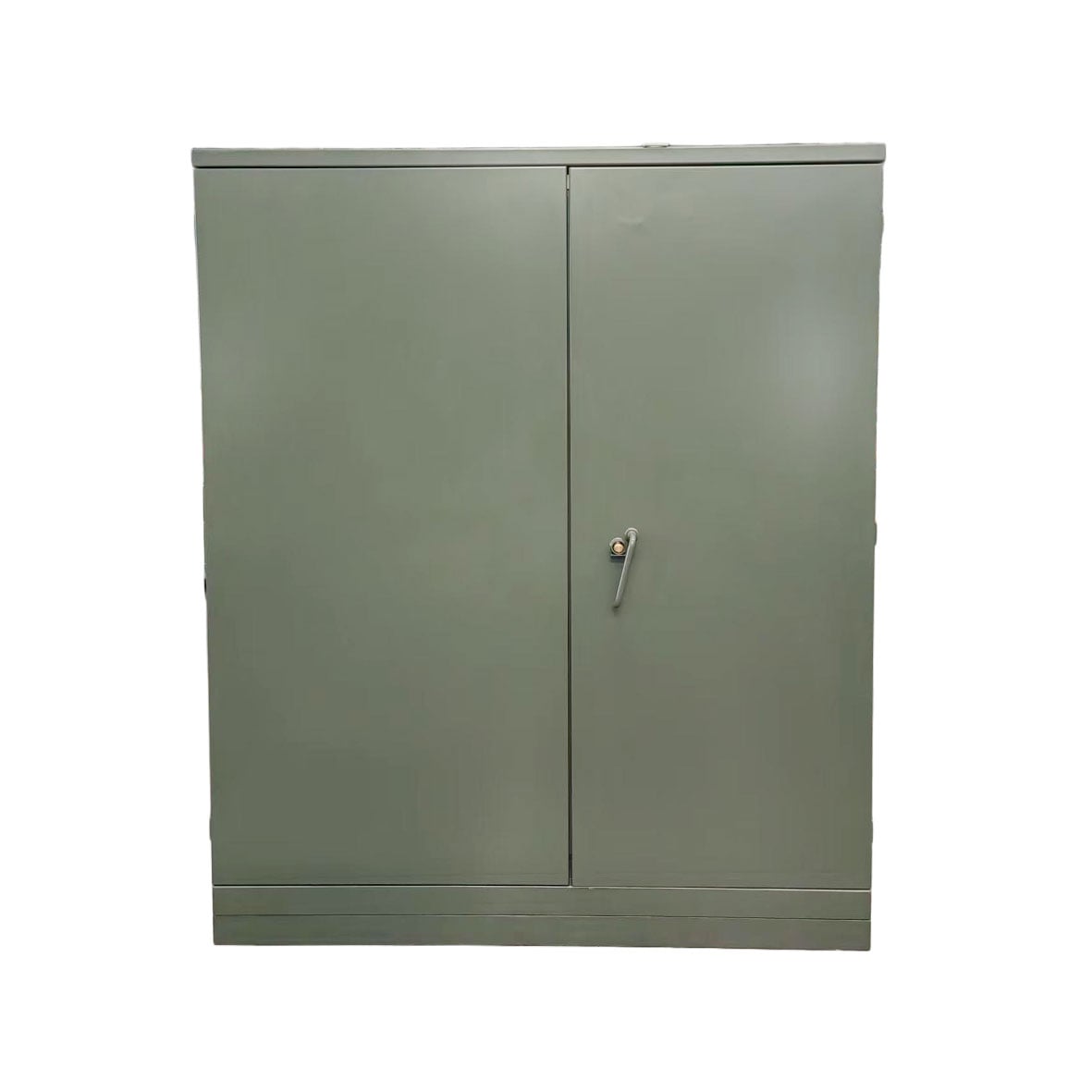
Network and Submersible
Vaults, flood-prone sites
Sealed for occasional submersion in vaults and underpasses, and for secondary network systems where units sit below street level.
IP68 sealing / welded tank / stainless hardware
Pad Mounted Transformer Specifications
| Parameter | Specification |
|---|---|
| Rated voltage | 6 kV – 35 kV class |
| Rated capacity | 50 kVA – 2500 kVA |
| Enclosure | Pad-mounted, locked steel |
| Cooling | ONAN |
| Frequency | 50/60 Hz |
| Standard | IEC 60076 / GB 1094 |
Which Standard Applies to Your Pad Mounted Order
A pad mounted unit is bought against a standard, not against a photograph. The standard decides the insulation level, the enclosure test and the nameplate data.
| Standard | What it covers | When buyers ask for it |
|---|---|---|
| IEEE C57.12.34 | Three-phase pad-mounted distribution transformers, 15-35 kV class | North American utility practice, and projects written to US or Canadian specifications |
| IEEE C57.12.22 | Single-phase pad-mounted units | Rural and residential single-phase networks |
| IEC 60076-1 / -2 / -3 | General requirements, temperature rise and insulation levels | Most projects outside North America, including the Middle East, Africa and Asia |
| DOE 10 CFR 431 | Minimum efficiency for distribution transformers sold in the US | Any unit installed on a US site, whatever the country of manufacture |
| CAN/CSA C227.4 | Three-phase pad-mounted units for Canadian service | Canadian utilities and provincial specifications |
| ASTM B117 | Salt-spray corrosion testing of the enclosure finish | Coastal, offshore and heavy-industrial sites |
| IEEE C57.12.28 | Enclosure integrity and tamper resistance | Public-access installations where the cabinet is within reach of the street |
Where two standards conflict, the purchase specification wins, and the conflict is recorded on the drawing before production. That is the point at which a pad mounted transformer supplier either understands the order or does not. Type test reports are issued against the model, so ask for the report that names the rating you are buying.
Pad Mounted Transformer Manufacturing at Subian’s 50,000 m² Factory
From winding to vacuum drying, oil filling, enclosure assembly and testing – every pad-mounted unit is built and tested at Subian’s Xuzhou facility.
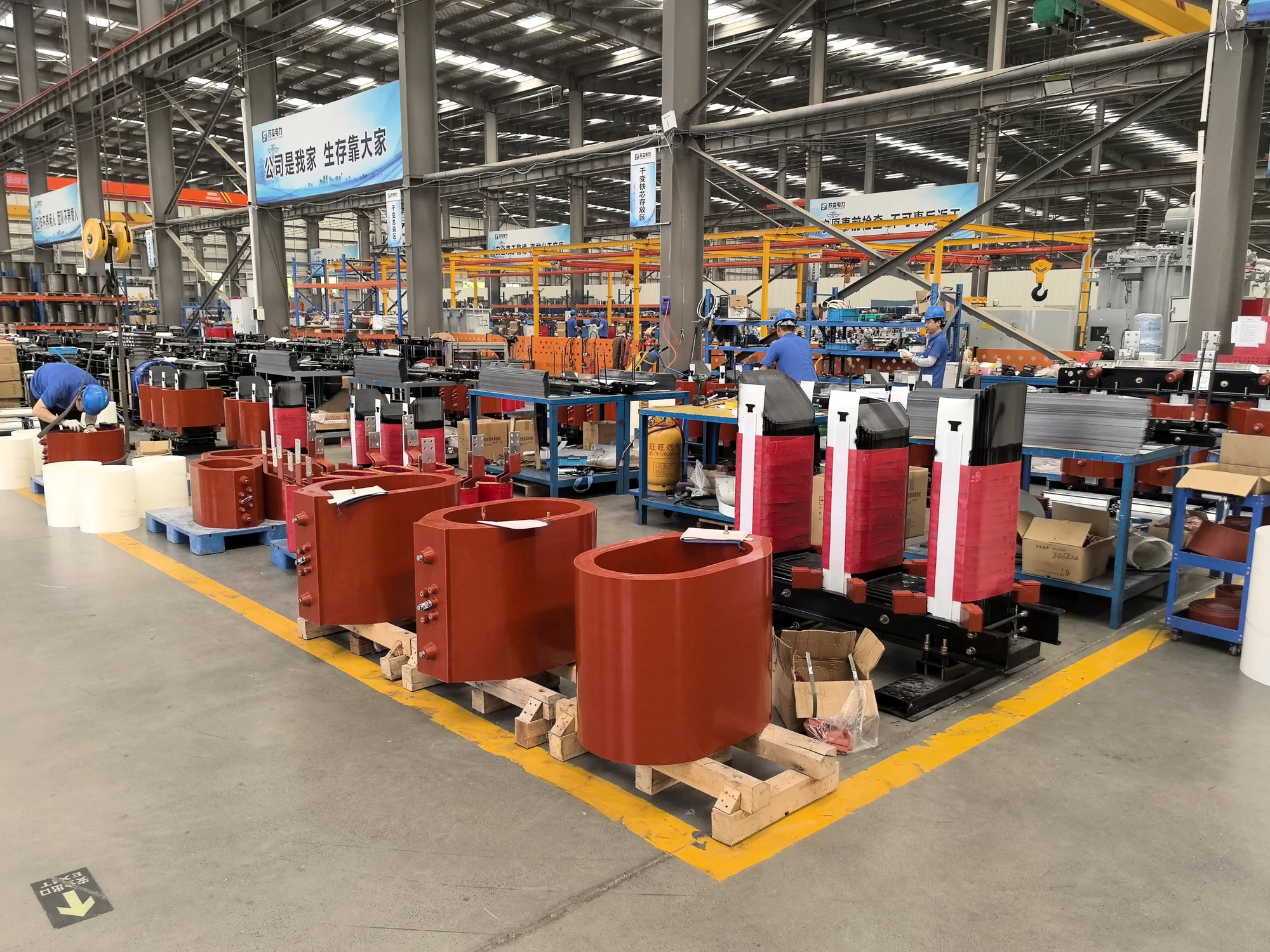
Production Workshop
Controlled winding, core processing and vacuum drying with quality checkpoints between every stage, so quality is built in from the start.
Learn More →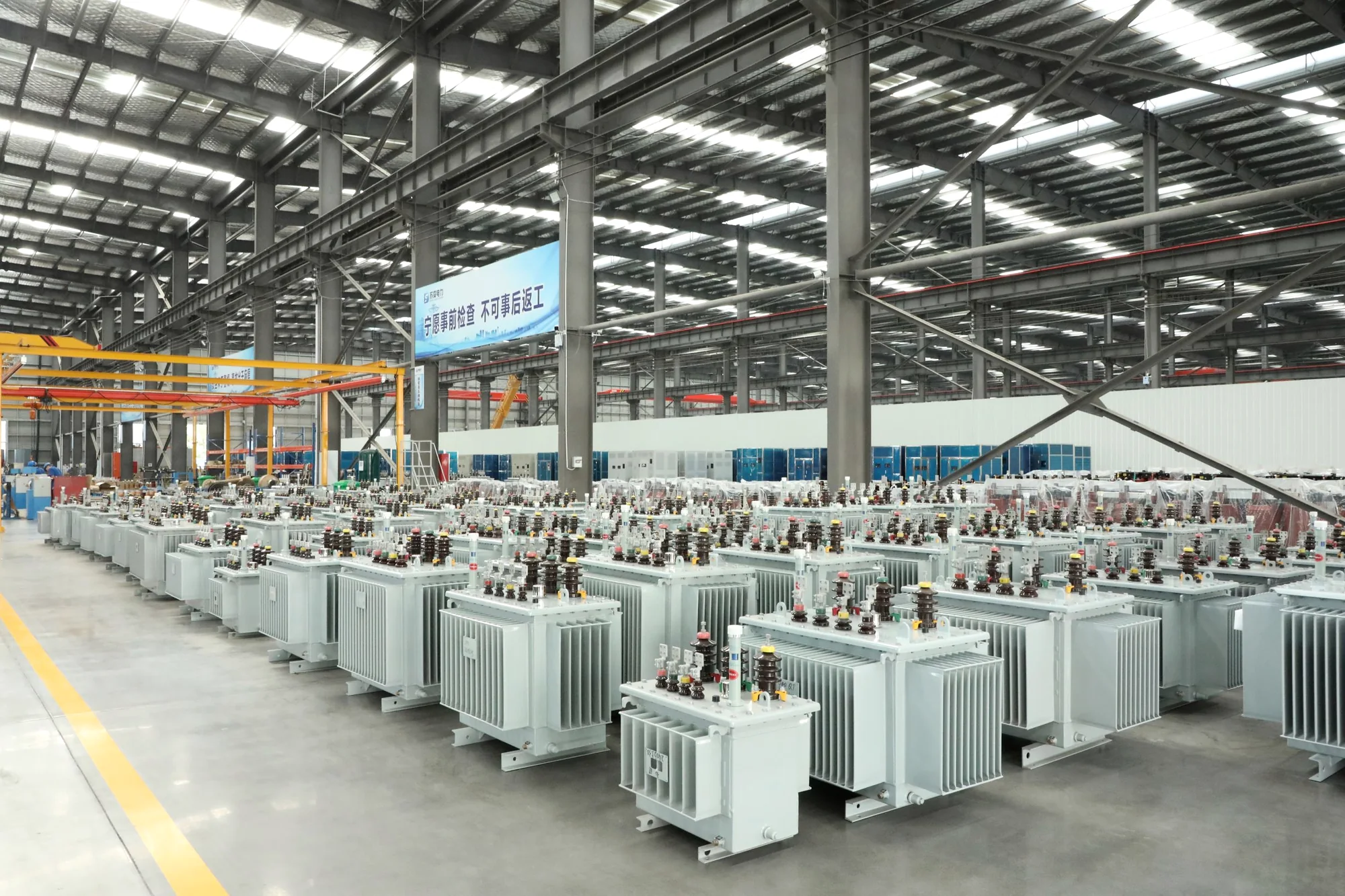
Quality & Testing Center
Routine inspection on every unit before delivery, with type test reports supporting project approval and market certification.
Learn More →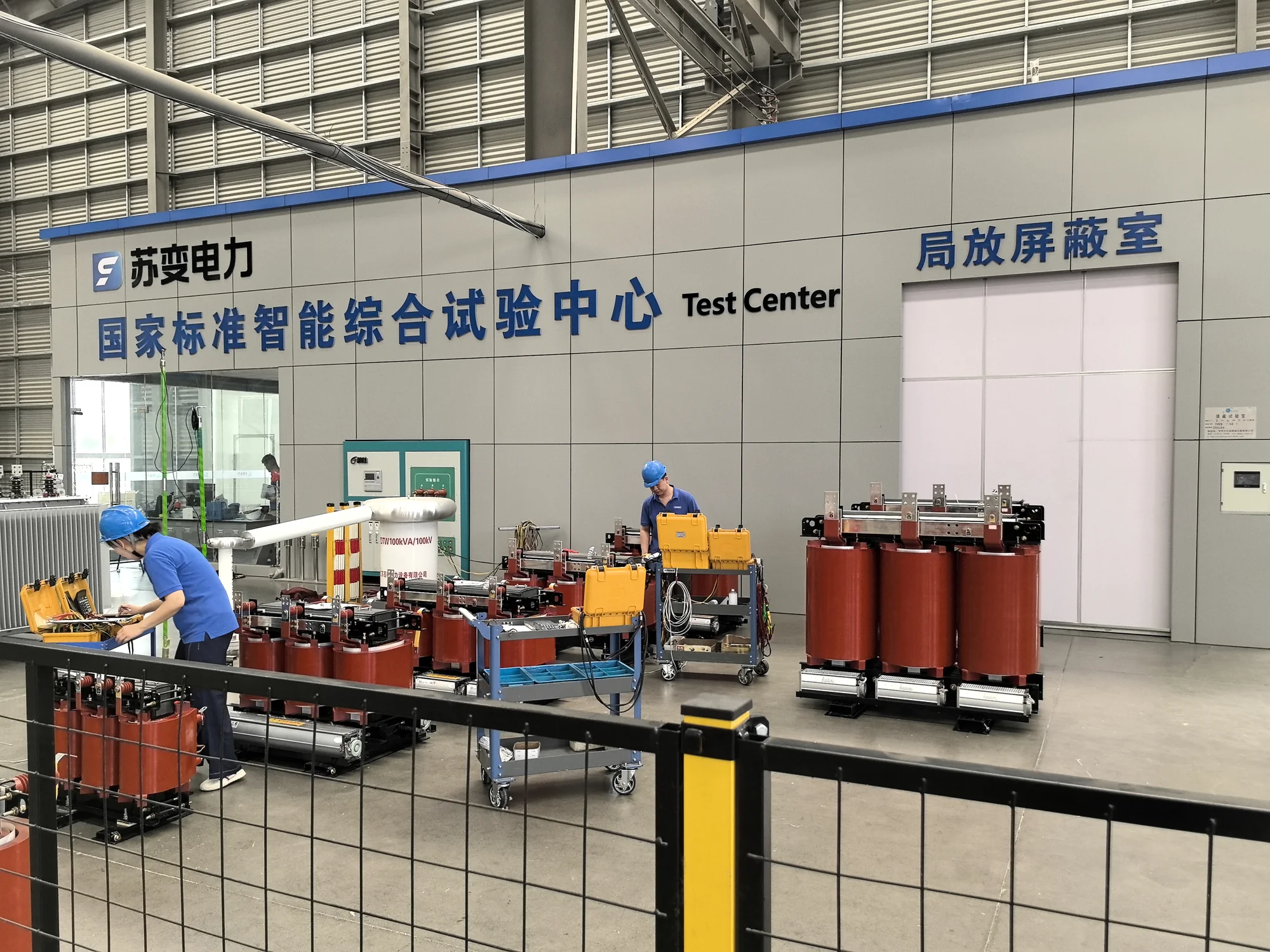
Materials & Components
Core materials, windings and components are checked against the approved bill of materials on every production run.
Learn More →
OEM / ODM / Agency Supply
Custom branding, packaging and configurations for global partners – from nameplate to complete product design – supported by a dedicated export team.
Learn More →Pad Mounted Units in Service
Two recent orders show the two routes this equipment usually takes: a generation project that needed a compact footprint, and a utility that needed volume with consistent packing.
| Project | Location | Application | Supply model |
|---|---|---|---|
| Pad-mounted transformers for a solar power station | Ecuador | Photovoltaic generation | Direct export |
| Pad-mounted and submersible units for a distribution network | Venezuela | Utility distribution | Direct export |
Solar and storage projects usually need a compact footprint and a short cable run to the inverter; see solar and renewable energy plants. Utility replacements put the emphasis on packing, nameplate data and repeatability; see utility grid and substation upgrades.
OEM/ODM & Wholesale Pad Mounted Transformer Supply
Utilities and distributors can brand or resell pad-mounted units with custom nameplates and documentation.
OEM / ODM
Factory-DirectCustom branding, packaging and product variants built on Subian’s standard platforms – from a nameplate to full product design.
Custom nameplate · Custom packaging · Full test docs
Wholesale Supply
Volume PricingFactory pricing with flexible container quantities, mixed models per container and reliable global shipping for volume buyers and importers.
Container MOQ · Mixed models · Global shipping
Distributor Support
Channel PartnersDedicated account management, technical documentation and priority production for distributors and project clients.
Account manager · Sales material · Priority lead times
Where Pad-Mounted Units Are Specified
The enclosure does not change with the application. What changes is the fault level, the metering and the amount of protection the operator wants inside the cabinet.
- Solar and storage. Inverter-fed sites put the unit close to the array, and it runs loaded for most of the day, so the loss figure matters more than the price difference between core grades. See solar and renewable energy plants.
- Utility distribution. Loop feed, dead-front terminations and a nameplate that matches the utility asset register. See utility grid and substation upgrades.
- Industrial and mining. Higher fault levels and large motor loads, so impedance and fuse coordination are set by the plant engineer. See mining and heavy industry.
- Commercial and transport. Public access drives the enclosure requirement: locked doors, tamper resistance and a noise level the neighbours accept. See commercial buildings and transport hubs.
What to Check Before You Place a Pad Mounted Order
Most of the cost of a wrong unit is not the unit. It is the crane, the outage and the reinspection. These six points catch the common failures at the quotation stage.
- Enclosure gauge and coating. Ask for steel thickness, galvanising weight and powder-coat thickness in microns, then compare them with the specification rather than the photograph
- Fuse and switch coordination. The bayonet fuse has to clear a secondary fault without rupturing on transformer inrush, so the magnetising current must be stated
- Pressure and temperature devices. Pressure relief valve, liquid temperature gauge and, where the utility asks for it, a sudden-pressure relay
- Nameplate data. kVA, voltages, connection group, impedance, tap range, oil weight and total weight, all matching the approved drawing
- Type test report. The report should name the model, the rating and the laboratory, and should not predate the edition of the standard it tests against
- Lifting and anchoring. Lugs rated for the full weight, and a base drilled to the pad dimensions on the civil drawing
A factory visit answers the rest: tank welding, oil filling under vacuum and the routine test bench are all visible in one afternoon. The factory and quality pages show the same stations.
Pad Mounted vs Pole Mounted Transformers
Pad-mounted units sit at ground level in enclosures – safe, serviceable and standard for urban sites; pole-mounted units hang overhead for rural economies.
Subian manufactures both – the choice follows your network and site requirements.
Choosing a Pad Mounted Transformer Manufacturer
Verify enclosure safety, type test evidence and utility reference deliveries – pad-mounted units must meet strict public-safety standards.
Subian Electric offers a 50,000m² factory, 350+ employees, ISO9001, CE and UL certification and export to 50+ countries.
Send your voltage and capacity – Subian confirms the design before production.
Certifications & Quality Assurance
Subian’s pad-mounted transformers are produced under ISO9001, ISO14001 and ISO45001 management systems, with CE and UL certification and type test reports.
Product Certifications
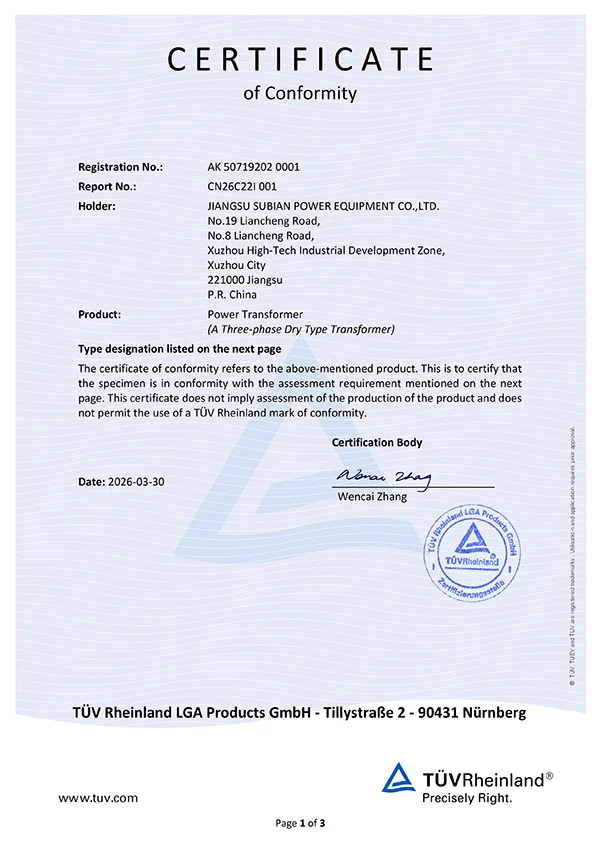 10 kV Dry-Type Transformer Certificate
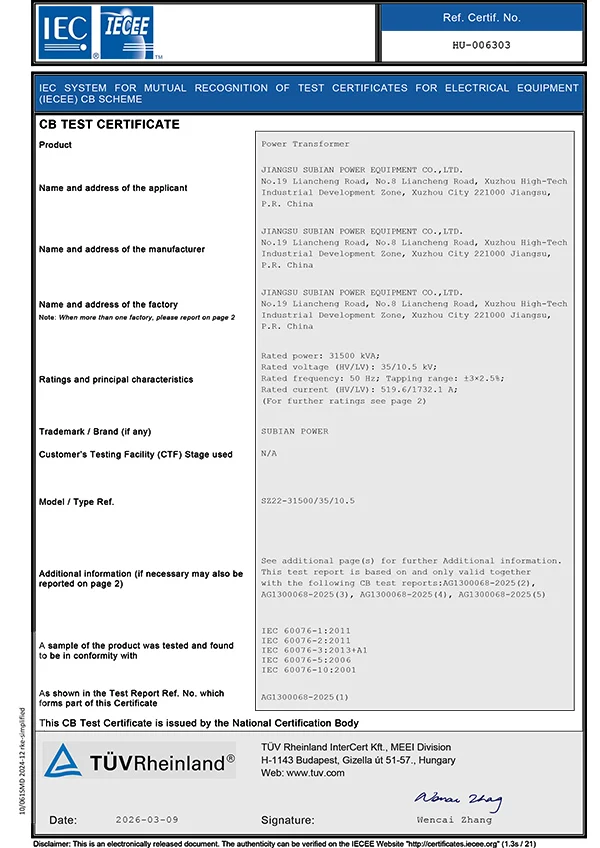 35 kV Transformer CB Certificate
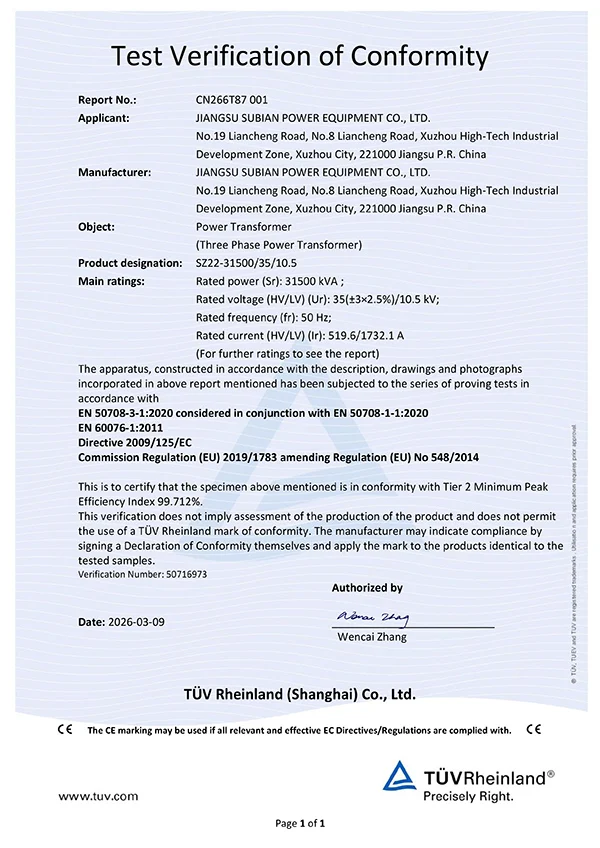 35 kV Transformer CE Verification
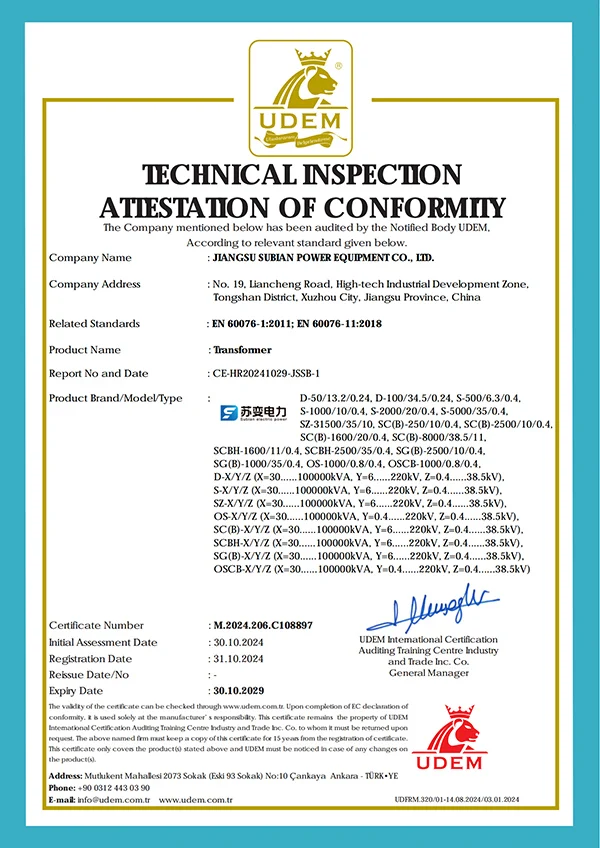 Transformer CE Certificate
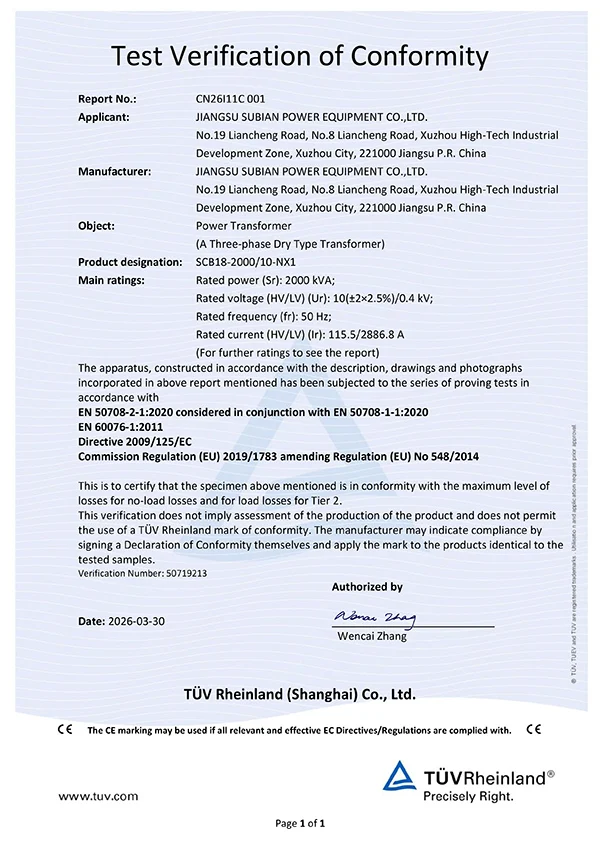 Dry-Type Transformer Test Verification
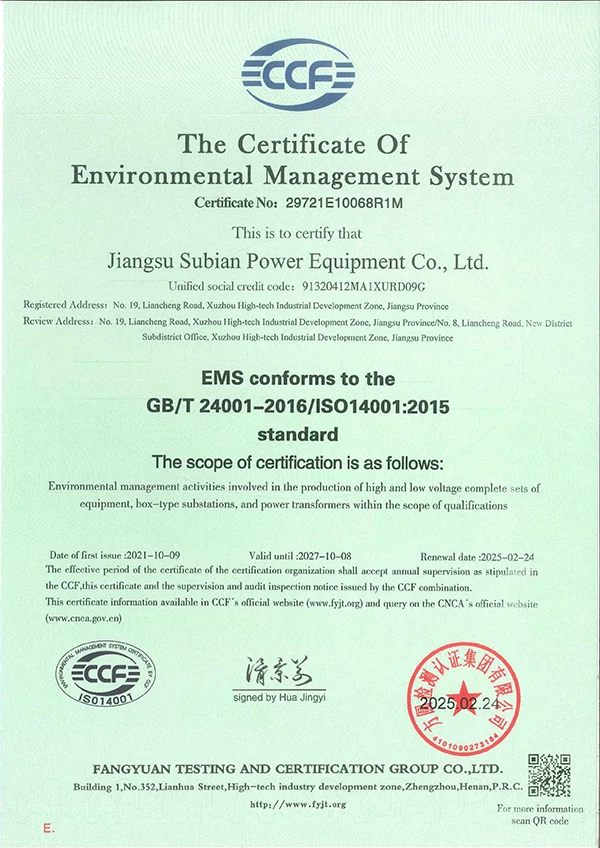 ISO 14001 Environmental Management
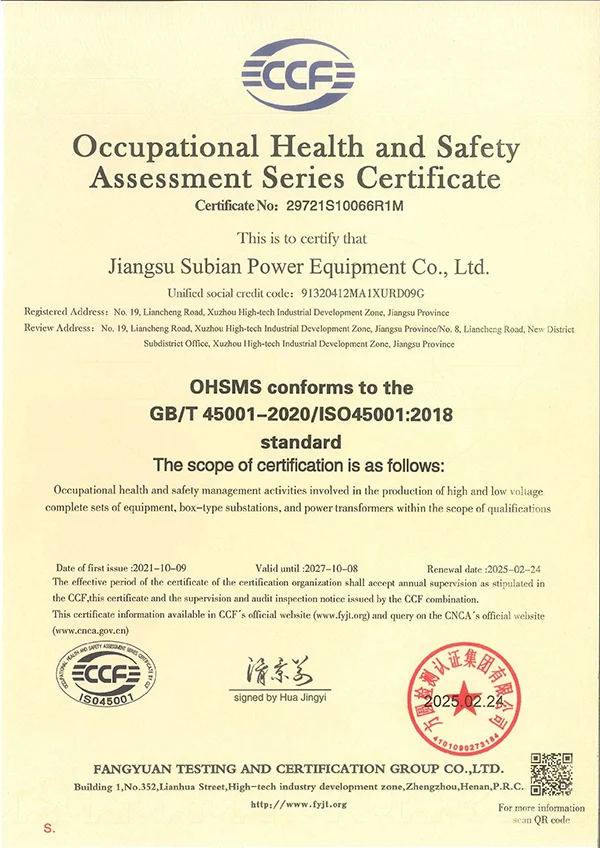 ISO 45001 Health & Safety
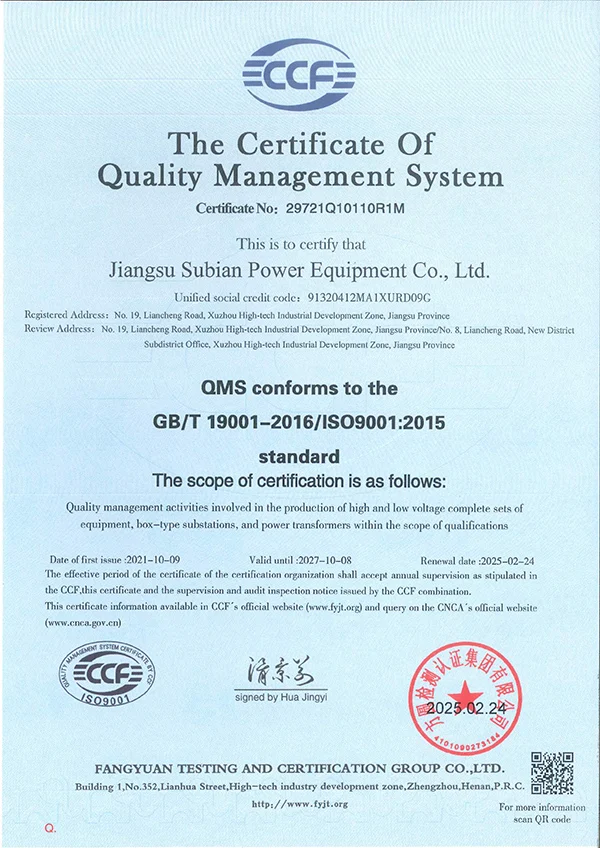 ISO 9001 Quality Management
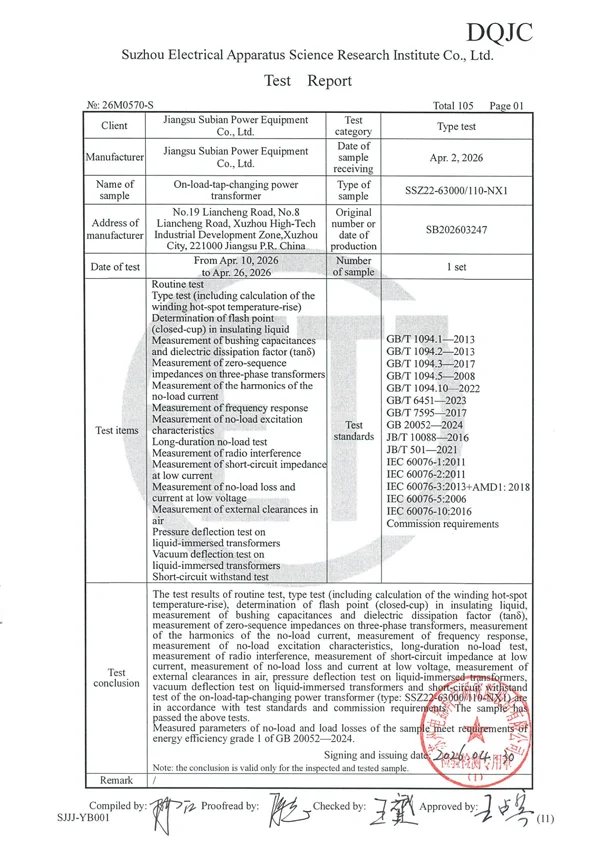 110 kV Transformer Type Test Report
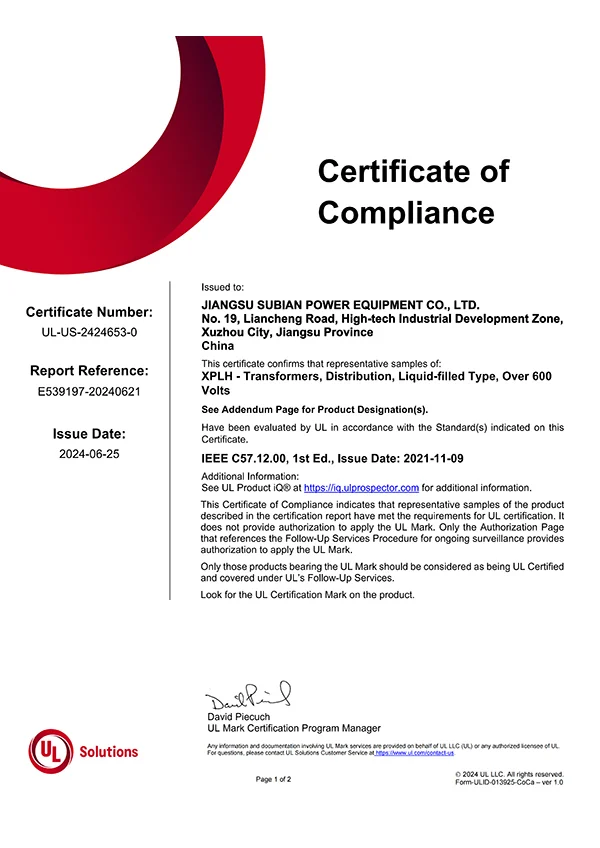 UL Certificate of Compliance
Pad Mounted Transformer FAQ
Common questions about pad mounted electrical transformers and factory sourcing.
What is a pad mounted transformer?
What is the difference between dead-front and live-front?
Where are pad mounted transformers used?
What capacities are available?
Do you provide type test reports?
What is the minimum order quantity?
How much does a pad mounted transformer cost?
What is the lead time for a pad mounted transformer?
Can pad mounted transformers be supplied with loop feed?
What is the difference between a pad mounted transformer and a compact substation?
Contact Subian
Need the Right Specification?
Tell Subian your target market, product type, quantity and technical requirements. Subian’s team will help you identify a suitable configuration for your project.