

High Voltage Sf6 Circuit Breaker
Subian Electric manufactures high voltage equipment including SF6 circuit breakers at our factory in Xuzhou, Jiangsu, China. SF6 circuit breakers are the standard protection device for outdoor HV substations from the 40.5kV class up to 126kV, using sulphur hexafluoride gas for insulation and arc extinction.
Assembled and tested in our 50,000-square-metre facility, each breaker is delivered with type-test evidence, drawings and commissioning support from our 350+ staff, who have supplied projects in more than 50 countries since 2019.
Send your system voltage, short-circuit level and substation layout, and our engineers will confirm the breaker specification and factory quotation.

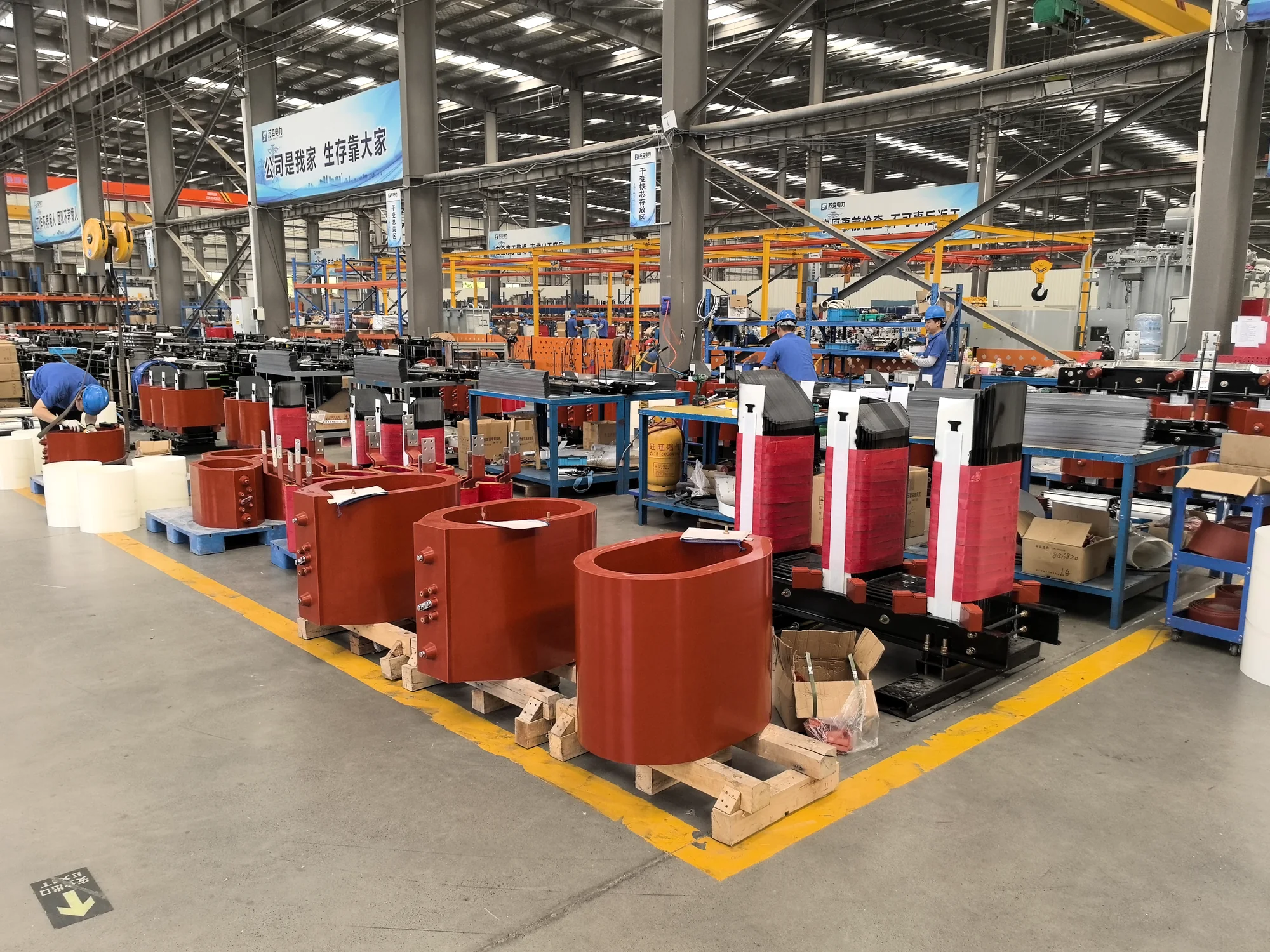
Since 2019 · 50,000m² · 350+ Staff
HV Circuit Breakers We Manufacture
Outdoor SF6 circuit breakers for 40.5kV, 72.5kV and 126kV substations, with options for spring or hydraulic mechanisms and live or dead tank construction.
-
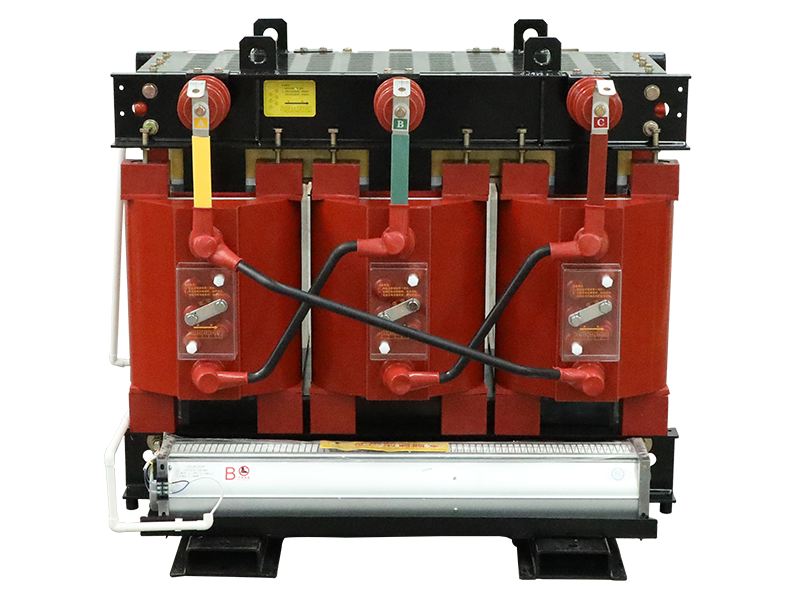
10kV Dry-Type Transformer-SCBH series Amorphous Alloy
-
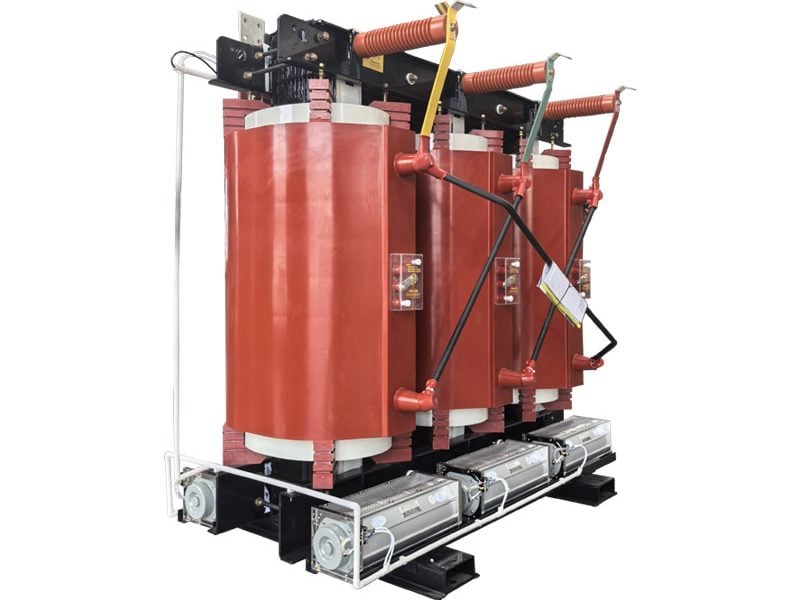
20-35KV Dry-Type Transformer
-
20-35KV SCB Series Epoxy Resin Dry-Type Transformer
-
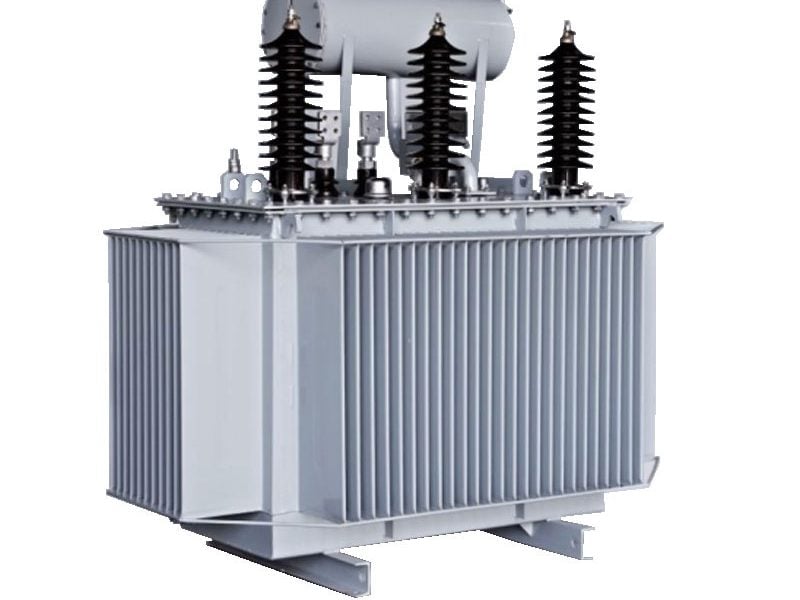
20KV Oil-immersed Distribution Transformer
-
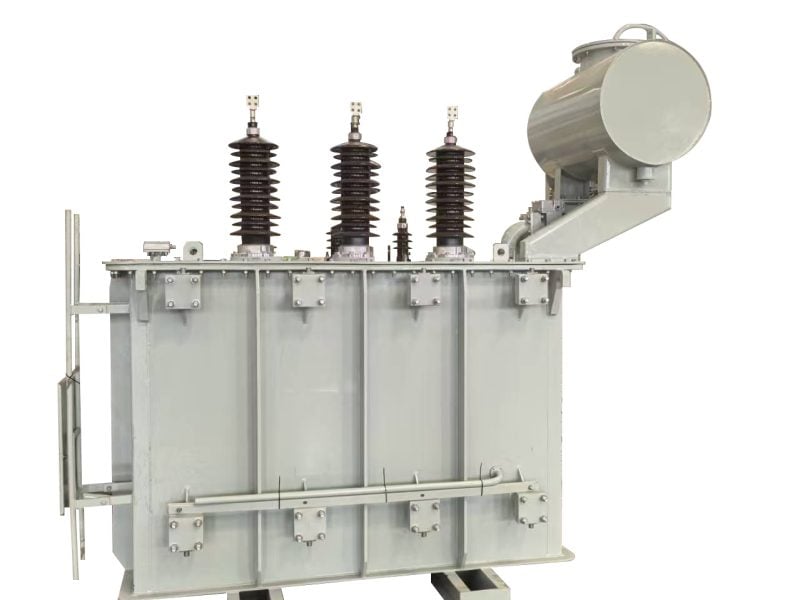
35KV Oil-immersed Power Transformer
-
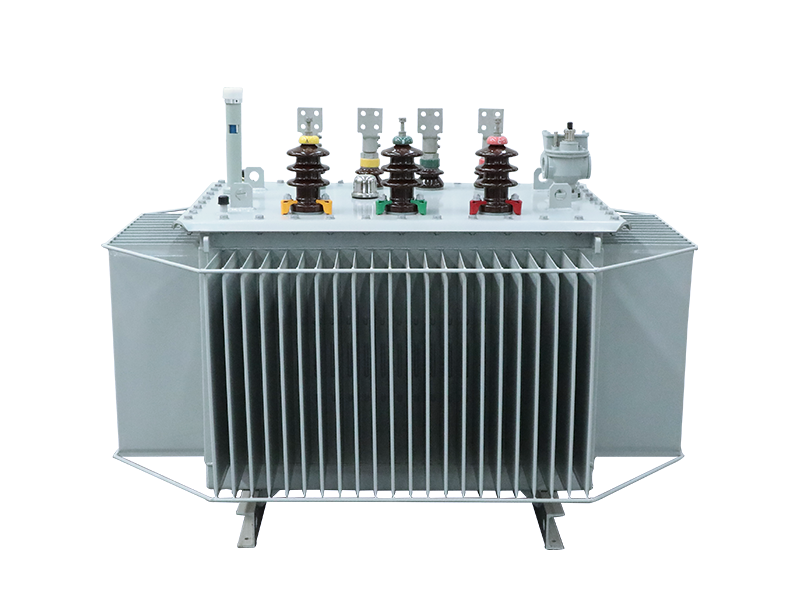
6-10KV Oil-Immersed Power Distribution Transformer
-
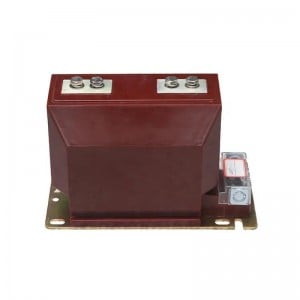
Current Transformer –10KV Indoor High Voltage
-
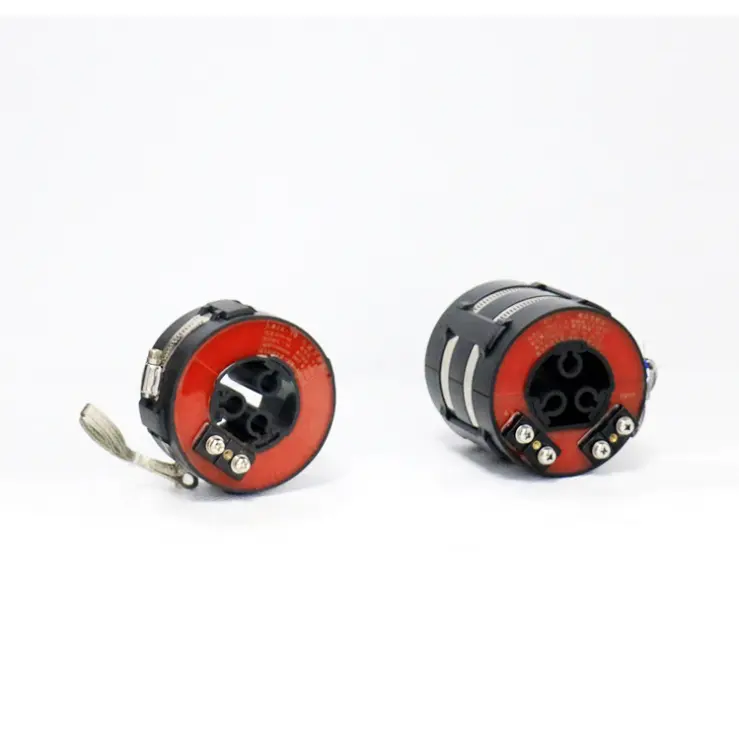
Current Transformer–LMZK Wound Current Transformer300/5a
-
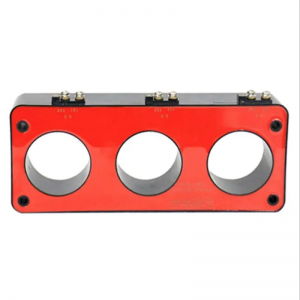
Current Transformer–LSY-10 transformer Integrated CT
-
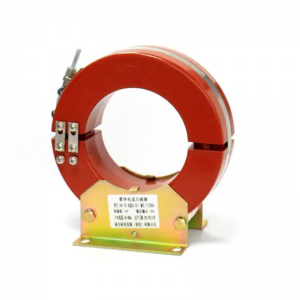
current transformer–LXK high voltage zero sequence
-
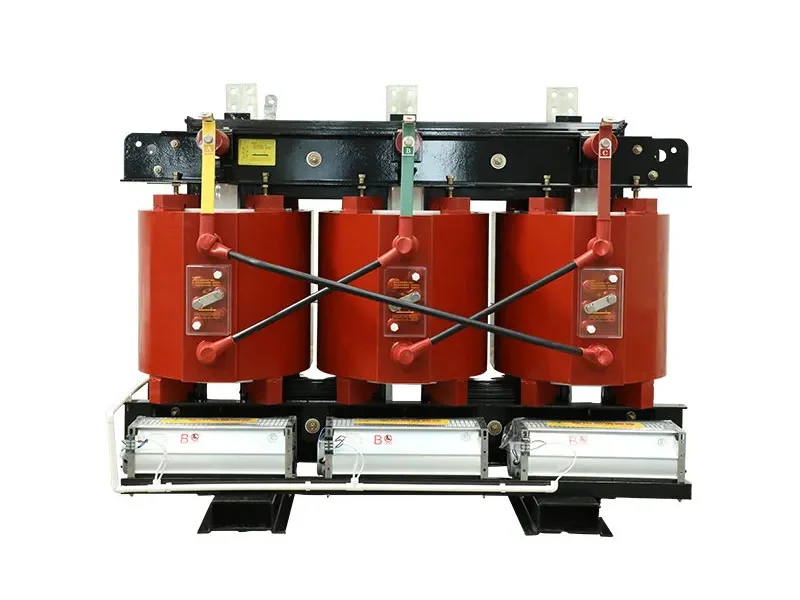
dry type distribution transformer-6-10 KV SCB series epoxy resin cast
-
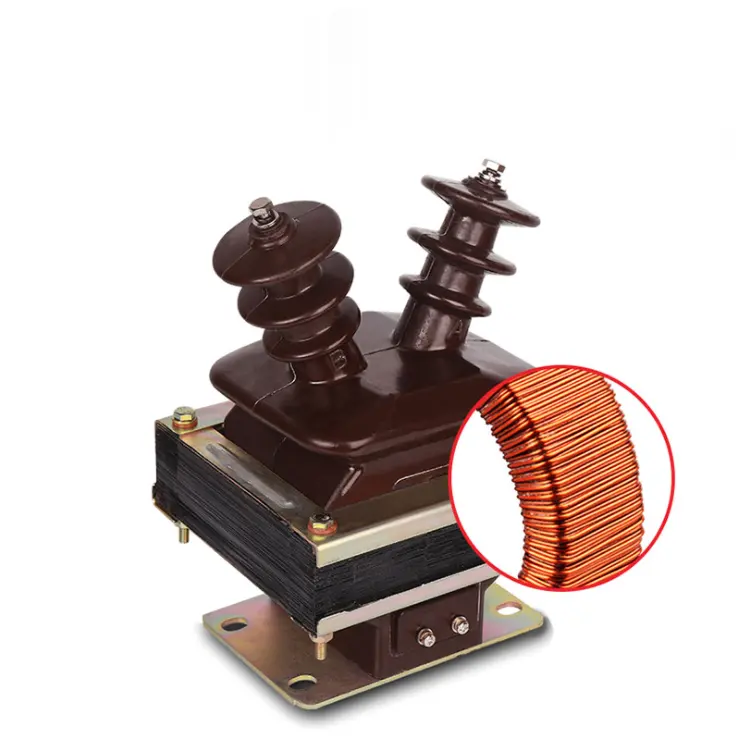
Electrical Transformers–JDZ – 10 Power Voltage
What Is a High Voltage SF6 Circuit Breaker?
An SF6 circuit breaker protects an HV network by interrupting fault current inside an enclosure filled with sulphur hexafluoride gas. The gas is the key: it has excellent dielectric strength and arc-quenching properties, so the breaker can interrupt large fault currents in a compact column and recover its insulation quickly for reclosure.
At transmission and sub-transmission voltages – from about 40.5kV upward – SF6 technology replaced oil breakers because it needs far less maintenance, offers faster and more consistent interruption, and is independent of oil condition. Modern designs also monitor gas pressure, density and operating counts so maintenance is planned rather than reactive.
- 40.5 – 126 kV class – outdoor breakers for HV substations and grid projects.
- SF6 interruption – proven arc-quenching technology with compact columns.
- Spring & hydraulic drives – mechanisms to match station DC supply practice.
- Type-tested – breaking and making tests per IEC 62271-100.
- Gas monitoring – density relays and leak-checked enclosures.
- Project documentation – drawings, test reports and commissioning support.
Configurations Available
We supply the breaker types most commonly specified for 40.5-126kV substations:
40.5 kV outdoor SF6 breaker
compact three-pole columns for distribution and substation incoming feeders.
72.5 kV SF6 breaker
for regional networks and grid interconnection points.
126 kV class breaker
for transmission-level substations, supplied with full type-test evidence.
SF6 Circuit Breaker Technical Range
| Parameter | Specification |
|---|---|
| Rated voltage | 40.5 / 72.5 / 126 kV |
| Rated current | 630 – 4,000 A per type |
| Breaking capacity | 25 – 50 kA per type |
| Interrupting medium | SF6 gas, self-blast or puffer design |
| Mechanism | spring or hydraulic |
| Construction | live-tank (column) / dead-tank options |
| Standard | IEC 62271-100 / GB 1984 |
Specifying an HV SF6 Breaker: What Data the Factory Needs
The five figures that define a breaker are: rated voltage, rated current, rated short-circuit breaking current, rated peak withstand current, and the operating sequence (for example O-0.3s-CO-180s-CO). Give us these, or the substation single-line diagram and fault study values, and we can confirm the correct type.
Also useful: the DC supply voltage for the mechanism, the control scheme (trip and close coils, anti-pumping), the number of auxiliary contacts, and whether current transformers are needed in the bushing or live-tank design. These details decide the wiring diagram and the marshalling box configuration.
SF6 Gas Management and Safety
SF6 handling follows strict rules because the gas is a strong greenhouse gas and its decomposition products are hazardous. The factory performs leak checks before dispatch, and the delivered breaker includes the density relay settings and gas-filling documentation.
On site, gas work should be done by trained personnel with proper recovery equipment; never vent SF6 to atmosphere. Modern breakers with low-leak sealing and monitoring reduce both the environmental impact and the maintenance visits over the breaker’s life.
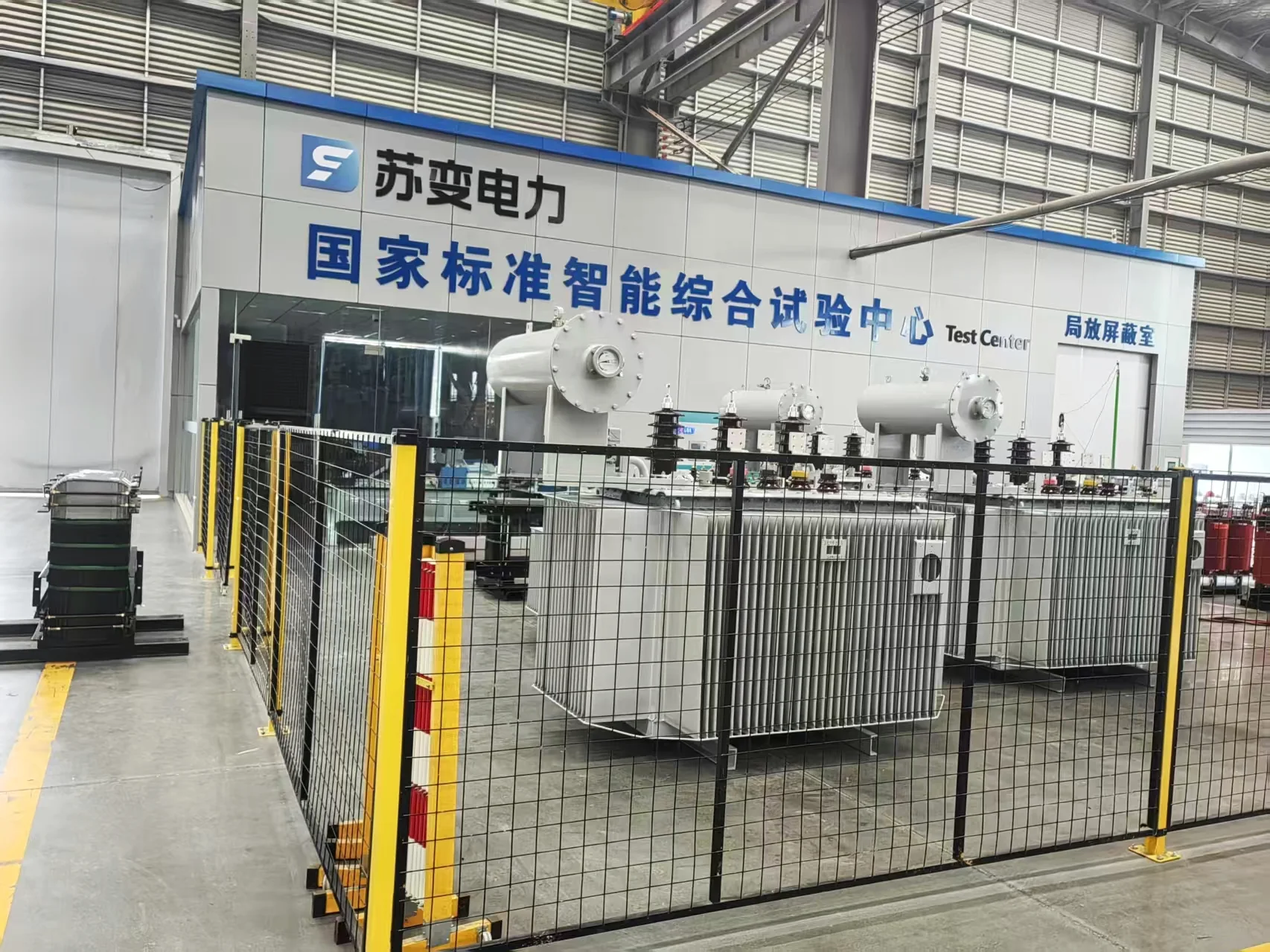
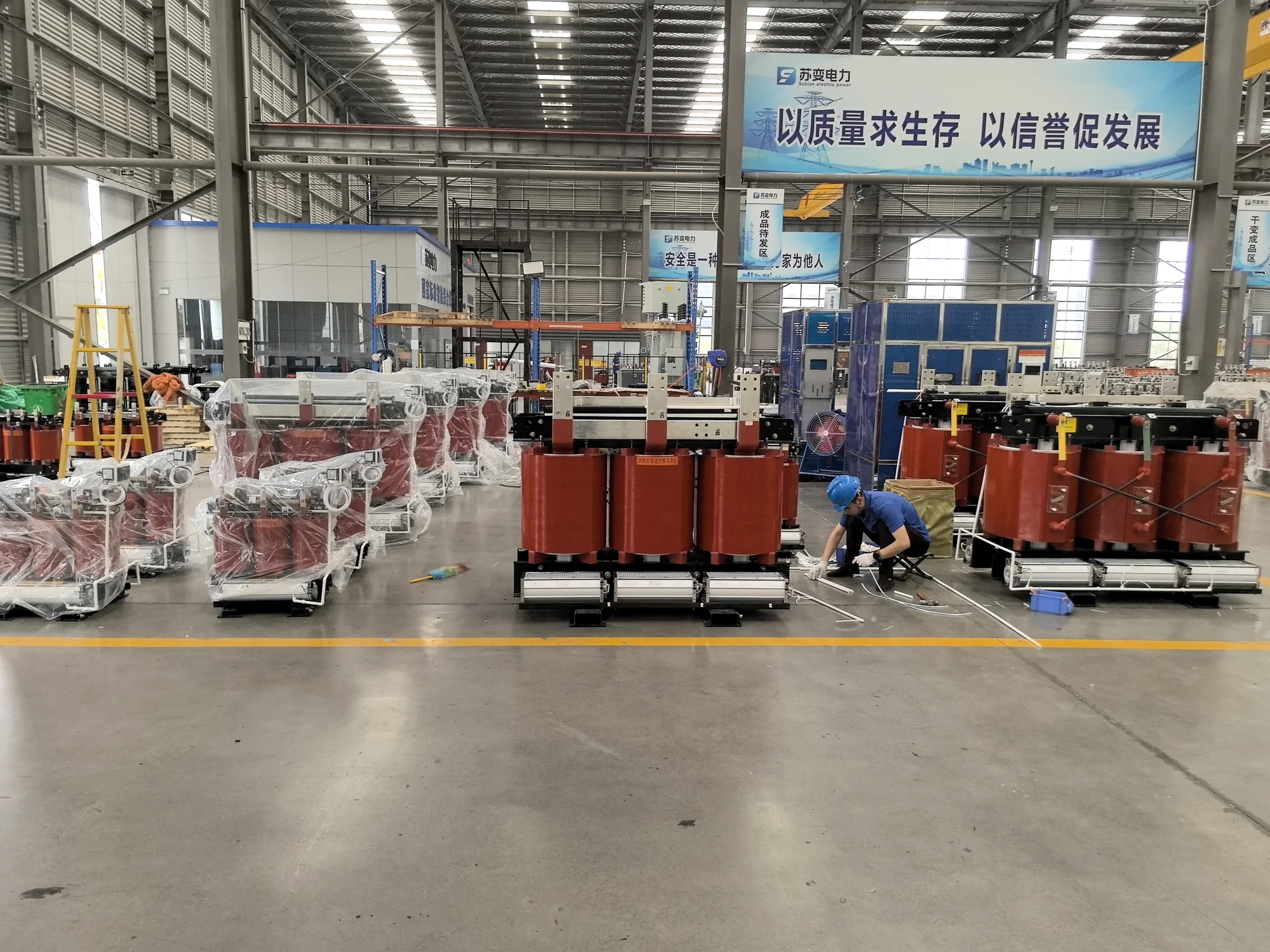
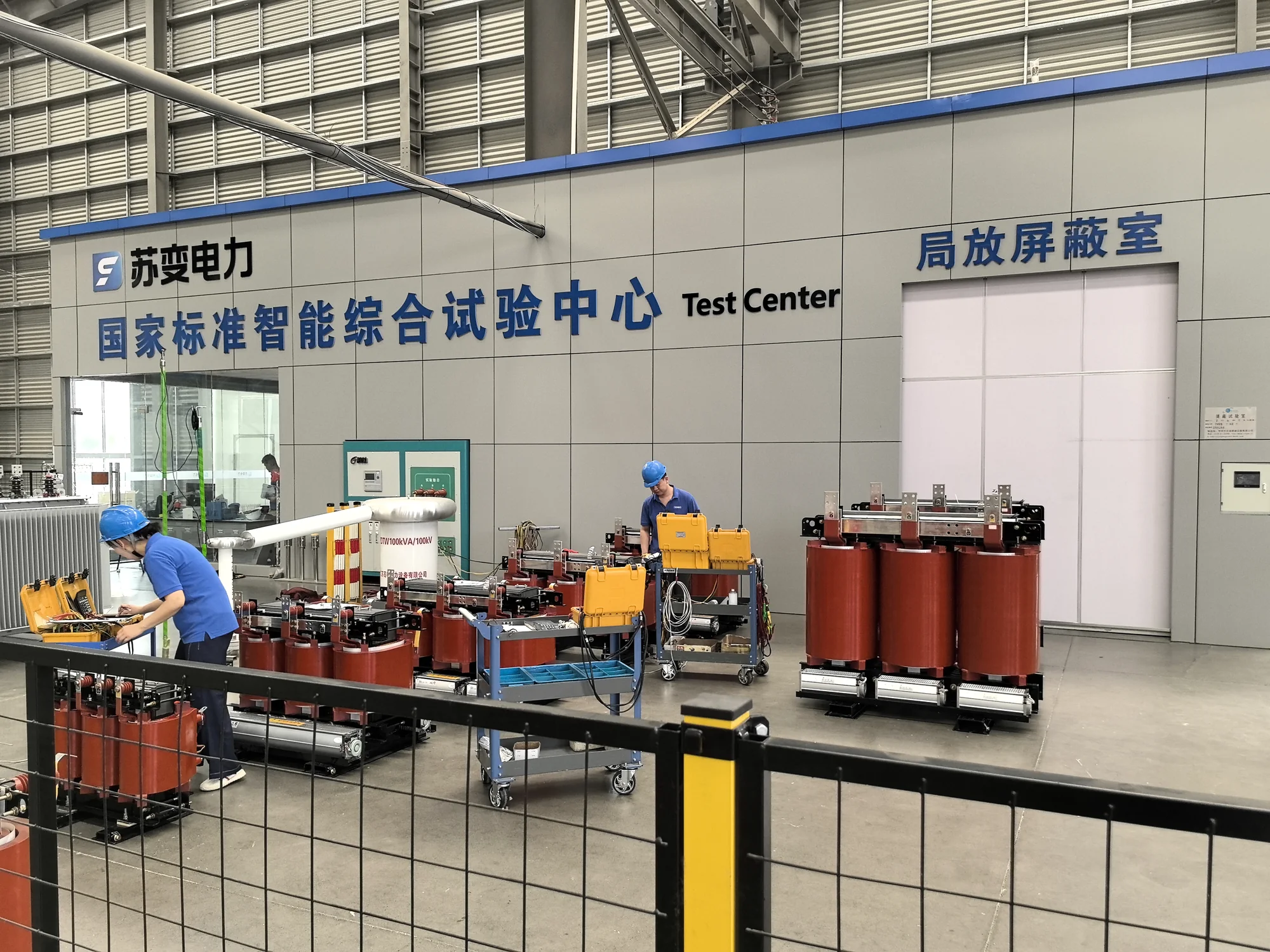
HV Breaker Assembly and Test Capability
HV breakers are assembled in a controlled environment with gas handling, mechanism setting and high-voltage testing carried out in-house before dispatch.
Assembly & Gas Handling
Pole assembly, gas filling and leak checks follow controlled procedures.
Mechanical & Timing Tests
Opening and closing timing, contact travel and mechanism operation are measured per unit.
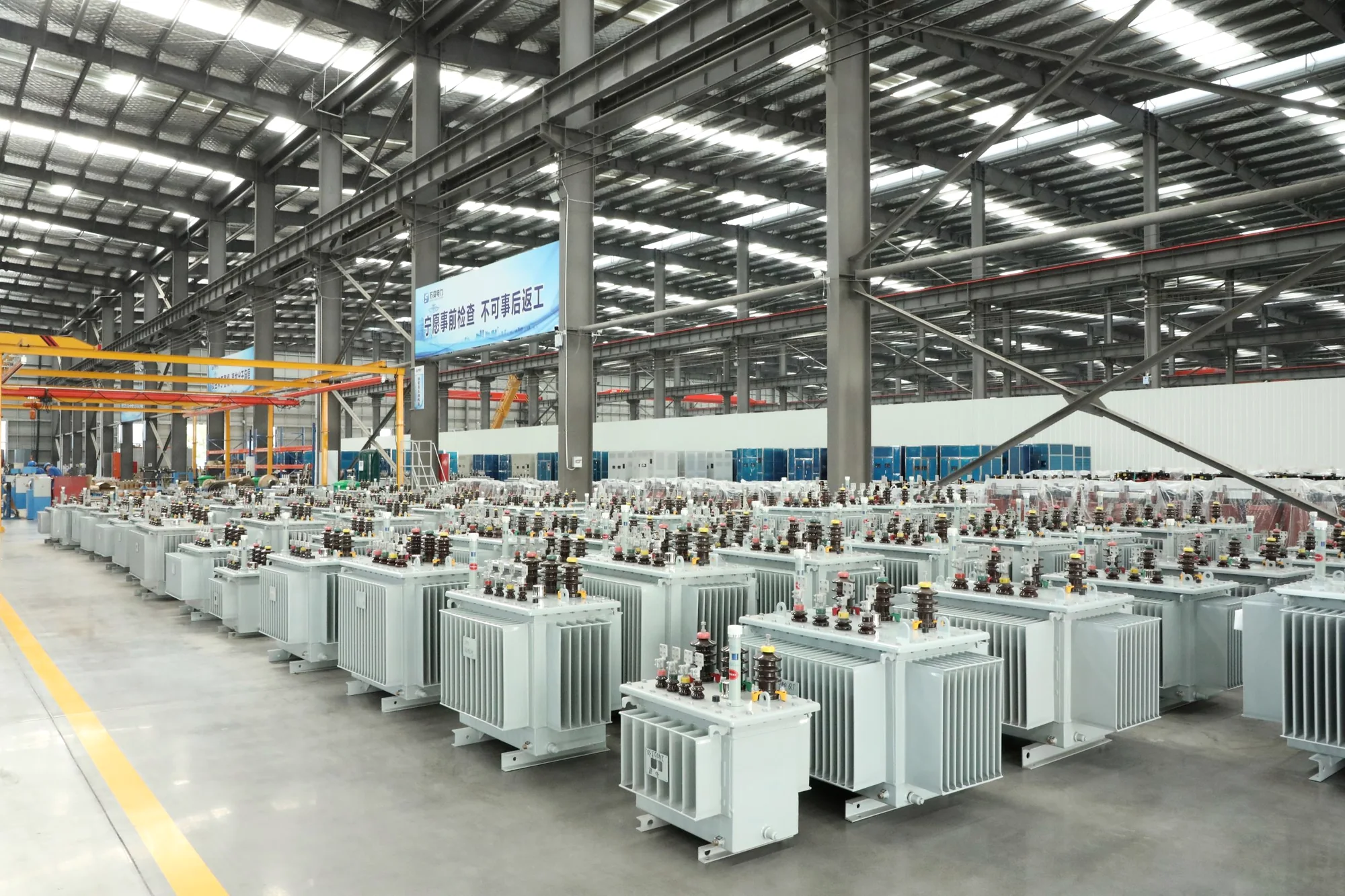
Packing & Delivery
Breakers are packed for project delivery with drawings and documentation.
HV SF6 Circuit Breaker Factory Quotation
Request a factory quotation with your system voltage, short-circuit level and mechanism preference. We confirm the technical specification on drawings and provide type-test evidence for project approval.
OEM / ODM & Project Supply
Utilities, EPC contractors and switchgear integrators order breakers as part of complete substation packages.
OEM / ODM
Factory-Direct
Breakers integrated into project-specific substation designs.
Factory direct · Test docs · Export support
Project Supply
Bundled Supply
Coordinated delivery with transformers and switchgear from one factory.
Factory direct · Test docs · Export support
Distributor Support
Channel Partners
Technical data, spares planning and account management.
Factory direct · Test docs · Export support
SF6 vs Vacuum vs Oil Circuit Breakers
For outdoor HV substations above 40.5kV, SF6 is the established technology: it interrupts large fault currents reliably, needs little maintenance and suits frequent operations. Vacuum breakers dominate at medium voltage up to 40.5kV because they are compact, oil-free and maintenance-light, while oil breakers remain in older substations and are progressively being replaced.
The industry is also watching SF6 alternatives with lower greenhouse impact. Until SF6-free designs are proven at transmission levels with equivalent breaking duty, regulated SF6 handling – leak detection, recycling and monitoring – remains the responsible standard, and our breakers are supplied with the gas management documentation this requires.
Choosing an HV Circuit Breaker Factory
Request the type-test report for the exact voltage and breaking class you need, and check the short-circuit testing certificate from an independent laboratory. Then compare the mechanism’s track record, the gas-tightness guarantees and the manufacturer’s experience with your system voltage.
Subian’s high voltage capability is documented through ISO9001, ISO14001, ISO45001, CE and UL certification and a 110 kV transformer type-test report; HV breaker and transformer projects are delivered with coordinated documentation from one engineering team.
For a grid project, confirm the factory can support the local acceptance tests and provides commissioning engineers or remote guidance with the shipment.
Certifications & Quality Assurance
Our HV equipment production runs under ISO9001, ISO14001 and ISO45001 systems with CE and UL certification and type-tested designs to 110 kV class.
Product Certifications
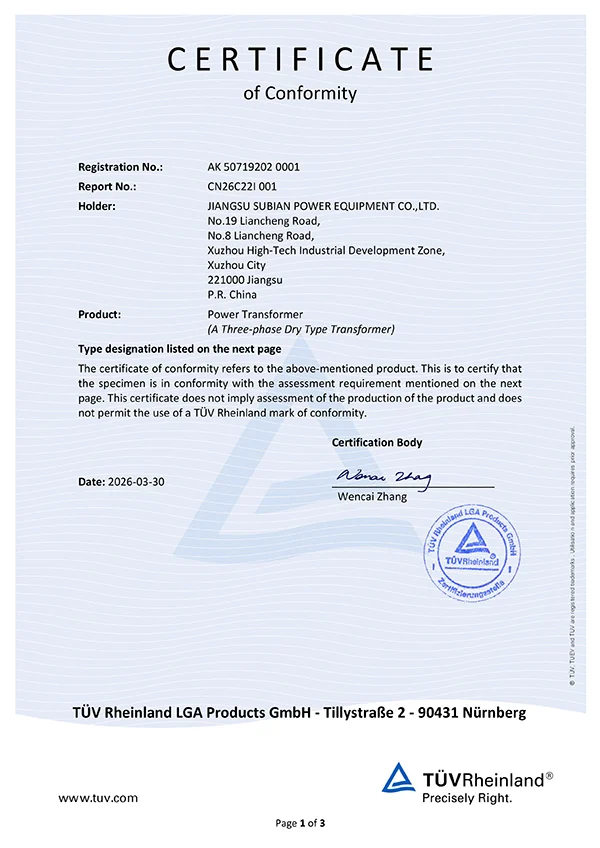 10 kV Dry-Type Transformer Certificate
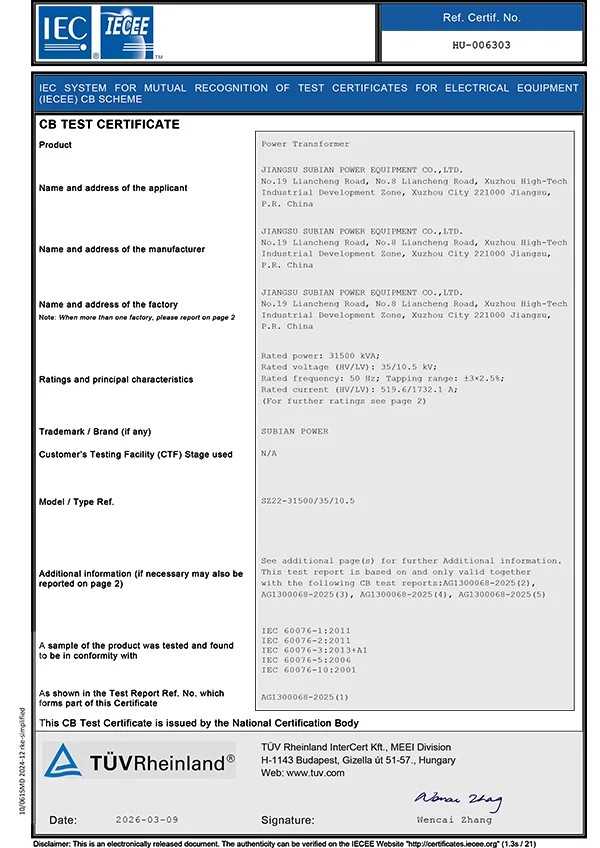 35 kV Transformer CB Certificate
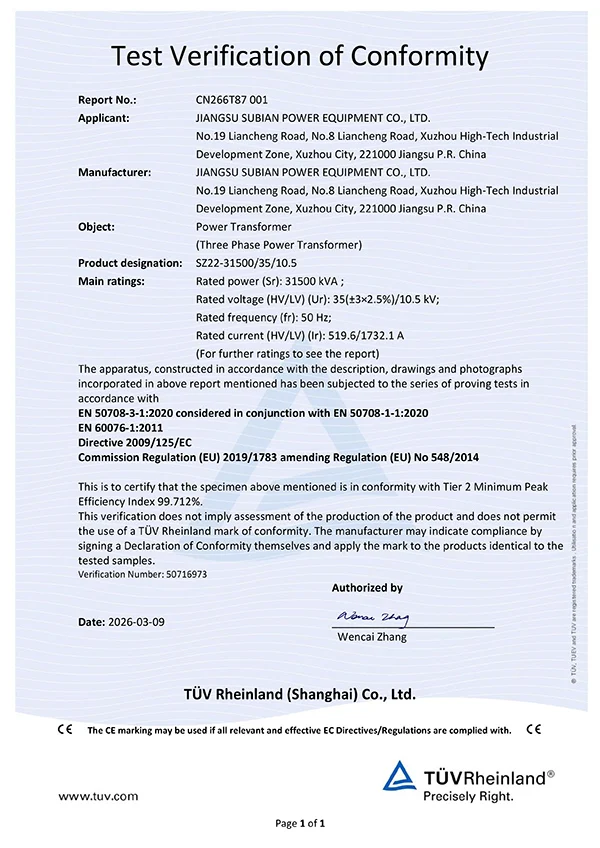 35 kV Transformer CE Verification
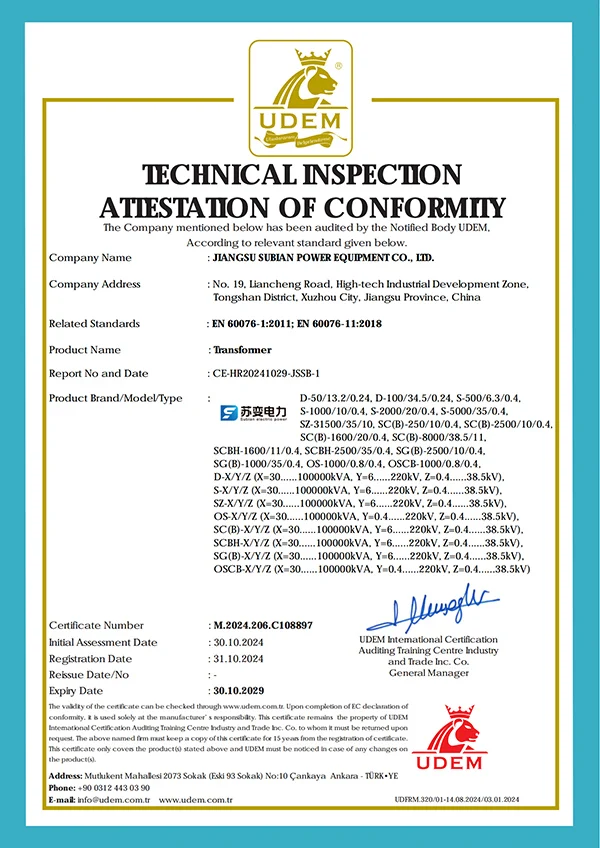 Transformer CE Certificate
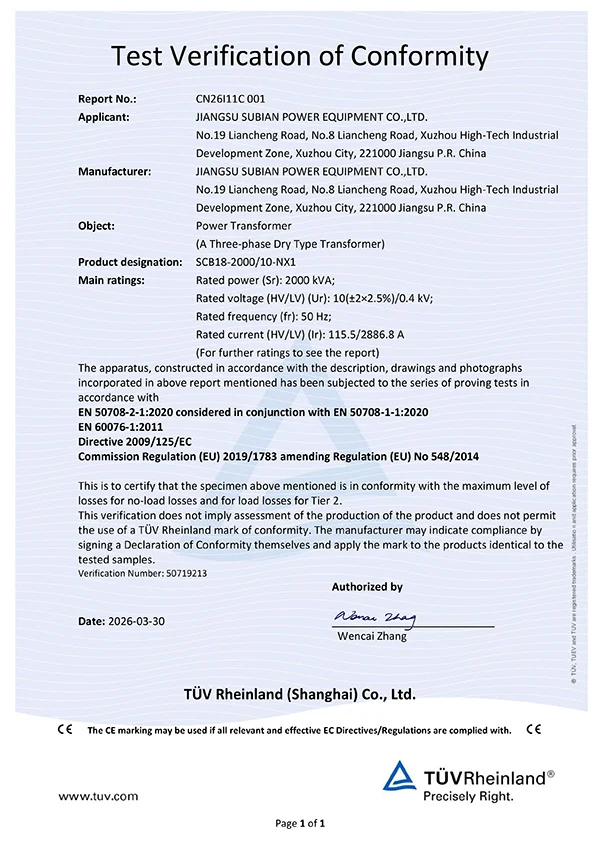 Dry-Type Transformer Test Verification
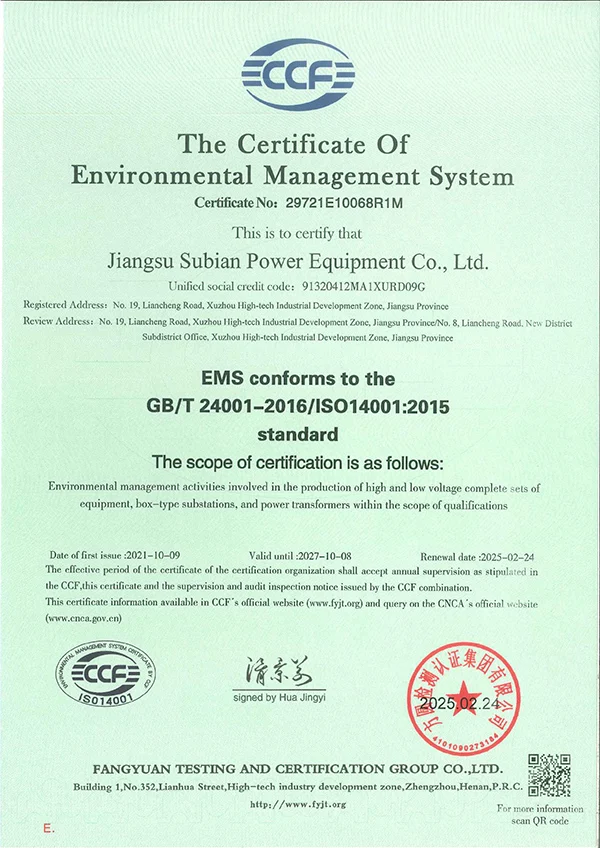 ISO 14001 Environmental Management
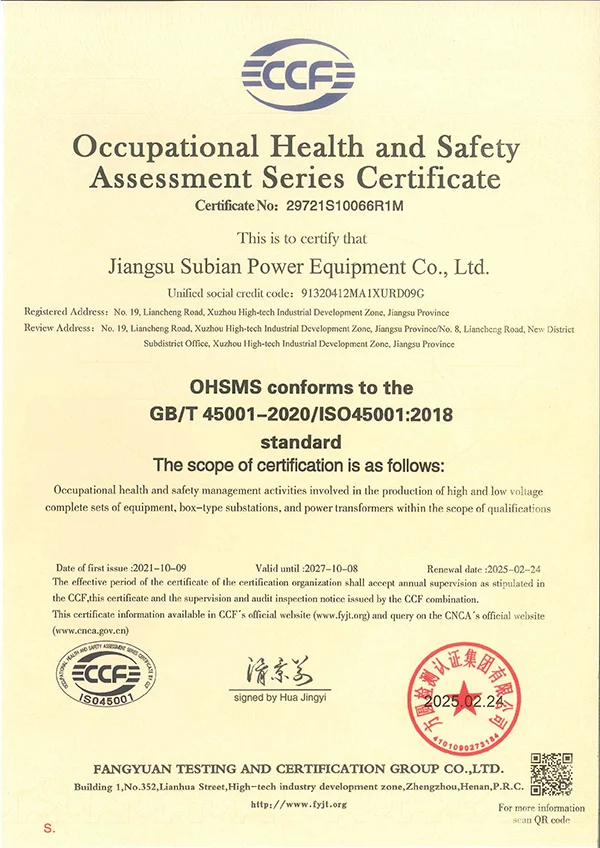 ISO 45001 Health & Safety
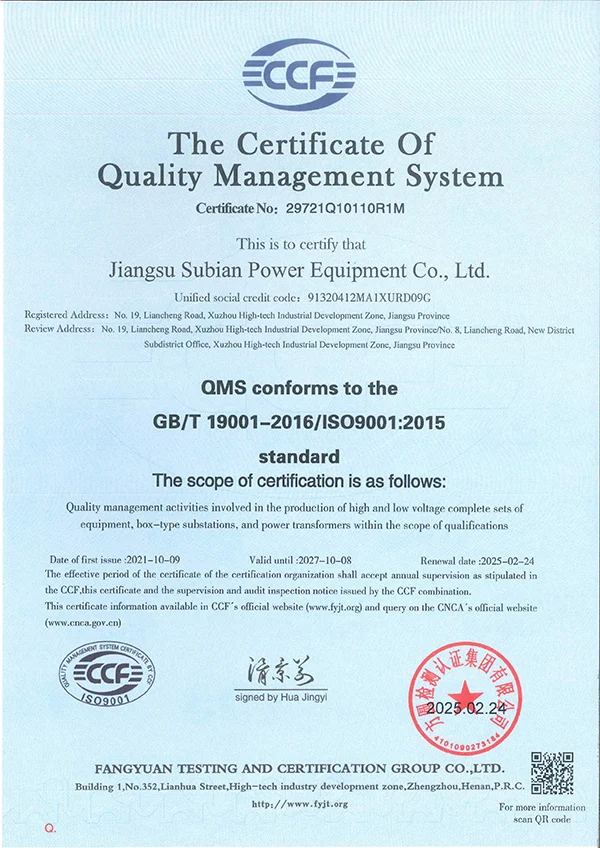 ISO 9001 Quality Management
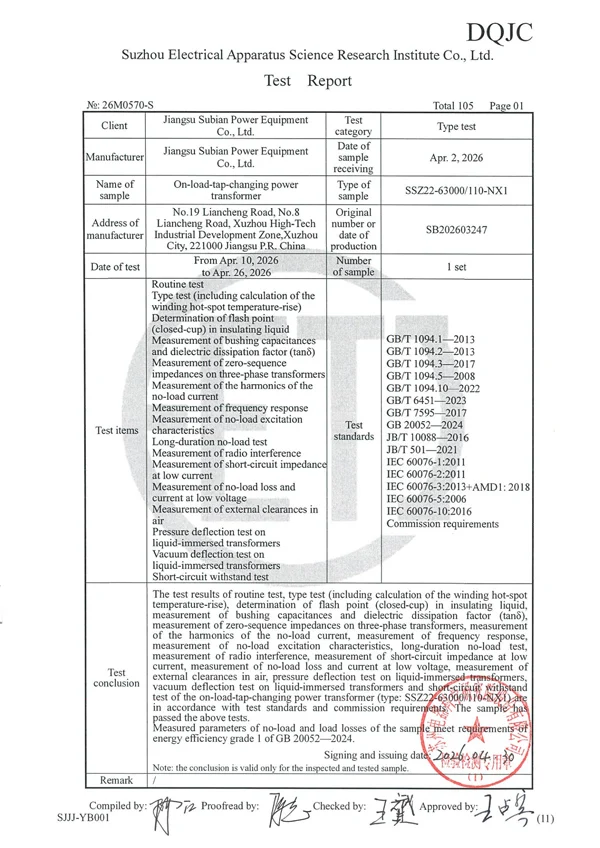 110 kV Transformer Type Test Report
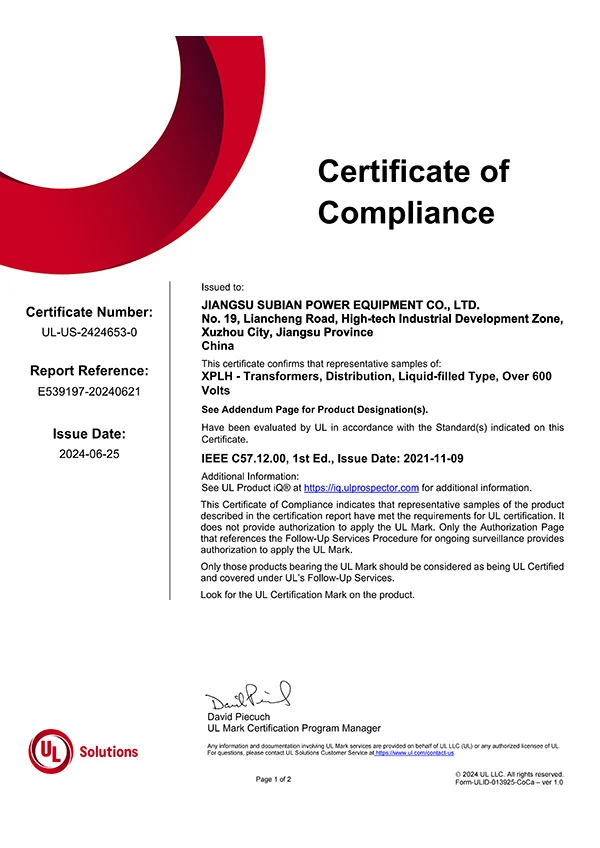 UL Certificate of Compliance
High Voltage SF6 Circuit Breaker Factories FAQ
Common questions about HV SF6 circuit breakers, their technology and specification.
Who are the major manufacturers of high voltage circuit breakers?
What are the disadvantages of using an SF6 circuit breaker?
Who are the largest circuit breaker manufacturers in the USA?
Why is SF6 used in high voltage circuit breakers?
What is the difference between a live tank and dead tank breaker?
Contact Subian
Need the Right Specification?
Tell us your target market, product type, quantity and technical requirements. Our team will help you identify a suitable configuration for your project.