

Wholesale Substation Switch
A substation switch is the equipment that isolates, connects and protects circuits inside a substation – disconnectors, earthing switches, load-break switches and breakers each do a specific job. Subian Electric, a manufacturer in Xuzhou, China, supplies these switching devices for 12kV to 40.5kV substations and distribution networks.
From our 50,000-square-metre factory we deliver switchgear with factory-direct pricing, drawings and type-test evidence, supported by 350+ staff and more than 50 countries served since 2019.
Tell us the voltage, the duty (isolation, earthing, load breaking or fault breaking) and the installation – indoor panel or outdoor yard – and we will recommend the right device and quote factory pricing.

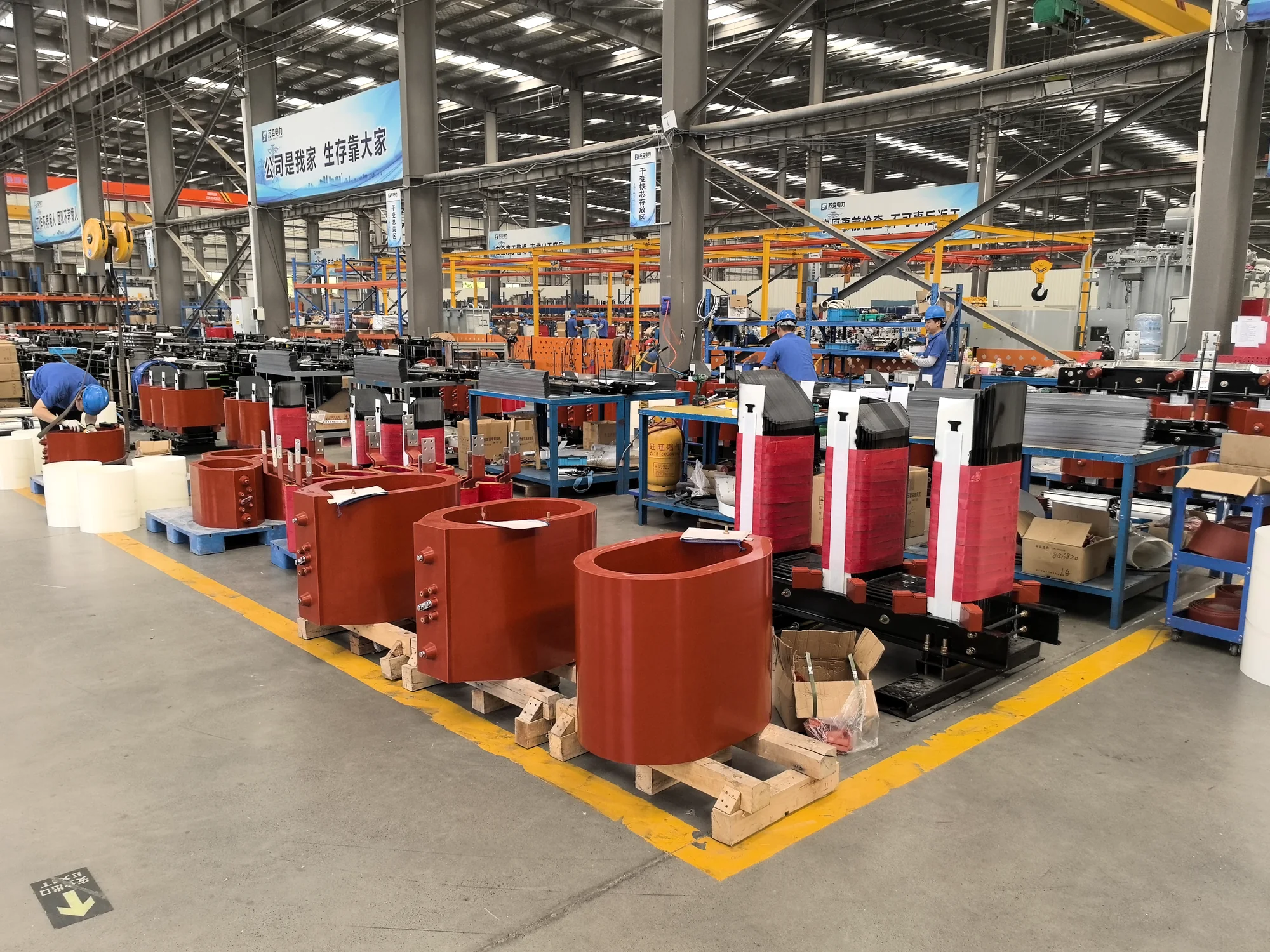
Since 2019 · 50,000m² · 350+ Staff
Substation Switching Devices We Supply
HV disconnectors, earthing switches, load-break switches, vacuum circuit breakers and ring-main units for substations and distribution networks from 12kV to 40.5kV.
-
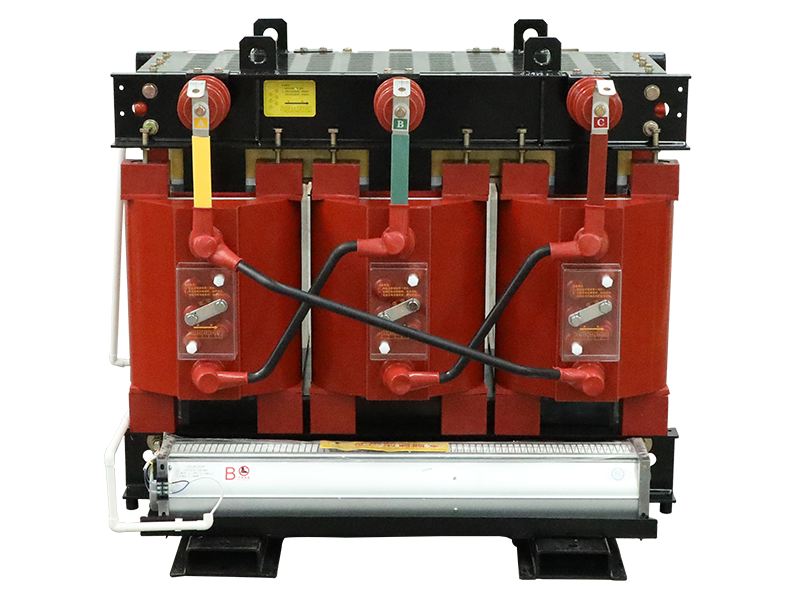
10kV Dry-Type Transformer-SCBH series Amorphous Alloy
-
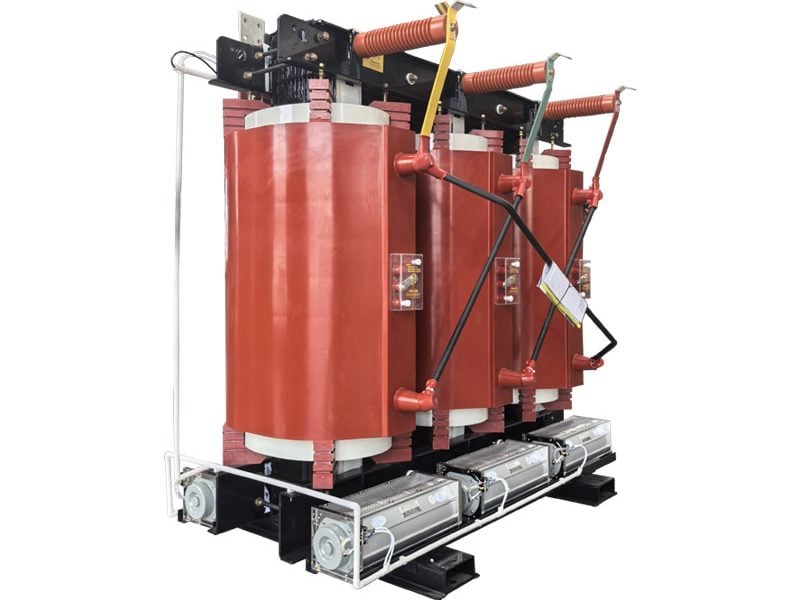
20-35KV Dry-Type Transformer
-
20-35KV SCB Series Epoxy Resin Dry-Type Transformer
-
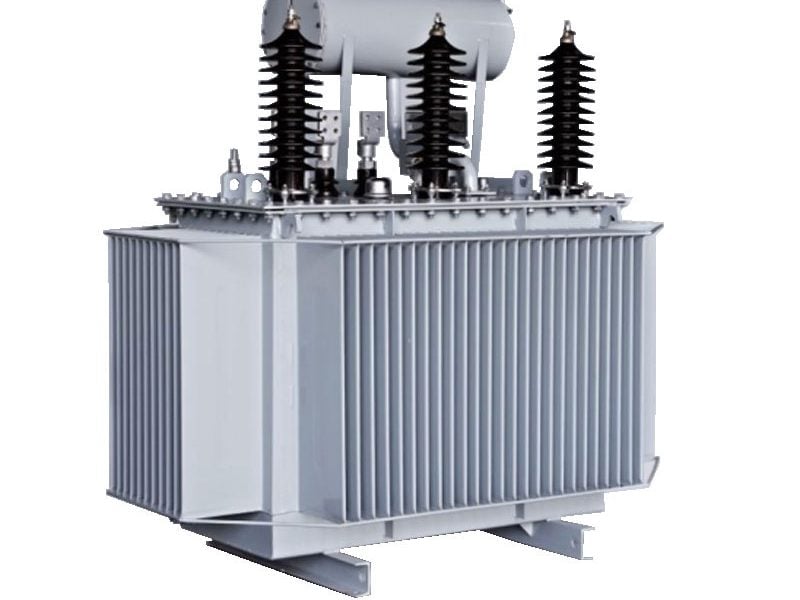
20KV Oil-immersed Distribution Transformer
-
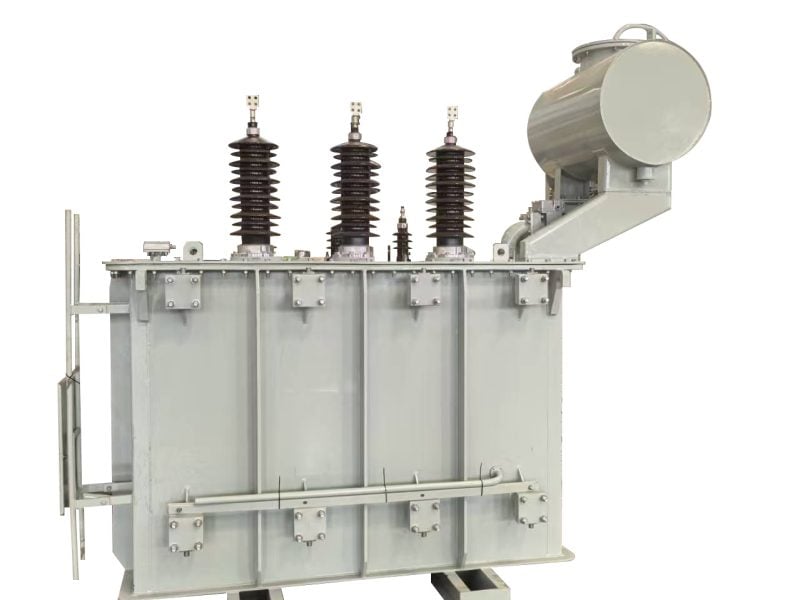
35KV Oil-immersed Power Transformer
-
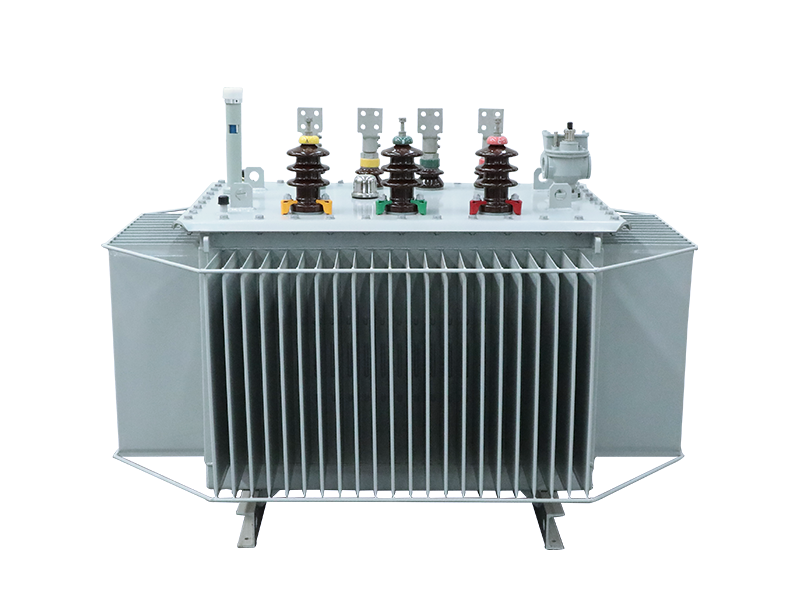
6-10KV Oil-Immersed Power Distribution Transformer
-
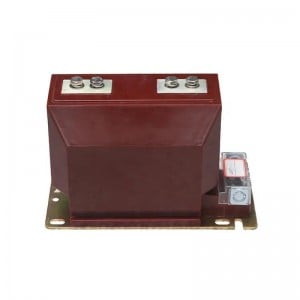
Current Transformer –10KV Indoor High Voltage
-
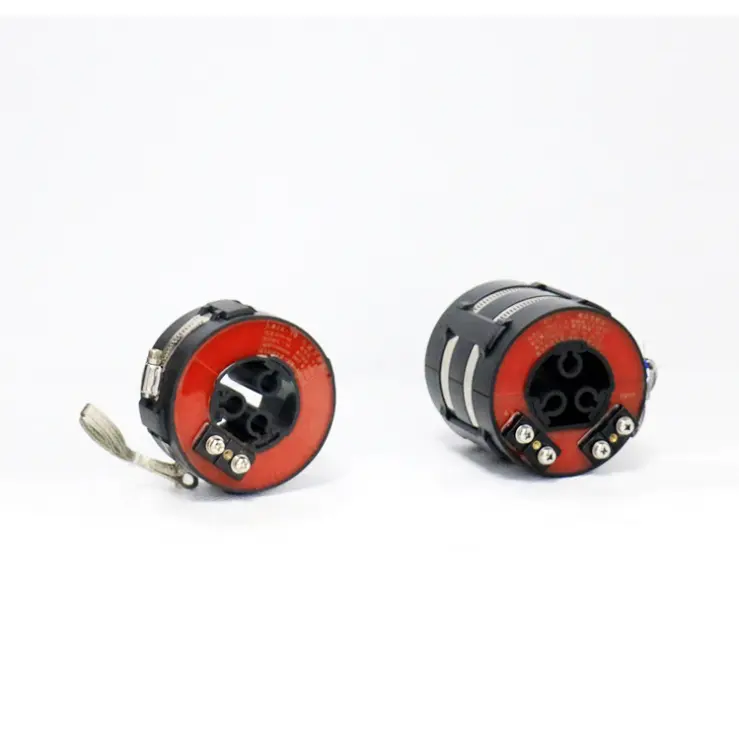
Current Transformer–LMZK Wound Current Transformer300/5a
-
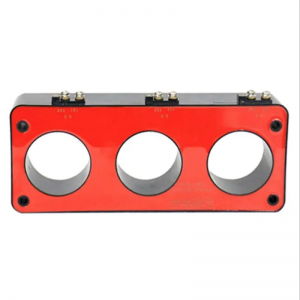
Current Transformer–LSY-10 transformer Integrated CT
-
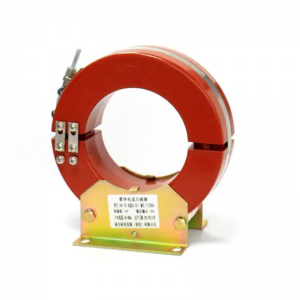
current transformer–LXK high voltage zero sequence
-
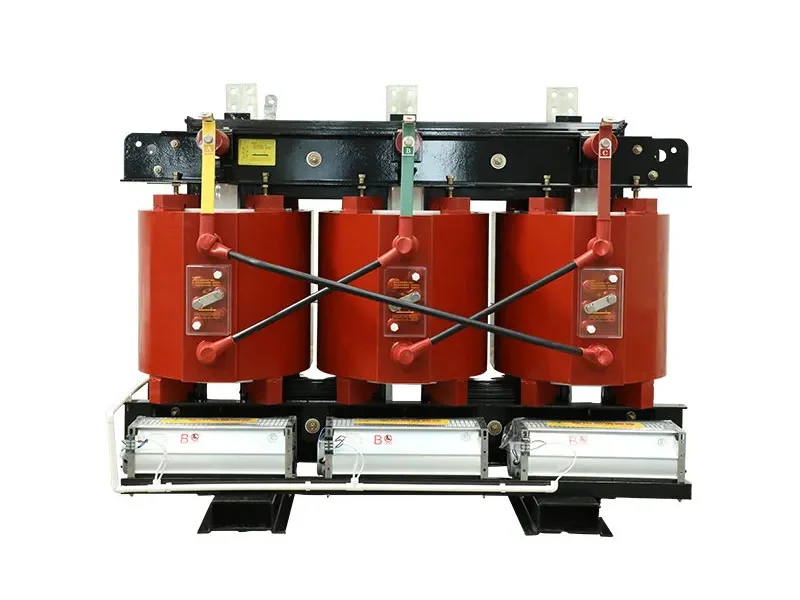
dry type distribution transformer-6-10 KV SCB series epoxy resin cast
-
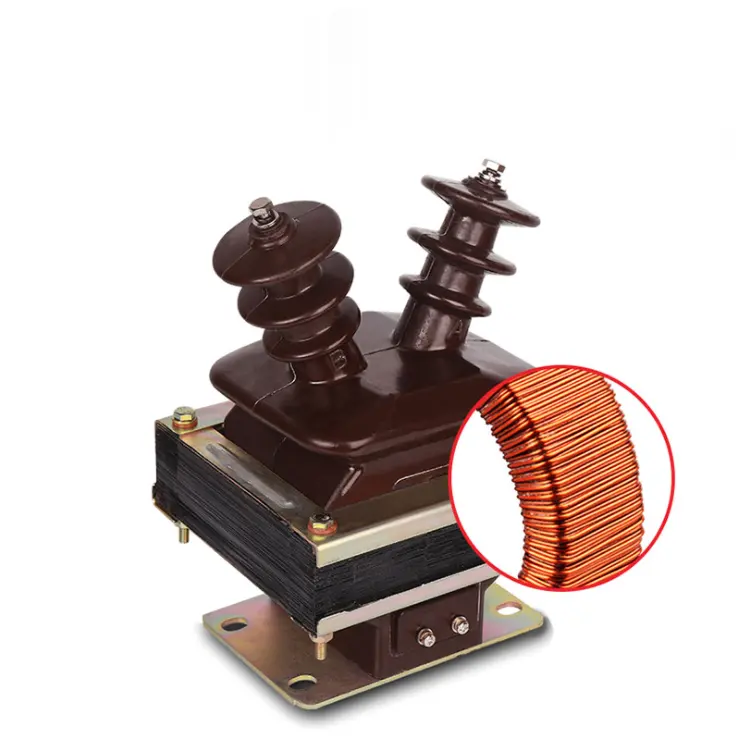
Electrical Transformers–JDZ – 10 Power Voltage
What Is a Substation Switch?
In substation terminology a switch is any device that opens or closes a circuit under defined conditions. The family is graded by what it can safely do: an isolator (disconnector) provides a visible break for maintenance but cannot interrupt load current; a load-break switch can break normal load; an earthing switch safely earths an isolated section; and a circuit breaker interrupts fault current as well as load.
A complete substation uses all of them in a defined sequence – the breaker opens the circuit, the isolator then provides the visible isolation point, and the earthing switch protects people working downstream. Choosing the right switch for each position is part of the substation’s protection and safety design, not an accessory decision.
- 12 – 40.5 kV coverage – switching devices for MV substations and feeders.
- Four switch families – disconnector, earthing switch, load-break switch, breaker.
- Indoor & outdoor – panel-mounted and open-yard installations.
- Factory-direct supply – drawings, test reports and technical support.
- Manual & motor drives – operating mechanisms to suit local practice.
- 50+ countries – export experience across utility and industrial projects.
Switch Types and Their Jobs
Each device has a defined duty; using one for another’s job is the most common substation design error:
Disconnector / isolator
provides a visible isolation point; operated only when the circuit is already open.
Earthing switch
earths the isolated section before maintenance, protecting personnel.
Load-break switch (LBS)
switches normal load current in distribution feeders and ring units.
Vacuum circuit breaker
breaks load and fault current; the protection device of the substation.
Substation Switch Technical Range
| Parameter | Specification |
|---|---|
| Rated voltage | 12 / 24 / 40.5 kV |
| Rated current | 630 – 3,150 A |
| Short-time withstand | 16 – 40 kA / 4s per type |
| Mechanism | manual, motor or spring-operated |
| Mounting | indoor panel / outdoor yard |
| Standards | IEC 62271-102 / -100 / -200 |
| Testing | type-tested design; routine checks per unit |
Reading a Substation Single-Line Diagram for Switch Selection
The single-line diagram tells you which switch goes where. On the incoming bay you will normally find a breaker flanked by disconnectors, so either side can be isolated for maintenance. Below the transformer, the LV side may use an ACB or a simple load-break switch depending on the protection philosophy.
Earthing switches appear at the positions where maintenance is expected – typically on the cable side of each feeder. If your diagram marks an isolator position that must break load, that is a design error; raise it with the protection engineer before ordering.
Send us the relevant part of the diagram and we will confirm the device ratings and configurations for each position.
Indoor Panel or Outdoor Yard?
For indoor metal-enclosed switchgear, the switch functions are integrated into withdrawable panels or ring-main units with compact, arc-proof construction. For outdoor yards, separate column-type disconnectors, earthing switches and breakers are installed on steel structures with the clearances the voltage class requires.
The choice affects creepage and pollution design, mechanism enclosure ratings and operating arrangements. Tell us the installation type and local environment – coastal, desert or industrial – so the correct insulation and protection levels are applied.
Switchgear Manufacturing and Test Capability
Switching devices are assembled and tested alongside our transformers and panels, so substation projects can be supplied as a coordinated package from one factory.
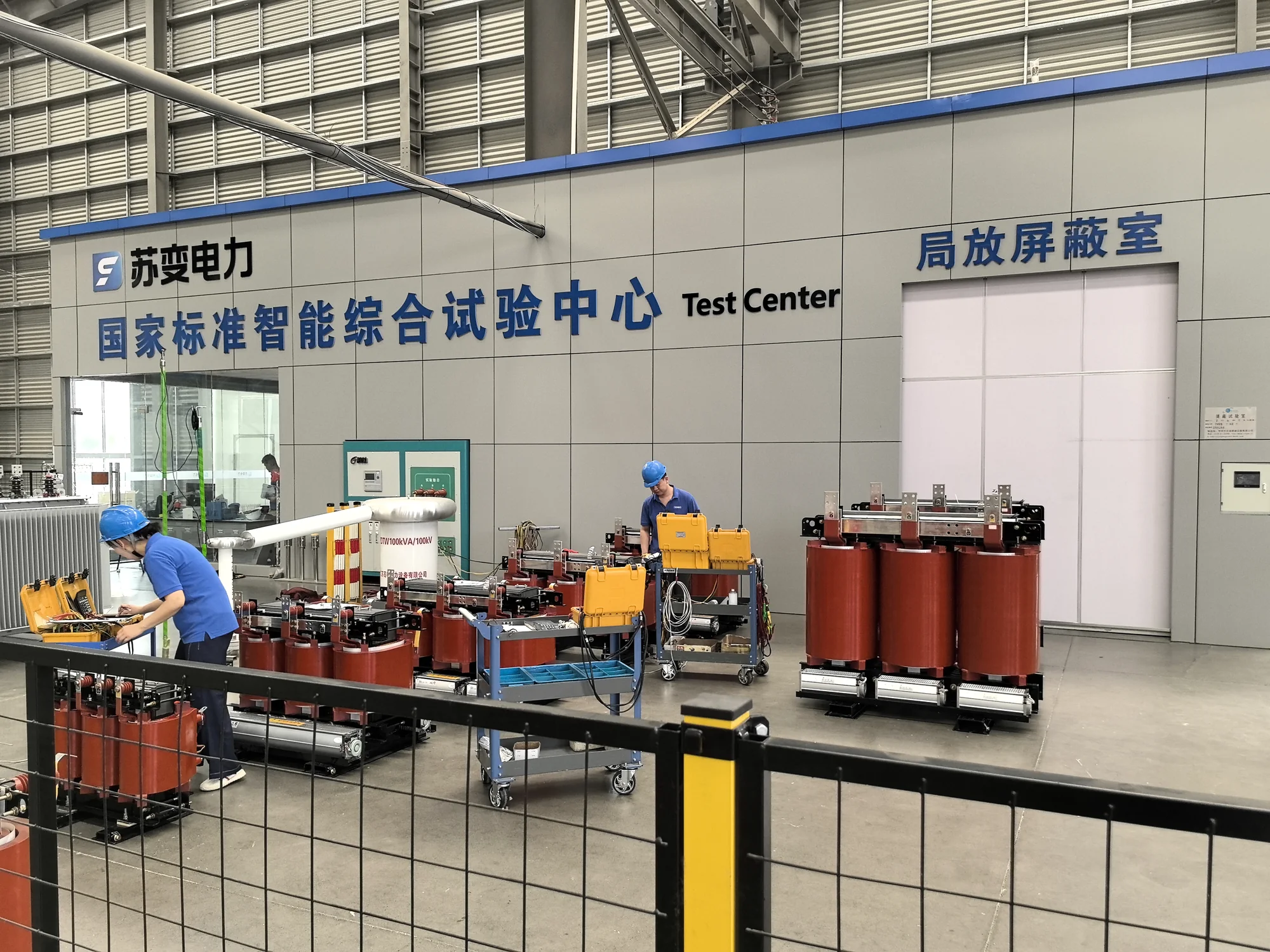
Assembly Workshop
Disconnectors, switches and breakers are assembled on controlled stations with torque and alignment checks.
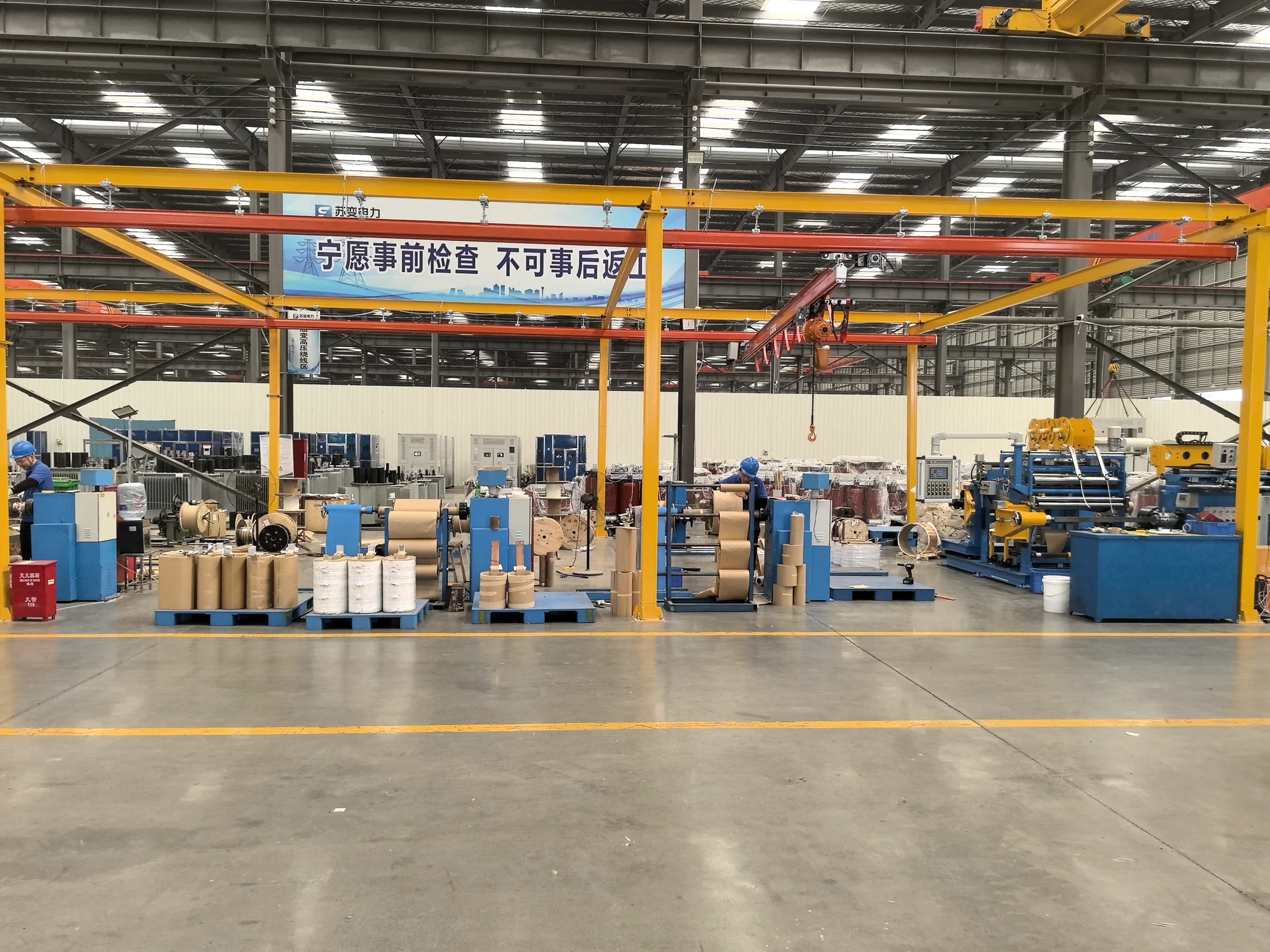
Test & Inspection
Mechanical operation, contact resistance and withstand checks are performed on every unit.
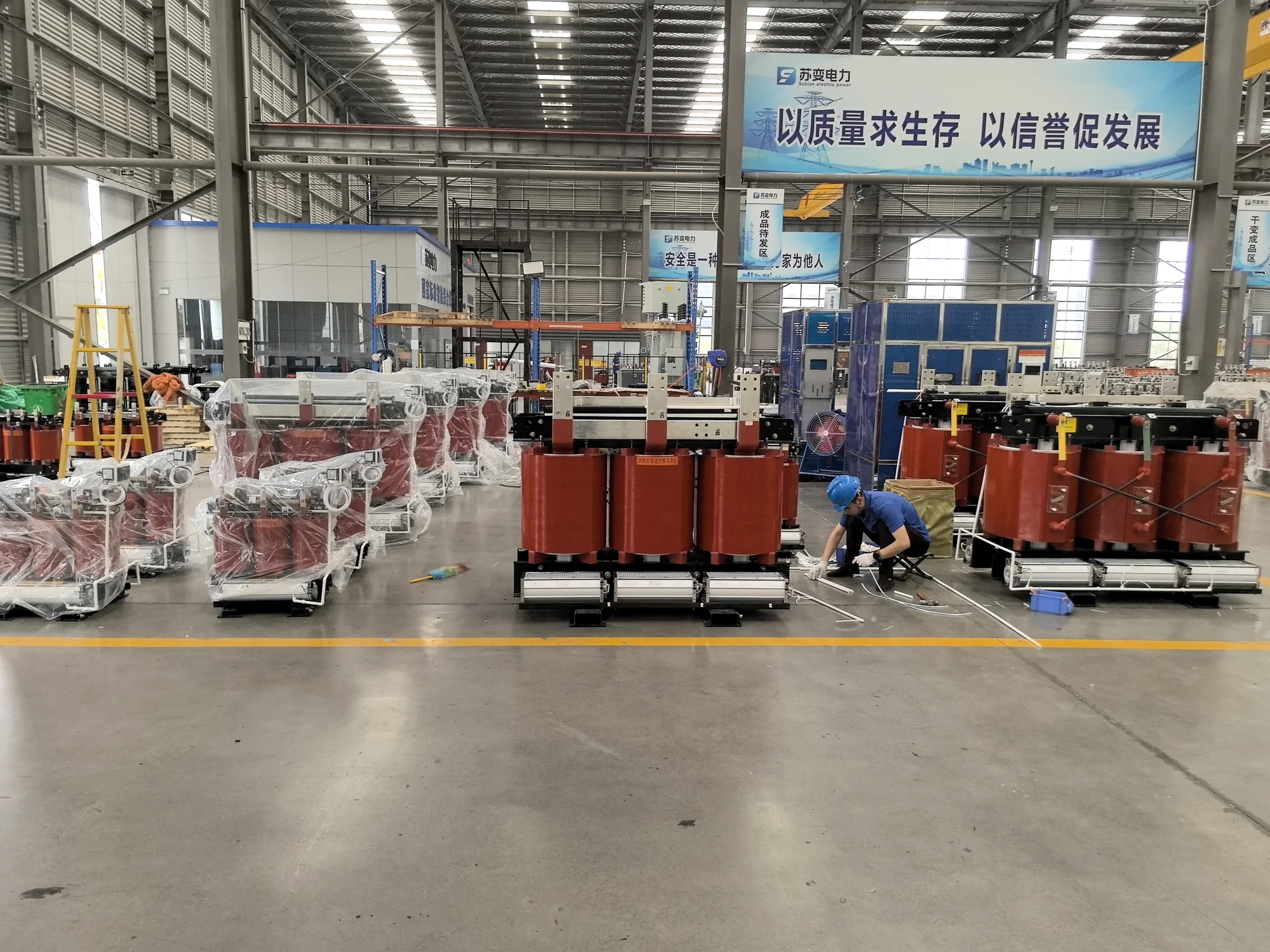
Components & Materials
Contacts, insulators and operating mechanisms are checked against the approved bill of materials.
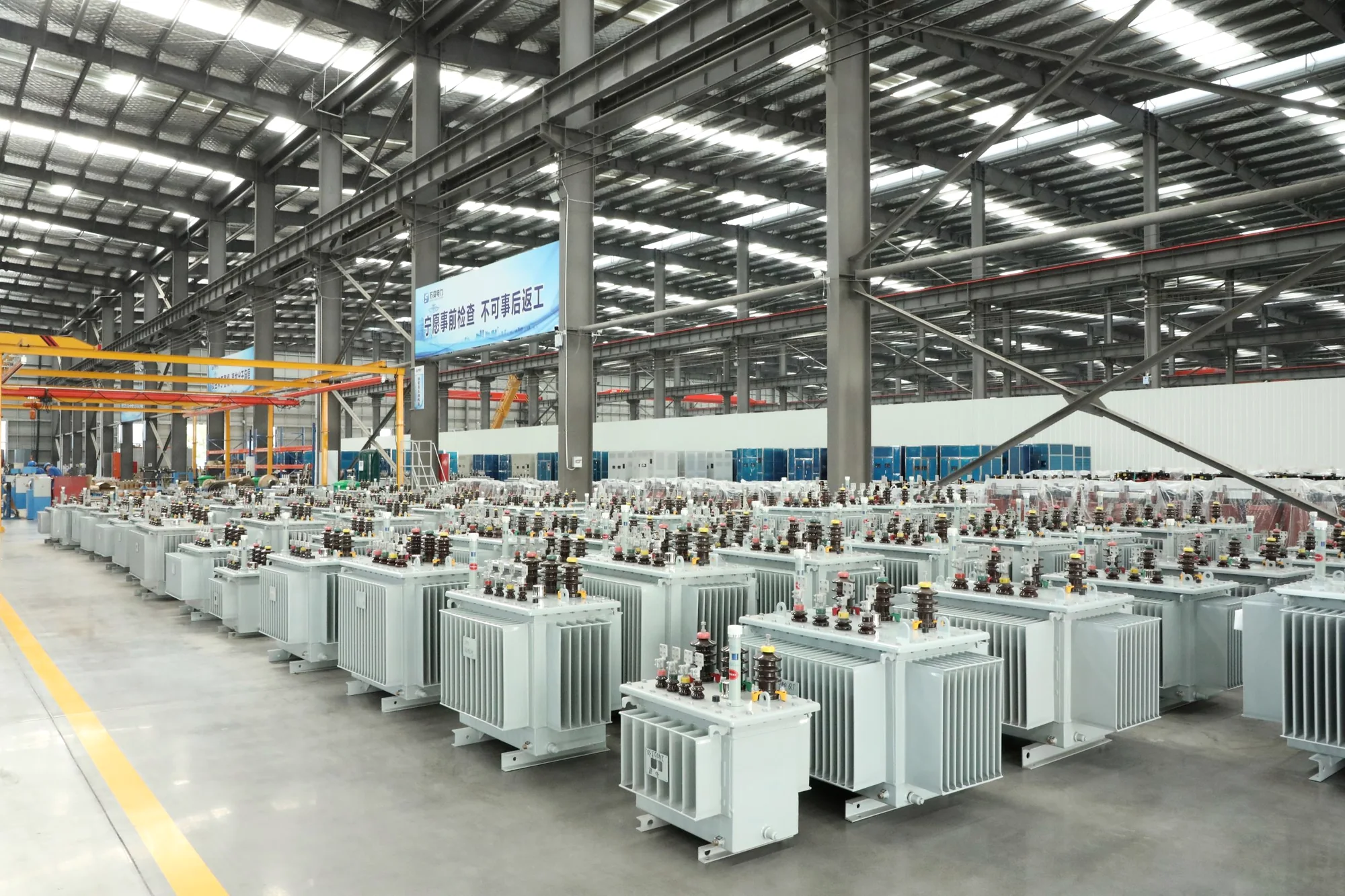
Packing & Delivery
Devices are protected for shipment and delivered with drawings and test documentation.
Substation Switch Price & Project Quotation
Send the voltage, current rating and duty of each switch position, and our engineers will confirm the correct device, provide the drawings and quote factory pricing with delivery.
OEM / ODM & Wholesale Switch Supply
Panel builders and distributors integrate our switching devices into their own assemblies and projects.
OEM / ODM
Devices built into your panel design with private-label support.
Factory direct · Test docs · Export support
Wholesale Supply
Volume Pricing
Programme pricing for distributors and switchgear manufacturers.
Factory direct · Test docs · Export support
Distributor Support
Channel Partners
Drawings, type-test evidence and account management for partners.
Factory direct · Test docs · Export support
Disconnector, LBS or Breaker – Which Switch Goes Where?
The rule of thumb: use a breaker where the circuit must clear faults automatically; use a load-break switch where switching is operational and fault clearing sits upstream; use a disconnector where you only need a visible isolation point; and use an earthing switch where personnel will work downstream.
For compact secondary substations, ring-main units combine the load-break switch, earthing switch and fuse or breaker functions in one enclosure. For open yards, separate pole-mounted disconnectors and earthing switches are the conventional layout. Our engineers map your single-line diagram to the right device for each position.
How to Choose a Substation Switch Supplier
Compare the type-test evidence first: mechanical endurance, short-time and peak withstand currents, and the breaking duty are all defined by tests, not brochures. Then check the contact material, the operating mechanism quality and the manufacturer’s experience with your voltage class.
Subian manufactures transformers, switchgear and panels under ISO9001, ISO14001, ISO45001, CE and UL certified systems, and can coordinate the complete substation package – switches, transformer and LV board – from one factory with a single point of responsibility.
For project buyers, confirm the supplier issues drawings and test reports in the format your consultant requires, and that spares and technical support remain available after delivery.
Certifications & Quality Assurance
Our switchgear and transformer production runs under ISO9001, ISO14001 and ISO45001 systems with CE and UL certification, supported by type-tested designs.
Product Certifications
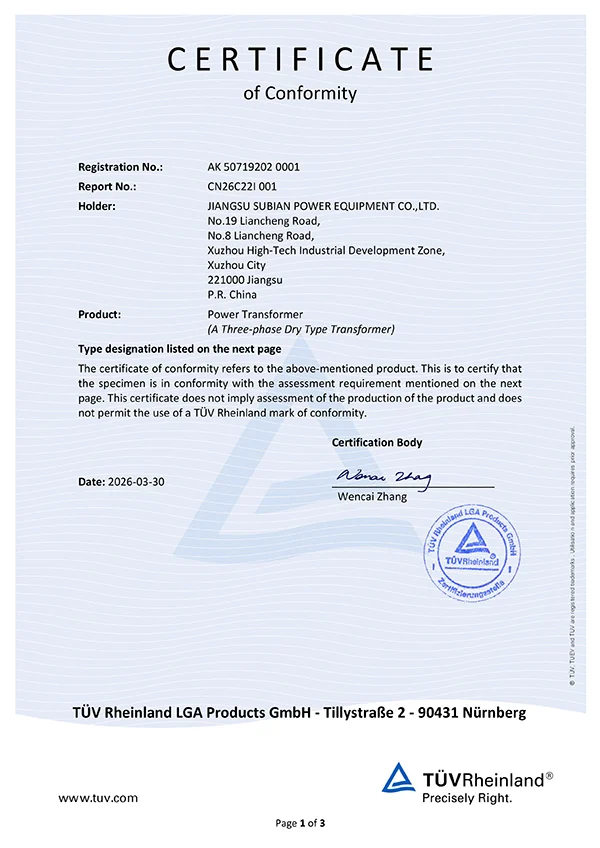 10 kV Dry-Type Transformer Certificate
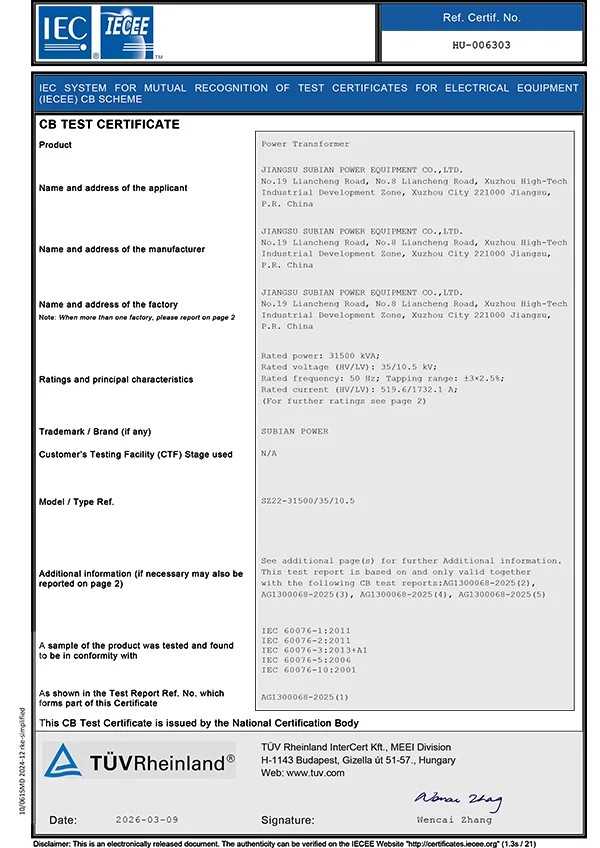 35 kV Transformer CB Certificate
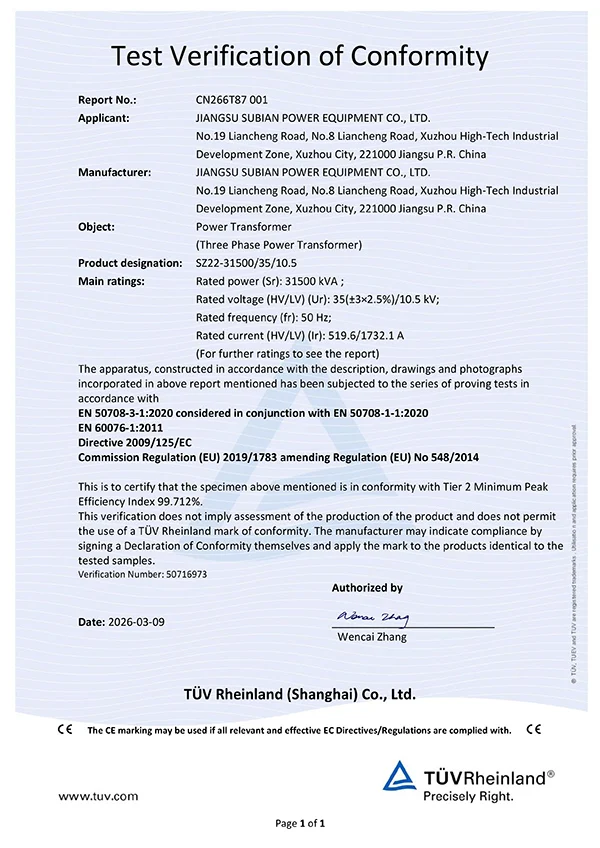 35 kV Transformer CE Verification
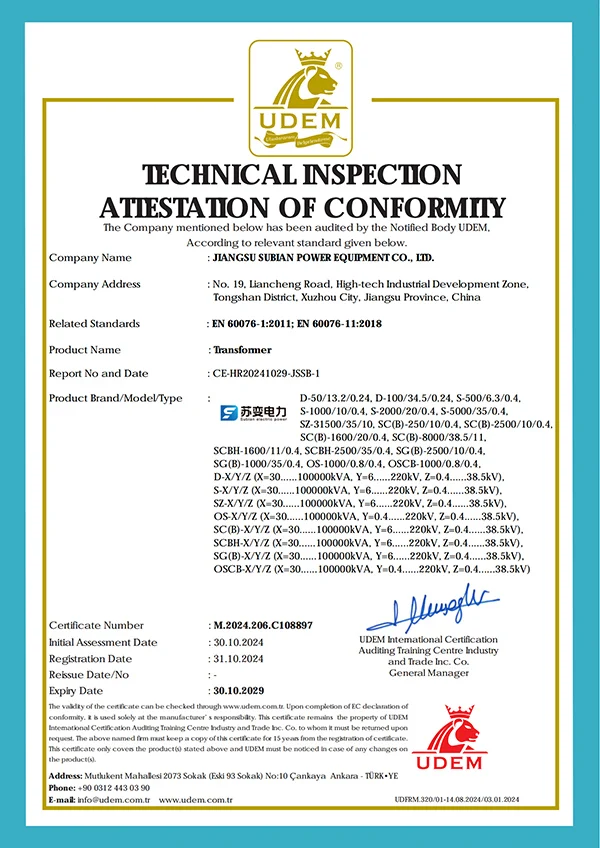 Transformer CE Certificate
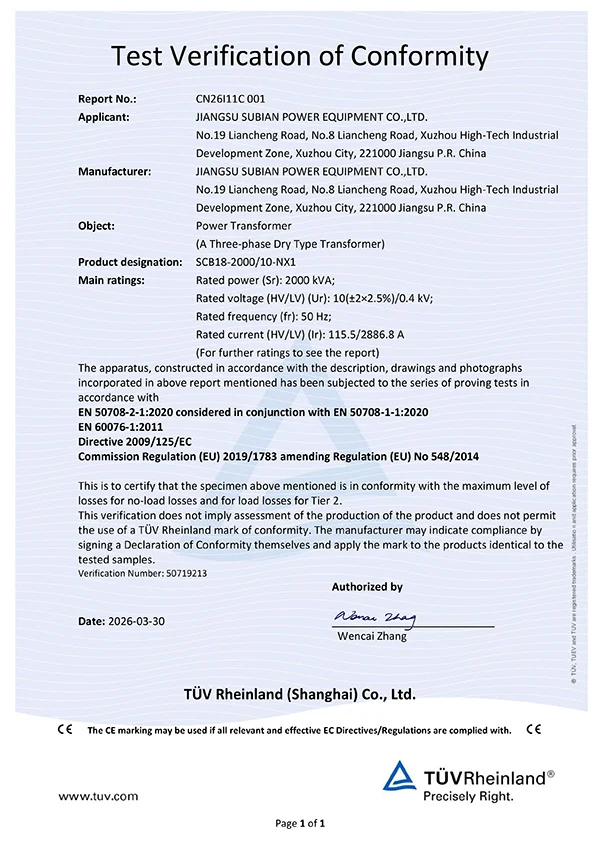 Dry-Type Transformer Test Verification
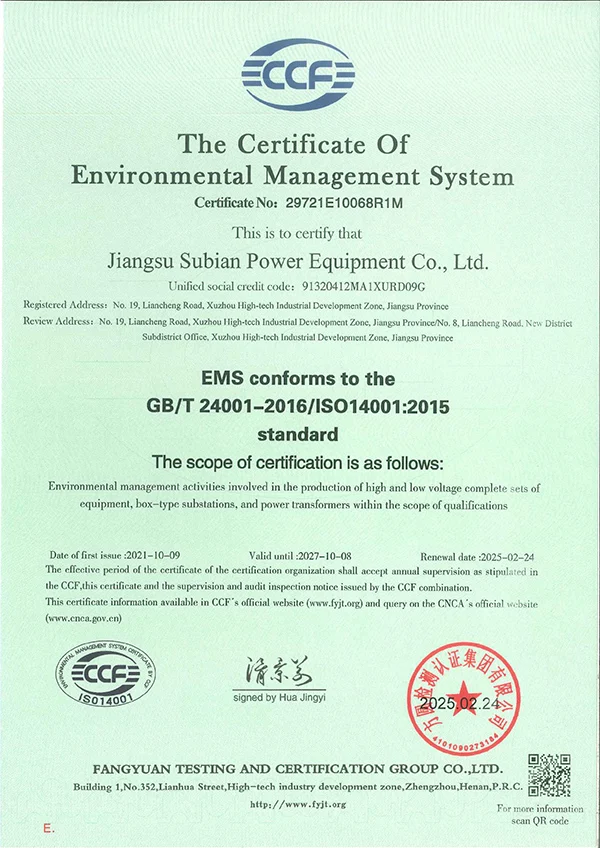 ISO 14001 Environmental Management
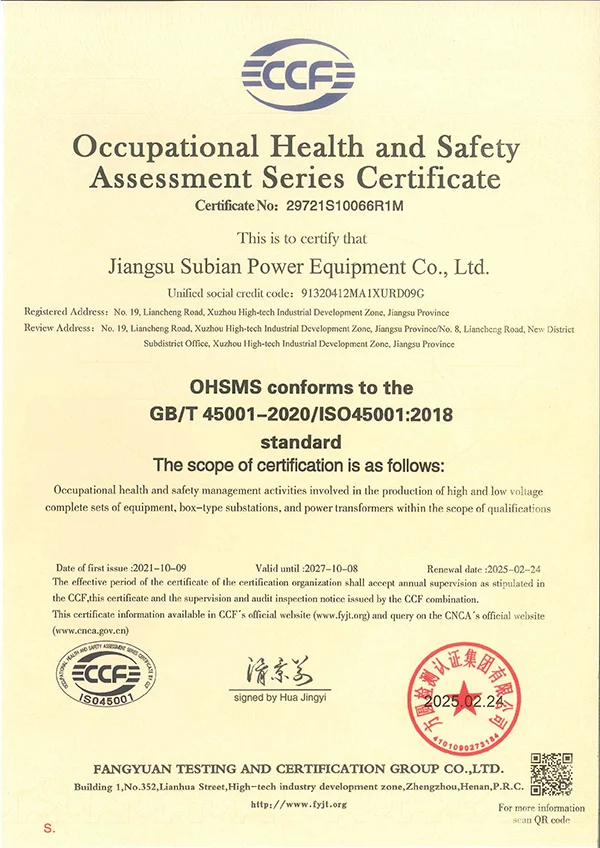 ISO 45001 Health & Safety
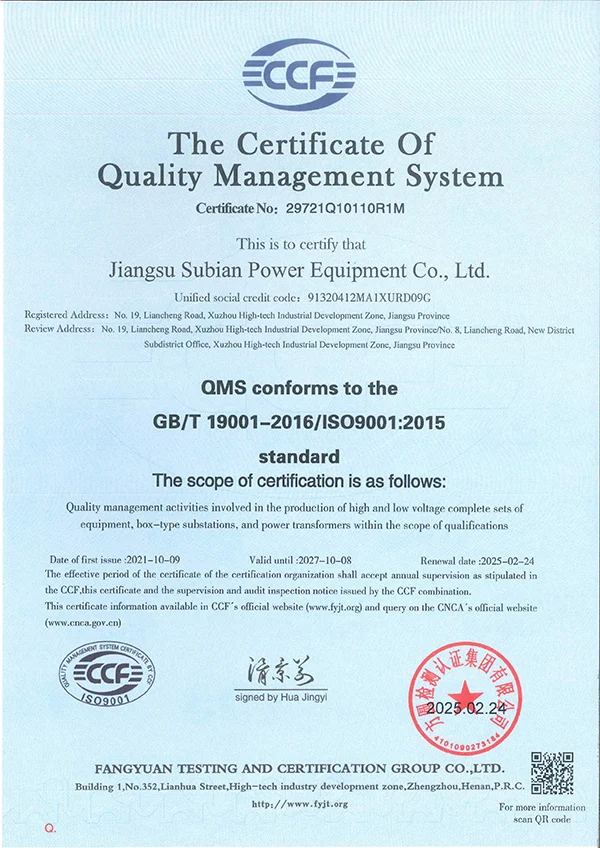 ISO 9001 Quality Management
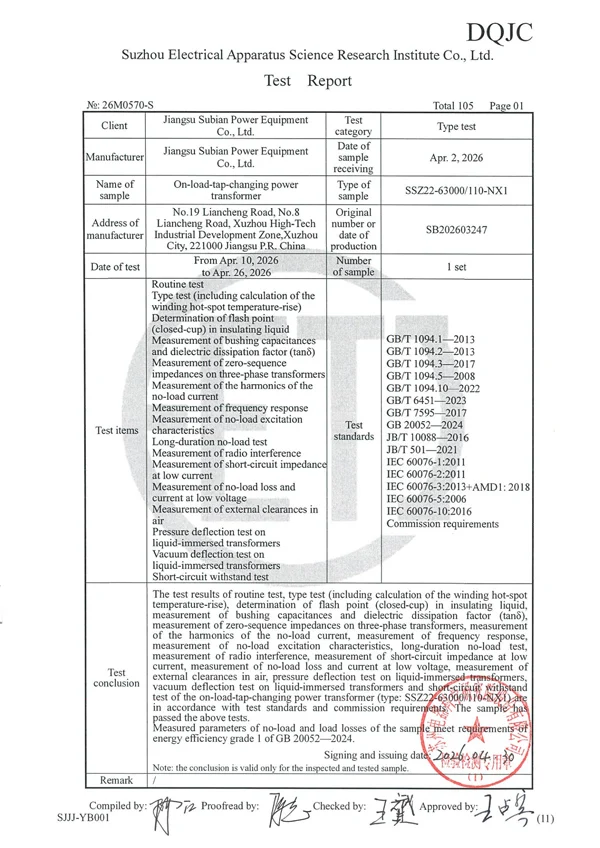 110 kV Transformer Type Test Report
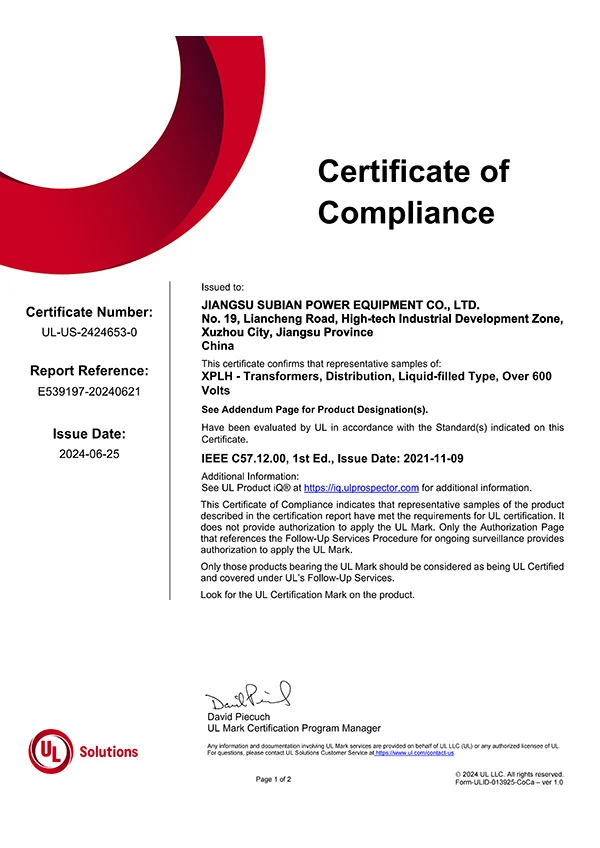 UL Certificate of Compliance
Substation Switch Manufacturer & Supplier FAQ
Questions buyers ask about substation switches, their duties and how to specify them.
What is a switch in a substation?
What is the difference between a substation and a switching station?
What are the four types of switches used in a substation?
What is the purpose of a substation?
What is the difference between an isolator and a circuit breaker?
Contact Subian
Need the Right Specification?
Tell us your target market, product type, quantity and technical requirements. Our team will help you identify a suitable configuration for your project.