


يرى أحد سكان حي مزدهر العمال وهم يقومون بإنشاء أساسات خرسانية في الطريق. نما حيّه من 40 إلى 400 منزل في ثلاث سنوات، ويعمل المحول بقدرة 100 كيلوفولت أمبير الموجود على عمود في الزاوية أكثر مما كان عليه سابقًا حيث تعمل جميع المنازل بمكيفات الهواء وأجهزة الطهي. عانى الحي من انقطاعين في الكهرباء هذا الصيف. أخيرًا، أرسلت الشركة المتخصصة لتسليم محول جديد ويتساءل المهندس عن أهمية المحولات فيما يتعلق بتزويد الطاقة السكنية.
للتوضيح، يعمل المحول كعنصر رئيسي لتزويد الطاقة السكنية بشكل صحيح. يقوم الجهاز بأخذ الجهد المتوسط من خط الحي وتحويله إلى 230 (أو 120) فولت اللازمة لجميع الأجهزة. يهدف المقال التالي إلى شرح مبادئ عمل المحول، وأسباب فشل المحول والتحميل الزائد، واحتياجات الطاقة المقدرة اللازمة للتشغيل السليم.
باختصار، يقع المحول التوزيعي بين خط الجهد المتوسط (عادة بين 11 كيلوفولت و33 كيلوفولت) وتزويد الطاقة المنخفضة (230/400 فولت للتيار الثلاثي و120/240 فولت للتيار الأحادي). عمومًا، تتراوح تصنيفات المحول التوزيعي المصمم للاستخدام السكني بين 25 كيلوفولت أمبير لعدد قليل من المنازل و1,000 كيلوفولت أمبير لمنطقة كثيفة من الشقق، مع تصنيف نموذجي لمحول الضواحي يتراوح بين 100 و315 كيلوفولت أمبير. يمكن لمحول بقدرة 100 كيلوفولت أمبير تزويد حوالي 60-120 منزلاً، بينما يمكن لمحول بقدرة 315 كيلوفولت أمبير تزويد حوالي 200-400 منزل، اعتمادًا على التنوع والحمولة. غالبًا ما تتعطل المحولات بسبب التحميل الزائد، أو ضربات البرق، أو عمر العزل؛ حيث أن الأخير هو سبب شائع لفشل المحولات على الأعمدة خلال العواصف.
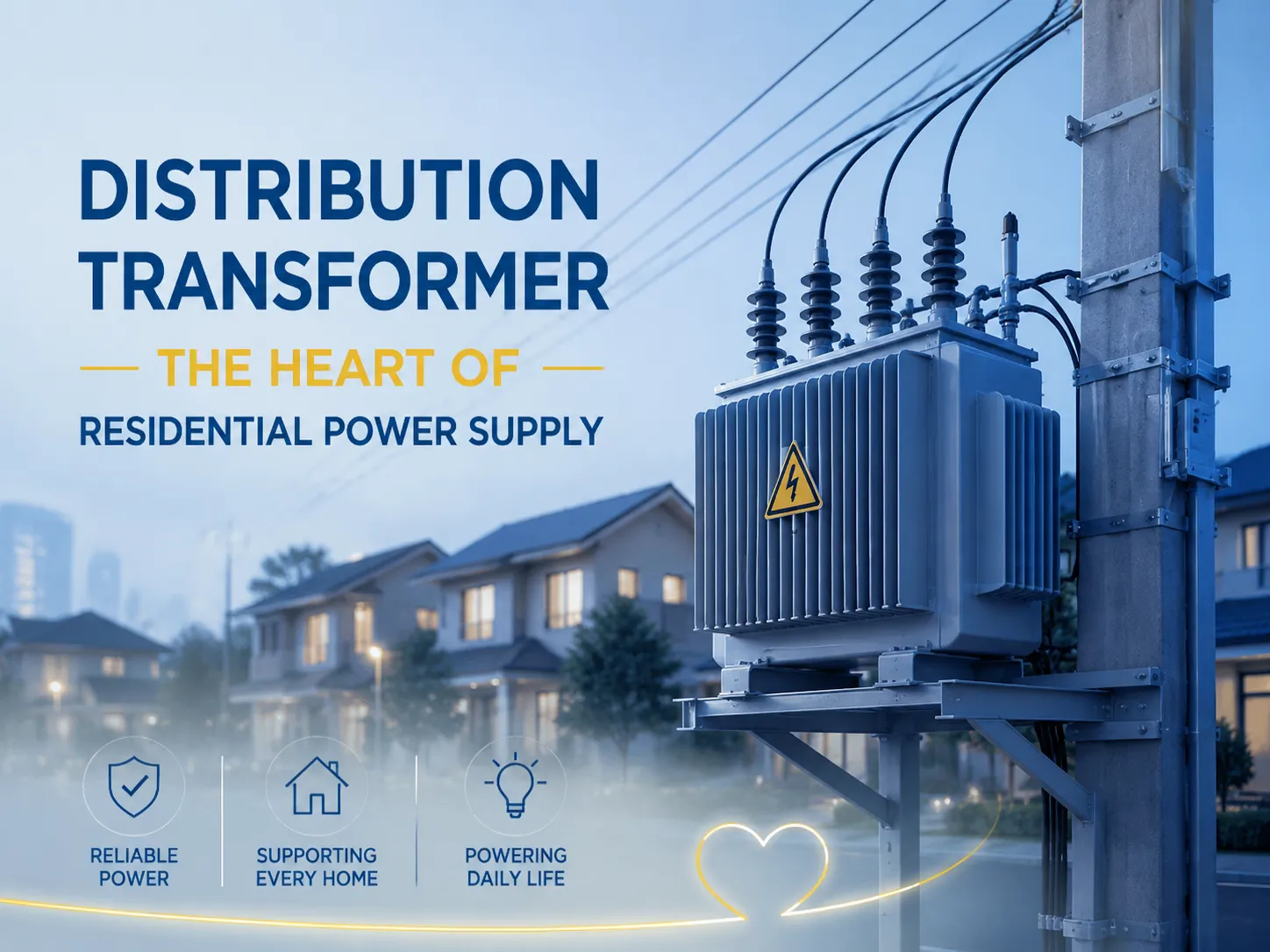
لماذا يعتبر المحول التوزيعي “قلب” التزويد السكني
كل نبضة من نبضات تزويد الطاقة السكنية تمر عبر المحول التوزيعي. يعمل نظام النقل الكبير عند جهد أكبر من أو يساوي 110 كيلوفولت إلى 220 كيلوفولت، حيث أن استخدام الجهد العالي يمكّن من نقل الكهرباء بكفاءة على مسافات طويلة. ومع ذلك، تستخدم المنازل فقط 230 فولت أو 120 فولت، ولهذا السبب يحتاج المحول التوزيعي إلى التحويل من جهد متوسط إلى الجهد المطلوب المقدم إلى المقبس.
تجعل الميزات الثلاث التالية منه قلب النظام بدلاً من كونه مجرد أحد المكونات:
- الاستمرارية: توفر المحولات التوزيعية خدمة على مدار الساعة ولا تحتوي على وضع احتياطي؛ إذا توقفت عن العمل، فإن كل شيء في الأسفل يتوقف عن العمل أيضًا.
- التركيز: تتعامل المحولات التوزيعية مع الحمل الكامل لمنطقة خدمتها؛ في حالة تعطل محول واحد فقط بقدرة 315 كيلوفولت أمبير، سيفقد حوالي 300-400 منزل الطاقة حتى يتم إصلاح المحول أو استبداله.
- الخسائر: يؤدي الاستهلاك المستمر للطاقة إلى استهلاك غير محسوب للطاقة، مما يعني أن شركات المرافق تبحث عن تركيب محولات توزيع فعالة من حيث الطاقة دون فقدان الوظائف والمرونة في المستقبل.
تعتبر هذه التركيز العامل الرئيسي حيث تعتمد موثوقية الإمداد على جودة آخر محول توزيع في السلسلة. تظهر إحصائيات الموثوقية أنه في الشبكات التوزيعية المتطورة جيدًا، تنشأ الانقطاعات في إمدادات الكهرباء من الأسفل، وليس من الأعلى.
كيف يعمل محول توزيع سكني
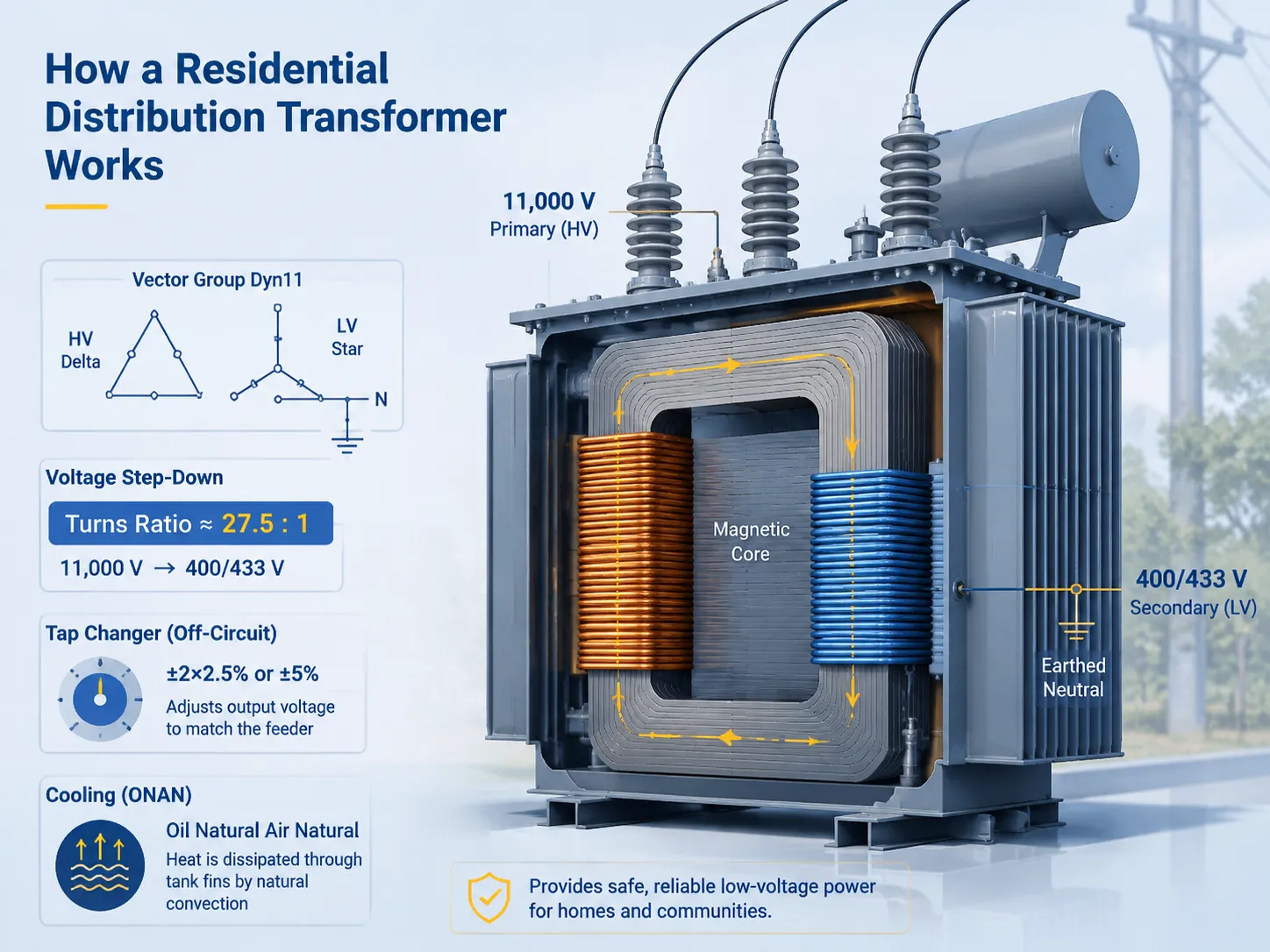
داخل الخزان الرمادي أو الأخضر المعروف يوجد قلب من السيليكون والصلب المجمع الذي يمتلك مجموعتين من الملفات؛ الملف الأول، الذي يرتبط بخط التغذية المتوسطة الجهد، والملف الثاني، الذي يرتبط بخطوط الجهد المنخفض في الشارع. التيار المتردد المتدفق في الملف الأول ينتج قوة كهرومغناطيسية في القلب مما يؤدي إلى توليد جهد كهربائي في الثانوي. يتم تحديد جهد المحول من خلال النسبة بين عدد لفات الملفين (المثال هنا هو 11,000/400-433 فولت؛ في هذه الحالة، النسبة هي 27.5:1). تم تصميم الملف الثانوي لإنتاج 433 فولت عند عدم التحميل وحوالي 400 فولت عندما يكون الدائرة محملة بالكامل.
ثلاث تفاصيل مهمة تدخل في الاعتبار في حالة المباني السكنية:
- مجموعة المتجهات Dyn11: في هذه الحالة، يوفر الربط دلتا للملف الأول والربط نجمة للملف الثاني بالإضافة إلى سلك محايد مؤرض تأريضًا موثوقًا لشبكة الجهد المنخفض مما يضمن سلامة المنازل.
- محول التبديل: هذا مطلوب حيث يمكن للمرافق تعديل المحول وفقًا للجهد الفعلي في التغذية المحلية في المنطقة.
- التبريد (ONAN): يتم استخدام زيت معدني للحفاظ على برودة المحول، ويتم ذلك من خلال الدورة الطبيعية التي تتحقق من خلال زعانف الخزان المصنوعة من المعدن.
حجم وتقييمات للمناطق السكنية
تعتمد المرافق على حجم المحولات السكنية بناءً على أبحاث الحمل بدلاً من حساب عدد المآخذ. المبدأ الأساسي هنا هو مفهوم التنوع. ليس كل منزل يقوم بتشغيل جميع أجهزته الكهربائية في نفس الوقت. نتيجة لذلك، في حي سكني، يكون الحد الأقصى للطلب المتزامن على الطاقة لكل منزل عادةً بين 1 و 2 كيلووات، وهو أقل بكثير من إجمالي الأحمال المتصلة.
| تصنيف المحول | الأسر المخدومة | التطبيق النموذجي |
|---|---|---|
| 25 كيلو فولت أمبير | 12–20 | القرى الريفية، تجمعات المزارع |
| 50 كيلو فولت أمبير | 30–50 | القرى الصغيرة، نهايات الشوارع |
| 100 كيلوفولت أمبير | 60–120 | الشوارع الضاحية، التطورات الصغيرة |
| 200 كيلو فولت أمبير | 120–250 | التجمعات الأكبر |
| 315 كيلو فولت أمبير | 200–400 | الضواحي الكثيفة، كتل الشقق |
| 630–1,000 كيلو فولت أمبير | 500–1,000+ | الشقق العالية، مراكز الأحياء |
تفترض الحسابات أعلاه أن اختراق الأجهزة محدود (الإضاءة، التبريد، التلفاز، وقليل من الطهي). لذلك، بالنسبة لاختراق الأجهزة لتسخين المياه الكهربائي، شحن السيارات الكهربائية، أو تكييف الهواء فوق 50%، يتضاعف الطلب لكل منزل تقريبًا. لذلك، تشير المثال أعلاه إلى أن الضاحية قد تجاوزت وحدتها 100 كيلو فولت أمبير. أفضل طريقة هي إجراء دراسة حمل، إضافة هامش من 15-25%، ثم تكرار الحسابات مع زيادة كثافة المنطقة.
الأنواع المستخدمة في الشبكات السكنية
تستخدم الإمدادات السكنية عددًا صغيرًا من أنواع المحولات القياسية، المختارة حسب التركيب ونمط الشبكة.
| النوع | التصنيفات | حيث تستخدم | سعر FOB التقريبي (الصين) |
|---|---|---|---|
| محول عمود أحادي الطور | 5–167 كيلو فولت أمبير | نمط ريفي/ضاحي شمال أمريكي | $350–$1,500 |
| محول عمود ثلاثي الطور | 15–315 كيلو فولت أمبير | نمط IEC ريفي وضاحي | $1,500–$5,000 |
| محول مثبت على قاعدة | ٢٥–٢,٥٠٠ كيلو فولت أمبير | الشبكات الحضرية، تحت الأرض | $900–$12,000 |
| نوع جاف (راتنج مصبوب) | 50–2,500 كVA | داخل المباني، الطوابق السفلية، الأبراج | $3,500–$30,000 |
| Amorphous-core unit | ١٥–١,٠٠٠ كيلو فولت أمبير | Efficiency-driven programs | +15–25% over standard |
Houses in large towns usually utilize dry-type installations in basements as the use of oil-filled containers in occupied buildings does not comply with fire regulations, while houses in the suburbs normally utilize an electric pole (overhead network) and pad transformers (underground network).
Why Residential Transformers Fail
Comprehending the various types of failure helps define what requires checks and specifications. The lead causes, ranked roughly by frequency in the section on residential fleets:
| Failure cause | Typical share of failures | Prevention |
|---|---|---|
| Overload / thermal aging | ≈ 25–35% | Correct sizing, load monitoring |
| Lightning surges | ≈ 20–30% (storm regions higher) | ZnO surge arresters, good grounding |
| Insulation degradation | ≈ 15–25% | Oil testing, moisture control |
| Moisture ingress | ≈ 10–15% | Sealed tanks, gasket maintenance |
| Manufacturing defects | ≈ 5–10% | Factory testing, type-tested designs |
| Animal contact / vandalism | ≈ 5% | Enclosure, guarding, placement |
Lightning is mentioned here because of its dramatic impact and preventability. A direct hit or an incident nearby brings a high frequency impulse to the primary winding; without a properly grounded surge suppression device, insulation fails, which is usually evidenced by an exploded bushing or a burned winding. Installation and maintenance of the ZnO surge suppression device represents the cheapest solution.
Protection and Installation
The level of safety of a residential distribution transformer directly depends on surrounding presets. The regular safety package covers the following aspects:
- Fuse cutout on the primary serves to isolate the faulty transformer from the feeder. The cutout’s size corresponds to the magnetizing inrush when starting its work (usually 10-12 times the rated current for about 0.1 s without nuisance blowing).
- The surge arrester on the primary is a ZnO arrestor with the voltage rating for BIL of the system. Surge arrester has to be grounded with the impedance lower than 10 ohms.
- Protection on the secondary side includes installation of a low-voltage breaker or fuse on the transformer (where regulations require) to protect the LV network in case of overloads.
- Grounding of a transformer tank, LV neutral and grounding of surge arrester have to be bonded together with the grounding electrode.
- Safety of enclosure is also important — pad-mount transformers are supplied in locked tamper-proof enclosures, and pole transformers have to comply to minimum clearance standard from the tank to the ground and to buildings.
The installation of 100 kVA pole transformer can be carried out by 2 qualified specialists using a boom truck and may take from 1 to 2 hours to install a transformer at an existing pole and make all necessary connections, including the arresters, fuse cutouts, grounding and low voltage connections. Safety commissioning tests are done by checking the tap position, the phase rotation (three-phase), and insulation resistance (using megger).
Maintenance and Lifespan
A transformer which is well-secured and properly charged has a lifespan of 25 to 35 years. The maintenance schedule is simple but unavoidable.
| Interval | Task | Key threshold to watch |
|---|---|---|
| 2–3 years | Oil test (dielectric, moisture, acidity, DGA) | Dielectric ≥ 30 kV/2.5 mm; moisture < 30 ppm |
| Annual | Visual inspection | No leaks, corrosion, or low oil level |
| Seasonal (peak load) | Load check against nameplate | Peak load < 80% of rating for long periods |
| Annual | Arrester and fuse check | No cracked porcelain, no signs of discharge |
| 5 years | DGA trend review (larger units) | No rising H2 or CH4 trend |
The reality of the economics of aging is harsh: an increase of temperature of 8 K is equal to a cut in life of insulation in half. A transformer operated under conditions of 1.3 of its rated load in hot summer evenings deteriorates many times faster than its respectable life span — this being the reason why the transformer in our introductory scene had to be replaced much earlier than it had been designed to.
Brands, Quality, and Price Ranges
Although residential distribution transformers are uniform items, the brand selection encompasses great differences in terms of cost and functionality. In the table below, we present the comparison of a 100 kVA three-phase transformer on an FOB basis.
| Brand / source | الدولة | 100 kVA price range | ملاحظات |
|---|---|---|---|
| ABB | سويسرا | $4,200–$6,500 | Global service, premium build |
| سيمنز | ألمانيا | $4,000–$6,800 | Proven utility base |
| شنايدر إلكتريك | فرنسا | $3,800–$6,200 | Strong LV ecosystem |
| هيتاشي للطاقة | سويسرا/اليابان | $4,500–$7,000 | Utility-grade reputation |
| إيتون | Ireland/USA | $3,500–$5,800 | Americas residential strength |
| TBEA / China XD | الصين | $1,600–$2,800 | Large state-backed manufacturers |
| شركة جيانغسو سوبين للطاقة الكهربائية | الصين | $1,400–$2,400 | Export-focused, IEC 60076 tested |
International brands that have established themselves in the market — ABB, Siemens, Schneider Electric, and Hitachi Energy — are recognized for their reliability data that they have acquired over millions of unit-years. The companies provide local engineering support and financing recognition. For the utility companies and developers who value these assurances, the added cost of two or three times than the cost price in China seems justified and reasonable.
For the purposes of domestic applications that require installation of hundreds and thousands of devices for new residential complexes, electrification projects, or fleet renewals, Jiangsu Subian Electric Power is an alternative company to consider. The company manufactures both single-phase and three-phase transformers in pole-mounted and pad-mounted types with capacity ranging from 5 kVA to 2,500 kVA. The company performed manufacturing in accordance with IEC 60076 standards and received certificates for its products. The manufacturing process is also assisted by production of amorphous cores meeting the efficiency standards and provision of various voltage and vector combinations of electric transformers as well as fuse and surge arrestor installations.
Upgrading an Overloaded Transformer
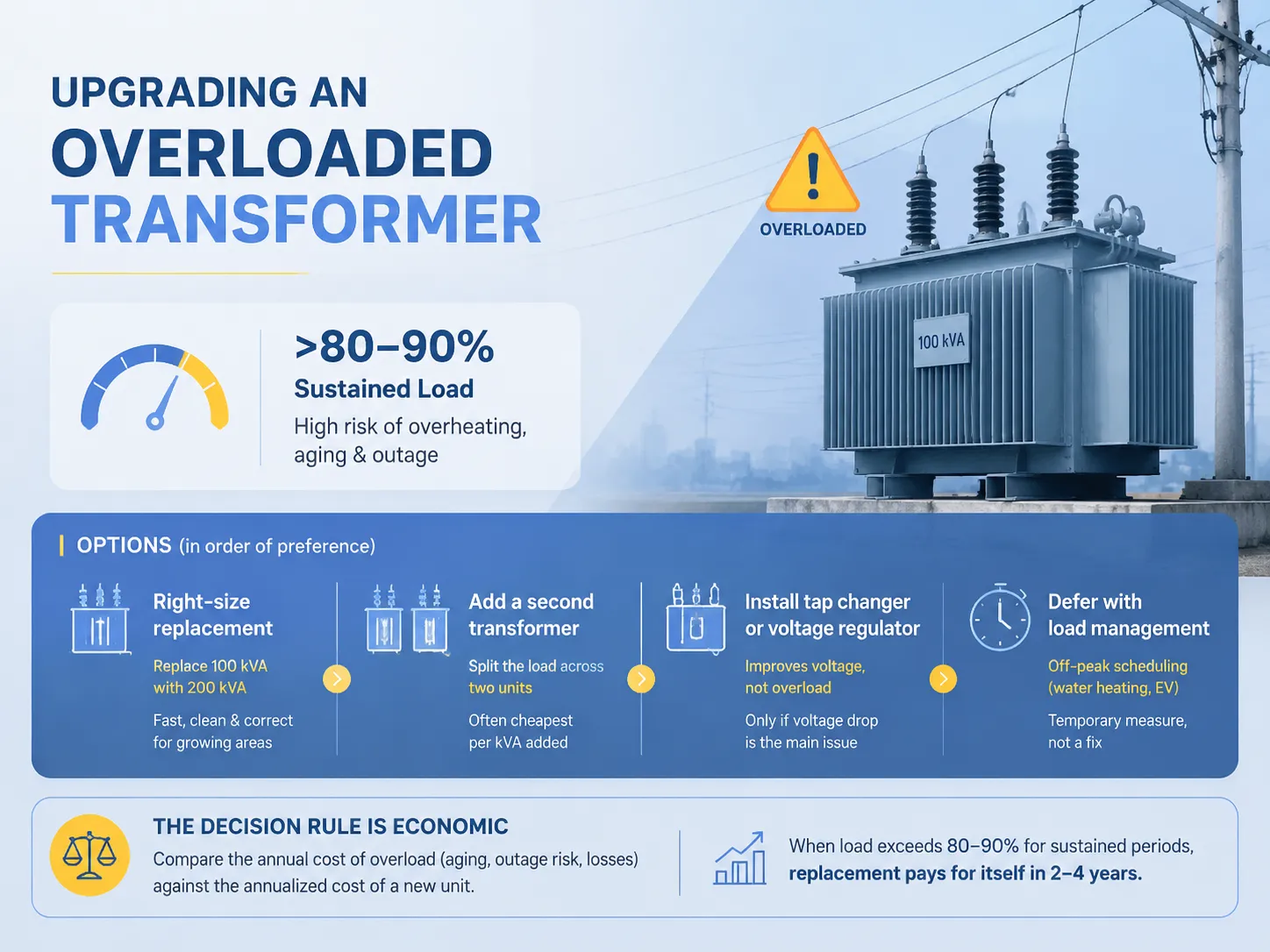
When a residential transformer is subject to the load limit, the preferences are listed as under:
- Change to the appropriate size transformer: The replacement of 100 kVA transformer with 200 kVA transformer is the right approach — the cost of the whole process would be around $2,500–$5,000.
- Consider the installation of an additional transformer: The load can be divided between the two transformers where the network allows — this is usually the least expensive option.
- Install either an on-load tap changer or a voltage regulating device: This might help to solve the problem of the voltage drop; however, in this case, the problem of the overload aging remains.
- Strategize with the help of load managing: This way you obtain temporary relief, but as an outcome, the problem with the overload is still left unattended.
The guideline in this case relies on the costs of the excess load (rapid aging, the possibility of the failure, and energy losses) that need to be compared to the annualized cost of the new transformer. In most situations, when the transformer is not able to handle the load correctly for a long time and is operating near the 80-90% of its rated output, the expenses justified within 2-4 years.
الأسئلة المتكررة
How many homes does a 100 kVA distribution transformer serve?
Assuming a maximum utility demand of 1-2KW per household for lighting, refrigeration, television, and some cooking, then at peak times of consumption approximately 60-120 households can be supplied from a utility. Heavy usage of air conditioning, electric water heating or charging of electric vehicles reduces this number to a range of 30–60 residences. The values that utilities refer to come from the load research of their specific regions.
How long does a residential distribution transformer last?
25-35 years under the right loads, protection, and maintenance. That is a right overload is the main killer: every 8 K above the 65 K winding temperature rise decreases insulation durability by half. A unit operated at a 1.3× rating each summer can be completely worn out in 10-15 years, that is why electric companies like to right-size.
Why does my neighborhood transformer hum and sometimes buzz?
The humming sound can be attributed to magnetostriction. Magnetostriction is the action of the core’s silicon steel that expands and contracts 100 times each second producing the sound of 100/120 Hz which is normally around 40-55 dB(A) at a distance of 30 meters. The intensity of this sound increases as the load increases. A loud, distorted, or irregular buzzing sound may indicate incorrectly fixed core clamping, presence of high-frequency harmonics (often generating due to many switching and LED drivers), or emergence of internal faults which should be reported to the electricity supplier.
What causes a pole transformer to catch fire or explode?
In most scenarios, the insulation defect arises due to lightning surges or excessive loading conditions, and most of the time the situation is aggravated by humidity-ridden oil which is mostly old. Fault current vaporizes oil, and pressure relief ways open to avoid tank explosion. Zinc oxide surge arresters, proper fuse sizing, oil testing, and not loading too much work as the methods of prevention of such failures. New tanks also have hermetic designs and pressure relieving installations in order to decrease the failure risk.
How much does it cost to replace a residential transformer in 2026?
Regarding the transformers, FOB China prices quoted are single-phase models between $350-$1,500, and for three-phase models between $1,500-$8,000 (for 15-500 kVA units). The pricing for dry-type models is about 30-50% higher. Adding around 30-50% more cost for transportation, installing, armoring, fuses, and commissioning gives us around $4,000-$8,000 for a 200 kVA pole transformer, while the total cost for a pad-mounted transformer will typically range between $6,000-$15,000.
المراجع
- IEC — Publisher of IEC 60076, the core standard for distribution transformers.
- IEEE — Source of IEEE C57.12.00 / C57.12.20 standards for the Americas.
- NEMA — TP-1 efficiency standard for distribution transformers.
- وزارة الطاقة الأمريكية — Distribution transformer efficiency and reliability data.
- International Energy Agency (IEA) — Distribution losses and grid reliability analysis.
- U.S. EPA — Guidance on surge protection and transformer environmental management.
- شركة جيانغسو سوبين للطاقة الكهربائية — Manufacturer of residential pole- and pad-mounted distribution transformers.
الخاتمة
This transformer is said to play the central role in power supply for the residential sector because all electrical power required for home usage comes through this device, and it is the condition of this device that determines whether thirty or three hundred homes have electricity even in the hottest night. Correct size, protection, and maintenance are combinations that allow this transformer to operate without disturbances for up to 25-35 years.
- Make the size selection based not on the number of sockets, but rather on the load study and make sure to add a margin of 15-25% of capacity growth.
- Make sure that every transformer in the subgroup has proper surge arresters, correctly rated fuse cutouts, and good grounding.
- Conduct oil tests every two or three years and shut down and replace transformers that were overloaded long before their reached the end of their operation.
- In buying transformers, specify that the manufacturer must provide IEC 60076 testing results and loss guarantees regardless of whether the manufacturer is ABB, Siemens, Schneider or Jiangsu Subian Electric Power.