


في مصنع معالجة الطعام في الغرب الأوسط، قام أحد المهندسين مؤخرًا بتركيب محول جديد مثبت على قاعدة بسعة 200 kVA كان من المفترض أن يدعم توسيع مجمد. ومع ذلك، خلال فترة ثلاثة أسابيع بعد التركيب، واجه المحول انقطاعًا بسبب الحمل الحراري الزائد خلال ساعات الإنتاج وانتهى الأمر بالمستخدم بفواتير كهربائية مرتفعة ألغت جميع الفوائد المتوقعة التي كان من المفترض أن يوفرها المحول. المشكلة ليست في المحول نفسه ولكن في حقيقة أنه قبل التركيب، لم يتحقق أحد مما إذا كان المحول لديه السعة المناسبة للحمل الكهربائي، خاصة من حيث الحمل المفاجئ والأحمال التوافقية مع الأخذ في الاعتبار التوسعات المستقبلية في الحمل. تحدث مثل هذه الحالات يوميًا، في الواقع تحدث كل عام في البيئات الصناعية والتجارية والمرافق.
في هذا المستند، سأقدم تعليمات خطوة بخطوة حول كيفية تحديد ما إذا كان المحول يواجه متطلبات الحمل باستخدام المعلومات من لوحة الاسم، وحسابات kVA، وتحليل عامل الحمل، والاختبارات الميدانية.
يمكنك معرفة ما إذا كان المحول يمكنه دعم احتياجاتك من السعة من خلال حساب الطلب الحقيقي أولاً: اجمع تقييمات kVA لجميع الأحمال المتصلة، واعتبر عامل التنوع من 0.7-0.85، وأخيرًا اضرب الرقم الذي وصلت إليه بهامش نمو قدره 10-20%. قارن نتائج الجدوى مع kVA الموجود على لوحة الاسم للمحول واستخدم حساب عامل الحمل - يجب ألا تتجاوز الأحمال الثابتة أكثر من 80-90% من التقييم للمحولات من النوع الجاف و70-80% للمحولات الزيتية.
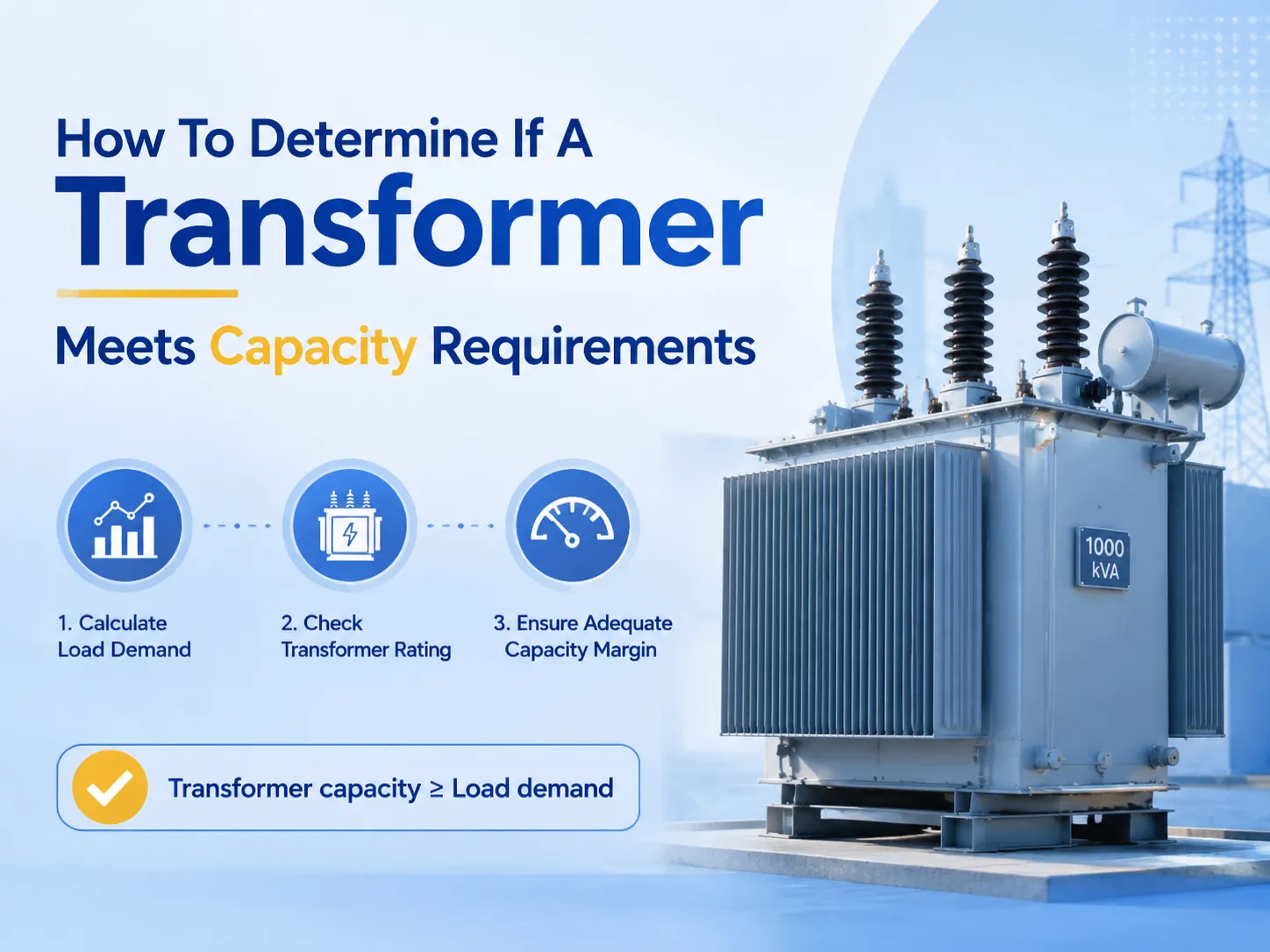
ماذا تعني “متطلبات السعة” بالنسبة لمحول؟
سعة المحول هي قدرته المعلنة من الطاقة الظاهرة في kVA أو MVA تحت ظروف تبريد محددة. يحدد المصنع هذا التقييم وفقًا لـ IEC 60076-1 أو IEEE C57.12.00، وهو أعلى خرج للطاقة الظاهرة للجهاز الذي يمكن استخدامه بشكل مستمر دون تجاوز حدود ارتفاع درجة الحرارة - عادةً 65 درجة مئوية لارتفاع متوسط لفائف المحولات المغمورة بالزيت و100-150 درجة مئوية للأنواع الجافة حسب تطابق فئة العزل.
عندما يتعلق الأمر بالامتثال لـ “متطلبات السعة”، فهذا يعني أن المحول قادر على تحمل الحمل الفوري المتزايد بشرط وجود هامش كافٍ لثلاثة معايير يحتاج المهندسون إلى أخذها في الاعتبار: التيار المفاجئ الناتج عن بدء المحرك (يمكن أن يصل هذا إلى 5-8 من التيار المقياسي)، والتيارات التوافقية التي تظهر بسبب محركات التردد المتغير وآفاق زيادة الحمل في المستقبل. في غضون بضع سنوات، قد يصبح المحول الذي تم حسابه بشكل صحيح اليوم غير مناسب إذا تم إضافة بعض الأحمال إلى تشغيل المنشأة.
هناك سببين لظهور التباينات المذكورة أعلاه. أولاً وقبل كل شيء، من المحتمل أن يخلط المشترون بين kVA (الطاقة الظاهرة) و kW (الطاقة الحقيقية) مما يؤدي إلى فقدان حقيقة أن الحمل الذي يعمل بمعامل قدرة 0.8 يتطلب 25% المزيد من kVA مقارنة بـ kW. بالإضافة إلى ذلك، قد يقوم المشترون بجمع تصنيفات الألواح لكل جهاز دون تطبيق عامل التنوع الضروري مما يجعلهم يبالغون في تقدير سعة المحول بحوالي 30–50% دون أي حاجة فعلية لدفع ثمن الدوائر التي قد لا تُستخدم لاحقًا.
الخطوة 1: حساب الحمل المتصل الحقيقي
أولاً وقبل كل شيء، من الضروري عمل قوائم بجميع (الأحمال) التي يتم تزويدها بواسطة المحول وتجميعها. تصنيف جيد هو كما يلي:
- الأحمال المستمرة — الإضاءة، HVAC ومعدات العمليات التي تعمل لفترة طويلة من الزمن.
- الأحمال المتقطعة — المضخات، الضواغط، الرافعات التي تستمر في التشغيل والإيقاف.
- أحمال المحركات — التيار الكامل، تيار البدء وما إذا كانت المعدات تستخدم مشغلات ناعمة، VFDs أم لا (كم عدد التيارات التي تستخدمها).
- الأحمال غير الخطية — VFDs، مقومات وأنظمة UPS التي تحتوي على تيار توافقي.
الآن يجب عليك جمع kVA لجميع أنواع الأحمال. لا تحسب فقط قيم kW لكل حمل. إذا كان لديك فقط kW ومعامل قدرة، ابحث عن kVA باستخدام المعادلة أدناه. بمجرد أن تحصل على البيانات الخام كمجموع لجميع الأحمال، تحتاج إلى تطبيق عامل التنوع.
| فئة الحمل | عامل التنوع النموذجي | هامش الطلب الموصى به |
|---|---|---|
| تجاري عام (تجزئة، مكتب) | 0.60–0.75 | 10–15% |
| مصانع العمليات الصناعية | 0.70–0.85 | 10–20% |
| المستشفيات، البنية التحتية الحرجة | 0.90–1.00 | 15–25% |
| مراكز البيانات (كثافة عالية) | 0.95–1.00 | 20–30% |
| المدارس، المباني البلدية | 0.50–0.70 | 10% |
قم بزيادة الطلب المتنوع بنسبة 10% إلى 20%، حيث أن هذه المساحة ستضمن بقاء الوحدة ضمن حدودها الحرارية خلال أحمال الصيف القصوى وأيضًا بعد أي تجديدات مستقبلية. هذه المساحة هي الشكل الأكثر فعالية من حيث التكلفة للتأمين المتاح في وقت الاختيار.
الخطوة 2: تطبيق معادلات حساب kVA
الآن قم بتحويل كل شيء إلى kVA من أجل مقارنته مع التصنيف المحدد. هناك ثلاث معادلات مطلوبة في هذه الحالة، والتي تتشكل بناءً على قوانين الطاقة المتناوبة.
في حالة الطور الواحد: kVA = (فولت × أمبير) ÷ 1000
في حالة الطور الثلاثي: kVA = (√3 × فولت × أمبير) ÷ 1000
في حالة تحويل kW إلى kVA: kVA = kW ÷ معامل القدرة
مثال على الحساب: في حالة تشغيل خط ثلاثي الطور عند 480 فولت مع 240 أمبير من التيار، يكون الطلب هو (1.732 × 480 × 240) ÷ 1000 = 199.5 kVA. في حالة أخذ معامل القدرة الذي يساوي 0.85 في الاعتبار، فهذا يعني أن الطاقة الفعلية المستهلكة تساوي 170 kW.
| جهد الخط المقدر (فولت) | تيار الحمل الكامل (أمبير) | الطلب المحسوب (kVA) | أقرب تصنيف قياسي (kVA) |
|---|---|---|---|
| 240 (طور واحد) | 100 | 24.0 | 25 |
| 480 (ثلاثي الطور) | 120 | 99.8 | 112.5 |
| 480 (ثلاثي الطور) | 240 | 199.5 | 225 |
| 480 (ثلاثي الطور) | 480 | 399.1 | 500 |
| 13,800 (ثلاثي الطور) | 25 | 597.5 | 750 |
| 13,800 (ثلاثي الطور) | 42 | 1003.8 | 1250 |
دائماً انتقل إلى التصنيف القياسي IEC الأعلى (25، 50، 100، 160، 250، 400، 500، 630، 800، 1000، 1250، 1600، 2000، 2500 kVA) بدلاً من محاولة الحصول على الحد الأدنى من الطاقة المتاحة. وذلك لأن التصنيفات القياسية IEC مصممة لتناسب تصاميم المحولات القياسية، وأحجام النوى، وأدوات الاختبار؛ التصنيفات الخاصة ستكلف أكثر - من 15 إلى 30 في المئة أكثر، في الواقع - وستستغرق وقتًا أطول للتسليم.
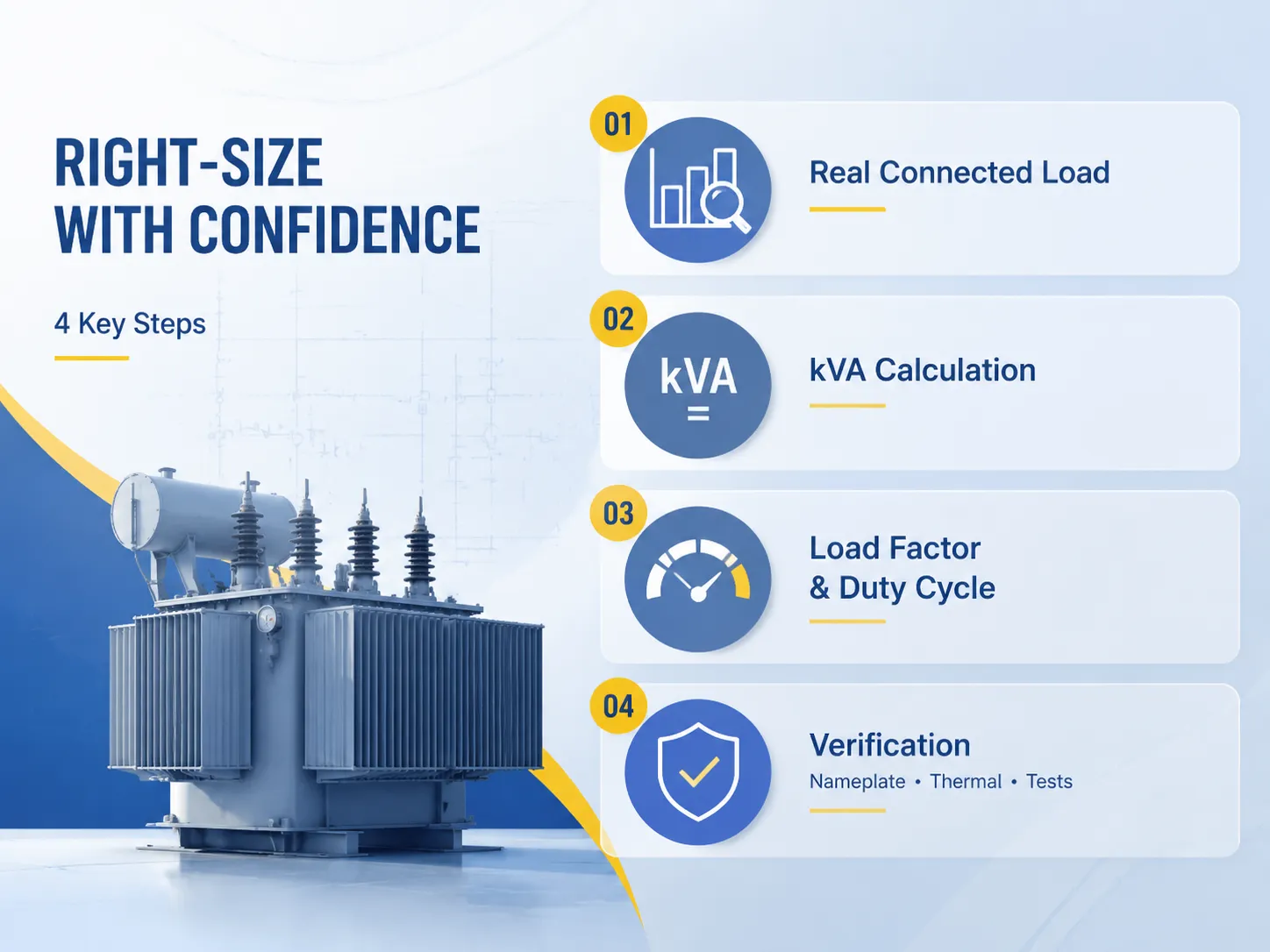
الخطوة 3: تحقق من عامل الحمل ودورة العمل
يتم تحديد القدرة الإجمالية ليس فقط من خلال الحجم الأقصى ولكن أيضًا من خلال مدة العمليات ذات الجهد العالي. وبالتالي، يتم تعريف عامل الحمل على أنه نسبة الاستهلاك المتوسط إلى الاستهلاك الأقصى في وقت معين في المعادلة أدناه:
عامل الحمل = الاستهلاك المتوسط ÷ الاستهلاك الأقصى
مصنع يستهلك 400 kVA لمدة نصف ساعة في الصباح فقط ولديه استهلاك متوسط قدره 150 kVA لديه عامل حمل حوالي 0.375. هذه الحالة مفيدة لاستخدام محول ذو قصور حراري منخفض حيث يمكن للمحول المملوء بالزيت تحمل الأحمال الزائدة المؤقتة من 1.3 إلى 1.5 مرة من السعة المقدرة لعدة ساعات وفقًا لـ IEC 60076-7 بشأن الأحمال الدورية. من ناحية أخرى، فإن المحول الذي يعمل تحت حمل 85% بشكل مستمر يعاني من شيخوخة العزل المبكرة.
عمر العزل وفقًا لقانون أرهينيوس ينخفض إلى النصف مع كل زيادة من 6-8 درجات مئوية في النقطة العالية التي تعمل باستمرار. على سبيل المثال، عندما يتم تحميل المحول بـ 90% ويكون الارتفاع أقل من 65 درجة مئوية، فإن درجة حرارة النقطة الساخنة تكون أعلى من 105 درجة مئوية لفترة طويلة. لهذا السبب، فإن معيار تحميل 80% ليس مجرد خدعة تسويقية.
الخطوة 4: طرق التحقق (لوحة الاسم، الحرارية، الاختبارات)
بعد إعداد المحول، تحتاج إلى تقييم السعة على ثلاثة مستويات مختلفة. أولاً، تحتاج إلى التحقق من الجانب الإداري: تحتاج إلى التحقق من تصنيف اللوحة، مستوى المقاومة، مجموعة المتجهات، وفئة التبريد ONAN، ONAN/ONAF، AN/AF باستخدام مواصفات الشراء ودراسة الحمل. الجانب الثاني الذي يجب التحقق منه هو الجانب التشغيلي حيث تحتاج إلى التحقق من التيار الثانوي، الجهد، ودرجة حرارة الملف.
من المهم أن تطلب من الشركة المصنعة تقرير المصنع للمحولات الجديدة. وفقًا لمعيار IEC 60076-1، يجب إجراء اختبارات روتينية فيما يتعلق بمقاومة الملف، النسبة، الخسائر الخاملة، الخسائر النشطة، واختبارات ارتفاع درجة الحرارة. هذه هي الأدلة الوحيدة المعتمدة في المختبر التي يمكنك الاعتماد عليها لإثبات أن المحول يمكن أن يعمل عند تصنيفه من الكيلو فولت أمبير بشكل مستمر دون تجاوز حد درجة حرارة العزل.
| طريقة التحقق | ما تؤكده | التكلفة / الجهد النموذجي |
|---|---|---|
| مراجعة لوحة الاسم مقابل دراسة الحمل | تطابق التصنيف، المقاومة، فئة التبريد | لا تكلفة، ساعة واحدة |
| تسجيل الطلب لمدة أسبوع واحد | ذروة الكيلو فولت أمبير مقابل التصنيف تحت الواجب الحقيقي | $200–$600 (تأجير المسجل) |
| التصوير الحراري بالأشعة تحت الحمراء | النقاط الساخنة عند البوشينغ، الخزان، واتصالات الكابل | $300–$800 لكل مسح |
| تحليل الغاز المذاب (DGA) | الأعطال الحرارية / القوسية المبكرة في وحدات الزيت | $80–$200 لكل عينة |
| تقرير اختبار روتيني من المصنع | النسبة، الخسائر، العزل، إثبات ارتفاع درجة الحرارة | مشمول في الشراء |
بالنسبة للوحدات التي تبدو محملة بشكل زائد، يجب أولاً إجراء تحليل DGA ومسح درجة الحرارة، ثم النظر في شراء أي شيء آخر. غالبًا ما تكون المشكلة الحقيقية هي اتصال سيء أو انسداد زعانف التبريد بدلاً من القلب نفسه؛ استبدال أو تحسين هذه يمكن أن يعيد الوظيفة الكاملة بتكلفة أقل من شراء محول جديد.
تصنيفات السعة الشائعة وحدود تحميلها
الجدول المقدم يشير إلى التصنيفات القياسية الموصى بها والحد الأقصى للحمل المستدام لجميع تقنيات التبريد قيد النظر، والتي تستند إلى الاحتياجات المتنوعة وظروف المناخ العادية عند 30 درجة مئوية (متوسط درجة الحرارة).
| الكيلو فولت أمبير المصنف | فئة الجهد النموذجية | الحد الأقصى للحمل المستدام - النوع الجاف (AN) | الحد الأقصى للحمل المستدام - النوع المغمور بالزيت (ONAN) | نطاق السعر النموذجي (FOB الصين) |
|---|---|---|---|---|
| 100 | 4/0.4 kV، 11/0.4 kV | 80–90 كيلو فولت أمبير | 70–80 كيلو فولت أمبير | $2,500–$6,000 |
| 250 | 11/0.4 كيلو فولت | 200–225 كيلو فولت أمبير | 175–200 كيلو فولت أمبير | $4,500–$11,000 |
| 500 | 11/0.4 kV، 33/0.4 kV | 400–450 كيلو فولت أمبير | 350–400 كيلو فولت أمبير | $8,000–$18,000 |
| 1000 | 10/0.4 kV، 35/10 kV | 800–900 كيلو فولت أمبير | 700–800 كيلو فولت أمبير | $15,000–$32,000 |
| 1600 | 35/10 kV، 33/0.4 kV | 1,280–1,440 كيلو فولت أمبير | 1,120–1,280 كيلو فولت أمبير | $24,000–$48,000 |
| 2500 | 35/10 كيلوفولت | 2000–2250 ك.ف.أ | 1750–2000 ك.ف.أ | $38,000–$75,000 |
يجب الإشارة إلى أن الحدود المستمرة المفترضة للإمداد تنطبق تحت ظروف إمداد نظيفة وعامل قدرة عند أطراف المحول يكاد يساوي الواحد. ومع ذلك، إذا أخذنا في الاعتبار التوافقيات، تصبح الحالة مختلفة تمامًا. على سبيل المثال، يؤدي تشويه التوافقيات الكلي 20-% للتيار إلى زيادة في الحمل الحراري الفعال بمقدار 5 إلى 10%، وقد يجد جهاز يعمل بالفعل نفسه تحت حمل زائد على الرغم من أن قدرته الكيلو فولت أمبير تبدو ضمن الحدود الطبيعية.
المواصفات التي تؤثر على السعة
بالإضافة إلى تصنيف الكيلو فولت أمبير، تؤثر عدة مواصفات أخرى على لوحة الاسم على السعة الفعلية المقدمة من المحول في تطبيقك:
- تصنيف التبريد (IEC 60076-2): يقوم المحول من نوع ONAN بالتبريد الذاتي إلى تصنيفه الكامل. يحتوي المحول من نوع ONAN/ONAF على مراوح نشطة إضافية، مما يوفر حوالي 20% إلى 30% أكثر من تصنيفه القياسي.
- زيادة درجة الحرارة (K): يمتلك المحول المصنف لـ 65 K سعة أكبر من المحول المصنف لـ 55 K بنفس الحجم ولكنه سيعرض عزلته لمزيد من التآكل.
- جهد الممانعة (uk%): عادة ما يكون حوالي أربعة إلى عشرة في المئة لموزعات المحولات. قيمة الممانعة الأعلى تقلل من تيار العطل ولكن لها خصائص انخفاض جهد أسوأ.
- مجموعة المتجهات (Dyn11، Yyn0، Yd11): تحتاج إلى التناسب مع النظام لتجنب مشاكل التيارات الدائرة.
- تخفيض التصنيف بسبب الارتفاع ودرجة الحرارة: مع ارتفاع الارتفاع فوق 1000 م وارتفاع درجة الحرارة عن 40 °C، وفقًا لـ IEC 60076-1 يجب تخفيض تصنيف المحولات (بشكل عام 0.5 % إلى 1 % لكل 100 م فوق 1000 م).
- المواد المستخدمة في اللفائف: تحتوي اللفائف النحاسية على سعة قصور قصيرة أعلى بحوالي 15% إلى 25% من اللفائف الألمنيوم ولكنها أيضًا أغلى بحوالي 20% إلى 40%.
العلامات التجارية ونطاقات الأسعار للوحدات المصنفة حسب السعة
عندما يتعلق الأمر بالمنتجات الخارجية، فإن التحقق من السعة له أهمية قصوى، حيث تزداد الفجوة بين مواصفات الأداء والأداء الفعلي عندما لا يستطيع العملاء فحص المنتج فعليًا في المصنع. تتقاضى العلامات التجارية الدولية المزيد مقابل سعة لوحة الاسم الخاصة بها، بينما تقدم الشركات الصينية سعة موثقة تقريبًا بنفس القدر بأسعار أقل بكثير.
| العلامة التجارية | النطاق النموذجي | موقع بارز | السعر الإرشادي (500 kVA) |
|---|---|---|---|
| ABB | توزيع إلى 50+ MVA | رائد عالمي، شبكة خدمات قوية | $18,000–$30,000 |
| سيمنز | توزيع إلى النقل | خيارات عالية الكفاءة من النواة غير المتبلورة | $18,000–$32,000 |
| شنايدر إلكتريك | توزيع من النوع الجاف | تكامل عميق للجهد المنخفض | $15,000–$28,000 |
| هيتاشي للطاقة | المرافق والصناعية | خبرة في قوة الشبكة وHVDC | $17,000–$30,000 |
| إيتون | توزيع، تركيب على القاعدة | وجود قوي في أمريكا الشمالية | $14,000–$26,000 |
| CG Power، TBEA | المرافق والصناعية | مصنّعون بحجم كبير | $10,000–$18,000 |
| شركة جيانغسو سوبين للطاقة الكهربائية | 10 ك.ف.أ–100 م.ف.أ | معتمد من IEC 60076، تقارير اختبار كاملة من المصنع، لفائف نحاسية قياسية | $8,000–$16,000 |
الأسعار المذكورة أعلاه هي مجرد تقديرات، بناءً على FOB الصين / من المصنع، لوحدة فئة 500 kVA. ستعتمد التغيرات في السعر على متطلبات العملاء وحالات الاستخدام. العلامات التجارية الدولية المذكورة أعلاه هي مجرد اختيار من بين العديد من المنافسين في السوق الذين لديهم سنوات من الخبرة. ما الذي يجعل Jiangsu Subian Electric Power مميزًا لشخص لديه متطلبات سعة؟ تأتي جميع الوحدات مع تقرير IEC 60076 للاختبارات الروتينية بالإضافة إلى لفات نحاسية كمعيار. بشكل أساسي، يعرف المشتري بالضبط ما الذي يتلقاه مع الوحدة. هذه المعلومات تجعل عملية اتخاذ القرار أسهل، حيث يتم تقديم متطلبات السعة في التقرير. في حالة وجود شكوك بشأن المعلمات، يمكن للعميل دائمًا التحقق من أرقام تقرير المصنع مقابل الحساب في هذه الدراسة.
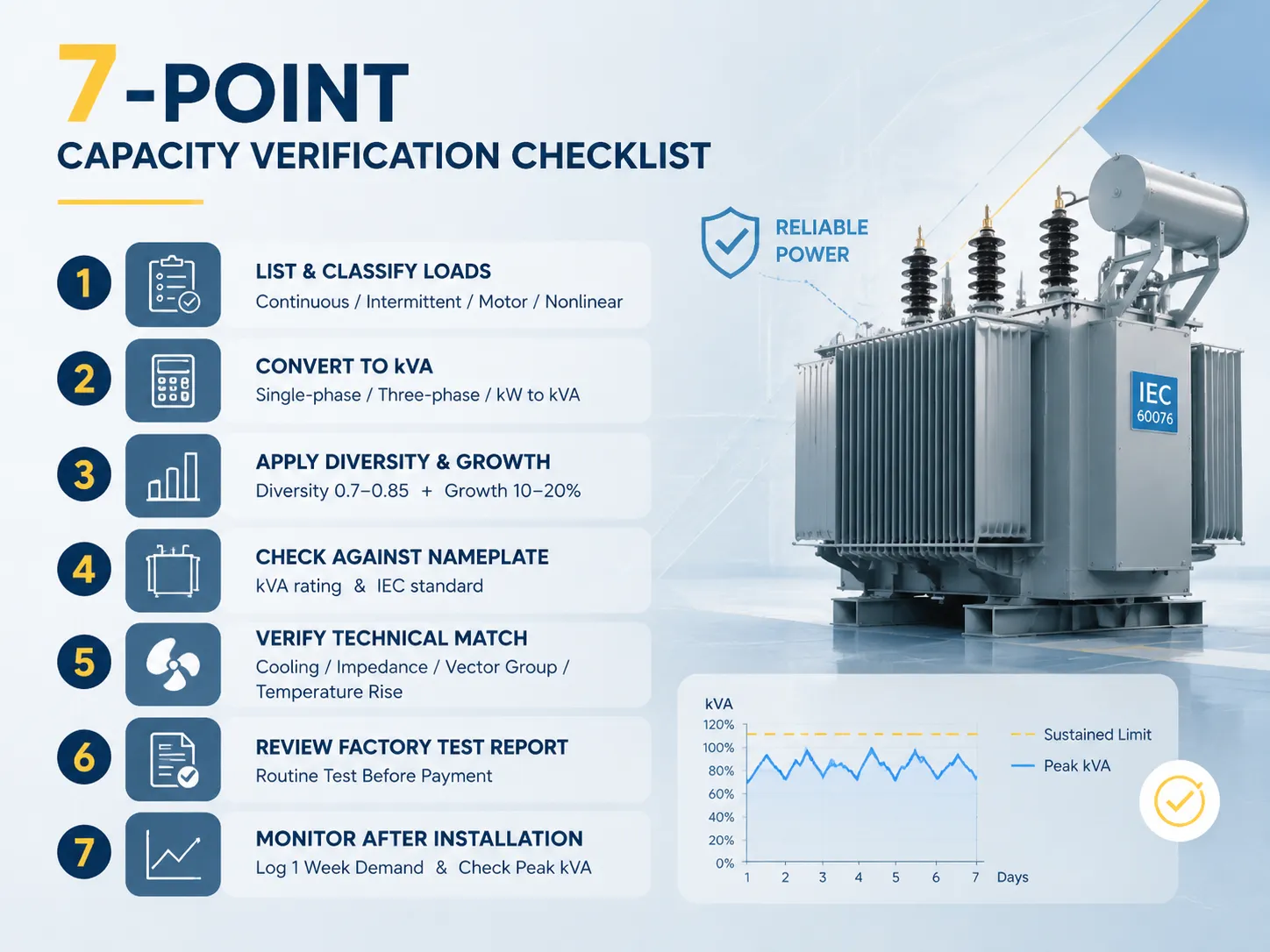
قائمة تحقق للتحقق من السعة من 7 نقاط
- يجب عليك تجميع قائمة شاملة بجميع الأحمال وتصنيفها كأحمال مستمرة، متقطعة، محركات، أو غير خطية.
- تحتاج إلى تحويل كل حمل إلى kVA بناءً على إما صيغة التحويل أحادية الطور، ثلاثية الطور، أو من kW إلى kVA.
- يجب عليك الاستفادة من عامل التنوع (الذي يتراوح عادةً بين 0.7 إلى 0.85 للمصانع الصناعية) وعامل النمو بنسبة حوالي 10 إلى 20 في المئة.
- بمجرد حصولك على هذه الأرقام، يمكنك التحقق منها مقابل kVA الموجود على لوحة الاسم والتأكد من أنها تقع ضمن نطاق القيم القياسية IEC.
- تأكد من تأكيد أن فئة التبريد، والممانعة، ومجموعة المتجهات بالإضافة إلى ارتفاع درجة الحرارة تتوافق مع معايير النظام.
- لتأكيد أن كل شيء على ما يرام، يجب عليك طلب وقراءة تقارير اختبارات المصنع الروتينية قبل أن تقوم بأي دفع.
- بعد تثبيت النظام، راقب الطلب لمدة أسبوع واحد وتأكد من أن ذروة kVA لا تتجاوز المستوى المحدد.
الأسئلة المتكررة
كيف أعرف إذا كان المحول الخاص بي محملاً بشكل زائد؟
قارن الطلب المتوسط لـ 15 دقيقة الماضية مع السعة المقدرة للمحول. إذا تجاوز المتوسط 80% من السعة للمحولات من النوع الزيت أو 90% للأنواع الجافة بشكل مستمر، فهذا يعني أن الجهاز محمل بشكل زائد. من بين علامات التحميل الزائد التي يمكن ملاحظتها هي درجة حرارة الزيت فوق 90 درجة مئوية (يمكن استخدام ورق من الفئة A)، وقراءات النقاط الساخنة التي تعطي فوق 105 درجة مئوية، والضوضاء في الخزان، وتحليل تركيبة الغاز للغازات مثل الهيدروجين والإيثيلين. سيكون من الممكن التعامل مع المشكلة في حالة إعادة توازن الحمل، أو تبريده، أو استبدال المحول مع التصنيف القياسي التالي الأعلى من الحالي.
ما الفرق بين kW و kVA في سعة المحول؟
كيلووات تشير إلى الطاقة الفعلية، بينما كيلو فولت أمبير تشير إلى الطاقة الظاهرة. يمكن حساب كيلو فولت أمبير باستخدام الصيغة كيلو فولت أمبير = كيلووات ÷ عامل القدرة. على سبيل المثال، عندما يكون عامل القدرة 0.8، فإن طاقة 100 كيلووات تتطلب محولات بسعة 125 كيلو فولت أمبير. لوحة الاسم الخاصة بالمحول تكون دائمًا بالكيلو فولت أمبير لأن جميع السعة الحرارية للمحول تعتمد على اللف. إذا كان عامل القدرة أقل من واحد، فقد لا يلبي المحول المتطلبات عند حسابه فقط باستخدام كيلووات.
ما هو عامل الحمل الذي يجب أن أستخدمه عند تحديد حجم المحول؟
استخدم عامل التنوع الحقيقي للأحمال في المنشأة: 0.6–0.75 (للمباني المكتبية)، 0.7–0.85 (للمواقع الصناعية)، 0.9–1.0 (للمستشفيات أو مراكز البيانات). لا تخلط بين هذه العوامل — عامل التنوع وعامل الحمل (المتوسط ÷ الطلب الأقصى). إذا كنت تتعامل مع منشأة جديدة، استخدم عامل التهديد 0.75 مع هامش نمو 15–20%. في حال كنت تعمل مع منشأة قائمة ولديك جميع فواتير المرافق للـ 12 شهرًا الماضية، تحتاج فقط إلى حساب عامل الحمل الخاص بك.
هل يمكن أن يعمل المحول فوق سعة كيلو فولت أمبير الم rated مؤقتًا؟
نعم، يمكنه ذلك، ولكن يُسمح بذلك فقط في ظل ظروف صارمة. وفقًا لـ IEC 60076-7، يمكن للمحول المغمور بالزيت مع نظام تبريد ONAN التعامل مع ما يصل إلى 1.3 من حمله الكهربائي الم rated بشرط ألا يتجاوز 70% وأن تبقى درجة حرارة التسخين أقل من 120 درجة مئوية. كل ساعة من استخدام الحمل الزائد ستقلل من عمر العزل بشكل كبير — على سبيل المثال، العزل عند درجة حرارة 110 درجة مئوية سيعمل فقط لبضع سنوات بدلاً من عدة عقود عند استخدامه بشكل صحيح.
كم يكلف هامش سعة إضافية قدره 10%؟
إذا كان لدى المحول سعة 500 كيلو فولت أمبير، فإن الحصول على محول جديد بسعة 630 كيلو فولت أمبير سيكلفك 15–25% أكثر (مما يعني حوالي 2,000–4,000). إذا كنت تفكر في استبدال المحول بعد فشله، يجب أن تكون مستعدًا لدفع 8,000–18,000 للجهاز الجديد وانتظار ما يصل إلى 1–4 أسابيع للحصول عليه. إذا كنت تستطيع تجنب إيقاف الحمل لمرة واحدة فقط خلال 20 عامًا، فإن استثمارك في هامش 10–20% سيكون قد عوض بالفعل.
المراجع
- IEC 60076-1: المحولات الكهربائية — عام — المعيار الدولي الذي يحدد تصنيفات المحولات والسعة ومتطلبات الاختبار.
- IEC 60076-7: محولات الطاقة — دليل تحميل المحولات المغمورة بالزيت — الدليل المعتمد لحدود الحمل الزائد الدوري ودرجات الحرارة.
- IEEE C57.12.00: المتطلبات العامة للمحولات المغمورة بالسوائل للتوزيع والطاقة والتنظيم — إطار اختبار وسعة مكافئة للشمال الأمريكي.
- Electrical4U — عامل تحميل المحولات والكفاءة — شرح واضح لعامل التحميل، والتنوع، ومنحنيات الكفاءة.
- Eaton — دليل تحديد حجم المحولات — جداول حساب kVA العملية وأمثلة الحجم المستخدمة في الصناعة.
- Fluke — التصوير الحراري للمحولات — إرشادات ميدانية للتحقق بالأشعة تحت الحمراء من التحميل والاتصالات.
- Wikipedia — المحول — خلفية عن نظرية المحولات، والتصنيفات، وتصنيفات التبريد.
الخاتمة
معرفة ما إذا كانت سعة المحول لديك كافية ليست مسألة تخمينات مضاربة حول الطلب. تتضمن العملية أربع خطوات بسيطة: تحديد ذروة الطلب، حساب الطلب بالكيلو فولت أمبير، تحديد عامل التحميل، والتحقق من بيانات لوحة الاسم المدعومة بنتائج الاختبار المقدمة من المصنع. اتباع قاعدة السماح بزيادة من 10–20% والحفاظ على عامل التحميل أقل من 80% للمحولات المملوءة بالزيت هو أمر رخيص اليوم ويمكن أن يمنع الفشل المكلف في المستقبل.
- قم بإجراء الحسابات بالكيلو فولت أمبير واستخدم عامل تنوع بين 0.7 إلى 0.85 للأحمال الصناعية المختلطة.
- تحقق من السعة مع تقرير IEC 60076 — هذه هي الدليل الوحيد، وليس الكتالوج.
- وفر هامش 10-20% للاحتياجات المستقبلية — هذه هي أرخص شكل من أشكال التأمين في مرحلة الشراء.
- اختر البائع بناءً على السعة المختبرة ومستوى الشفافية، بدلاً من السعر لكل كيلو فولت أمبير.