


Вьетнамский сталелитейный завод заказал четыре трансформатора у Jiangsu Subian Electric Power, 4 МВА и 22/0,4 кВ, и директор по закупкам задал законный вопрос инженеру по продажам: “Ваша цена на 25 % ниже европейских цен — как я могу быть уверен, что обмотки не сделаны из алюминия, покрытого медью?” Инженер по продажам предоставил отчет о заводских испытаниях, указывающий, что измерения сопротивления обмоток почти идентичны сопротивлению меди (дискретность 0,5%), что является доказательством подлинной электролитической меди с чистотой 99,99% и приглашением увидеть процесс намотки в действии. Директор согласился поехать на завод и посмотреть, как осуществляется процесс намотки. Использование меди 99,9% в обмотках трансформаторов — это небольшая деталь, которая имеет большое значение.
Эта статья объясняет важность чистоты меди в трансформаторах в отношении потерь, температуры, перегрузочной способности и эксплуатационного срока, как проверить чистоту меди и сколько это стоит. Вы также узнаете, как Jiangsu Subian Electric Power использует трансформаторы из меди 99,9% в своей продукции.
Вкратце: качество медной обмотки оценивается на основе ее проводимости: 99,9% чистая электролитическая медь (ETP) характеризуется примерно 0,0172 Ω·мм²/м сопротивлением при 20 °C и уровнем проводимости 100–101% IACS, в то время как алюминий имеет 0,0282 Ω·мм²/м и около 61% IACS — вот почему медь способна проводить ток с потерями примерно на 40% ниже при сохранении того же сечения. По сравнению с трансформатором, сделанным из алюминия, который имеет аналогичную мощность, медный трансформатор имеет более холодный режим работы, на 20–30% ниже потерь при нагрузке и более высокую перегрузочную способность даже с той же системой изоляции. Сопротивление медной обмотки можно проверить по стандарту сопротивления меди с помощью микроомметра; изменение сопротивления обмотки между фазами не должно превышать 2%.
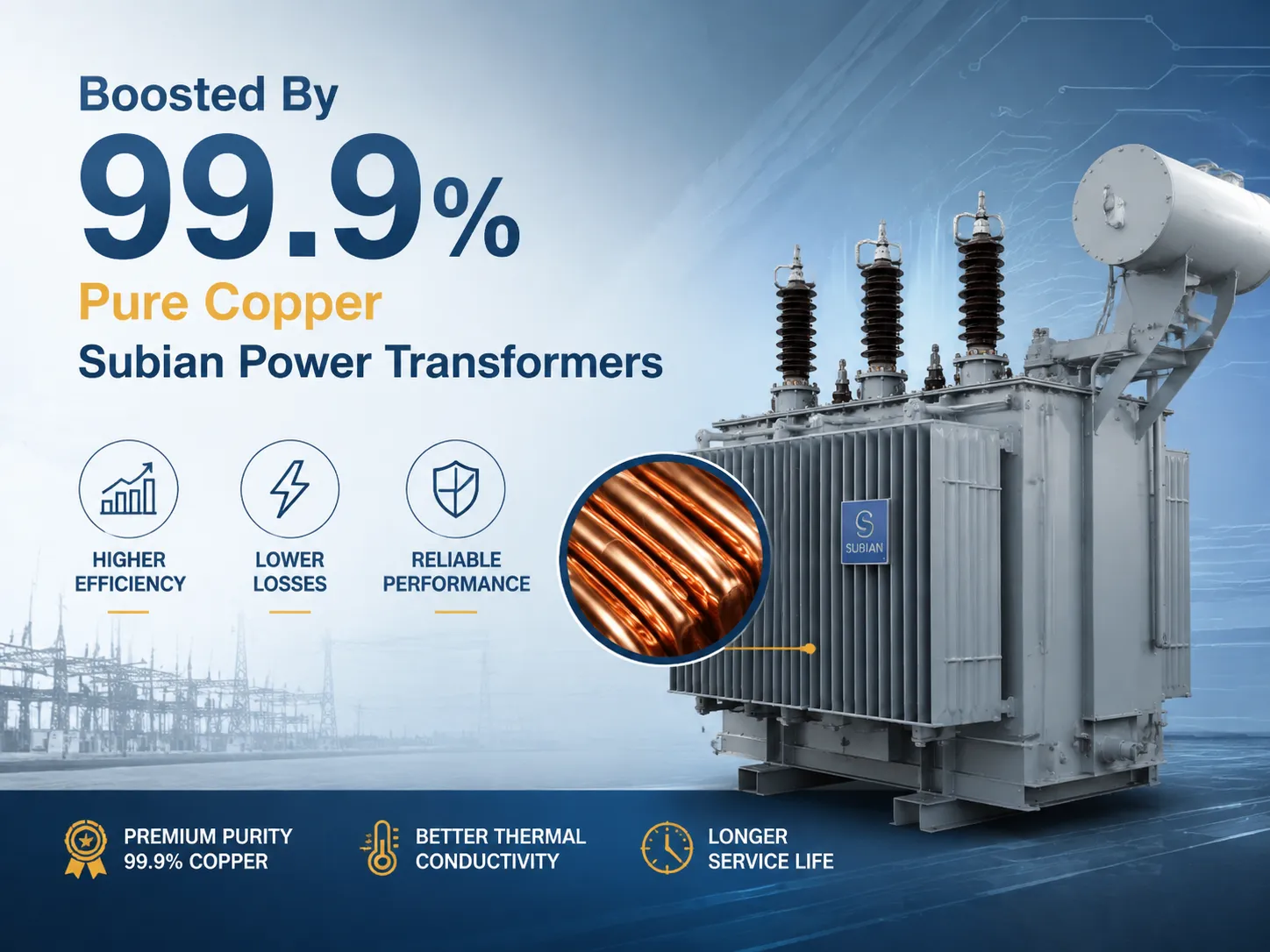
Почему важна чистота меди в обмотках трансформаторов
Обмотки трансформатора — это компоненты, которые переносят ток. Их сопротивление определяет количество потерь энергии из-за тепла и, таким образом, определяет примерно 50–70% общих потерь при полной нагрузке. Сопротивление обмотки находится в линейной зависимости от сопротивления и чистоты проводника. Поскольку количество примесей в меди, таких как кислород, фосфор, серебро и другие следовые элементы, увеличивает сопротивление выше значений чистой меди (0,0172 Ω·мм²/м при 20 °C), можно сказать, что “медная” обмотка может быть изготовлена из переработанной или низкочистотной меди, что увеличивает сопротивление на 2–5% и приводит к увеличению потерь при нагрузке, температуры и старения изоляции.
В результате, большее сопротивление приводит к большему теплу, что означает более высокую температуру горячей точки, увеличивая старение изоляции. По сути, обмотка с увеличенной удельной проводимостью на 4% может работать на 3–6 °C горячее при полной нагрузке, теряя уже 10–20% срок службы изоляции за 30-летний жизненный цикл.
Медь против алюминия: честное сравнение
| Свойство | Медь (99.9% ETP) | Алюминий | Влияние |
|---|---|---|---|
| Удельная проводимость при 20 °C | 0172 Ω·mm²/m | 0282 Ω·mm²/m | Медь ~40% ниже |
| Электропроводность | 100–101% IACS | ~61% IACS | Медь проводит больше тока на единицу площади |
| Относительный объем проводника для одинаковых потерь | 1.0 | ~1.6 | Алюминию нужны большие обмотки |
| Вес обмотки (одинаковый рейтинг) | ~2× тяжелее, чем алюминий | Легче | Дизайн транспортировки и поддержки |
| Теплопроводность | ~400 Вт/(м·К) | ~230 Вт/(м·К) | Медь проводит тепло быстрее |
| Потери при нагрузке (одинаковый рейтинг) | Базовый уровень | ~20–30% выше | Более высокие эксплуатационные расходы |
| Стоимость | Базовая линия (более высокая цена на металл) | ~10–20% дешевле в общей сложности | Разница в первоначальных затратах |
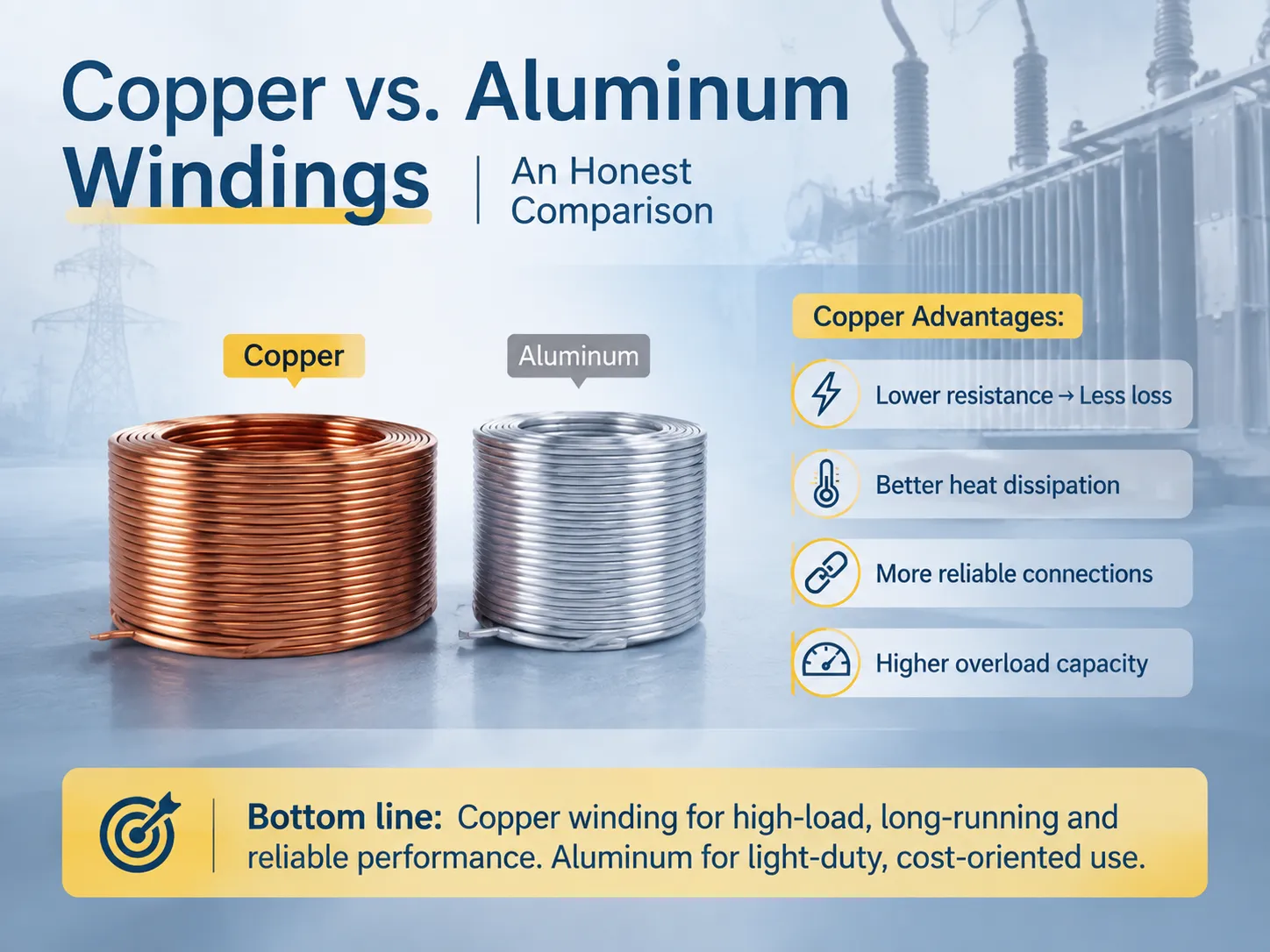
Хотя верно, что алюминиевые обмотки не совсем надежны, хороший алюминиевый трансформатор с достаточно большими проводниками и хорошими соединениями (слабое место связано с расплавленными алюминиевыми соединениями) может хорошо служить. Но если честно взглянуть на проблему, медь лучше с точки зрения потерь, тепловых характеристик, надежности соединений и перегрузочной способности, в то время как первоначальные затраты примерно на 10–20% выше. Выбор зависит от применения: медь лучше для высоконагруженных отраслей с длительными рабочими циклами и частыми перегрузками, в то время как алюминий может быть вариантом для легких экономически ориентированных установок.
Группы и спецификации меди
| Группа | Чистота | Электропроводность | Типичное использование в трансформаторах |
|---|---|---|---|
| Медь ETP (электролитическая жесткая) | ≥ 99.9% | 100–101% IACS | Стандартные высококачественные обмотки |
| Медь без кислорода (OFC) | ≥ 99.95% | 101–102% IACS | Премиум / специализированные обмотки |
| Медь с низким содержанием кислорода | ≥ 99.9% | ~100% IACS | Непрерывно отлитые проводники трансформатора |
| Переработанная / низкосортная медь | < 99.51ТП3Т | 97–991ТП3Т ИАКС | Дешевые обмотки — избегайте для критически важных задач |
| Эмалированный / изолированный медный (провод) | Сердечник ≥ 99.9% | 100–101% IACS | Распределительные и малые обмотки |
ETP или медь с низким содержанием кислорода с чистотой 99.9% и проводимостью, равной или большей 100% IACS, являются спецификациями, обычно используемыми для трансформаторов, используемых в электроэнергетике и распределении. Вам следует запросить сорт меди и чистоту, если вы заметили термины “чистая медь” в спецификациях, потому что “медь” сама по себе не является надежной. Хорошие производители указывают сорт меди, предоставляют сертификат материала и предлагают показания сопротивления обмотки, которые соответствуют значениям сопротивления меди.
Как проверить медь 99.9% в трансформаторе
Необходимо полагаться не на брошюру, так как качество меди можно проверить тремя различными способами. Документация: производитель должен предоставить сертификат материала (сертификат испытаний на заводе), который указывает чистоту и проводимость медного проводника, вместе с листом проектирования, содержащим сорт меди, сечение проводника и количество витков. Испытание сопротивления обмотки: после завершения сборки сопротивление обмотки каждой фазы должно быть количественно определено с использованием микроомметра и сравнено с ожидаемым значением, полученным из данных о длине проводника, сечении и сопротивлении меди (0.0172 Ω·mm²/m при 20 °C). Если фактическое значение отклоняется более чем на 2-3% от теоретического, то можно заподозрить, что использованный металл низкого качества или что соединения выполнены плохо. Любое предприятие проводит такого рода инспекцию в рамках IEC 60076-1. Наблюдение на заводе: важно наблюдать за процессом обмотки - необходимо видеть, как производится и обматывается бескислородный медный провод. Также следует проверить качество соединений; в то время как сварные соединения являются слабыми местами в алюминиевых проводниках, ситуация с медными проводниками отличается, где низкое качество пайки или болтового соединения приводит к неблагоприятным результатам в будущем.
Одним из основных тестов является разница в сопротивлении обмотки, представляющая дисбаланс между фазами - оптимальное значение должно быть ниже 2%. Более высокий дисбаланс обмотки означает, что качество проводника различно, количество витков различно или качество конструкции вызывает сомнения. Для любого производителя, включая Jiangsu Subian Electric Power, не должно быть проблем с предоставлением соответствующих документов; доказательства должны быть под рукой.
| Уровень проверки | Метод | Что это доказывает | Стоимость |
|---|---|---|---|
| Документация | Сертификат испытаний на заводе для проводника | Заявленный сорт, чистота, проводимость | Включено |
| Сопротивление обмотки (завод) | Микроомметр по IEC 60076-1 | Сопротивление проводника, баланс фаз ≤ 2% | Включено в тестовый набор |
| Испытание на потери нагрузки | Измерение IEC 60076-1 | Уровень потерь соответствует медным обмоткам | Включено в тестовый набор |
| Испытание третьей стороной / под наблюдением | Свидетель покупателя или лаборатории | Независимое подтверждение | $2,000–$15,000 |
| Визит на завод | Инспекция линии обмотки | Непрерывно отлитая медная пруток, контролируемое натяжение | Расходы на поездку |
Влияние на производительность: потери, температура и перегрузка
| Атрибут производительности | Устройство с медной обмоткой | Эквивалентное алюминиевое устройство | Практическое последствие |
|---|---|---|---|
| Потери нагрузки при номинальной нагрузке | Базовый уровень | ~20–30% выше | Более высокая годовая стоимость энергии |
| Температура самой горячей точки обмотки при полной нагрузке | Базовый уровень | ~3–10 °C выше | Более быстрое старение изоляции |
| Потребление срока службы изоляции | Базовый уровень | ~10–30% больше в год при высоком коэффициенте нагрузки | Более короткий срок службы |
| Вместимость перегрузки при том же температурном пределе | Верхний | Ниже | Больше полезного резерва для пиков |
| Восстановление после аварийной перегрузки | Более быстрое охлаждение | Более медленное | Лучший тепловой временной постоянный |
| Надежность соединения | Спаяно/закреплено болтами, прощающее | Сварные соединения требуют ухода | Меньше отказов соединений |
Эти различия наиболее значительны при высоких коэффициентах нагрузки. Установка, использующая свой трансформатор при непрерывной мощности от 80-100%, сможет вернуть премию за медь с меньшими потерями энергии за период обычно от 2 до 6 лет, в то время как трансформатор в сельской местности с легкой нагрузкой никогда не вернет премию в терминах энергии, хотя это помогает повысить надежность и обеспечить лучшую целостность соединений. Поэтому это причина, по которой обсуждается вопрос меди против алюминия в зависимости от использования, и ответ на который следует рекомендовать на основе кривой продолжительности нагрузки, а не на основе маркетинга.
Подход Subian: 99.9% медь по всему диапазону
Jiangsu Subian Electric Power производит свои распределительные и силовые трансформаторы от 10 кВА до 100 МВА в соответствии с IEC 60076, используя 99.9% электролитическую медь в обмотках по умолчанию, а не как обновление. Потребность в высококачественной меди со стороны экспортных клиентов компании в промышленных и инфраструктурных проектах обусловлена работой их оборудования при значительных коэффициентах нагрузки и вытекающими преимуществами использования меди в терминах меньших потерь и лучшей тепловой производительности, что позволяет вернуть затраты на медь в течение нескольких лет и иметь ограниченные затраты на замену металла. Обмотки изготовлены из медной проволоки с низким содержанием кислорода, произведенной на заводе, с использованием сервоприводных устройств, поддерживающих натяжение проводников в пределах ±3%, оснащенных системой, гарантирующей правильное размещение изоляции между слоями.
Subian гарантирует качество меди, предоставляя документы о составе проводников, используемых в обмоточных машинах, измерения сопротивления обмотки для каждой обмотки и прохождение заводских испытаний, определенных стандартом IEC 60076-1, включая общую величину потерь меди. Сотрудники завода приглашают клиентов увидеть производственную линию — этот подход использовался Subian для убеждения клиента из Вьетнама.
Сравнение брендов и ценовые диапазоны
| Бренд | Политика обмотки | Типичная цена (2,000 кВА, медь, соответствие IEC) | Примечания |
|---|---|---|---|
| Hitachi Energy | Стандарт меди для большинства силовых трансформаторов | $35,000–$70,000 | Премиум инженерия, глобальное обслуживание |
| Siemens Energy | Стандарт меди для силовых трансформаторов | $38,000–$75,000 | Цифровые экосистемы, варианты с высокими характеристиками |
| Schneider Electric | Медь или алюминий по дизайну | $25,000–$55,000 | Фокус на распределении |
| ТБЭА | Стандарт меди для диапазона мощности | $20,000–$45,000 | Специалист по крупным единицам |
| Jiangsu Subian Electric Power | Стандарт 99.9% меди по всему диапазону | $18,000–$38,000 | Документированная чистота меди по конкурентной цене |
Цены различаются в зависимости от спецификации, класса эффективности и региона; их можно использовать для планирования. Глобальные бренды, такие как Hitachi Energy, Siemens Energy и Schneider Electric, используют медь в своих линиях силовых трансформаторов, устанавливая цены с учетом надбавок на основе своих международных услуг и технических возможностей. Китайские компании, такие как Jiangsu Subian Electric Power, используют ту же 99.9% электролитическую медь и методы испытаний IEC 60076, и, кроме того, теперь имеют сопоставимые уровни автоматизации, но с ценами примерно на 20-40% ниже, чем те, что предлагают европейские бренды. Для покупателя это не вопрос предпочтения бренда, а вопрос проверки: поставщик должен предоставить сертификат материала и информацию о сопротивлении обмотки для конкретного проданного устройства.
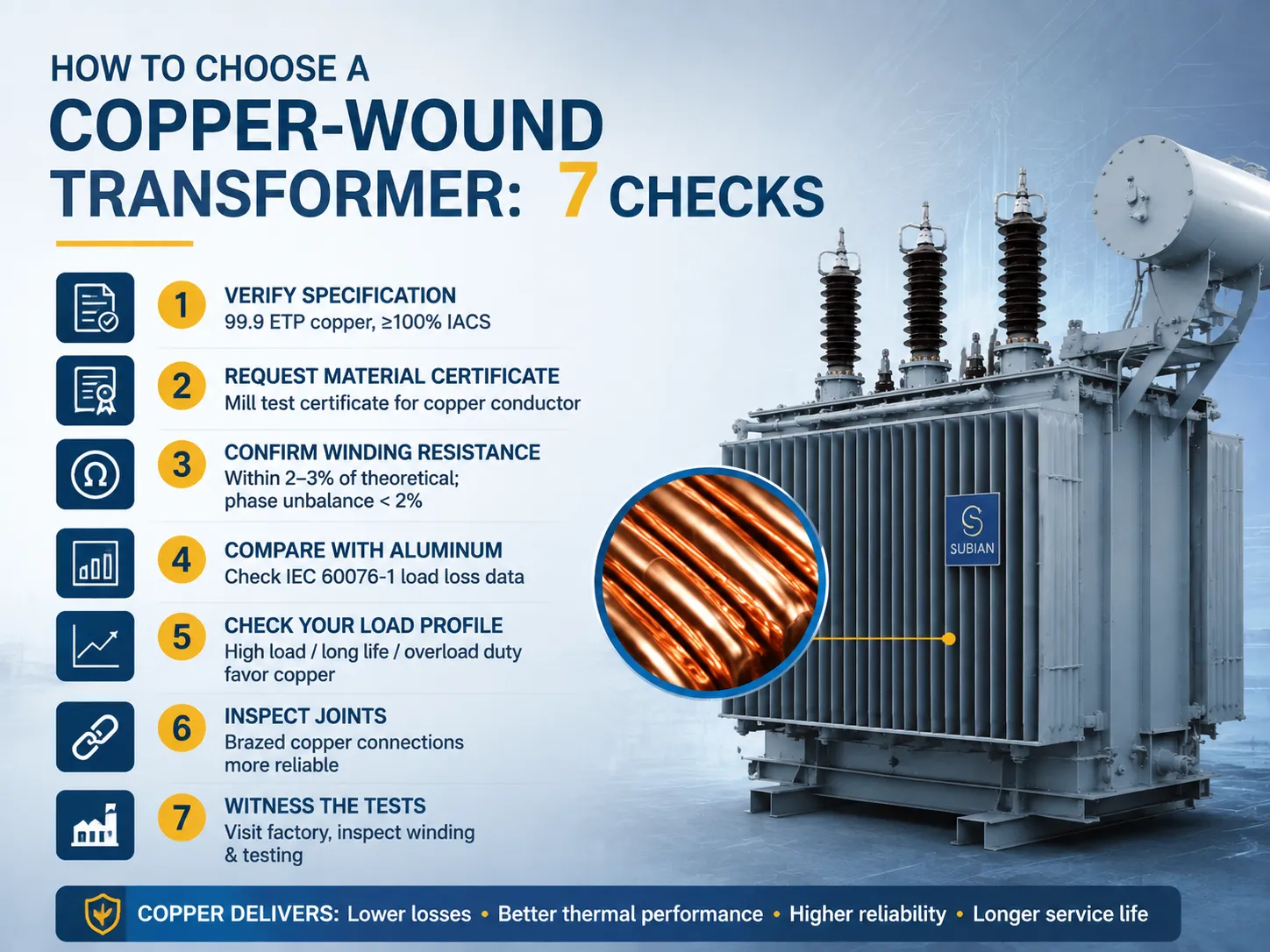
Как выбрать трансформатор с медной обмоткой: 7 проверок
- Ознакомьтесь со спецификацией и подтвердите тип проводника, например, проверьте наличие 99.9 ETP меди, и убедитесь, что спецификация указывает проводимость (≥ 100% IACS) и не ограничивается лишь словом “медь”.
- Попросите производителя предоставить сертификат материала проводника, который является сертификатом испытаний на заводе, подтверждающим чистоту и проводимость проводника.
- Подтвердите сопротивление обмотки. Сравните измеренные данные с теоретической проводимостью меди; разница должна составлять 2-3%. Проверьте несбалансированность фаз, которая должна быть менее 2%.
- Сравните с алюминиевым аналогом. Данные о потерях нагрузки из отчета об испытаниях IEC 60076-1 должны показать, какой материал был использован, так как алюминиевые катушки не могут быть сопоставлены с уровнями потерь меди.
- Проверьте свой профиль нагрузки. В случае высокого коэффициента нагрузки или длительного срока службы ожидайте меди, случаи перегрузки благоприятствуют меди; в то время как приложения с низкой нагрузкой могут использовать алюминий.
- Проверьте соединения. Полевая инспекция / наблюдение за соединениями обмоток на заводе; т.е. пайка медных соединений более прощает по сравнению с сварными алюминиевыми, которые известны своими сбоями.
- Наблюдайте за испытаниями. Визит на завод для просмотра цеха обмоток и испытательного участка представляет собой последнее доказательство статуса; любой уважаемый поставщик, включая Jiangsu Subian Electric Power, будет рад приветствовать такие визиты.
Часто задаваемые вопросы
Почему чистота 99.9% важна для меди трансформатора?
Связь между чистотой и сопротивлением прямая, и сопротивление имеет прямую связь с потерями нагрузки. Сопротивление чистой электролитической меди составляет около 0.0172 Ω·mm²/m при 20 °C с проводимостью 100–101% IACS; даже небольшие примеси увеличивают сопротивление и приводят к потерям I²R. Обмотка с 3% сопротивлением работает при более высокой температуре при полной нагрузке – примерно на 3–6 °C выше в самых горячих точках, при этом срок службы изоляции сокращается на 10–20% в течение 30 лет эксплуатации из-за старения изоляции при температуре выше 98 °C, при этом срок службы изоляции удваивается каждые 6 °C.
Насколько дороже стоит трансформатор с медной обмоткой?
Обычно медные катушки увеличивают материальные расходы трансформатора на 10-20% по сравнению с алюминиевыми катушками. В абсолютных величинах трансформатор с медными обмотками, соответствующий стандартам IEC и имеющий мощность 2,000 кВА, стоит от $18,000 до $38,000 в зависимости от класса эффективности и спецификаций, в то время как эквивалентный алюминиевый будет стоить примерно на 10-20% меньше. Однако более высокая стоимость меди компенсируется экономией энергии в течение 2-6 лет эксплуатации при нормальных условиях промышленной нагрузки, а также более низкой температурой горячих точек и лучшей перегрузочной способностью на протяжении всего срока службы трансформатора.
Как я могу узнать, действительно ли у трансформатора медные обмотки?
Существует три основных метода, которые можно использовать. Для начала пользователь должен обратиться к сопротивлению обмотки из отчета о заводских испытаниях: используется известная температура, и согласно определению сопротивления меди, его значение будет равно 0.0172 ом·мм²/м, умноженному на длину поперечного сечения. Если полученные результаты совместимы с этим значением, с единственным допустимым отклонением в 2-3%, это указывает на то, что металл действительно является медью; алюминиевый образец даст результаты выше на 60%. Во втором методе измеренные значения потерь нагрузки сравниваются с указанными: количество потерь нагрузки для медных катушек будет соответствовать медному значению; для алюминиевых катушек оно будет ниже. Наконец, пользователь может запросить сертификат материала, а в случае крупных закупок может наблюдать за процессом производства. Любой надежный производитель, включая Jiangsu Subian Electric Power, сможет предложить все три варианта.
Всегда ли трансформаторы с алюминиевыми обмотками хуже?
Нет. Хороший алюминиевый трансформатор с проводниками правильного размера и качественной сваркой будет вполне приемлем, особенно для распределительных приложений с легкой нагрузкой, где важна минимальная цена. Недостатки алюминия — примерно на 20–30% больше потерь из-за нагрузки, более высокая рабочая температура и необходимость тщательной сварки соединений — более важны в приложениях с высоким коэффициентом нагрузки, где перегрузки происходят часто или ожидается длительный срок службы. Таким образом, общее правило таково: используйте медь для тяжелых непрерывных нагрузок или для мест, где вероятна перегрузка, в то время как алюминий приемлем для легких нагрузок или когда цена имеет решающее значение.
Что включает Jiangsu Subian Electric Power с трансформатором с медными обмотками?
Для каждого устройства Subian предоставляет следующие документы: сертификат материалов проводников, подтверждающий чистоту и проводимость меди 99.9% ETP/низкооксидной, полный отчет о тестировании IEC 60076-1, проведенном на заводе, который включает измерения сопротивления обмотки (во всех фазах и с не более чем 2% дисбалансом), а также измеренные значения потерь без нагрузки и потерь нагрузки вместе с исчерпывающим набором цифровой документации по фактическому состоянию. Компания поставляет свои трансформаторы мощностью от 10 кВА до 100 МВА с медными обмотками, которые клиенты могут оценить самостоятельно: процесс обмотки и тестирования можно наблюдать на месте.
Ссылки
- IEC 60076-1: Трансформаторы мощностью – Часть 1: Общие сведения — стандарт, определяющий тестирование сопротивления обмотки, измерение потерь и гарантии потерь нагрузки.
- Ассоциация по развитию меди — авторитетные данные о проводимости меди, сопротивлении и сортах (ETP, OFC, низкооксидная).
- IEC 60076-20: Трансформаторы мощностью – Часть 20: Энергоэффективность — классы эффективности, которые делают медные обмотки с низкими потерями экономически решающими.
- IEEE C57.104: интерпретация DGA — информация о том, как горячая работа от обмоток с высоким сопротивлением проявляется в газовом анализе.
- Hitachi Energy — справочник по проектированию трансформаторов мощностью с медными обмотками премиум-класса.
- Siemens Energy — справочник по международной практике проектирования и тестирования трансформаторов с медными обмотками.
- Jiangsu Subian Electric Power — производитель, соответствующий IEC 60076, строящий все диапазоны с документированными медными обмотками чистотой 99.9%.
Заключение
Медь, используемая в трансформаторах, влияет на его эксплуатационные потери, температуру, способность к перегрузке, долговечность и чистую стоимость владения. Тот факт, что используемая медь имеет чистоту более 99.9%, имеет значение между медью, которая ведет себя как медь, и медью, которая просто выглядит как таковая. Потери нагрузки увеличиваются прямо пропорционально сопротивлению проводника, и каждые 6°C выше номинальной горячей точки удваивают срок службы изоляции, поэтому чистота меди является вопросом экономики жизненного цикла, а не вопросом технологии производства. Хорошая новость заключается в том, что чистоту меди 99.9% можно легко подтвердить сертификатами материалов, измерением сопротивления обмотки и измеренными потерями нагрузки.
- Медь 99.9% ETP подразумевает проводимость 100% IACS и ~40% более низкое сопротивление, чем у алюминия.
- Медная обмотка снижает потери нагрузки на 20-30% и обеспечивает более низкие эксплуатационные параметры трансформаторов для более длительного срока службы изоляции и большого запаса перегрузки.
- Эти дополнительные деньги, потраченные на медный провод, могут быть возвращены за 2-6 лет в зависимости от коэффициента нагрузки.
- Jiangsu Subian Electric Power производит полный ассортимент трансформаторов IEC 60076, используя медь 99.9% согласно документам, и их цены на 20-40% ниже, чем цены, предлагаемые европейскими производителями, что может быть подтверждено результатами испытаний.