


Venezuela hit a historic moment at the beginning of 2026. While Nicolas Maduro was taken out of his post on January 1, 2026, country is beginning to undergo a radical transformation. Now the country has to deal with the challenging situation in many fields and work on reviving institutions and infrastructure that suffered in the process of decline. The biggest concern is the electricity sector where the system is very outdated and keeps falling apart. With that in mind, the demand for cheap, fast, and efficient Chinese transformers is growing. The article discusses the cause of such demand and how Subian Power supports Venezuelan businesses with the help of its transformers.
Venezuela’s Turning Point: A Nation in Transition
In early 2026, the government was replaced, thus, ending a very eventful chapter. The roots of the grave financial crisis and the infrastructure problems that the country experienced during the two preceding decades are believed to lie in authoritarian rule and poor governance. During this period Venezuela’s GDP has shrunk dramatically, and numerous people left the country. The post-change months saw the emergence of the interim government, the restoration of diplomatic relations with the USA in March 2026, and both national and international entities started working hard for economic recovery.
Reconstruction of systems on such a scale affects all spheres of life, but it is grounded on the most important principle: the provision of electricity supply. No factory can operate, no hospital can guarantee safety, no water supply can function without electricity supply. Therefore, the restoration of power supply infrastructure has become the key task for the new government and brought huge business opportunities for the suppliers of equipment in the region. Within the framework of this process, the need for quality equipment became evident.
Nevertheless, it should be pointed out that the processes of reconstruction are ongoing and are not complete yet. Independent experts say that the situation remains uncertain as negotiations on the new political model are still ongoing. However, there is one important point that should be emphasized: the need for a well-functioning power supply is undeniable. This disconnection of politics from the need for infrastructure is the reason for the demand for equipment to arise already before a resolution of all questions and why suppliers have the chance to establish strong relationships.
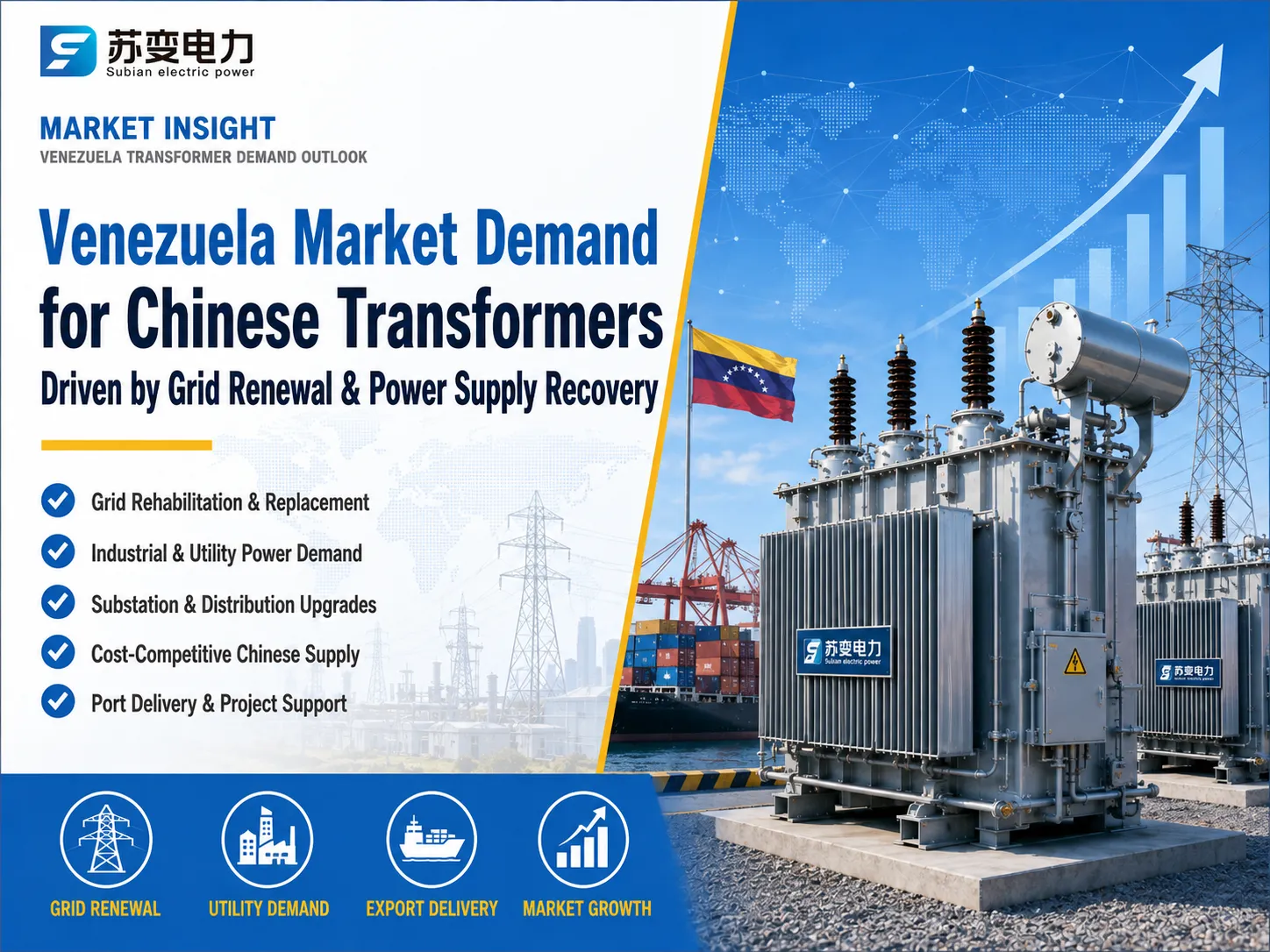
This increase in demand is not without evidence. In order to rebuild the national electric grid, we need distribution transformers and power transformers in every voltage rating from substations to pole-mounted and pad-mounted transformers used for supplying neighborhoods. Since Western manufacturers face utilization backlog for years to come, Venezuelans are considering Chinese supplier companies that can reduce their lead times. Consequently, the transformer market is growing as there is demand for a reliable and cost-effective transformer equipment just when the political situation starts to open ways for business relations.
The Depth of Venezuela’s Power Crisis
Understanding the scope of the opportunity requires knowledge of the extent of the problem. For over fifteen years, Venezuela has suffered from frequent blackouts, and, sadly, nothing improved after the latest government changes. According to Reuters, the blackouts did not stop, with at least thirty-five incidents reported in the first quarter of 2026. The problem is not that there are no theoretical capacities, but because of corruption, accumulated debt, and disinvestment that literally destroyed the system from the inside.
The numbers tell the tale. Venezuela’s installed capacity is supposed to be between 30,000 to 36,000 megawatts, while the actual existing capacity remains only at around 14,000 to 15,000 megawatts, which means that only less than 40% of what the system should be functioning at is possible. Heavy reliance on the Guri hydroelectric station that has significantly decreased production as a result of drought and turbine deterioration is another point in the degradation of the entire system, with electricity generating since 2020 facing defendant negative factors leading to a 40% decrease of generation. Technology means that, being almost 70 years old, the transmission lines lose almost thirty percent of electricity on the way and do not deliver it to the end users. Peak demand reached the record high of 15,570 megawatts in May 2026, which means that the system was almost operating at its limits.
The obvious fact is that the most suffering from the current situation are Western states like Zulia, Táchira, and Mérida, located in the extreme part of the electricity network and facing daily blackouts lasting seven to eight hours. The damage caused to people and economy is huge – the chamber of commerce in Zulia has reported that in 2025 forty percent of the establishments were closed. And in addition to this, the problem became even more severe after twin earthquakes hit the area close to Caracas in June 2026, which resulted in many deaths and worsened the fragile situation with infrastructure. All of this put together leads to the conclusion that renewing the electrical distribution gets impossible, and the electricity transformers become key in every reasonable recovery plan.
Transformers definitely require special attention because these are the points where blackouts mostly happen. In other words, when the voltage rises for transmission or is lowered for the usage in factories, hospitals, and homes, this job is done by transformers. When the transformers are old, overloaded, or just do not fit poorly for the local conditions, they overheat, become ineffective, and fail, leaving large territories off power supply. Thus, the replacement and provision of electricity transformers can be one of the best methods to deal with the problem of dropping performance due to the existence of a significant number of devices that are currently being actively purchased by the power plants and project developers looking for reliable suppliers of transformer equipment.
Why Venezuela Is Turning to Chinese Transformers
In a market characterized by urgency and restricted budgets, the attractiveness of Chinese transformers is apparent. While China is responsible for about 60% of global transformer production, companies in this country can boast unique magnitude and flexibility in order to increase output at any time. Although large customers ordering transformers in North America and Europe tend to see their orders get delayed for years, Chinese companies typically provide much shorter delivery times.
The second important component is cost. Years of economic contraction have made Venezuelan consumers very much value conscious. Chinese manufacturers have developed an international reputation as low-cost producers without sacrificing quality. Reliable B2B transformer suppliers in China provide a variety of products within both the distribution and power sectors, which means that all issues arising in the process of the realization of the project can be fixed by one supplier only. Besides competitive prices and fast delivery, experienced manufacturers in China provide a wide range of services related to transformer engineering, testing documentation, and after-sale assistance, something that plays an important role for clients who are restoring technical capabilities after a long period of brain drain. Consequently, all these advantages make Chinese manufacturers an obvious choice for Venezuelan clients.
Matching Venezuela’s American-Standard Grid
When it comes to any supplier that wants to be successful in Venezuela, there is one very important point that has to be considered: The country works under the North American electrical means, instead of European or Chinese electrical standards. Venezuela works on the voltage of 120 and 240 volts, single-phase, at a frequency of 60 Hertz—choosing equipment developed according to ANSI-NEMA preferences instead of the 50 Hertz IEC approach somewhat generally used in Asia and Europe. Therefore, the Chinese products need to be converted into the American equivalents.
This fact means that American transformers are at the center of the market. Pad-mounted transformers meant for street-level application in urban and rural areas are among the most demanded. Underground transformers, which consist of durable anti-corrosive protective materials needed for underwater and wet applications, are also in demand in crowded areas. Dry-type transformers are preferred in people’s homes as they are fire-safe and with minimum maintenance required. Because the heat and humidity are part of the tropical climate of Venezuela, it is necessary to use the equipment that is able to withstand heat, and humidity, as well as voltage and load variations.
What also makes things more complex is that the grid itself is unstable. Transformers used on the grid that goes from dead low to too high voltage and that experiences repeated outages will have to undergo much bigger mechanical load than the transformers used on a stable grid. As for the construction of transformers designed for this part of the world, they must provide enough insulation margin and be manufactured using special core and winding materials that will be able to withstand changes typical for the recovering grid; the supplier should be able to specify the matters and tolerances accordingly allowing them to prolong the life of the equipment.
From Factory to Puerto Cabello: Delivering Custom Solutions
Getting a purchase order transformed into operational equipment on the ground is a separate task with logistics playing an important role. A vast majority of the transformers sent to Venezuela go through Puerto Cabello which happens to be the most important commercial seaport of the country and the main port of entry for industrial imports. Close coordination of the manufacturing schedules with sea transport, customs clearance, and the land transport to substations and project sites deserve mentioning as one of the most important components of any successful supply chain, especially when it comes to the equipment that has to be carefully handled.
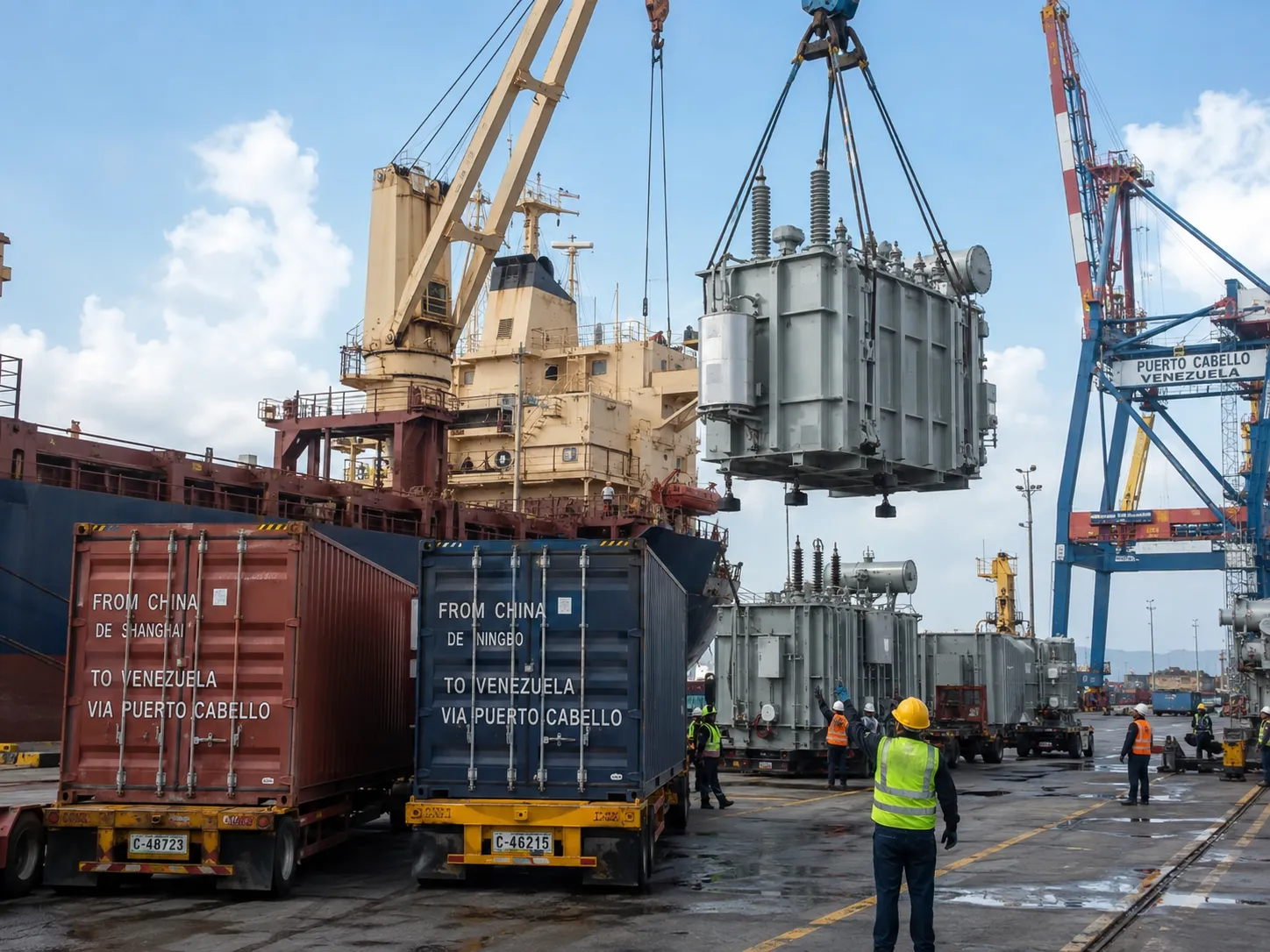
The efficient logistics for heavy transformers start well before the unit arrives at the port. Big distribution and power transformers can weigh dozens of tons. Therefore appropriate crating, moisture-proofing as well as proper loading is necessary so that the transformers can endure weeks at sea and all further handling. After the freight arrives in Puerto Cabello, customs-clearance operations followed by the inland transportation to sub-stations or project sites have to be undertaken in a coordinated manner to ensure that the equipment arrives intact and in time. At any single moment, one can face a delay in the freight delivery which can lead to the full idle of entire construction site. So the companies that take care of the logistics at the shipping stage and closely cooperate with their clients in Venezuela are able to transport valuable equipment much more conveniently.
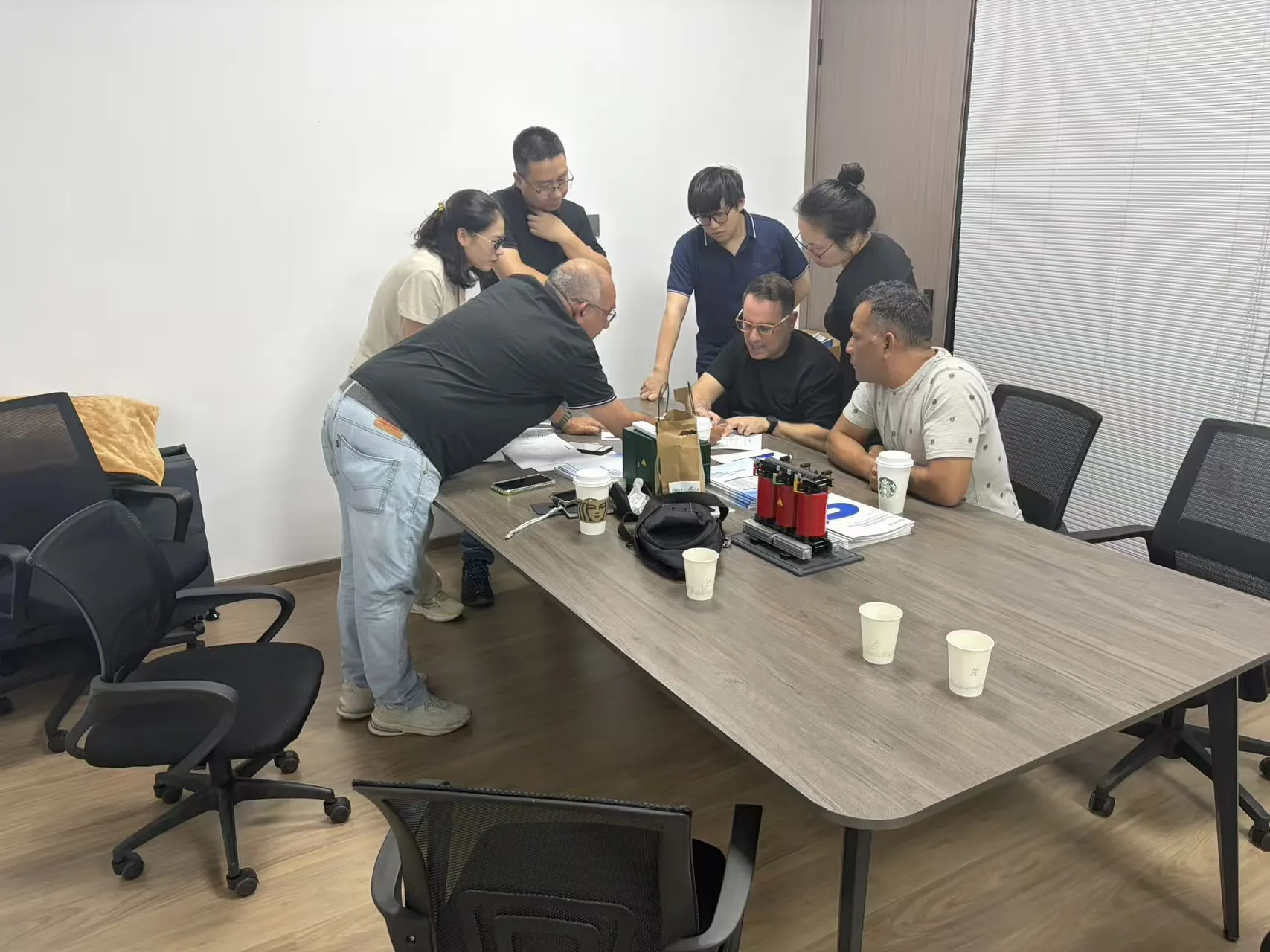
That’s why when it comes to the service one does not only have to look at the equipment being manufactured but also into the support of the transporters. In this regard Subian Power is particularly pleased with the way it has received its clients from Venezuela. Instead of taking the clients through formal meetings in order to sell them transformers, the company prefers to provide its clients with its best practices through practical part of the visits. During the visits of Venezuelan clients to the production facilities, the clients received the first-hand experience of everything from technical advice on transformer manufacturing to the inspection of the factory where there were no meals, speeches, negotiations, etc. The clients inspected all the features of the transformers in detail. The engineers managed to answer questions of the clients on electricity supply in their country to create transformers for new conditions.
Subian Power’s Approach to the Venezuelan Market
The main aim of Jiangsu Subian Electric Power Equipment Co., Ltd. is designing and producing of power transformer equipment that works at a voltage level below 110 kV so that its products include prefabricated substations, solar power stations, and intelligent systems of switching equipment that works with low and high voltages. Specifically, when it comes to the market of Venezuela, Jiangsu Subian Electric Power Equipment Co., Ltd. concentrates its efforts on three kinds of products that are most relevant and needed locally: transformers that can be mounted on pads, transformers that can be installed underground and dry transformers. Each of the above-mentioned types of equipment can be made particularly for 120/240 volt level and at b-60 Hz, supported by development for tropical, coastal climate and variability conditions.
Jiangsu Subian Electric Power Equipment Co., Ltd. follows the philosophy of constructing the company by means of different kinds of technologies and delivering quality services to customers. In this context, Jiangsu Subian Electric Power Equipment Co., Ltd. is not concerned with selling transformer as a regular product unit; instead, it thoroughly considers the needs of its customers and provides them with transformers that were developed on the basis of customers’ requirements according to design specifications contained in customer’s equipment and expectations of the company about operation of the apparatus in real life conditions. This approach enables the company partners from Venezuela to be sure that they will receive the device that would successfully operate in practice under various conditions.
Once the company has delivered its equipment, long-lasting reliability depends on how the delivery is executed. The technology power solutions require precise documentation and installation process, and the more the company collaborates with Venezuelan partners, the better conditions for installation will be.
The Road Ahead for Venezuela’s Power Reconstruction
It is important to note that the recovery of Venezuela’s power grid won’t happen overnight. In order to restore a system that has faced degradation for over a decade, continuous investment will be needed in generation, transmission, and distribution, and transformers will be of constant need in all three phases of work. It also means that demand for power transformers and distribution transformers will have higher levels in the years to come, not only within months; suppliers who get established and perform well given the situation will be able to benefit from it for years.
Both suppliers and buyers will have to face real challenges, including financing and payment arrangements, evolving trade and sanctions, compliance with standards, and logistics related to moving heavy equipment into the recovering economy. In addition, the reconstruction process is so broad that different players would have to take part in it; Western companies like Siemens and Gerneral Electric have already begun their discussions regarding grid rehabilitation and the market will be ready for a mix of foreign suppliers. When it comes to this mix, the role of Chinese manufacturers will only grow when it comes to cost efficiency and speed of delivery areas that are critically important for most of the immediate distribution needs of Venezuela.
Frequently Asked Questions
Why does Venezuela need so many transformers right now?
Venezuela’s grid has suffered chronic blackouts for over fifteen years, operating at less than forty percent of its nominal capacity due to aging infrastructure, deferred maintenance, and roughly thirty percent losses on transmission lines up to seventy years old. Rebuilding reliable power after the 2026 political transition requires large volumes of new distribution and power transformers, driving strong demand for Chinese transformers.
What type of transformers does Venezuela use?
Venezuela follows the North American electrical standard: 120/240 volts at 60 hertz, using ANSI and NEMA-style equipment. This makes American-style pad-mounted transformers, underground transformers, and dry-type transformers the most relevant products, all of which must be engineered for the local voltage, frequency, and tropical climate.
Why are Chinese transformers attractive to Venezuelan buyers?
China produces an estimated sixty percent of global transformer capacity, allowing its manufacturers to offer competitive pricing and considerably shorter lead times than Western factories facing multi-year backlogs. For price-sensitive buyers rebuilding urgently, reliable B2B transformer suppliers in China combine affordability, availability, and full-range product coverage.
How are transformers shipped to Venezuela?
Most transformer shipments enter through Puerto Cabello, Venezuela’s main commercial port. From there, units are cleared through customs and transported inland to substations and project sites. Coordinating production, ocean freight, and inland logistics is a key part of delivering heavy equipment successfully.
How long does it take to receive transformers from a Chinese supplier?
Lead times vary by product type, quantity, and specification, but Chinese manufacturers generally quote considerably shorter delivery windows than Western factories, where large units can face backlogs measured in years. Standard distribution products such as pad-mounted and dry-type transformers can typically be produced and shipped faster than highly specialized high-voltage units, which is one reason price-sensitive, time-constrained buyers favor Chinese B2B transformer suppliers.
Can transformers be customized for Venezuela’s grid conditions?
Yes. Effective tailored electrical solutions are designed to the exact voltage and frequency standard, sized to local load characteristics, and built to resist heat, humidity, salt corrosion, and voltage fluctuation. This is why custom transformer manufacturing and on-site technical consultation matter far more than simply supplying a standard catalog product.
If your organization is planning power distribution projects or grid rehabilitation work in Venezuela, choosing the right manufacturing partner is the difference between equipment that performs for decades and equipment that fails under local conditions. Jiangsu Subian Electric Power Equipment Co., Ltd. designs and manufactures American-style pad-mounted transformers, underground transformers, dry-type transformers, prefabricated substations, and complete switchgear engineered for the Venezuelan market’s 120/240-volt, 60-hertz standard and demanding climate. As an experienced provider of transformer technology solutions and industrial transformer services, Subian Power offers competitive pricing, dependable delivery, and hands-on engineering support from design through installation. Contact Subian Power today to discuss your project requirements and receive a customized transformer solution built for Venezuela’s power reconstruction.