


Se visiti la sala di manovra tra le due estremità di un tunnel autostradale urbano nel mezzo della stagione estiva e ne osservi le condizioni, otterresti la risposta. Il trasformatore da 800kVA, che è la principale fonte di energia per il sistema di ventilazione e illuminazione del tunnel, si trova all'interno di una stanza con un livello di umidità superiore a 85% da mesi. Ogni notte, si forma condensa sulla superficie del serbatoio. Le pareti della stanza mostrano macchie causate da depositi di sale dovuti ai materiali di disgelo scaricati dalla carreggiata. La storia di manutenzione riporta tre casi di disconnessione dei relè quest'anno a causa di problemi che causano la formazione di cortocircuiti sulle barre di bus LV a causa dell'umidità. Il test dell'olio mostra che contiene 42 ppm di acqua, che è superiore al tasso consentito di 30 ppm e causa la degradazione dell'isolamento in carta.
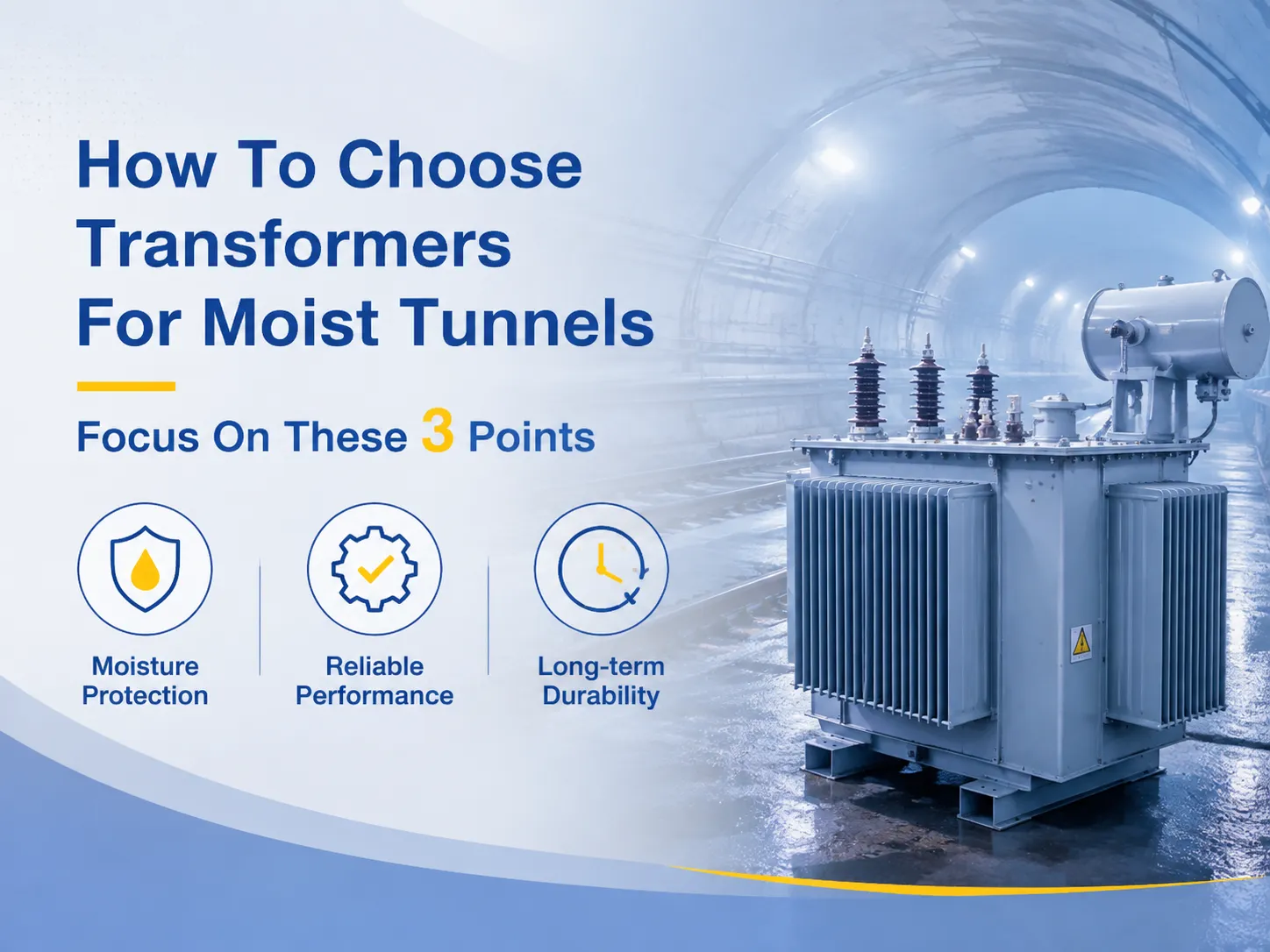
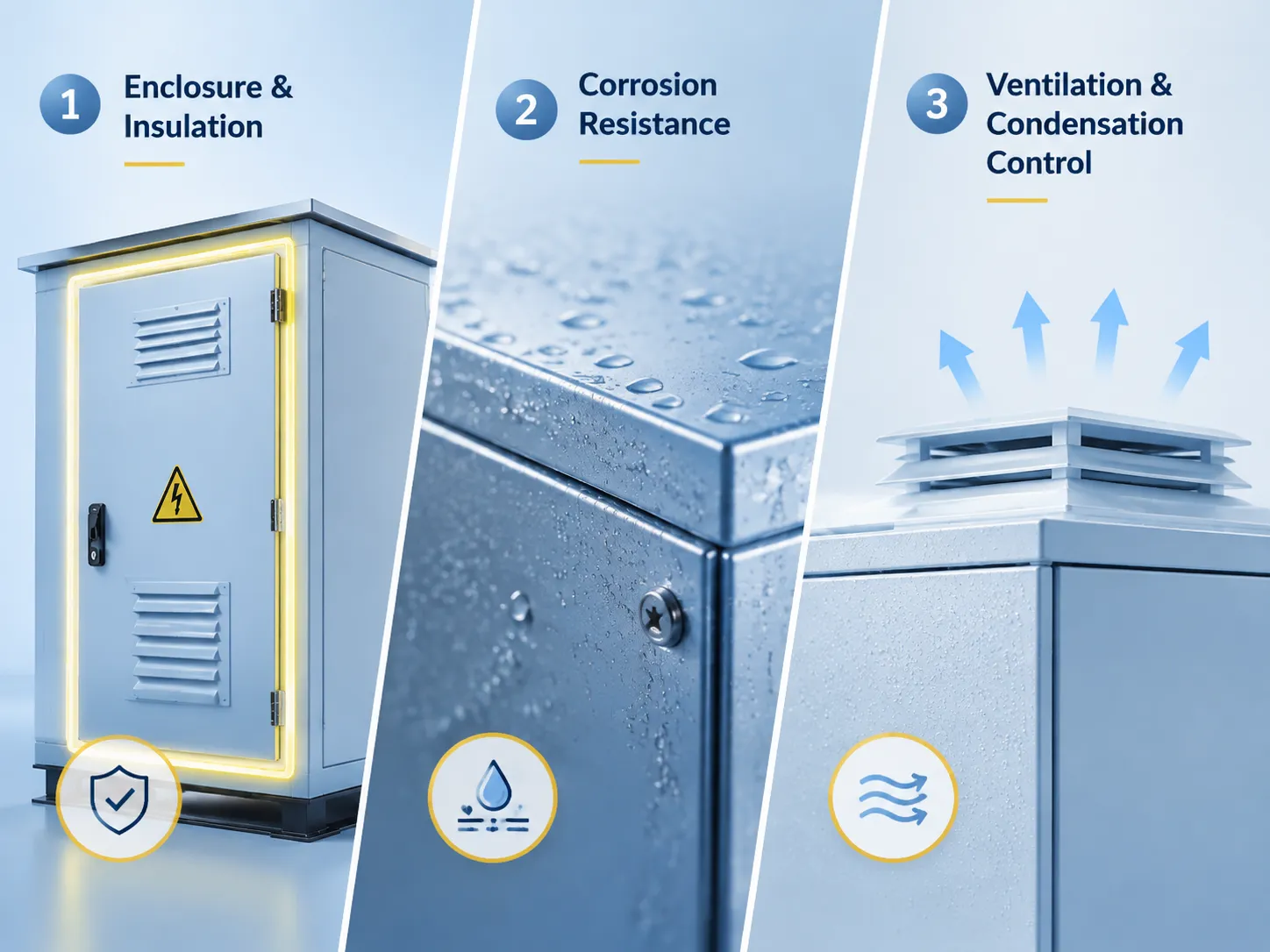
I tunnel sono alcuni dei luoghi più difficili in cui utilizzare trasformatori a causa dell'umidità presente. Questo articolo ti offre 3 questioni importanti da tenere a mente durante la selezione dei trasformatori per i tunnel: protezione dell'isolamento e dell'involucro, selezione dei materiali e protezione dalla corrosione, e controllo della ventilazione e della condensa.
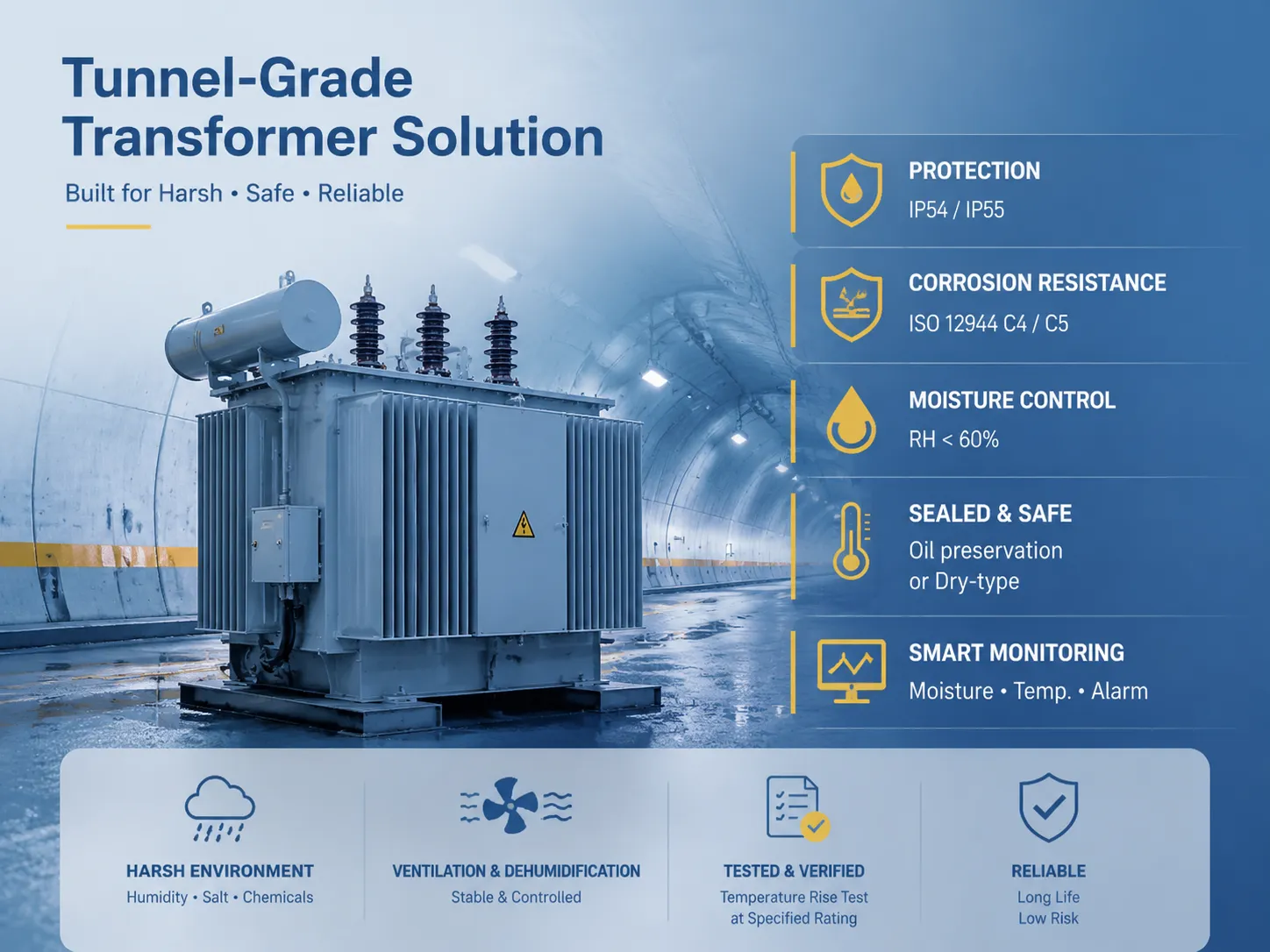
La risposta breve è qui espressa: Durante la selezione di un trasformatore per tunnel umidi, tre cose devono essere prese in considerazione: (1) Protezione tramite involucro e isolamento – per i trasformatori di tipo secco, devono essere specificati involucri con classificazione IP54 e IP55. Nel caso di trasformatori immersi in olio, devono essere specificati serbatoi sigillati realizzati con materiali resistenti alla corrosione; (2) Materiali resistenti alla corrosione – involucri realizzati in acciaio inossidabile o materiali verniciati a polvere di alta resistenza, finiture classificate per la classe di corrosività C3/C4 secondo la norma ISO 12944, isolamenti tropicalizzati con alti livelli di umidità; (3) Ventilazione e prevenzione della condensa – scambio controllato dell'aria, riscaldatori anti-condensa; controllori di umidità.
Perché i tunnel umidi distruggono i trasformatori
Il guasto di un trasformatore in ambienti umidi non è solitamente un incidente elettrico istantaneo — piuttosto è un processo chimico e fisico graduale. Ecco le principali cause:
- Umidità nell'isolamento: Nei trasformatori immersi in olio, l'umidità entra attraverso i respiratori, le guarnizioni e la condensa. Livelli di umidità superiori a 30 ppm nell'olio del trasformatore accelerano l'invecchiamento dell'isolamento in carta, dimezzando la vita con ogni umidità due volte superiore al normale. A 50–60 ppm potrebbe verificarsi formazione di bolle durante il sovraccarico e portare a un guasto dielettrico.
- Tracciamento superficiale e creep: Su avvolgimenti e boccole di tipo secco, l'umidità insieme alla polvere o al sale crea canali conduttivi lungo la superficie che portano a scariche parziali e flashover.
- Corrosione del serbatoio, dei raccordi e delle connessioni: Il condensato contenente sale attacca serbatoi, alette del radiatore, raccordi dei cavi e connessioni bullonate, aumentando la resistenza di contatto e causando infine giunti caldi.
- Condensazione dei compartimenti di controllo e bassa tensione: Le fluttuazioni di temperatura fanno condensare l'acqua sulle barre collegate e sui moduli elettronici e solo un incidente di condensazione può portare a un flashover fase-fase.
E le statistiche confermano la fisica: i trasformatori in siti costieri e tunnel mostrano un tasso di guasto 2-3 volte maggiore rispetto alle unità in aree interne asciutte, con l'invecchiamento dell'isolamento indotto dall'umidità che è la principale causa di guasto riscontrata nelle indagini forensi. La soluzione non è la manutenzione — è la corretta specifica durante l'acquisizione.
Punto 1: Protezione dell'involucro e dell'isolamento
La domanda principale è come prevenire che l'umidità influisca sull'isolamento. In termini di linguaggio di specifica, è importante essere precisi:
| Elemento | Standard / Requisito | Specifica di grado tunnel |
|---|---|---|
| Involucro di tipo asciutto | Classificazione IP IEC 60529 | IP54 minimo; IP55 dove è possibile spruzzare acqua |
| Serbatoio immerso in olio | IEC 60529 + design sigillato | Serbatoio sigillato con sistema di conservazione dell'olio (coperchio di azoto o tipo di adsorbimento di gas) |
| Bushings e terminazioni | IEC 60529 / creepage secondo IEC 60076 | Distanze di creepage estese, tettoie in silicone o resina epossidica, scatole per cavi IP54 |
| Compartimenti di controllo / LV | IEC 60529 | Compartimenti IP55 con porte guarnite e filtri di respirazione |
| Sistema di isolamento | IEC 60076-11 (asciutto), IEC 60076-1 (olio) | Isolamento tropicalizzato, limiti di contenuto di umidità indicati nella scheda dati |
L'errore abituale è specificare involucri IP23 o IP31 — mentre possono andare bene per uso industriale al chiuso, non funzioneranno in casi esposti a condizioni di umidità costante di un tunnel. Ogni percentuale di miglioramento IP costa solitamente circa 400–1.500 dollari per unità, eppure è proprio la distinzione tra IP31 e IP55 che determina se un trasformatore da tunnel durerà cinque anni.
Punto 2: Resistenza alla corrosione e materiali
Il secondo punto importante nella decisione è la scelta dei materiali. In un ambiente umido di tunnel, la finitura superficiale e la qualità del metallo sono altrettanto essenziali quanto il design dei sistemi elettrici. Lo standard applicabile è ISO 12944 (vernici e rivestimenti per costruzioni in acciaio) che divide la corrosività atmosferica in categorie da C1 (interni ventilati) a C5-X (molto forte). I tunnel con schizzi dalle auto sono generalmente riconosciuti come C3 o C4, mentre i tunnel ricchi di sale possono raggiungere la categoria C5-I.
| Componente | Specifica standard | Specifica di grado tunnel |
|---|---|---|
| Rivestimento del serbatoio e dell'involucro | ISO 12944 C2/C3, mano unica | Sistema di rivestimento C4 o C5, spessore minimo della pellicola secca di 120–240 µm |
| Materiale della scocca dell'involucro | Acciaio laminato a freddo, vernice | Acciaio inossidabile (304/316) o zincato a caldo + rivestimento in polvere pesante |
| Fissaggi e raccordi | Acciaio zincato | Fissaggi in acciaio inossidabile, ghiere per cavi in ottone o acciaio inossidabile |
| Radiatori / alette di raffreddamento | Acciaio al carbonio standard | Alette rivestite o margine di raffreddamento aumentato per compensare la perdita di rivestimento |
| Filtri di respirazione in gel di silice | Standard | Gel di silice di grado reattivo con indicatore di colore, volume maggiore |
L'impatto sui costi esiste ma è limitato; passare dal rivestimento C2 al C4 comporta tipicamente costi aggiuntivi che variano da $600 a $2,500 per unità. Aggiungere un involucro in acciaio inossidabile a un'unità di tipo secco con una potenza nominale di 1,000 kVA comporta costi da $3,000 a $8,000. Quando si tratta di infrastrutture tunnel critiche che non possono essere rimosse dal servizio per la riverniciatura, questo costo è la forma di assicurazione più economica disponibile.
Punto 3: Ventilazione e Controllo della Condensazione
Il terzo criterio è il controllo ambientale nella sala trasformatori o nell'involucro. Quando l'aria circostante si condensa, non importa quanto sia efficace l'involucro IP55, non salverà il trasformatore dai danni. Le possibili soluzioni a questo problema, elencate in ordine di efficacia, sono le seguenti:
- Riscaldatori anti-condensazione: di 150–300 W per compartimento e regolati da termostato, i riscaldatori anti-condensazione consentono alle superfici di rimanere 3–5 °C sopra il punto di rugiada. Il prezzo varia tra $200 e $600 per compartimento.
- Ventilazione controllata: in un tunnel umido, anche un sistema di ventilazione naturale non è utile; è necessario un sistema di ventilatori che si attiva solo quando l'aria esterna è più secca. Costa da $1,500 a $5,000.
- Deumidificazione: in stanze critiche, un piccolo deumidificatore garantisce che il livello di umidità sia inferiore a 60%. In questo caso, il costo varia da $1.000 a $3.500.
- Respiratori riscaldati e sistemi di olio sigillati: questa soluzione esclude il rischio di ingresso di umidità per attrezzature immerse nell'olio. Il prezzo è coperto dall'opzione sopra menzionata.
Il compito ingegneristico è semplice e diretto: si dovrebbe mantenere il livello di umidità nella zona dell'attrezzatura sopra 60% e le temperature superficiali sopra il punto di rugiada. Queste misure dovrebbero essere incluse nel pacchetto di specifiche del trasformatore e non dovrebbero essere trattate come lavori civili aggiuntivi, poiché il produttore del trasformatore dovrebbe essere responsabile della prevenzione dell'umidità.
Tipi di Trasformatori per Uso in Tunnel
Entrambe le principali famiglie di trasformatori possono essere rese idonee per i tunnel, ma la scelta influisce su costi, ingombro e sicurezza antincendio:
| Tipo | Punti di forza nei Tunnel | Punti di debolezza | Prezzo tipico, 1.000 kVA (USD) |
|---|---|---|---|
| Tipo secco (resina colata) | Nessun rischio di perdita d'olio, sicuro contro il fuoco, bassa manutenzione, buona prestazione contro l'umidità con un'adeguata chiusura | Costo più elevato, sensibile a umidità elevata sostenuta senza chiusura | $18.000–$32.000 |
| Olio sigillato | Costo inferiore, collaudato, serbatoio sigillato resiste all'ingresso | Considerazioni sulla contenimento dell'olio e sul fuoco; rischio di corrosione del serbatoio se il rivestimento fallisce | $12.000–$22.000 |
| Tipo secco in acciaio inossidabile | Massima resistenza alla corrosione, migliore per tunnel salini | Costo più alto | $25.000–$40.000 |
Nel caso di tunnel ferroviari e autostradali, il trasformatore secco è solitamente la migliore opzione in stanze ignifughe perché in caso di incendio nel tunnel il trasformatore può rappresentare un pericolo e ci sono poche possibilità per le persone di fuggire. Nel caso di condotti di utilità e tunnel sotterranei dove il rischio di incendio è gestito in modo diverso, la scelta migliore saranno i trasformatori riempiti d'olio.
Tipo Secco vs. Immerso in Olio per Tunnel
La decisione tra le due famiglie in un tunnel umido si riduce a cinque fattori, riassunti di seguito:
| Fattore | Tipo secco (Resina colata) | Olio Sigillato |
|---|---|---|
| Gestione dell'umidità | Buono con chiusura IP54+; umidità dell'isolamento recuperabile mediante essiccazione | Serbatoio sigillato resiste all'ingresso; l'umidità dell'olio deve essere monitorata |
| Sicurezza antincendio | Autoestinguente, fumi minimi | Rischio di incendio dell'olio; necessita di stanza e contenimento ignifughi |
| Manutenzione | Basso; pulizia periodica e termografia | Maggiore; campionamento dell'olio, DGA, servizio del respiratore |
| Costo (1.000 kVA) | $18.000–$32.000 | $12.000–$22.000 |
| Uso tipico in tunnel | Stazioni stradali/ferroviarie e stanze per attrezzature | Condotti di utilità, cave remote, siti minerari |
Non c'è un vincitore assoluto. La selezione dipende dai criteri di sicurezza antincendio e dalla possibilità di riparazione. Ciò che è importante è che qualunque sistema si scelga, soddisfi tutti e tre i criteri sopra menzionati: buona protezione della chiusura, proprietà resistenti alla corrosione e rimozione di qualsiasi condensa che possa verificarsi.
Lista di Controllo delle Specifiche
- Confermare le condizioni del tunnel: livelli di umidità, quantità di sale, ventilazione e sostanze chimiche applicate.
- Le chiusure e i compartimenti devono rispettare almeno IP54 (si raccomanda di rispettare IP55 se l'acqua viene spruzzata nel tunnel).
- Il rivestimento ISO 12944 C4 (o C5 per tunnel salini) dovrebbe essere specificato con spessore di film secco nel contratto.
- Dovrebbero essere utilizzate custodie in acciaio inossidabile o pesantemente rivestite se si verifica una corrosione severa.
- La conservazione dell'olio sigillato dovrebbe essere applicata all'attrezzatura immersa nell'olio mentre la costruzione secca dovrebbe essere utilizzata nelle aree a rischio incendio.
- Riscaldatori anti-condensazione, ventilazione controllata dall'umidità con unità di deumidificazione dovrebbero essere integrati nel progetto.
- Il contenuto di umidità dovrebbe essere elencato anche nel foglio dati.
- Aggiungere monitoraggio: sensore di umidità dell'olio, sensore di temperatura dell'avvolgimento e sensore di perdita/condensazione.
Top Brand e Confronto Prezzi
I produttori di trasformatori di grado tunnel includono sia leader internazionali che produttori dedicati. La tabella fornisce prezzi per trasformatori asciutti da 1.000 kVA di 10/0,4 kV con un involucro di grado tunnel IP54+ e trattamento C4; i trasformatori di tipo olio saranno circa il 35-45 percento più economici.
| Marca | Paese | Punti di forza rilevanti per il tunnel | Prezzo Indicativo (USD) |
|---|---|---|---|
| Schneider Electric | Francia | Ampio portafoglio di custodie di tipo asciutto e IP55 | $22.000–$34.000 |
| Siemens | Germania | Riferimenti per infrastrutture tunnel, monitoraggio digitale | $23.000–$36.000 |
| ABB | Svizzera | Ampia gamma di resina colata e serbatoi sigillati | $22.000–$35.000 |
| Eaton | USA | Profondità di tipo asciutto industriale, custodie personalizzate | $20.000–$32.000 |
| Hitachi Energy | Giappone/Svizzera | Esperienza in trasformatori per grandi infrastrutture | $24.000–$38.000 |
| Jiangsu Subian Energia Elettrica | Cina | Unità conformi alla IEC 60076 con IP54/55, rivestimento C4, opzioni in acciaio inossidabile | $15.000–$26.000 |
I produttori internazionali offrono pratiche di costruzione eccezionali e una competenza documentale completa che sono requisiti chiave per progetti che hanno certificazioni e requisiti assicurativi rigorosi. Jiangsu Subian Electric Power è un partecipante attivo in questo campo e produce trasformatori di tipo secco e immersi in olio conformi alla IEC 60076 che soddisfano le specifiche aziendali come l'involucro IP55, rivestimento C4/C5, opzioni in acciaio inossidabile, sistemi di riscaldamento anti-condensa e monitoraggio dell'umidità, con un prezzo 45-60% inferiore a quello dei loro omologhi europei o americani. Quando si tratta di valutare le opzioni per la costruzione di più stanze per trasformatori per ventilazione, illuminazione e drenaggio, Subian si presenta come un'alternativa valida alle aziende internazionali grazie alla sua flessibilità nella produzione di prodotti personalizzati e a un ottimo sistema di verifica dei test in fabbrica.
Domande frequenti
Quale grado di protezione IP è necessario per un trasformatore in un tunnel?
Il grado di protezione IP minimo accettabile per un trasformatore è IP54, ma IP55 è preferibile se il trasformatore sarà esposto all'acqua a causa di pulizie o perdite d'acqua. Il significato di un grado IP54 è che è a tenuta di polvere e protegge dagli schizzi d'acqua da qualsiasi direzione. Al contrario, IP55 protegge dai getti d'acqua utilizzati per la pulizia. Installare attrezzature che operano con un grado di protezione IP superiore a IP23 costa almeno $400–$1,500 in più.
Quanto costa un trasformatore di grado tunnel rispetto a uno standard?
Il costo di un trasformatore di tipo secco standard da 1000 kVA può raggiungere $13,000–$18,000. Il costo di un trasformatore di grado tunnel con involucro IP54/55, rivestimento C4 e controlli della condensa è di $18,000–$32,000, il che significa un sovrapprezzo del 15–30%. Inoltre, i gusci in acciaio inossidabile aggiungono un ulteriore $3,000–$8,000. Tuttavia, questo è un piccolo sovrapprezzo quando si confrontano i costi totali con i costi della sua sostituzione a metà vita per un'infrastruttura tunnel critica.
È meglio un trasformatore di tipo secco o immerso in olio in un tunnel umido?
Per i tunnel stradali e ferroviari dove la protezione antincendio è sensibile, il trasformatore di tipo secco (resina colata) è la scelta preferita, poiché è autoestinguente e non comporta rischi di fuoriuscita di olio. D'altra parte, i trasformatori immersi in olio sono più convenienti per condotti di utilità, lavori minerari e vani non accessibili. Pertanto, è importante comprendere che la protezione antincendio, l'accesso per la manutenzione e i costi sono le principali questioni determinanti nella scelta del tipo di trasformatore.
Qual è il livello di umidità accettabile nell'olio del trasformatore?
Si considera che il contenuto di umidità nell'olio del trasformatore durante il periodo di consegna non dovrebbe superare i 15-20 ppm. In operazione, il contenuto di umidità dell'olio è accettabile se non supera i 30 ppm. Se varia da 30 a 50 ppm, è necessario un monitoraggio maggiore. Quando il livello di umidità supera i 50 ppm, c'è un potenziale rischio di formazione di bolle d'aria durante il funzionamento del trasformatore.
I riscaldatori anti-condensa prevengono davvero i guasti del trasformatore?
Sì, e sono tra le migliori misure di costo-efficacia menzionate in questo articolo. Questi riscaldatori funzionano utilizzando un termostato e costano $200-$600.
Riferimenti
- IEC 60529 — Gradi di protezione forniti dagli involucri (Codice IP) — lo standard che definisce le classificazioni IP per le custodie e i compartimenti dei trasformatori.
- IEC 60076 serie — Trasformatori di potenza — standard di progettazione, collaudo e isolamento per tutte le specifiche dei trasformatori per tunnel.
- ISO 12944 — Vernici e verniciature: Protezione dalla corrosione delle strutture in acciaio — la classificazione di corrosività (C2–C5) utilizzata per le specifiche di rivestimento dei tunnel.
- IEEE C57.106 — Guida per l'accettazione e la manutenzione dell'olio minerale isolante — indicazioni autorevoli sui limiti di umidità dell'olio e interpretazione.
- IEC 60076-11 — Trasformatori di potenza di tipo secco — requisiti di umidità e custodia per unità in resina colata in ambienti umidi.
- Manuale AREMA per l'ingegneria ferroviaria — guida all'infrastruttura elettrica e di ventilazione dei tunnel utilizzata nei progetti ferroviari nordamericani.
- Jiangsu Subian Electric Power — sito ufficiale — produttore di trasformatori di grado tunnel con rivestimento C4, IP54/55 per progetti infrastrutturali.
Conclusione
L'umidità può danneggiare un trasformatore, ma puoi ridurre le possibilità che questo problema si verifichi seguendo alcune raccomandazioni. La prima raccomandazione è di installare il trasformatore all'interno di un involucro sigillato (IP54 o superiore) con installazione impermeabile. La seconda suggerimento è di rivestire le parti in acciaio del trasformatore con materiali che possono resistere alla corrosione e all'umidità (preferibilmente, il rivestimento ISO 12944 C4/grado di classificazione sarà appropriato). La terza raccomandazione è di fornire ventilazione, sistemi di riscaldamento e controllo dell'umidità (deumidificatori).
Punti chiave:
- Le custodie IP23/IP31 non sono adatte per l'operazione nei tunnel; IP54/IP55 è un must.
- Assicurati di utilizzare un rivestimento C4 (C5 per tunnel salini) per proteggere il trasformatore dalla corrosione secondo ISO 12944.
- Devi comunque pagare un supplemento di 15–30% per un trasformatore classificato per operazioni in tunnel quando lo acquisti; in questo modo sarai sicuro di avere un dispositivo affidabile per 25 anni invece di uno malfunzionante per soli 5 anni.
- Fornisci al trasformatore riscaldamento e controllo dell'umidità: questo aiuterà a evitare problemi legati all'umidità durante il funzionamento del trasformatore.