


يقوم كبير المهندسين في شركة إمداد الكهرباء الإقليمية بفحص نتائج مشروع تجريبي استمر ثلاث سنوات يتضمن عشرة محولات مملوءة بالزيت؛ خمسة من هذه المحولات تحتوي على نوى من سبائك غير متبلورة، وثلاثة منها مملوءة بسائل استر طبيعي، واثنان يتضمنان أجهزة تحليل الغاز المذاب عبر الإنترنت. جميع المحولات التي تم اختبارها عملت بنجاح لأكثر من 30,000 ساعة. أظهرت المحولات غير المتبلورة خسائر في الحمل الخالي أقل بمقدار 68% من القيم المتوسطة للمحولات السابقة S9. مرت المحولات الاستر بموسمين من العواصف الرعدية دون أي علامة على مشاكل الغاز في الزيت، ونظام المراقبة عبر الإنترنت حدد تطور نقطة ساخنة قبل 14 شهرًا من أن تؤدي المشكلة إلى فشل. بسبب هذا الاختبار التجريبي المقنع، قررت إدارة شركة إمداد الكهرباء استخدام هذه التكنولوجيا على نطاق أوسع.
يعد هذا المشروع التجريبي مؤشرًا جيدًا على الاتجاه في تطوير تكنولوجيا المحولات المملوءة بالزيت. يوفر المقال نظرة عامة على التحسينات التكنولوجية - مواد نوى أفضل، سوائل عازلة محسنة، وأنظمة مراقبة رقمية تسمح بتحديد المشاكل بسهولة أكبر.
إجابة مختصرة: تشمل التقدمات الرئيسية في تكنولوجيا المحولات المملوءة بالزيت نوى معدنية غير متبلورة (والتي أدت إلى تقليل خسائر الحمل الخالي بنسبة 60–70% مقارنةً بالتصاميم التقليدية S9/S11)، نوى CRGO المقطوعة بالليزر والمصنوعة بطريقة خطوة-تداخل (مما أدى إلى تقليل خسائر النوى بنسبة 10–20%)، سوائل استر طبيعية وصناعية ذات نقاط اشتعال تتجاوز 300 درجة مئوية بدلاً من ~160 درجة مئوية للزيوت المعدنية، تحليل الغاز المذاب عبر الإنترنت ومراقبة الحالة المعتمدة على إنترنت الأشياء، بالإضافة إلى التوائم الرقمية والتشخيصات المعتمدة على الذكاء الاصطناعي التي تمكن من توقع الفشل قبل عدة أشهر. بالنسبة لوحدة محول نموذجية بقدرة 1,000 kVA، ستزيد هذه التقنيات من السعر بحوالي 10–30%، في الوقت نفسه الذي تقلل فيه من خسائر الطاقة.
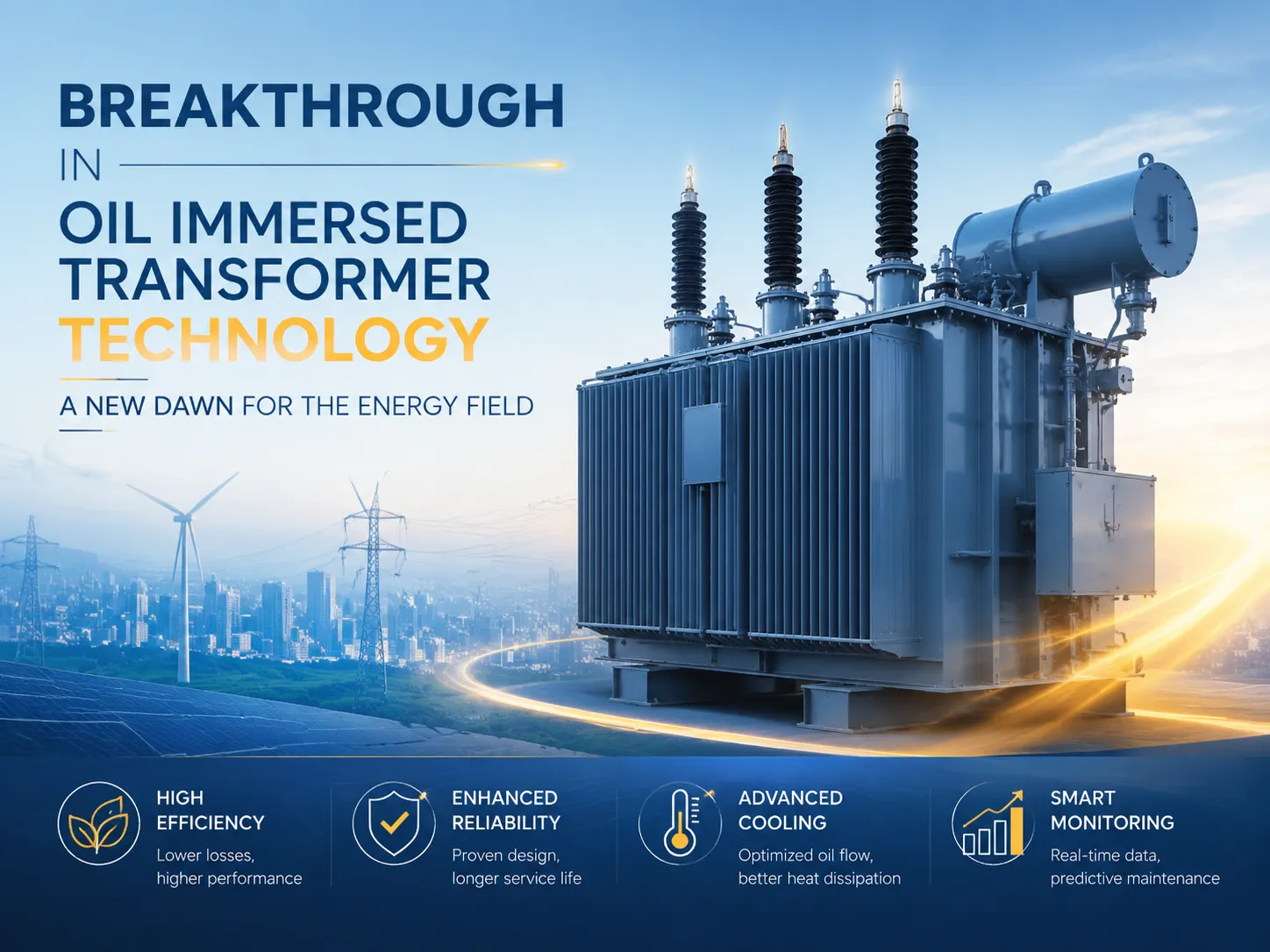
لماذا كان يجب أن تتغير تكنولوجيا المحولات
تشتهر المحولات بأنها أكثر أنواع المعدات الكهربائية ذات القيمة العالية شيوعًا، كما أنها تواجه أيضًا كفاءة غير مستدامة باستمرار. كما هو مذكور في التقارير الصناعية التي يتم الاقتباس منها بشكل متكرر، يتم إهدار حوالي 1.5–2% من إجمالي الكهرباء المنتجة عالميًا بسبب خسائر المحولات. على سبيل المثال، في منظمة تحتوي على حوالي 5,000 محول توزيع، حيث يمتلك كل منها قدرة متوسطة تبلغ 500 kVA، ستستهلك خسائر الحمل الخالي أكثر من 20 GWh من الكهرباء سنويًا، مما يعادل استهلاك سنوي لعدة آلاف من الأسر ويكلف ملايين الدولارات.
هناك ثلاثة جوانب تؤدي إلى ضرورة التغيير، وهي لوائح كفاءة الطاقة (لائحة التصميم البيئي للاتحاد الأوروبي 548/2014 وغيرها، وزارة الطاقة الأمريكية 10 CFR الجزء 431، معيار GB 20052 في الصين)، اللوائح البيئية التي تحد من المخاطر المرتبطة بتسرب الزيوت المعدنية في محيط المياه والمجتمعات، وتكلفة الانقطاعات المرتبطة بإلكترونية الاقتصاد. كل من هذه العوامل يتوافق مع اختراق تكنولوجي معين.
النوى المعدنية غير المتبلورة: تقليل خسائر عدم الحمل
إن اختراع النواة المعدنية غير المتبلورة يمثل أكبر تقدم في تكنولوجيا المحولات في عالم الهندسة الكهربائية. هذا التقدم يستبدل الفولاذ السيليكوني العادي المستخدم في عملية التصنيع ويستخدم سبيكة حديدية تتصلب بطريقة سريعة جداً، مما يلغي هيكلها البلوري. ونتيجة لذلك، فإن النواة غير المتبلورة لديها خسائر مغناطيسية أقل بكثير.
تم الإبلاغ عن النتائج التالية: إن تقليل الخسائر المقبولة بشكل عام لمحولة تستخدم نواة غير متبلورة مقارنة بمحولة مزودة بنواة CRGO موجهة الحبيبات (نواة فولاذ سيليكوني) هو حوالي 60-70%. على سبيل المثال، تغيرت خسارة الطاقة لمحولة بقدرة 1000 kVA من حوالي 1700 واط (مستوى S11) إلى 500-700 واط. كما أن تيار التمغنط ينخفض وفقًا لذلك وتقل خسائر الطاقة نتيجة لذلك.
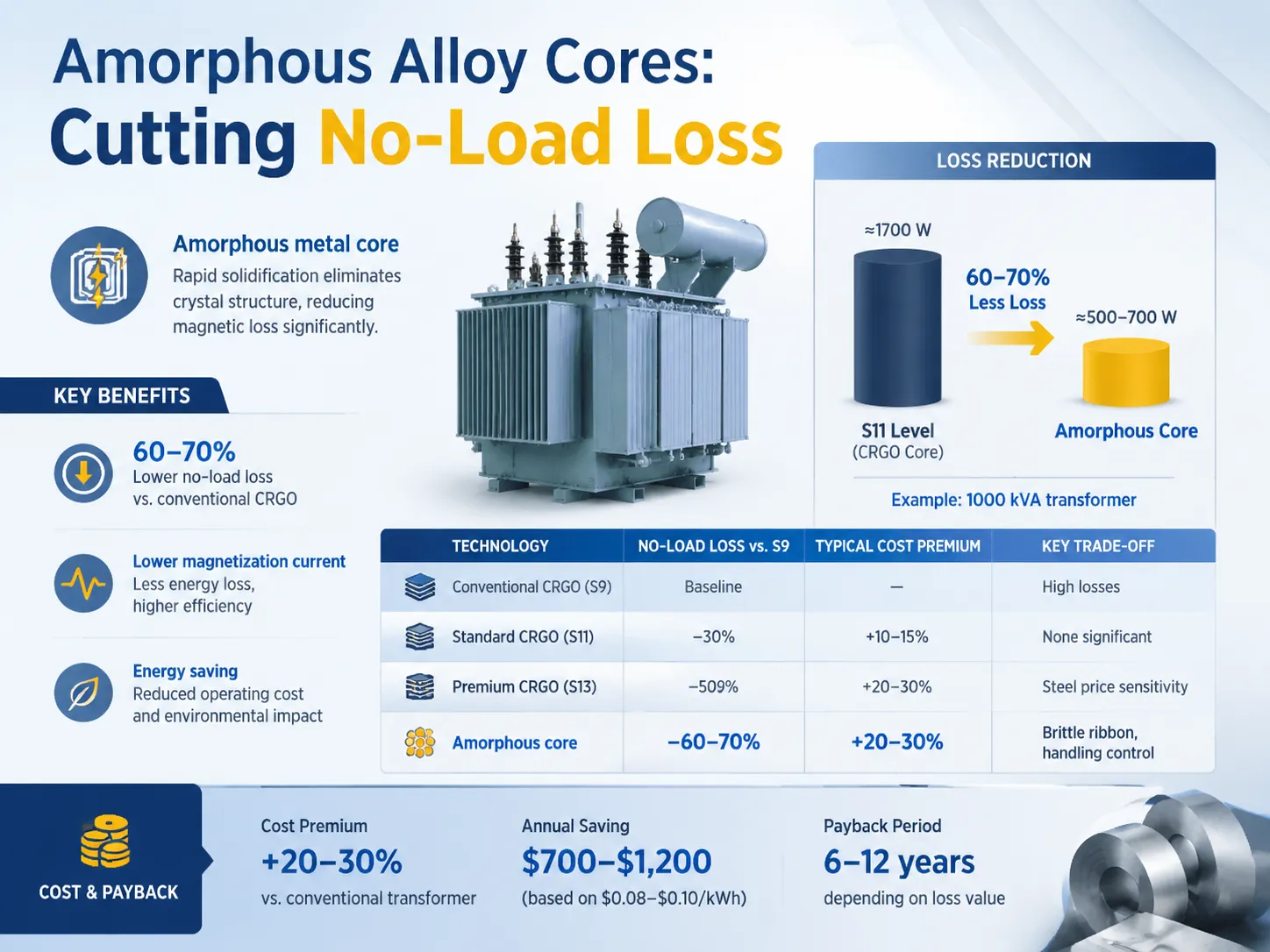
في الماضي، كانت استخدام النواة غير المتبلورة محدودة بسبب الصعوبات في تحقيق تصميمات ثلاثية الطور كبيرة بسبب هشاشة الشرائط. ومع ذلك، فإن السوق الآن يقدم محولات بنواة غير متبلورة بأحجام مختلفة، بعضها يصل إلى 2500 kVA أو حتى 10 MVA في بعض التطبيقات الخاصة.
| التكنولوجيا | خسارة عدم الحمل مقابل S9 | تكلفة إضافية نموذجية | المقايضة الرئيسية |
|---|---|---|---|
| CRGO التقليدي (S9) | خط الأساس | — | خسائر عالية |
| CRGO القياسي (S11) | −30% | +10–15% | لا شيء ملحوظ |
| CRGO المتميز (S13) | −50% | +20–30% | حساسية سعر الفولاذ |
| نواة غير متبلورة | −60–70% | +20–30% | شريط هش، التحكم في المناولة |
تعتمد الزيادة في الكفاءة على تعقيد مادة النواة وتكلفتها.
تكلفة المادة: تكلف المحولة الغاطسة في الزيت بقدرة حوالي 1,000 kVA مع نواة غير متبلورة حوالي $18,000–$28,000، وهو ما يزيد بحوالي 20–30% عن التقليدية. في حالة التشغيل على مدار الساعة، فإن التوفير السنوي بسبب خسارة عدم الحمل هو حوالي 1,000–1,200 واط. يمكن أن يوفر ذلك للمستخدم حوالي $700–$1,200 سنويًا إذا كانت تكلفة الكهرباء $0.08–$0.10/kWh. لذلك، اعتمادًا على القيمة المعينة للخسائر، فإن فترة الاسترداد حوالي 6–12 سنة.
سوائل الإستر: السلامة من الحرائق وطول العمر
زيت العزل المعدني له نقطة اشتعال حوالي 160 درجة مئوية. الإستر الطبيعي (المستخرج من الزيوت النباتية مثل زيت اللفت أو الصويا) أو الإستر الصناعي لهما نقطة اشتعال تتجاوز 300 درجة مئوية، مما يجعل العديد منها مؤهلاً لإجراءات الفئة K المتعلقة بالسوائل ذات نقطة الاشتعال العالية. تفتح هذه الخاصية الفريدة الأبواب لمواقع تركيب المحولات: داخل المباني، بجوار المباني، وقريبًا من النظم البيئية الحساسة حيث لا يُسمح عمليًا باستخدام الزيوت المعدنية.
| سائل | نقطة الاشتعال | القابلية للتحلل البيولوجي | تحمل الرطوبة | تكلفة إضافية نسبية |
|---|---|---|---|---|
| زيت معدني | ~160 درجة مئوية | محدود | منخفض | خط الأساس |
| معدني عالي الحرارة | ~300 درجة مئوية | محدود | منخفض | +20–40% |
| إستر طبيعي | >300 درجة مئوية | >90% في 28 يومًا | عالي | +30–60% |
| إستر صناعي | >300 درجة مئوية | معتدل–مرتفع | عالي | +60–100% |
تتمتع سوائل الإستر بسعة احتفاظ أكبر بكثير بالماء، وهو ما يبدو غير عادي، ولكنه مفيد: من خلال إبقاء الرطوبة بعيدًا عن عزل الورق، يتم تأخير عملية الشيخوخة. تظهر التجارب العملية أن معدل شيخوخة الورق في المحولات المملوءة بالإستر أقل من 5 إلى 8 مرات مقارنة بالمحولات التي تستخدم الزيت المعدني، حيث تبقى المياه في السائل بدلاً من الانتقال إلى الورق. تظهر دراسات عمر المحولات والتجارب المخبرية أن عمر المحول يمتد من 1.5 إلى 2 مرة بسبب استخدام الإستر.
ومع ذلك، فإن عيب الإستر هو تكلفته وخصائص الضخ. تتمتع الإستر بخصائص لزوجة أقوى في درجات الحرارة الباردة، وهو أمر مهم للمناخات الباردة، وتكون التكلفة الإضافية مقارنة بالزيت المعدني كبيرة - سيتطلب المحول بقدرة 1,000 kVA إنفاقًا يتراوح بين $3,000 إلى $8,000 على الإستر.
المراقبة الرقمية والتحليل عبر الإنترنت للغازات المذابة
كان تحليل الغاز المذاب معيارًا رئيسيًا في مراقبة صحة المحولات على مدى العقود القليلة الماضية. ومع ذلك، كانت هذه المراقبة تعني عمومًا أخذ عينات مرة واحدة في السنة لتحليلها في المختبر. ولكن الآن، من الممكن مراقبة حالة المحول باستخدام تحليل الغاز المذاب عبر الإنترنت وحل مراقبة الحالة عبر إنترنت الأشياء.
إليك عدة عناصر تجعل هذه المراقبة متقدمة للغاية:
- تكشف أجهزة مراقبة الغاز المذاب عبر الإنترنت عن الغازات الحيوية: الهيدروجين، الميثان، الإيثان، الإيثيلين، الأسيتيلين، أول أكسيد الكربون، وثاني أكسيد الكربون بشكل مستمر أو يوميًا، مع إنذارات تم تطويرها وفقًا لمعيار IEC 60599 وIEEE C57.104.
- توفر إعدادات المستشعرات المتعددة المعلومات حول درجة حرارة اللف، ودرجة حرارة الزيت العلوي، والحمل، وموقع التوصيل، وحتى الكشف عن التفريغ الجزئي من خلال مستشعرات UHF.
- تقارن قياسات التشخيص بالذكاء الاصطناعي اتجاهات الغاز مع قاعدة بيانات الأعطال ويمكن أن تشير إلى مشاكل محتملة قبل فترة طويلة من أن تؤدي تركيبات الغاز العادية إلى التحقيق في العطل.
- يمكن للتوائم الرقمية تقليد السلوك الحراري للمحول وتقدير درجة حرارة النقاط الساخنة وعمرها وفقًا لصيغة الشيخوخة IEC 60076-7.
يمكن لمحول محطة فرعية مزود بأجهزة قياس جيدة بين 10 و30 MVA تبرير مبلغ $15,000-$40,000 لأجهزة القياس حيث يمكن أن يؤدي فشل غير مخطط له من هذا الحجم إلى تكاليف تتراوح بين $250,000 و$1,000,000 للاستبدال، واستئجار رافعة، ووقت التوقف. علاوة على ذلك، حتى المحولات ذات الجهد المنخفض المزودة بأجهزة DGA عبر الإنترنت التي تكلف حوالي $1,500-$4,000 يمكن أن تسترد تكاليفها بعد فشل غير مخطط له في المغذيات الحرجة.
| مستوى المراقبة | التكلفة النموذجية | ما الذي يكشفه | الأفضل لـ |
|---|---|---|---|
| DGA المختبر السنوي | $200–$600/سنة | اتجاهات الغاز بعد الحدث | جميع الوحدات |
| جهاز مراقبة H2 عبر الإنترنت الأساسي | $1,500–$4,000 | ارتفاع الهيدروجين (تفريغ مبكر/PD) | مغذيات التوزيع |
| DGA متعددة الغاز عبر الإنترنت | $8,000–$40,000 | مجموعة غاز كاملة وفقًا لمعيار IEC 60599 مع إنذارات | محولات الطاقة >10 MVA |
| IoT كامل + توأم رقمي | $15,000–$60,000 | نموذج حراري، عمر متبقي، إنذارات | الأصول الحرجة في الشبكة |
ابتكارات التصميم: خطوة-تداخل، ضجيج منخفض، نوى هجينة
بالإضافة إلى الابتكارات الرئيسية، تساهم العديد من الابتكارات الصغيرة في تحقيق مكاسب أكبر:
- استخدام هندسة خطوة-تداخل في وصلات النوى: تحل هذه العملية محل الوصلات المستقيمة وتؤدي إلى تقليل تركيز التدفق المحلي وتؤدي إلى تقليل فقد الحمل الخالي بنسبة 5-10% ومستويات الضوضاء المسموعة التي تنخفض بنسبة 2-4 dBA.
- نواة من نوع الليزر وCRGO: يقوم الليزر في العملية بإنشاء ثقوب بين المجالات المغناطيسية مما يقلل من خسائر الدوامة بنسبة 10-20%.
- حلول تقليل الضوضاء: تؤدي جميع العمليات إلى خفض مستويات الصوت النموذجية من 55-60 dBA في عملية إنتاج النوى إلى مستويات ضوضاء من 45-50 dBA عند نفس خرج الطاقة.
- هجينة النوى: من خلال مزج كل من CRGO والشريط غير المتبلور في نواة واحدة، من الممكن الاستفادة من فعالية التكاليف وتحقيق بعض فوائد غير المتبلور بتكلفة أقل.
- تغيير في أنظمة التبريد: يسمح التصميم المبتكر لمبرد القرص ونظام تدفق الزيت المتحكم فيه بالحفاظ على نفس درجة الحرارة في النقاط الساخنة خلال نفس الحمل للمحول الكهربائي.
التأثير المقاس على الخسائر والتكاليف
توفر الجدول أدناه ملخصًا لقياسات التحسينات لمحول توزيع بقدرة 1,000 kVA من طراز S11 التقليدي مقارنة بأحدث نموذج.
| مقياس | S11 التقليدي | تصميم متقدم | تحسين |
|---|---|---|---|
| فقدان بدون تحميل | ~1,700 واط | ~550 واط | −68% |
| خسارة الحمل | ~10,500 واط | ~10,000 واط | −5% |
| خسارة الطاقة السنوية (60% LF) | ~67 ميغاوات ساعة | ~58 ميغاوات ساعة | −13% |
| مستوى الصوت | ~57 ديسيبل | ~50 ديسيبل | −7 ديسيبل |
| التكلفة الأولية (FOB) | $14,000–$22,000 | $18,000–$28,000 | +25–30% |
| تقدير توفير TCO لمدة 25 عامًا | خط الأساس | $15,000–$35,000 | صافي إيجابي |
الاتجاه قابل للتنبؤ عبر التقييمات: التقنيات المتقدمة تزيد من تكلفة رأس المال بنسبة 10-30% بينما تقلل من تكلفة التشغيل، خاصة في تلك الأسواق التي تتميز بأسعار كهرباء مرتفعة أو فقدان قيمة رأس المال. تُظهر حسابات التكلفة الإجمالية لملكية المحولات عمومًا أن التكنولوجيا الأفضل تؤتي ثمارها بعد حوالي 15 عامًا أو أكثر.
حالة التبني حول العالم
- أوروبا: دفع تنفيذ لائحة التصميم البيئي للاتحاد الأوروبي (اللائحة رقم 548/2014) إلى إخراج أقل المنتجات كفاءة من السوق - تأتي جميع المحولات الجديدة تقريبًا مع خسائر من المستوى 2 وتصاميم حديثة من المواد غير المتبلورة وCRGO ذات الخسائر المنخفضة.
- الولايات المتحدة: قامت وزارة الطاقة بتشديد معايير الكفاءة الدنيا المحددة في 10 CFR الجزء 431؛ في أعقاب نقص الإمدادات في عام 2022، تم استثمار العديد من الأموال في الإنتاج المحلي للمنتجات غير المتبلورة وعالية الكفاءة.
- الصين: جعلت اللائحة الجديدة GB 20052-2020 درجات الكفاءة إلزامية، وقد أوقفت المرافق الإقليمية وحدات S7/S9 وتقوم بسرعة بشراء وحدات S13 وغير المتبلورة (معظمها في المقاطعات التي تفضل الطاقة الخضراء).
- الهند وأفريقيا: تظل القدرة على تحمل التكاليف هي الأولوية، ولكن هناك عدد متزايد من مصادر التمويل للمنتجات عالية الكفاءة من المانحين الكبار والبنوك متعددة الأطراف، حيث إن التوفير في الخسائر يسدد تكاليف التمويل.
- النقطة الرئيسية هي أن جميع الأسواق تتحرك في نفس الاتجاه لتحقيق نفس الأهداف - تقليل الطاقة المهدرة، وتحسين السلامة من الحرائق والبيئة، وزيادة الشفافية في صحة الأصول.
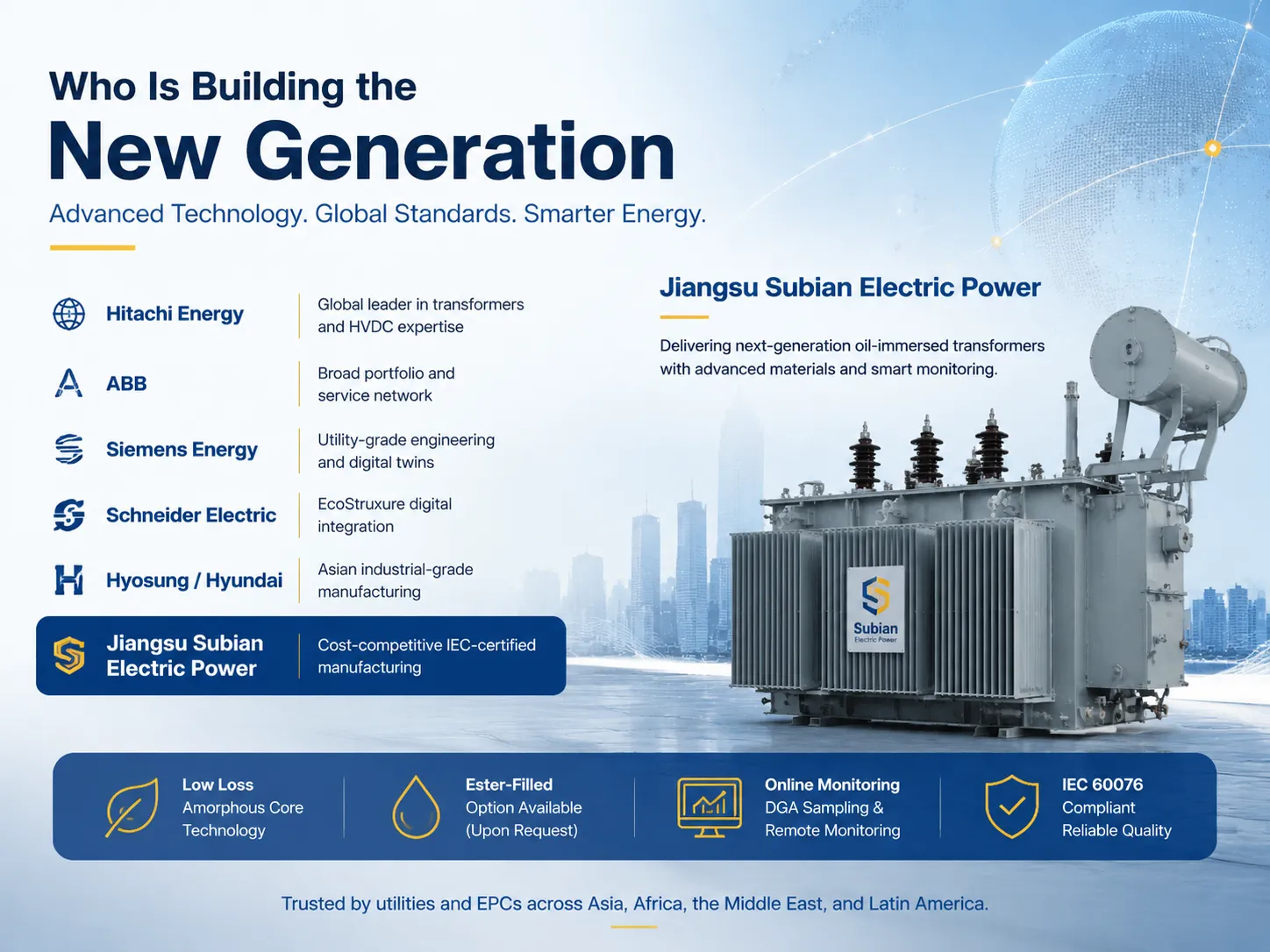
من يبني الجيل الجديد
| العلامة التجارية | القوة الرئيسية | التركيز |
|---|---|---|
| هيتاشي للطاقة | رائد عالمي في المحولات وخبرة HVDC | محولات الطاقة الكبيرة، المراقبة الرقمية |
| ABB | مجموعة واسعة من المنتجات وشبكة خدمات | محولات التوزيع والطاقة |
| سيمنز للطاقة | هندسة بمستوى المرافق والتوائم الرقمية | محولات الطاقة، حلول الشبكة |
| شنايدر إلكتريك | تكامل رقمي EcoStruxure | محولات التوزيع، الشبكة الذكية |
| هيونداي / هيونغسونغ | تصنيع صناعي من الدرجة الآسيوية | محولات الطاقة، اعتماد المواد غير المتبلورة |
| شركة جيانغسو سوبين للطاقة الكهربائية | تصنيع معتمد من IEC بتكلفة تنافسية | محولات التوزيع والطاقة المغمورة بالزيت |
خبرة الشركات في البحث، وعقود من التشغيل، وتغطية الخدمة التي لا مثيل لها لا تضاهى. في الوقت نفسه، أصبحت القدرة على استخدام تكنولوجيا الجيل الجديد من حيث التصنيع، وهي تقنيات التكديس غير المتبلور، والتعبئة بالاستر، وتكامل المراقبة عبر الإنترنت متاحة في العديد من المصانع حول العالم. بسبب ذلك، يمكن للعملاء اليوم طلب النماذج الرائدة من العلامات التجارية التي كانت غير معروفة قبل عقد من الزمن.
من بين هذه العلامات التجارية هي شركة جيانغسو سوبين للطاقة الكهربائية، وهي شركة صينية متخصصة في المحولات المغمورة بالزيت. لقد طبقت المنظمة التكنولوجيا الجديدة لجميع المنتجات المتوافقة مع IEC 60076. تصنع سوبين وتقدم أحدث المحولات الموزعة ذات الخسائر المنخفضة والنواة غير المتبلورة، ونماذج السوائل الاسترية المتاحة عند الطلب، ووحدات أخذ عينات DGA والمراقبة عن بُعد الجاهزة. تجعل التقدم التكنولوجي للشركة والأسعار التصديرية الجذابة الشركة بديلاً جذابًا للمرافق وشركات EPC في جميع أنحاء آسيا وأفريقيا والشرق الأوسط وأمريكا اللاتينية. تفاصيل نطاقهم والشهادات متاحة على subian-electric.com.
كيف يجب على المرافق اعتماد هذه التقنيات
- قسم الأسطول إلى مجموعات. استخدم المحولات غير المتبلورة للأساطيل التي تواجه عامل تحميل مرتفع (على سبيل المثال 24/7 الصناعية والتجارية، بينما استخدم CRGO من الدرجة الممتازة للآخرين). الأداء في توفير الطاقة يتناسب طرديًا مع عدد ساعات التشغيل.
- دع استخدام الاسترات يكون مدروسًا جيدًا. استخدم السوائل الاسترية عندما تفوق لوائح الحريق المحلية، والتركيب الداخلي والاعتبارات البيئية السعر.
- استخدم طبقات من الأجهزة لأغراض المراقبة. DGA العامة لوحدات 10 MVA وما فوق، بينما DGA السنوي أو أنظمة الإنذار البسيطة للباقي. ليس من الضروري تجهيز جميع المحولات بتوريد بيانات مستمر.
- حدد متطلبات رأس المال للخسائر في العطاءات. إذا كانت تعريفتك $0.08/kWh وعمر الخسائر 25، فإن الفائز هو من يأخذ في الاعتبار الخسائر بدلاً من السعر.
- “اختبر النظام” تجريبيًا. اقضِ 12-24 شهرًا في التشغيل التجريبي الموصوف في الجزء الافتتاحي. يجب أن تحدد البيانات التي تم الحصول عليها سياسة الأسطول بدلاً من أي حجج من البائعين.
الأسئلة المتكررة
كم يكلف المحول ذو النواة غير المتبلورة مقارنةً بالمحول التقليدي؟
تكلف المحولات غير المتبلورة حوالي 20 إلى 30% أكثر من وحدات S11 التقليدية بنفس التصنيف. على سبيل المثال، يمكن أن يتراوح سعر المحول غير المتبلور بقدرة 1,000 kVA من $18,000 إلى $28,000 FOB بينما يمكن أن يتراوح سعر S11 التقليدي بين $14,000 و$22,000. ومع ذلك، يمكن تحقيق فترة الاسترداد من خلال تقليل الخسائر غير المحملة بحوالي 60 إلى 70% خلال 6-12 عامًا وفقًا لأسعار الكهرباء.
هل المحولات المملوءة بالاستر أكثر أمانًا حقًا من وحدات الزيت المعدني؟
بالفعل، عند الحديث عن سلامة الحريق، فإن نقطة حريق الزيت المعدني حوالي 160 درجة مئوية بينما نقاط حريق الاسترات الطبيعية والاصطناعية تتجاوز 300 درجة مئوية، مما يلبي شروط نقطة الحريق العالية من الفئة K وفقًا لـ IEC 61039. بالإضافة إلى ذلك، تتمتع الاسترات بقدرة أفضل على التحلل البيولوجي وتسمح بمحتوى رطوبة أعلى في الورق، مما يجعل عملية الشيخوخة تدخل المنطقة غير المتوقعة. العيوب الرئيسية هي السعر النسبي المرتفع للسوائل ولزوجتها الأعلى في ظروف درجات الحرارة المنخفضة.
كم يكلف مراقبة DGA عبر الإنترنت؟
اعتمادًا على التطبيق وتعقيد الآلات التي يتم مراقبتها، قد يتراوح السعر من حوالي $1,500 – $4,000 لجهاز مراقبة غاز الهيدروجين الفردي في التوزيع إلى $15,000 – $40,000 لنظام DGA متعدد الغازات عبر الإنترنت بالكامل الذي يوفر إنذارات على محول طاقة مصنف بحوالي 10-30 MVA.
الاقتصاديات منطقية لأن سعر حتى أبسط المعدات عادة ما يكون مبررًا من خلال الاقتصاديات المتعلقة بتجنب عطل غير مخطط له واحد.
هل تحتوي النوى غير المتبلورة على عيوب؟
كمية صغيرة. التعامل مع الشريط غير المتبلور هش أثناء تكديس النوى، مما يجعل من الضروري ضمان مراقبة الجودة. نسبة التشويه المغناطيسي تزداد قليلاً، مما يزيد من مستوى الصوت بعدة ديسيبل ويجب تعويضه بمعالجة الخزان. بالإضافة إلى ذلك، تظل الوحدات الأكبر نادرة: معظم النوى غير المتبلورة المتاحة تجاريًا لا تتجاوز سعتها 2500 kVA – مع توفر النوى الأكبر فقط من خلال الطلب الخاص.
كم من الطاقة تهدر المحولات عالميًا؟
وفقًا للتقديرات، يتم فقد حوالي 1.5%-2% من إجمالي الكهرباء المولدة أثناء النقل وعند المرور عبر المحولات الكهربائية. يؤدي هذا الفقد إلى ملايين الدولارات من الخسائر غير الضرورية لشركات المرافق، مما يجعل تنظيم الكفاءة والتقنيات الجديدة التي تم مناقشتها في هذا السياق تجعل الصناعة أكثر صرامة.
المراجع
- لائحة التصميم البيئي للاتحاد الأوروبي 548/2014 وتعديل 2019/1783 — متطلبات الحد الأدنى من الكفاءة التي دفعت سوق المحولات الحديثة في أوروبا.
- معايير كفاءة المحولات من وزارة الطاقة الأمريكية (10 CFR Part 431) — مستويات الكفاءة الدنيا الإلزامية لمحول التوزيع.
- IEC 60422: الزيوت العازلة المعدنية – إرشادات الإشراف والصيانة — إدارة جودة الزيت للمحولات.
- IEEE C57.104: تفسير الغازات الناتجة في المحولات المغمورة بالزيت — معيار تفسير DGA المستخدم من قبل المراقبين عبر الإنترنت.
- IEC 61039: تصنيف السوائل العازلة — تصنيف السوائل المحولة المعتمد على نقطة الاشتعال بما في ذلك استرات الفئة K.
- تقارير كفاءة الطاقة IEA — السياق العالمي حول اتجاهات كفاءة المعدات الكهربائية والسياسات.
- الموقع الرسمي لشركة جيانغسو سوبين للطاقة الكهربائية — منتجات المحولات المغمورة بالزيت ذات الخسائر المنخفضة والأمورية والشهادات.
الخاتمة
التقدم في تكنولوجيا المحولات المغمورة بالزيت من أنواع مختلفة — النوى الأمورية، السوائل الاسترية، DGA عبر الإنترنت، والتحسينات في التصميم — ليست مجرد ابتكارات تكنولوجية جديدة. لقد تم تجربتها واختبارها في الممارسة العملية، مع الأخذ في الاعتبار التكاليف، وأصبحت مطلوبة بشكل متزايد من قبل اللوائح. العلاقة بين هذين النوعين من الابتكارات هي نفسها من حيث الاقتصاد: من خلال إنفاق القليل من المال، توفر كل تقنية مذكورة أعلاه المال وتساهم في تقليل الخسائر والمتوسطات والمخاطر والنفقات. النقاط الرئيسية هي:
- تسمح لنا النوى الأمورية بتقليل خسائر عدم التحميل بنسبة 60-70% مع زيادة قدرها 20–30% في السعر.
- تجعل السوائل الاسترية السلامة من الحرائق ممكنة مع تقدم أبطأ في شيخوخة الورق مع دفع إضافي قدره $3,000-$8,000 دولار أمريكي لكل 1,000 kVA من سعة المحول.
- المراقبة عبر الإنترنت، في معظم الحالات، تعود بالنفع على نفسها بسبب منع فشل غير مخطط له واحد فقط.
- يجب أن تستند القرار بشأن التكنولوجيا التي يجب شراؤها على قيمة التوفير المفقود وليس على سعرها.
مع المحولات من Jiangsu Subian Electric Power، سيكون لدى شركات الكهرباء ومطوري البناء الوصول إلى أحدث التقنيات بأسعار معقولة جداً.