


في حديقة صناعية تتطور بسرعة بالقرب من مدينة هو تشي منه، يقوم مقاول بترتيب توصيل الأسلاك لـ 50 مصنعًا في فترة لا تسمح بأي أعمال مدنية تستمر عامًا كاملًا. بدلاً من بناء محطة فرعية تقليدية من الخرسانة، تستخدم المرافق محطة فرعية حاوية، تتكون من وحدة مدمجة تم تجميعها في المصنع، يتم تسليمها على شاحنة، وتوضع على لوح خرساني بحلول الظهر، وتدخل حيز التشغيل بحلول نهاية الأسبوع. بعد عامين، عندما يتعين على مصنع النسيج مضاعفة طاقته من 800 إلى 1600 كيلوفولت أمبير، يتعين على المرافق فقط تبديل الحاويات وإعادة اختبار الأسلاك لإنهاء هذا العمل في يوم واحد.
المحطات الفرعية الحاوية، المتاحة بتصاميم وتكوينات مختلفة، ظهرت كمراكز طاقة مدمجة في أنظمة إمداد الطاقة الحديثة وقد وجدت تطبيقات واسعة في المناطق الحضرية، والمواقع الصناعية، ومحطات الطاقة المتجددة، ومشاريع الكهرباء الريفية.
للتلخيص: تُعرف المحطة الفرعية الصندوقية بأنها محطة فرعية مسبقة التجميع أو مدمجة وهي نوع مجمع من المحطات الفرعية. تحتوي على محول (50 إلى 2500 كيلوفولت أمبير)، معدات تبديل جهد متوسط (RMU أو قاطع، 12 إلى 36 كيلوفولت)، معدات تبديل جهد منخفض، أجهزة قياس، وأنظمة مساعدة في حاوية واحدة معتمدة وفقًا للمعيار IEC 62271-202. تحتاج إلى وقت قصير للتسليم والتركيب؛ لذلك، يتم تقييمها بشكل عالٍ كمركز طاقة مدمج.
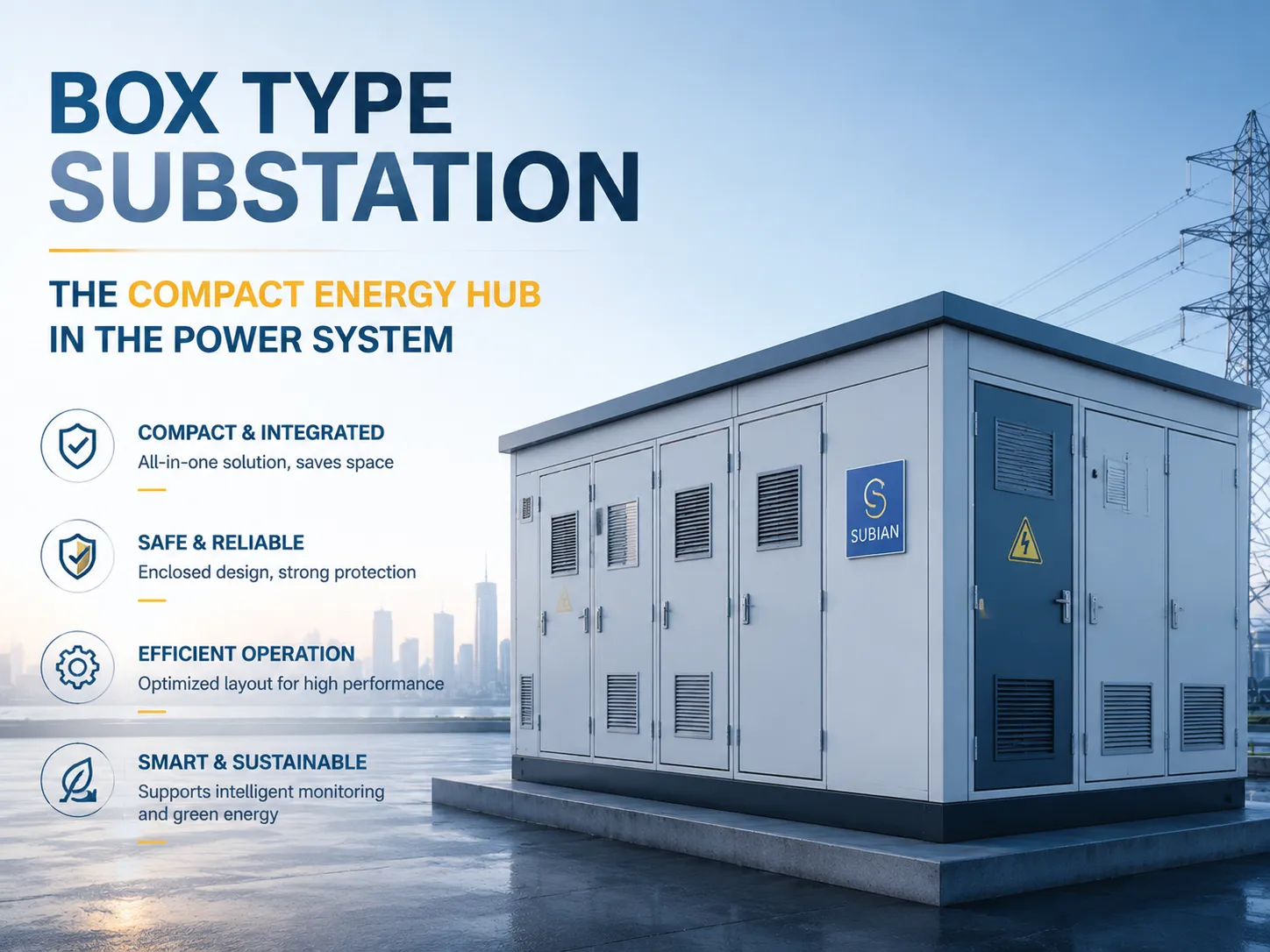
ما هي المحطة الفرعية من نوع الصندوق؟
المحطة الفرعية من نوع الصندوق هي وحدة شاملة تم بناؤها في المصنع وبيعها لتلبية وظيفة محطة التوزيع. تتميز بمستويات عالية من تكامل جميع العناصر مثل المحول، معدات تبديل الجهد المتوسط، بالإضافة إلى معدات تبديل الجهد المنخفض، المرحلات الحماية، والمعدات الخاصة بالقياس وأنظمة فرعية أخرى.
الاسم يأتي من الحاوية، التي مصنوعة من الفولاذ أو الفولاذ المقاوم للصدأ. كما يتم تعريف الأبعاد بأنها 2.4–3.0 م عرضًا و4–12 م طولًا.
| الميزة | محطة فرعية من نوع الصندوق | محطة فرعية تقليدية |
|---|---|---|
| بناء | حاوية مصنوعة في المصنع | مبنية في الموقع من الطوب/الخرسانة |
| وقت التركيب | 2–5 أيام | 4–12 أسبوعًا |
| اختبار | وحدة كاملة مختبرة في المصنع | مجمعة في الموقع، جزئيًا غير مختبرة |
| إعادة التوطين | نعم — رفع ونقل | لا |
| بصمة الأرض | صغيرة، مدمجة | كبيرة، مع طرق وصول |
| تكلفة رأس المال | أقل بشكل عام | أعمال مدنية أعلى |
في حالة المرافق والمطورين، ليست المحطة الفرعية من نوع الصندوق مجرد تقنية بناء أخرى. بل هي طريقة جديدة لتقديم المشروع، مما يسمح بإزالة مراقبة الجودة من موقع البناء وإجراءها بدلاً من ذلك في المصنع.
لماذا هي مركز الطاقة المدمج
تُعرف المحطات الفرعية من نوع الصندوق بأنها مراكز طاقة مدمجة حيث يتم تنفيذ جميع وظائف محطة التوزيع في مراكز كهربائية مدمجة ضمن بضع عشرات من الأمتار المربعة. العوامل الأربعة التي تساهم في كفاءتها في أنظمة الطاقة اليوم هي:
- التوقيت: يمكن أن تستغرق كهرباء آلة من نوع الصندوق أيامًا وليس شهورًا، وهو أمر حاسم للمناطق الصناعية، وتسريع تطوير المشاريع السكنية الجديدة واستعادة الكهرباء بعد الكوارث.
- التكلفة: استبعاد الأعمال المدنية وتنسيق عدة مقاولين عادة ما يقلل من التكلفة الإجمالية المثبتة بنسبة 20 إلى 40% مقارنةً بالحلول ذات السعة المماثلة.
- المرونة: يمكن نقل هذه الآلات وإعادة تشكيلها اعتمادًا على تغييرات نمط الحمل، وهو ما لا توفره المباني الثابتة.
- جودة المصنع: تشير الاختبارات النوعية مع الإغلاق الكامل (وفقًا لـ IEC 62271-2020) إلى أن أداء الوحدة فيما يتعلق بالسخونة الزائدة، والقصور، وخصائص العزل قد تم اختباره بحلول الوقت الذي تصل فيه الآلة إلى الموقع.
نتيجة لذلك، يتم تمثيل القدرة الحديثة للتوزيع بشكل أساسي بواسطة محطات التحويل من النوع الصندوقي في جميع أنحاء العالم.
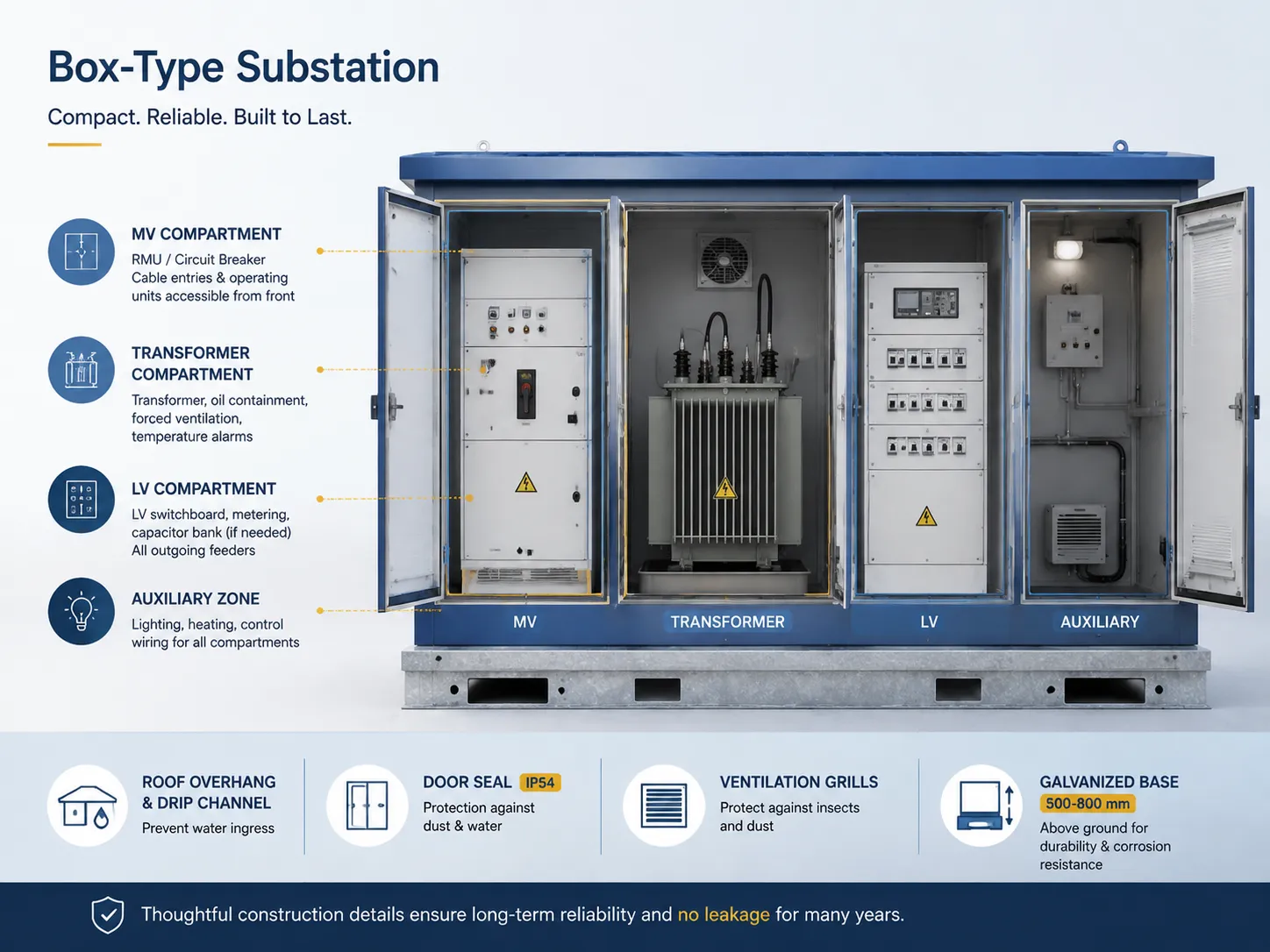
الهيكل والتخطيط الداخلي
تحتوي محطات التحويل من النوع الصندوقي العادية على ثلاث أو أربع حجرات لأداء وظائف معينة، مفصولة بواسطة جدران ومنظمة بطريقة تجعل لكل حجرة باب خاص بها ويمكن الوصول إليها من الخارج أيضًا:
- حجرة الجهد المتوسط، بما في ذلك وحدة الحلقة الرئيسية (RMU) أو معدات قواطع الدائرة حيث تقع مدخلات الكابلات؛ جميع وحدات التشغيل اللازمة، بما في ذلك مقبض التشغيل، والأقفال، والمؤشرات متاحة من الجانب الأمامي للحجرة.
- حجرة المحول التي تحتوي على محول مع احتواء الزيت، ونظام تهوية قسري، وإنذارات درجة الحرارة؛ الباب مرتبط بفصل الجهد المتوسط إذا لزم الأمر.
- حجرة الجهد المنخفض، التي تحتوي على لوحة توزيع الجهد المنخفض، والقياس، ومصرف المكثفات، إذا لزم الأمر؛ جميع المغذيات الخارجة تنتهي في هذه الحجرة.
- المنطقة المساعدة، التي تشمل الإضاءة، والتدفئة، والأسلاك التحكم الموزعة في جميع أنحاء الحجرات.
تفاصيل البناء التي تساهم في الموثوقية على المدى الطويل هي كما يلي: بروز السقف وقناة التنقيط، وختم الباب IP54، وشبكات التهوية التي تحمي من عمل الحشرات والغبار، وقاعدة مجلفنة بالغمس الساخن مرتفعة 500-800 مم فوق سطح الأرض. هذه التفاصيل تسمح بتحديد ما إذا كانت الوحدة لا تتسرب حتى بعد خمسة عشر عامًا أو تبدأ بالتسرب بعد السنة الثانية من التشغيل.
الأنواع والتكوينات
تصنف محطات التحويل من النوع الصندوقي حسب ترتيب التركيب، ومواد الإغلاق، ونوع معدات التبديل:
| التصنيف | المتغيرات | التطبيق النموذجي |
|---|---|---|
| التركيب | مثبتة على الأرض / مثبتة على قاعدة | التوزيع الحضري، والصناعي، والريفي |
| مادة الإغلاق | الصلب الكربوني (مطلي)، الفولاذ المقاوم للصدأ، GRP/مركب | المواقع الساحلية/التآكلية تستخدم الفولاذ المقاوم للصدأ أو المركب |
| معدات الجهد المتوسط | RMU (SF6 أو معزولة صلبة)، مفتاح فصل الحمل، قاطع فراغ | RMU لشبكات الحلقة/الحلقة؛ قاطع لتغذيات صناعية كبيرة |
| المحول | محول مغمور بالزيت أو نوع جاف | نوع جاف للاستخدام الداخلي / حساس للنار؛ زيت للاستخدام العام |
| التكوين | وحدة واحدة، متتالية (محول + أقسام معدات التبديل)، محطة فرعية صغيرة | وحدات صغيرة للأحمال الريفية وأحمال التركيب على الأعمدة |
في أمريكا الشمالية، العائلة المماثلة هي محطة المحول المثبتة على القاعدة، والتي تخضع لمعيار IEEE C57.12.27 وتستخدم عادةً تقنية الجبهة الميتة للسلامة. يجب على المشترين توافق منتجاتهم مع المعايير اللازمة حسب منطقة الاستخدام؛ IEC 62271-202 لمعظم أسواق التصدير، IEEE C57.12 للولايات المتحدة وأجزاء من أمريكا اللاتينية.
محطة فرعية من نوع صندوق مقابل محطة فرعية تقليدية
الاختيار بين محطة فرعية من نوع صندوق ومحطة فرعية تقليدية يعتمد على قيود المشروع. جدول القرار:
| عامل القرار | اختر نوع صندوق عندما | اختر التقليدي عندما |
|---|---|---|
| الجدول الزمني | الاتصال بالشبكة مطلوب خلال أسابيع | الجدول الزمني للبناء مرن |
| الأرض | المساحة محدودة، الأرض مكلفة | الأرض متاحة ورخيصة |
| عدم اليقين في النمو | قد ينمو الحمل أو ينتقل | الحمل مؤكد وطويل الأجل |
| البيئة | المناطق الساحلية، التآكل، المعرضة للفيضانات | موقع داخلي غير ضار |
| ثقافة الصيانة | المواقع النائية، المهارات المحلية المحدودة | ورشة عمل خدمات جيدة التوظيف |
| توفر رأس المال | التكلفة الإجمالية المثبتة هي القيد | تكلفة التشغيل طويلة الأجل تهيمن |
في الواقع، لا تزال الطريقة التقليدية تسود في المحطات الفرعية المتصلة بالشبكة ومراكز التوزيع الكبيرة جدًا، ولكن المزيد والمزيد من التوزيع الحضري والمتجدد الجديد يستخدم حلول نوع الصندوق. لقد شهد الاتجاه نحو التصنيع المسبق اتجاهًا تصاعديًا لأكثر من عقد.
مجالات التطبيق الرئيسية
هناك أربعة قطاعات تطبيق رئيسية لمحطات الصندوق.
- التوزيع الحضري والتجاري. تضمن هذه المحطات تشغيل المناطق السكنية، والمراكز التجارية، والمباني المكتبية الشاهقة، وشبكات الشوارع. تجعل سرعة التركيب والتصميم المدمج لهذه المحطات مثالية للمناطق الحضرية.
- الحدائق الصناعية. هنا تتلقى كل مصنع أو مجموعة من المصانع محطة فرعية واحدة. يمكن زيادة سعة محطة الصندوق من 400 kVA إلى 1,600 kVA.
- محطات توليد الطاقة المتجددة. عادةً ما تستخدم محطات الطاقة الشمسية العديد من محطات الصندوق للحفاظ على تشغيل العاكسات. تستخدم محطات الطاقة الريحية هذه التقنية لربط التوربينات الكهربائية بخطوط الشبكة.
- الكهرباء الريفية. في المناطق الريفية، تغطي محطات الصندوق الطلب على الكهرباء من القرى والأعمال الزراعية بتكاليف منخفضة نسبيًا.
في جميع الحالات، تؤدي المحطة الفرعية نفس الوظيفة الأساسية كمركز للطاقة الكهربائية: تستقبل إمدادات الطاقة، تعالجها بالطريقة المطلوبة، تؤمن الإمداد في الشبكة، وتوفر استهلاك الكهرباء المناسب - كل ذلك داخل المحطة الفرعية.
المعايير والاختبارات
المعايير التي تحدد جودة وسلامة محطة الصندوق:
| معيار | النطاق | المتطلبات الرئيسية للمشترين |
|---|---|---|
| IEC 62271-202 | محطات المحولات مسبقة الصنع | اختبارات النوع لوحدات كاملة: ارتفاع درجة الحرارة، دائرة قصيرة، عزل |
| IEC 60076 | محولات الطاقة | تصنيف المحول، الخسائر، الاختبارات الروتينية / النوعية |
| IEC 60529 | حماية غلاف IP | IP54 كحد أدنى للوحدات الخارجية؛ IP55 حيث يوجد خطر رذاذ الماء |
| IEC 62271-200 | معدات مفاتيح معدنية محكمة | متطلبات السلامة والاختبار لـ RMU |
| IEEE C57.12.27 | سلامة معدات التثبيت على القاعدة (أمريكا الشمالية) | بناء الجبهة الميتة ومقاومة العبث |
واحدة من الاختبارات الرئيسية التي تُجرى على الحاوية هي اختبار ارتفاع درجة الحرارة IEC 62271-202 الذي يضمن أن المحول لا يتجاوز حدود درجة حرارة العزل أثناء التشغيل بكامل طاقته. بعبارة أخرى، في البيئات الحارة، يختلف الأداء الفعلي للموردين الذين يجريون اختبارات على المحولات فقط دون حاويات عن أولئك الذين يجرون اختبارات مع الحاويات.
التكاليف ونطاقات الأسعار
تتفاوت الأسعار الإرشادية لمحطات التحويل من نوع الصندوق الكامل (معدات RMU، محول مغمور بالزيت، لوحة LV) حسب التصنيف، ومعدات التحويل، وفئة الفقد، ومواد الحاوية:
| التصنيف | فئة الجهد | السعر النموذجي (دولار أمريكي) | وقت التسليم |
|---|---|---|---|
| 400–630 كيلو فولت أمبير | 10–35 كيلوفولت | $7,000–$20,000 | 6–12 أسبوعًا |
| 800–1,250 كيلو فولت أمبير | 10–35 كيلوفولت | $11,000–$33,000 | 8–14 أسبوعًا |
| 1,600–2,500 ك.ف.أ | 10–35 كيلوفولت | $24,000–$60,000 | 10–18 أسبوع |
زيادة الأسعار بنسبة 15-30% للحاويات المصنوعة من الفولاذ المقاوم للصدأ، و10-20% للمحولات من النوع الجاف، وإضافة 800-3000 دولار أمريكي للميزات الإضافية، والتي تشمل ترقيات القياس والمراقبة. تُعطى الأسعار كـ FOB وتتأثر بالعديد من العوامل — المواصفات، العلامات التجارية، المناطق. لا تنسَ أبدًا طلب تقدير الفقد عند طلب عروض الأسعار.
أفضل العلامات التجارية ومقارنة الأسعار
تشمل صناعة محطات التحويل من نوع الصندوق اللاعبين الرائدين في مجال الكهرباء في العالم بالإضافة إلى التخصص المحدود في مجال تصنيع الوحدات الجاهزة. تُعطى بيانات الأسعار لمحطة التحويل 1,000 kVA، 33/0.4 kV التي تضم RMU ولوحة LV في الجدول الموضح أدناه.
| العلامة التجارية | الدولة | نقاط قوة المحطة الفرعية المدمجة | السعر الإرشادي (دولار أمريكي) |
|---|---|---|---|
| شنايدر إلكتريك | فرنسا | تكامل RMU ونطاق المحطات الفرعية المدمجة العالمية | $22,000–$38,000 |
| سيمنز | ألمانيا | خيارات رقمية، أنظمة حماية متكاملة | $23,000–$40,000 |
| ABB | سويسرا | مجموعة واسعة، مراجع قوية من المرافق | $22,000–$39,000 |
| إيتون | الولايات المتحدة الأمريكية | قوة السوق في أمريكا الشمالية والتركيب على القاعدة | $20,000–$36,000 |
| ZPUE / AUSY (المتخصصون) | أوروبا | هندسة المحطات الفرعية الجاهزة المخصصة | $22,000–$45,000 |
| شركة جيانغسو سوبين للطاقة الكهربائية | الصين | وحدات IEC 62271-202، خيارات المحولات الزيتية/الجافة، OEM | $11,000–$33,000 |
تقدم الشركات متعددة الجنسيات ضمانات للعلامات التجارية، تتراوح من أعمدة RMU الناضجة إلى منظمات الخدمة في جميع أنحاء العالم؛ هذه العوامل هي التي تمكنهم من الفوز بمعظم العطاءات حيث توجد متطلبات عالية لتغطية التأمين. تحتل شركة جيانغسو سوبين للطاقة الكهربائية مرتبة بين فئة الأسعار المنخفضة، حيث تقدم محطات تحويل من نوع الصندوق متوافقة مع IEC 62271-202 مع خيارات متنوعة للمحولات (مغمورة بالزيت/جافة)، ومعدات التبديل (RMU/قاطع)، وأغلفة (مطلي/فولاذ مقاوم للصدأ/مركب) بأسعار تتراوح حوالي 40-55% من الأسعار الأوروبية. بالنسبة للشركات التي تستخدم محطات تحويل مدمجة في عملياتها، تعتبر سوبين، مع مزيج من شهادة IEC، واختبارات المصنع، وخبرة التصدير، وقدرات تخصيص OEM، خيارًا تنافسيًا للغاية مقارنة باللاعبين في السوق الدولية.
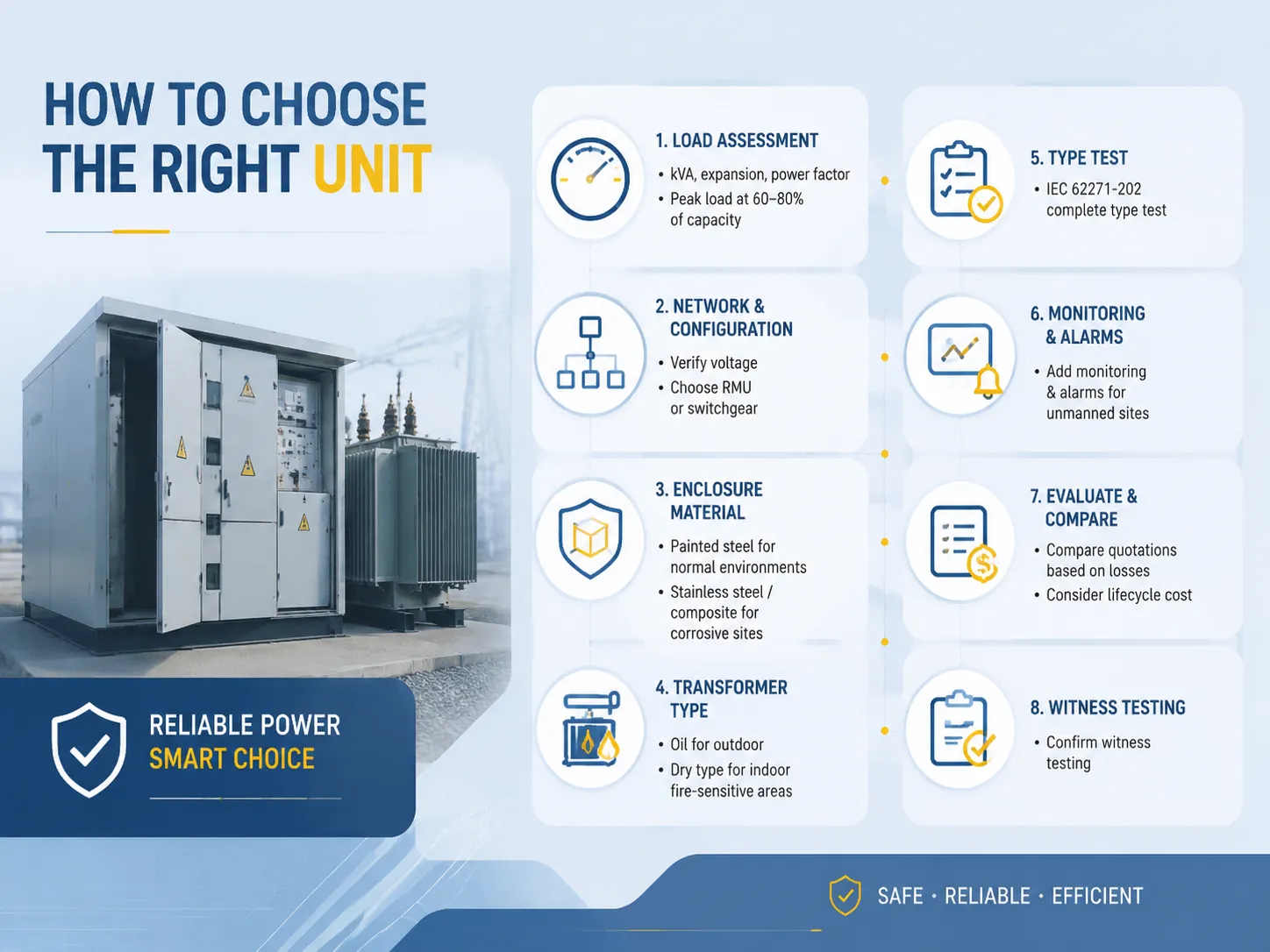
كيفية اختيار الوحدة المناسبة
- تحديد الحمل: حاليًا kVA، خطط التوسع، وعامل القدرة - تأكد من أن الحمل الأقصى يتراوح بين 60-80% من سعة المحول.
- تحقق من جهد الشبكة ونوع التكوين (حلقي، شعاعي، مزدوج التغذية، إلخ) لاختيار RMU أو معدات التبديل.
- قرر مادة الغلاف وفقًا للبيئة: فولاذ كربوني مطلي للمواقع غير العدوانية؛ فولاذ مقاوم للصدأ أو مادة مركبة للمواقع الساحلية/التآكلية.
- تحديد نوع المحول وفقًا لمتطلبات الحريق: محول معزول بالزيت للهواء الطلق، محول جاف للمواقع الحساسة للحريق الداخلية.
- تأكد من إجراء اختبار IEC 62271-202 لاختبار نوع المعدات بالكامل.
- أضف أنظمة مراقبة وإنذارات للمواقع غير المأهولة.
- قارن العروض بناءً على خسائر التقييم وأكد اختبار الشهادة.
الأسئلة المتكررة
كم يكلف محطة تحويل من نوع الصندوق؟
وفقًا لسعة الوحدة، يختلف سعر المحول بشكل كبير. على سبيل المثال، يمكن أن يكلف محول بسعة 400 إلى 1000 kVA ما بين $7,000 إلى $33,000. وبالمثل، يمكن أن يتراوح سعر المحول ضمن حجم 1,600 إلى 2,500 kVA من $24,000 إلى $60,000. يمكن أن يكلف الفولاذ المقاوم للصدأ كمادة إما 15-30% من التكلفة الإجمالية للمحول، بينما تطلب الوحدات الجافة 10-20% كرسوم إضافية بينما ستكلفك ترقيات المراقبة $800-$3,000.
كم من الوقت تستغرق عملية التثبيت؟
بشكل عام، تتراوح فترة تركيب قاعدة خرسانية حوالي 2 إلى 5 أيام، بما في ذلك استخدام الرافعة، والتركيب، والتثبيت، وإنهاء الكابلات، وعملية التشغيل. على العكس، تتطلب محطة تحويل تقليدية من أربعة إلى اثني عشر أسبوعًا من التركيب. بفضل نهج اختبار المصنع، تكون مشكلات التشغيل نادرة، شريطة أن تكون الكابلات في الموقع موضوعة وأن تكون القاعدة قد تم بناؤها وفقًا لتوصيات المورد.
هل يمكن نقل محطة تحويل من نوع الصندوق أو زيادة حجمها لاحقًا؟
بالتأكيد - هذه واحدة من فوائدها الرئيسية. يمكن نقل المحول، وإعادة توطينه، وتشغيله في موقع، بينما يمكن تثبيت وحدة أكبر في الغلاف مع محول أصغر. تعمل هذه المرونة بشكل جيد للصناعات والمدن التي تتطور بسرعة.
ما الفرق بين محطة تحويل من نوع الصندوق ومحولة مثبتة على قاعدة؟
إنهما أقارب إقليميون. محطة التحويل من نوع الصندوق (IEC 62271-202) تضم معدات التبديل ذات الجهد المتوسط، المحولة، ومعدات التبديل ذات الجهد المنخفض في وحدة واحدة وتوجد في الغالب في جميع أنحاء أوروبا وآسيا والشرق الأوسط وأفريقيا. بينما المحولة المثبتة على القاعدة (IEEE C57.12، أمريكا الشمالية) هي تقليديًا وحدة مستقلة مع وصلات أمامية ميتة على القاعدة.
ما الاختبارات التي يجب أن أطلبها قبل قبول محطة تحويل من نوع الصندوق؟
يجب أن تخضع المحولة للاختبارات الروتينية وفقًا لـ IEC 60076، بالإضافة إلى اختبارات معدات التبديل واختبار الوحدة الكاملة وفقًا لـ IEC 62271-202 عند الحاجة. يجب أن تشمل هذه الأمور اختبارات ارتفاع درجة الحرارة عندما يتم توفير العلبة، واختبارات مقاومة الدائرة القصيرة، واختبارات العزل. إذا كانت الطلبية لمواد مُصدرة، تأكد من طلب إجراء ملاحظة واختبار المصنع قبل الشحن.
المراجع
- IEC 62271-202 — معدات الجهد العالي: محطات المحولات مسبقة الصنع — المعيار الحاكم لتصميم محطة التحويل من نوع الصندوق، والسلامة، واختبار النوع.
- سلسلة IEC 60076 - محولات الطاقة — المعيار الأساسي للمحولات المثبتة داخل وحدات من نوع الصندوق.
- IEC 62271-200 — معدات التبديل المعدنية المغلقة بجهد متوسط — المتطلبات لمقصورات RMU والقواطع.
- IEC 60529 — درجات الحماية المقدمة بواسطة الأغطية (رمز IP) — يحدد تصنيفات العلبة IP54/IP55.
- IEEE C57.12.27 — سلامة غلاف المعدات المثبتة على القاعدة — متطلبات الشمال الأمريكي للواجهة الميتة ومقاومة العبث.
- NEMA — معايير المحولات الموزعة المثبتة على القاعدة — إرشادات التطبيق والتصنيف لمعدات المحطات الفرعية المدمجة في الأمريكتين.
- Jiangsu Subian Electric Power — الموقع الرسمي — الشركة المصنعة والمصدرة لمحطات التحويل من نوع الصندوق IEC 62271-202.
الخاتمة
تُعرف محطات التحويل من نوع الصندوق بأنها مركز طاقة في توزيع الطاقة الحديثة بسبب سرعتها الفائقة، وقيمتها الاقتصادية، وقابليتها للتكيف، وجودتها الجيدة مقارنةً بتركيبات المحطات الفرعية التقليدية. يتم تسليم حزمة المحطة الفرعية الكاملة بما في ذلك معدات التبديل ذات الجهد المتوسط، المحولة، معدات التبديل ذات الجهد المنخفض، القياس، والحماية مُجمعة مسبقًا وجاهزة للتثبيت. يمكن تثبيت المحطة في غضون أيام ويمكن نقلها أو تكبيرها بمجرد توسع شبكة الطاقة.
النقاط الرئيسية:
- اختر حجم المحولة الذي يمكنه تحمل حمل ذروة يتراوح بين 60-80%؛ يأتي اختيار RMU أو القاطع مع اعتبارات الشبكة.
- اختر بناءً محكمًا ضد الماء (فولاذ مقاوم للصدأ أو مركب) مصمم إما للبيئات الساحلية أو التآكل.
- يحتاج هذا النوع من المعدات إلى الخضوع لاختبارات IEC 62271-202 وليس فقط اختبارات المحولات.
- عند اختيار بعض المنتجات، ضع في اعتبارك الخسائر الاقتصادية. لا تتردد في طلب شهادة اختبار المصنع، إذا كانت ذات صلة بالنسبة لك.
- الموردون الأكثر شيوعًا هم شنايدر، سيمنز، وABB.