


Every electric grid’s silent hero is definitely the power transformer. It seldom gets any attention but no substation, factory, wind turbine park, or city block can function without it. At the moment, this essential piece of equipment is going through one of the greatest transformation phases in its long-time existence. The course of the global energy transition, toughening of energy efficiency regulations as well as the growing importance of digital technologies are making the transformer evolve even from a simple iron and copper device into a smart, environmentally-friendly, and highly-evolved product. As a conscious manufacturer from the power-electric industry, Subian Electric Power presents our opinion on the trends amongst the new transformer’s reality and their importance for our clients and partners that need dependable electricity.
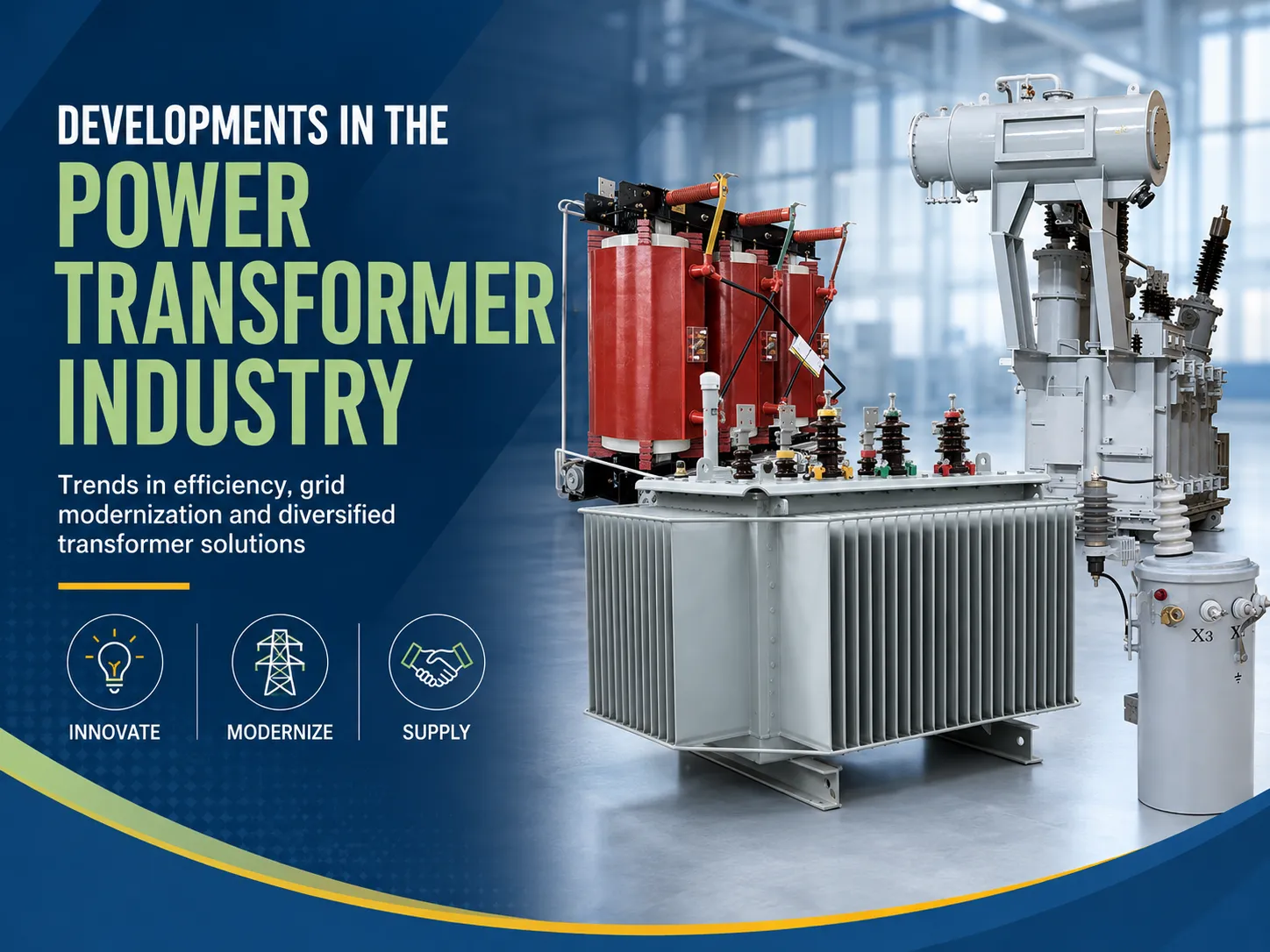
A Grid Under Pressure: Why Transformers Are Changing
In order to comprehend the future of the transformer industry, it is necessary to examine how the grid works. Throughout most of the 20th century, electricity used to be produced at large, centralized power stations and then transported to various customers. Load patterns were well-established and predictable, electrical generation was relatively stable, and transformers had no complicated tasks. That reality is now on its way to disappearing. Electric power is generated by alternative sources such as solar and wind plants, battery storage, and electric vehicles and, consequently, electricity flows in both directions through the grid nowadays.
This new reality brings unprecedented load challenges for transformers, which have to be capable of absorbing varying load levels, dealing with harmonics generated by electronic equipment, and responding to different heating and cooling fluctuations caused by intermittent renewable energy generation. However, at the same time, utilities and industrial clients are demanding the highest reliability from transformers because the consequences of power outages have never been so significant. Therefore, it is clear that manufacturers have to provide a smarter and more efficient transformer that will fit the requirements of a new type of power system.
Trend One: Energy Efficiency Becomes Non-Negotiable
The first important trend is the relentless growth of energy efficiency. Since transformers work constantly, even minor losses in their operations result in huge amounts of wasted energy. This phenomenon has attracted the attention of regulators worldwide, resulting in stricter efficiency standards for devices of this type. Moreover, clients now analyze transformers based on their total cost, as this approach allows them to take overall savings into consideration.
The mentioned changes are visible on the factory floor. New premium materials, such as high-quality grain-oriented silicon steel and amorphous metal cores, are being used to enhance the efficiency of the devices mentioned. The recent years have brought about significant improvements in manufacturing processes and approaches connected with winding and cooling. At Subian Electric Power, we know that efficiency is a design principle rather than a checkbox and that every gram of loss corresponds to a certain amount of money not spent by customers.
Trend Two: The Rise of the Smart Transformer
While efficiency has been the central aim of the industry since ages back, the drive for intelligence has just begun. When it comes to traditional transformers, not much could be learned about their own condition. The operators used to know about the difficulties only after the failure. But the current trend is actively changing with the introduction of such modern sensors as monitoring devices and digital communications. The new kind of transformers can now provide data on oil temperature, moisture content and dissolved gases, as well as on working conditions regarding the bushings and tap changers.
Thus, it is now possible to change the approach from preventive maintenance to predictive maintenance. Instead of waiting for a failure, the operator gets the opportunity to respond to the current conditions. The result is longer life of the equipment without failures and better decision-making regarding the investments in the assets. The modern transformers are able to successfully support the general concept of digital substation and intelligent grid, where all devices constantly communicate with each other.
Trend Three: Greener Materials and Sustainable Design
Sustainability not only influences the efficiency of transformers, but also the way they have been produced in the last years. During the last century, mineral oils have been the main insulating and cooling liquid used in transformers, however, this liquid possesses high fire risks. Thus, various alternatives have been sought, including natural and synthetic esters with their many benefits. Such advantages include biodegradability, good fire safety, and moisture resistance. Thus, the use of such fluids will prolong insulation life, thus making them suitable for use near water, buildings, and ecologically sensitive areas.
The significance of eco-friendliness might be seen from the manufacturing point of view as well. The attention is paid not only to the recycling of materials but also to the carbon footprint of its production and the possibility to reuse component parts once its lifetime is over. Thus, dry-type transformers began to be used farther and farther away since the usage of some liquid insulation is avoided. For Subian Electric Power sustainability is not a marketing strategy but the necessity to fulfill the requirements of its customers and their controlling authorities.
Trend Four: Renewable Integration and New Grid Architectures
The force that is changing transformer demand more than any other is the global expansion of renewable energy generation. Wind and solar projects utilize unique transformers which adapt to their electrical characteristics, from step-up transformers which connect generation to transmission to transformers that are placed inside wind turbine towers. The transformers used for these purposes must be robust enough to withstand fluctuating loads and harsh environments, be it off shore, in a desert or in high mountains.
Not only the use of renewable energy but a widespread electrification of transport and industry creates new demand patterns as well. In particular, rapid electric vehicle charging setup, data centers and electric manufacturing load new grids with the loads that they have never dealt with before and require transformers that can adjust to the increase of heavy loads. At the same time, the use of high voltage DC transmission leads to the emergence of new categories of sophisticated equipment. The transformer makers are meeting these demands by organizing a wide range of devices developed for each specific case.
Trend Five: Customization, Compact Design, and Resilience
The trend of customization has emerged, replacing the idea of uniform products. The contemporary customer requires transformers which meet their specific requirements in terms of voltage, dimensional, climatic parameters, and specific grid codes. Urban substations are looking for compact designs which would allow the installation in narrow areas in compliance with noise and safety regulations. Whereas installations in remote areas need transformers that would function as intended with hardly any maintenance required.
Resilience is the pulling element that combines all these demands. Extreme weather conditions, cyber-attacks, and great significance of electricity in contemporary life make resilience of the grid a priority both for the state and for those who work in the field of electric power. Due to their long manufacturing lead time transformers are the most essential machinery in this issue. The buyers of transformers now take into account not only factors such as short-circuit capacity, overload capacity but also the security of supply chains.
Trend Six: Advanced Manufacturing and Quality Control
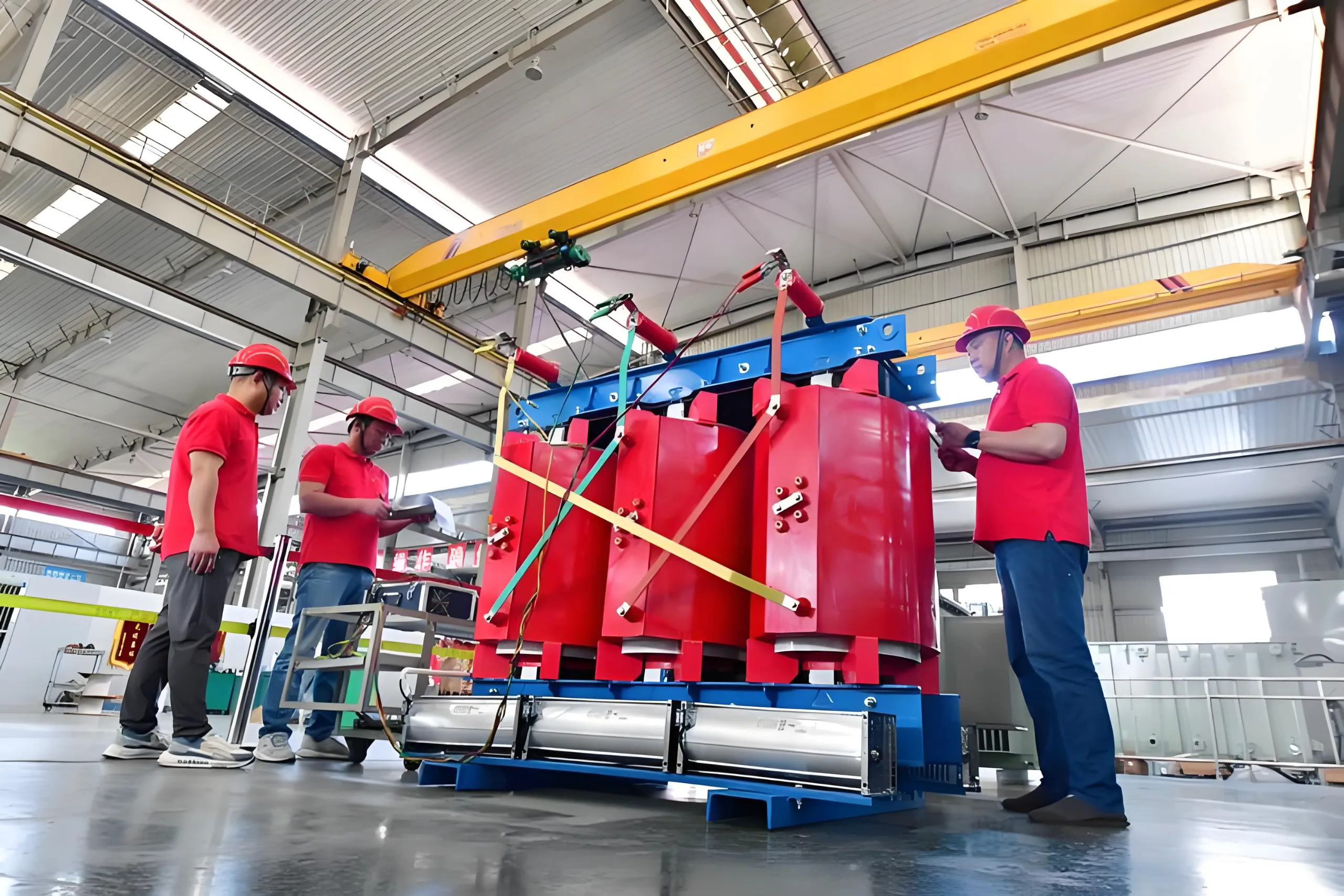
Every improvement in transformer performance can be coupled with changing the approach to manufacturing them. With requirements of better performance that can only be fulfilled with technological advancements in the present-day manufacturing environment. The latest technologies used in manufacturing transformers include not only the use of automated equipment for winding, automated equipment for core lamination processing, technology of high-accuracy drying, the latest developments in vacuum processing, and mix of methods for testing. The importance of reliability has been considerably growing since customers buying many units expect all of them to perform the same.
Digital technologies have a great impact on the business at this site as well. Advanced design software makes it possible for the designers to learn how the electromagnetic properties of materials influence the transformer operation. And to do it before the production starts helping the engineers decrease risks and shorten the time of the product development. Traceability systems introduced in the production allow to see all the processes and materials used in the manufacturing of a particular transformer.
What These Trends Mean for Buyers
In summary, these trends have a clear message to anyone specifying or purchasing transformers today, namely, that price alone is not enough anymore. Rather, the best way to go about it is to analyze the total cost of ownership over the lifetime of the equipment, taking into account factors such as losses, maintenance costs, reliability and environmental influence along with the price of initial investment. A transformer which is chosen based on such considerations is, for sure, going to be the best decision in twenty or thirty years’ time when it reaches the end of its operational life.
Finally, it implies choosing a manufacturer that knows where the industry is moving, not just where it comes from. The best manufacturer is the one who sticks to the efficiency standards, adopts monitoring and digital readiness, provides green solutions and offers solutions in cases of demanding or extraordinary needs.
Subian Electric Power’s Perspective
At Subian Electric Power, we perceive trends not as problems we must fear but as chances to improve our devices and unifying our relations. Our mission is to be informed by the manufacturing legacy while at the same time being open to innovation and developing devices that work well and are suitable for the electrical grid in the future. We believe that tools created in the future must not be inferior to transformers that are durable and high-quality and have been in use for decades.
The power transformer area is changing, and it is changing for the better. Energy efficiency increases, intelligence grows, materials become better, and new applications appear. The key for customers is to find a manufacturer that understands all the trends. Subian Electric Power is proud to be such a partner and to help its customers solve their current and future energy issues. Contact us to learn more about electric transformers we produce.