

150 kVA Step Down Transformer Manufacturers & Suppliers – Custom Ratio Factory
Subian Electric builds step-down transformers at our 50,000-square-metre factory in Xuzhou, China. A 150 kVA step down transformer from this factory is made for two common duties: stepping a medium-voltage line – for example 11kV – down to 400V/230V, or stepping a 480V commercial supply down to 208Y/120V.
Because we manufacture the coils ourselves, the ratio, impedance and tappings can be set to your site rather than chosen from a catalogue. Every unit is routine-tested and delivered with its test report, under ISO9001 and CE controlled production.
Send us the incoming voltage, the voltage you need and the connected load. We will specify the unit, confirm it on drawings and quote factory pricing with lead time.

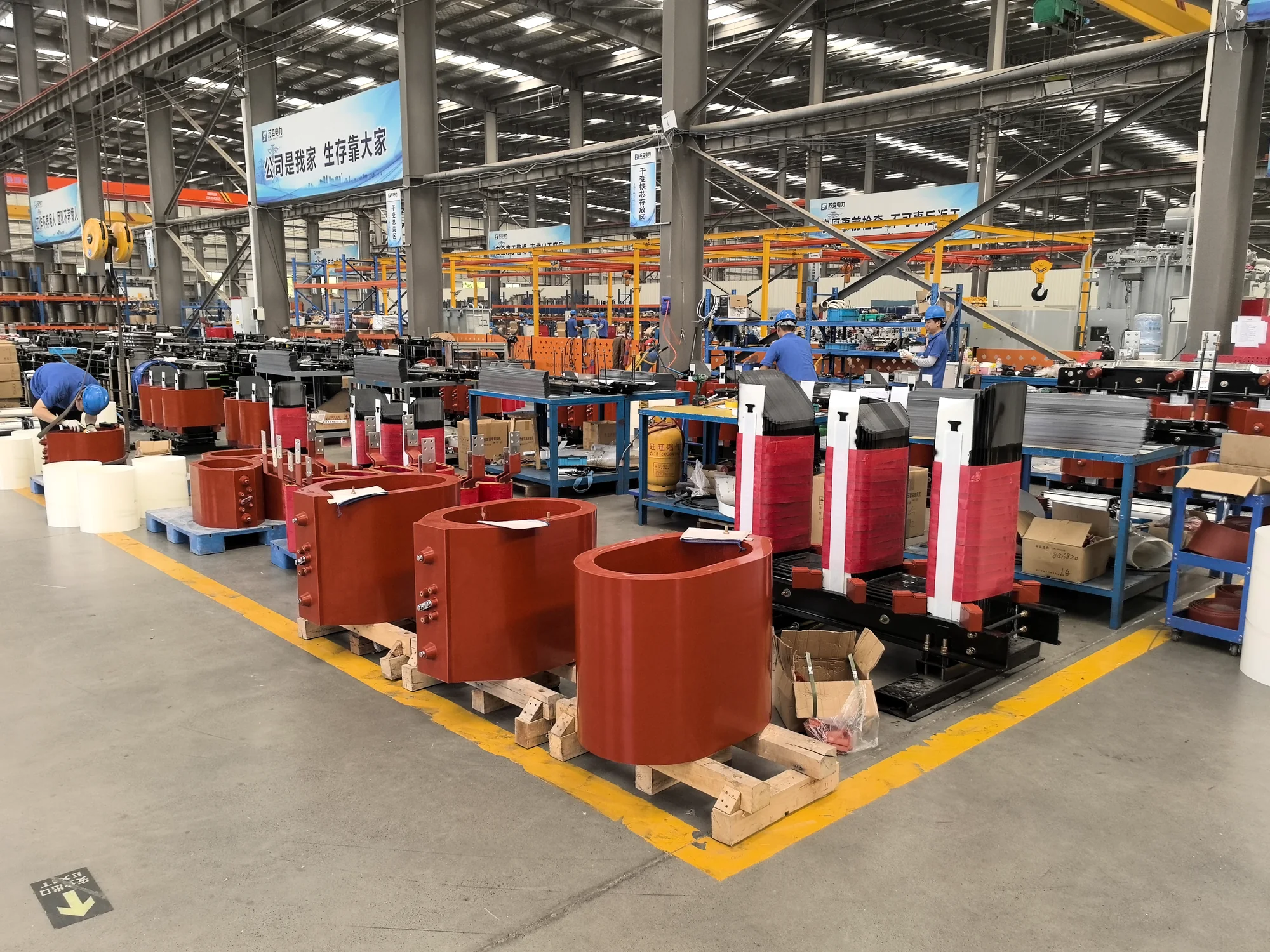
Since 2019 · 50,000m² · 350+ Staff
Step-Down Transformers We Manufacture
Oil-immersed and dry-type step-down transformers from 30 kVA to several thousand kVA, covering MV-to-LV distribution duty and commercial LV step-down such as 480V to 208Y/120V.
-
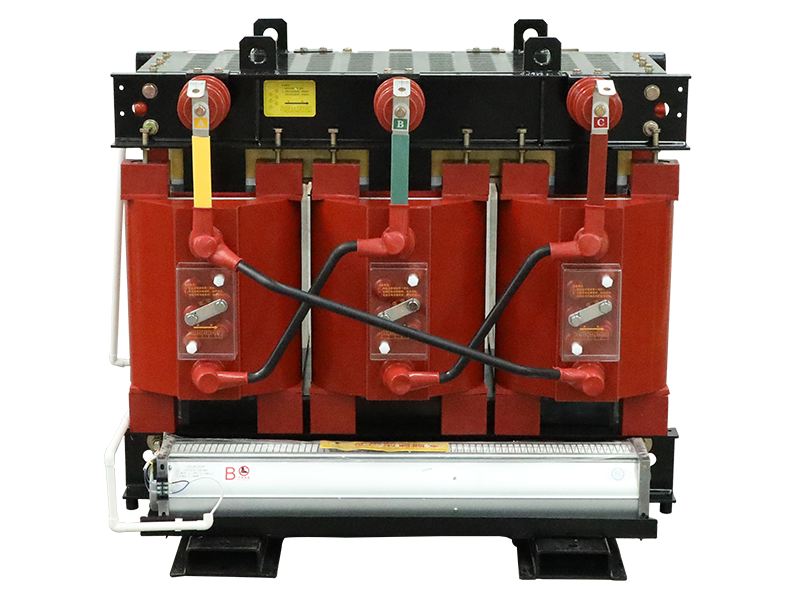
10kV Dry-Type Transformer-SCBH series Amorphous Alloy
-
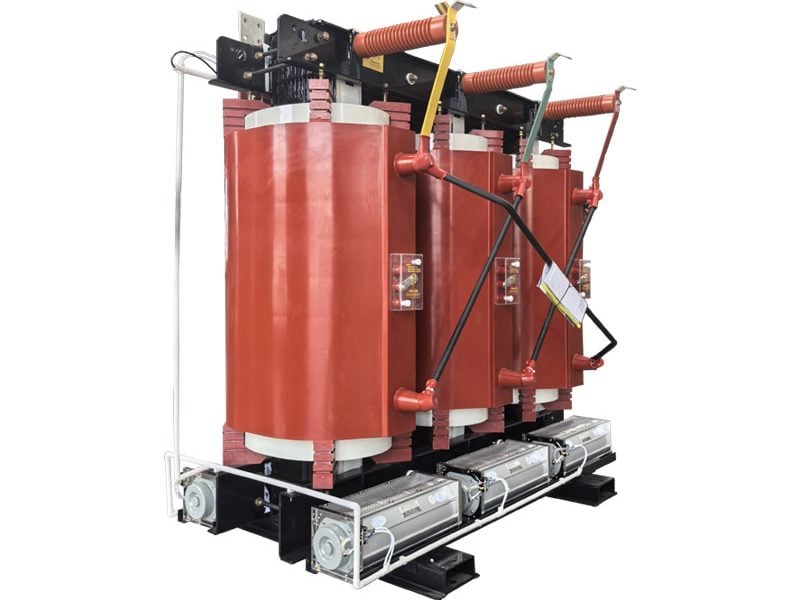
20-35KV Dry-Type Transformer
-
20-35KV SCB Series Epoxy Resin Dry-Type Transformer
-
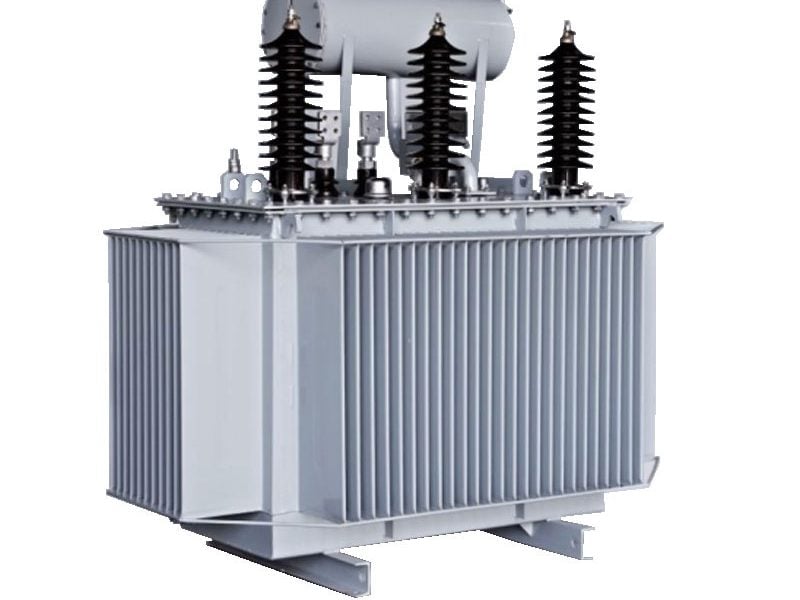
20KV Oil-immersed Distribution Transformer
-
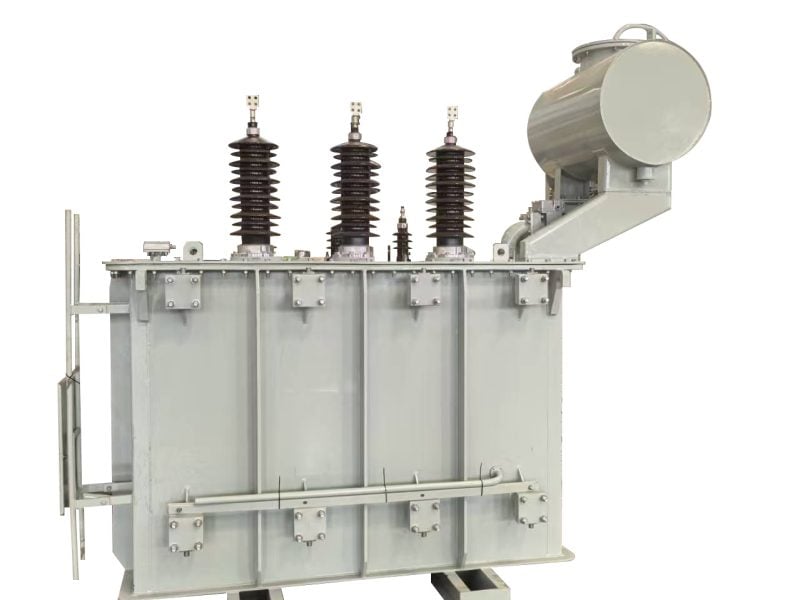
35KV Oil-immersed Power Transformer
-
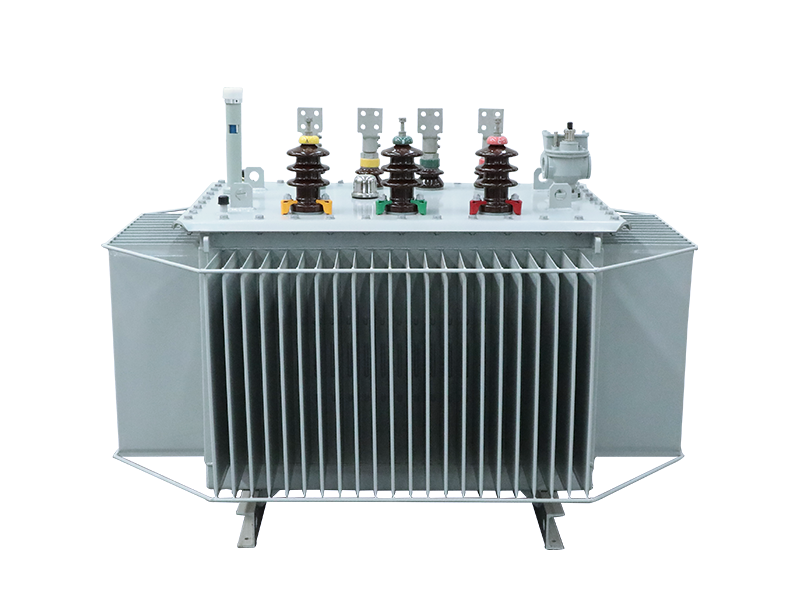
6-10KV Oil-Immersed Power Distribution Transformer
-
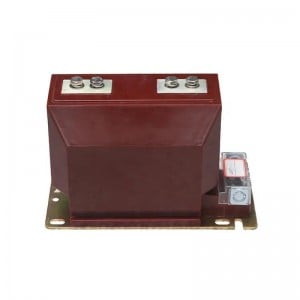
Current Transformer –10KV Indoor High Voltage
-
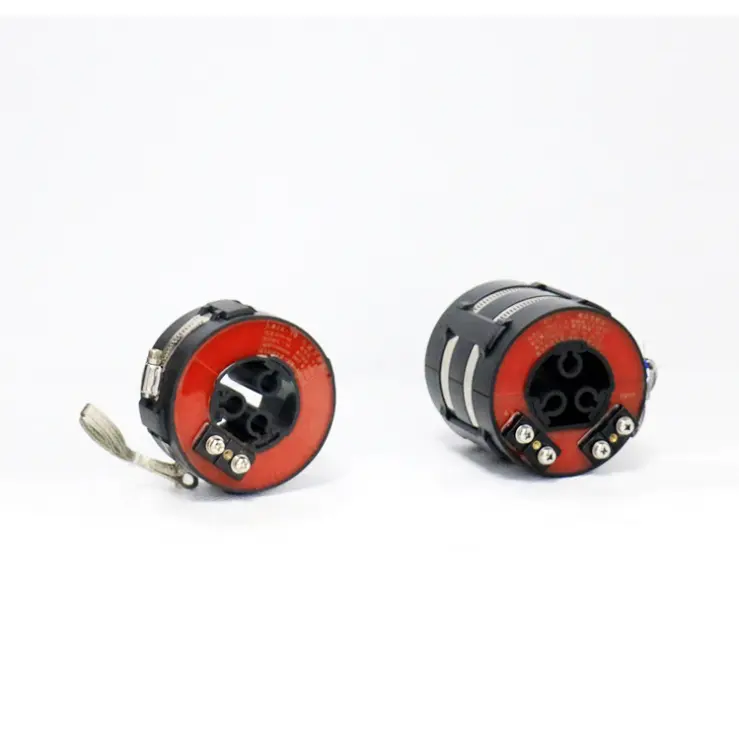
Current Transformer–LMZK Wound Current Transformer300/5a
-
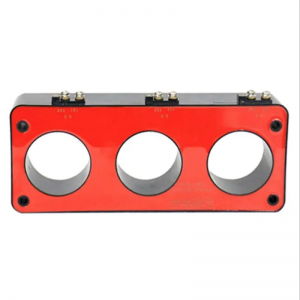
Current Transformer–LSY-10 transformer Integrated CT
-
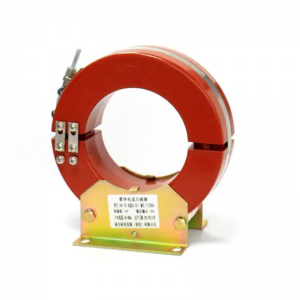
current transformer–LXK high voltage zero sequence
-
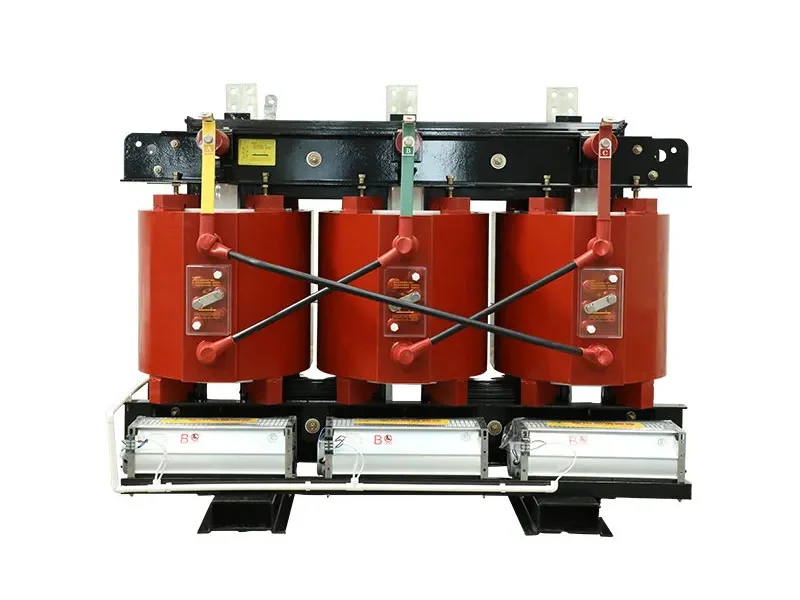
dry type distribution transformer-6-10 KV SCB series epoxy resin cast
-
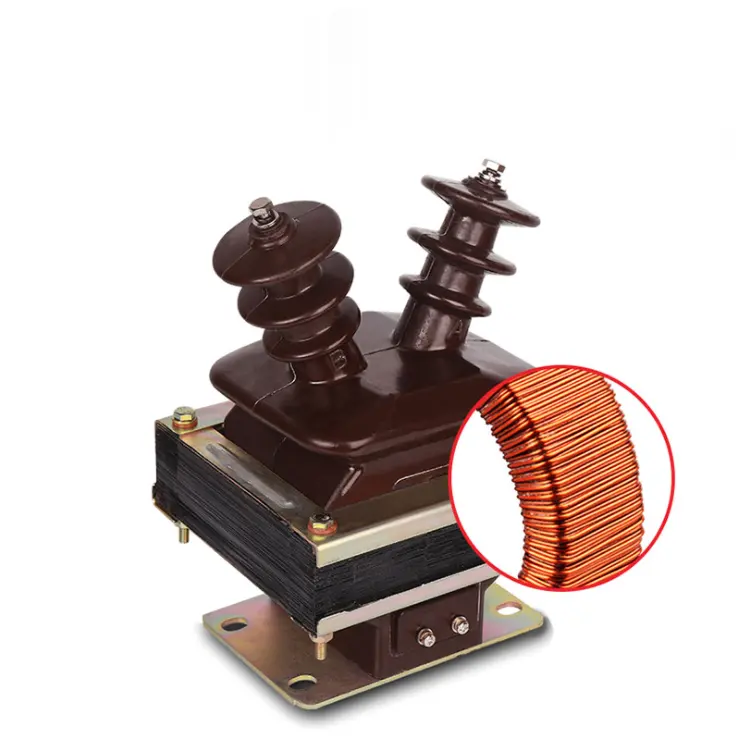
Electrical Transformers–JDZ – 10 Power Voltage
What Is a 150 kVA Step Down Transformer?
A 150 kVA step down transformer reduces a higher supply voltage to a lower utilisation voltage so that standard equipment can operate safely. Typical duties include changing 11kV (or similar medium voltage) to 400V/230V for a farm, workshop or small plant, and changing a 480V commercial supply to 208Y/120V for lighting, receptacles and HVAC loads.
Beyond changing the voltage level, the transformer isolates the load from the supply and creates a separately derived neutral, which simplifies protection and earthing on the stepped-down side. Sizing is set by the connected load and diversity, not by the machine nameplate alone.
- MV-to-LV and LV-to-LV ratios – 11kV/0.4kV, 480V/208Y/120V and other combinations.
- Oil-immersed or dry-type – outdoor distribution duty or indoor commercial duty.
- Coils wound in-house – ratio, impedance and tappings matched to your site.
- Routine-tested per unit – loss, ratio, insulation and dielectric checks to IEC 60076.
- Replacement support – build to the failed unit’s nameplate data and drawings.
- OEM & distributor supply – private labels, packaging and volume programmes.
Which Type Fits Your Site?
The choice is normally settled by the incoming voltage, the building type and the local fire rules:
MV-to-LV distribution type
an oil-immersed unit that steps 11kV (or similar) to 400V/230V for outdoor pole, plinth or small-substation installation.
480V to 208Y/120V dry type
a ventilated dry-type unit for commercial buildings and light industry fed from a 480V service.
Voltage-matching units
isolation or auto-transformers that connect 400V, 380V or 230V systems to equipment built for another utilisation voltage.
150 kVA Step Down Transformer Technical Data
| Parameter | Specification |
|---|---|
| Rated capacity | 150 kVA, three-phase |
| Typical ratios | 11kV/0.4kV · 480V/208Y/120V · 400V/230V |
| Cooling | ONAN (oil) / air-cooled (dry) |
| Insulation class | oil type class A / dry type class F |
| Vector group | Dyn11 / Dyn1 (per specification) |
| Frequency | 50 / 60 Hz |
| Standard | IEC 60076 / GB 1094 |
Full-Load Current and Feeder Sizing at 150 kVA
The secondary current decides the downstream cable and breaker size, and it changes with the voltage you step down to. At a 400V secondary, 150 kVA is about 216 A per phase; at 208V (the 208Y/120V system), it is roughly 416 A per phase because the voltage is lower. On an 11kV primary the current is only about 7.9 A.
Feeder conductors are then selected for the applicable current with margin for continuous loading, voltage drop over the cable length and fault current. As a rule of thumb the figures above point to a copper cable in the 70-95 mm² range for the 400V side in short runs, but the final size must be confirmed by a licensed engineer against the local wiring code, the distance and the protective device.
Indicative currents by secondary voltage
| Secondary 400 V | approx. 216 A per phase |
|---|---|
| Secondary 208 V (Y/120) | approx. 416 A per phase |
| Primary 11 kV | approx. 7.9 A |
| Continuous real load at 0.8 pf | approx. 120 kW |
Size, Weight, Colour and Installation Space
Dimensions depend on the ratio and type – the drawing issued for your order is the reference. As a planning guide, an oil-immersed 150 kVA MV-to-LV unit is in the region of 1.2 m long and 1.1 m high to the tank top with a transport mass of roughly 700-1,000 kg, while a dry-type 150 kVA unit is usually an enclosed cube around 1 m per side that can be moved through standard doorways.
Outdoor oil tanks are finished in grey or green; dry-type enclosures come in light grey as standard with RAL colours available for branding. Floor-standing units need a level surface, clearance for ventilation (dry types) and cable access – our outline drawing includes the recommended spacing.
Colour and finish options
| Grey (RAL 7035 style) | standard indoor and dry-type finish |
|---|---|
| Green / blue / black | outdoor tank colours on request |
| Coastal paint system | for marine or high-humidity sites |
| Custom nameplate | private-label details per order |
New, Used or Replacement – and Where to Buy
Industrial-supply listings and marketplaces offer 150 kVA step-down units through regional distributors, and some buyers compare those prices with factory-direct supply. A new factory unit includes fresh test reports, a warranty and a design matched to your ratio; used stock should only be considered with a full inspection record, oil test (for oil types) and impedance data.
For a replacement, the nameplate of the old unit – ratio, kVA, impedance, vector group – lets us match the new transformer to the existing protection and footprint. If the unit was installed by an electrical contractor, ordering through them is common; alternatively we ship factory-direct worldwide with export documentation and support your local installer with drawings.
Delivery is confirmed at quotation. Production is scheduled against the approved drawing, and every shipment is packed, photographed and documented before it leaves the factory.
Controlled Production From Winding to Test
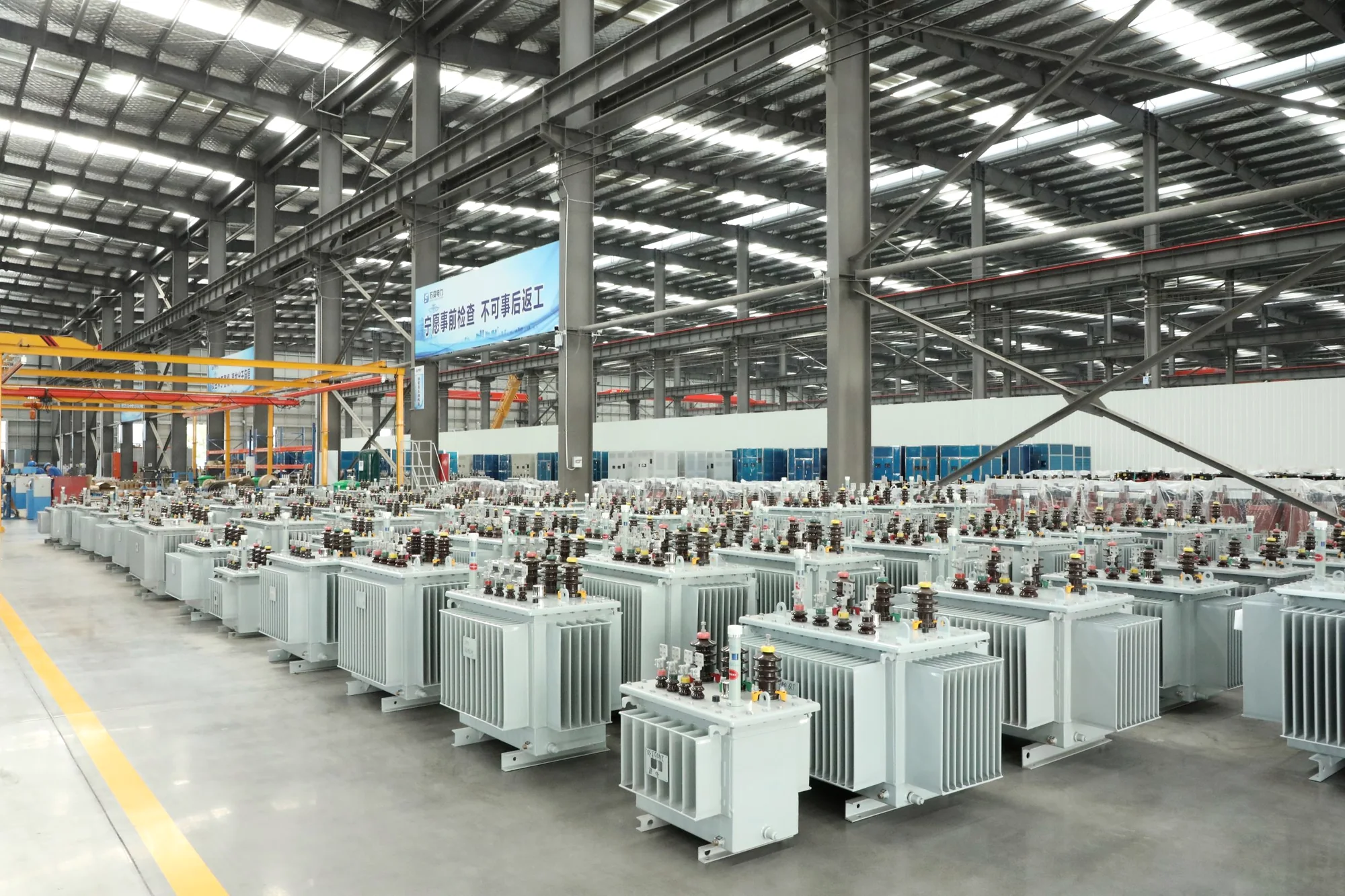
Core stacking, coil winding, vacuum drying and final testing are all performed in-house, which is what lets us build non-catalogue ratios for step-down duty.
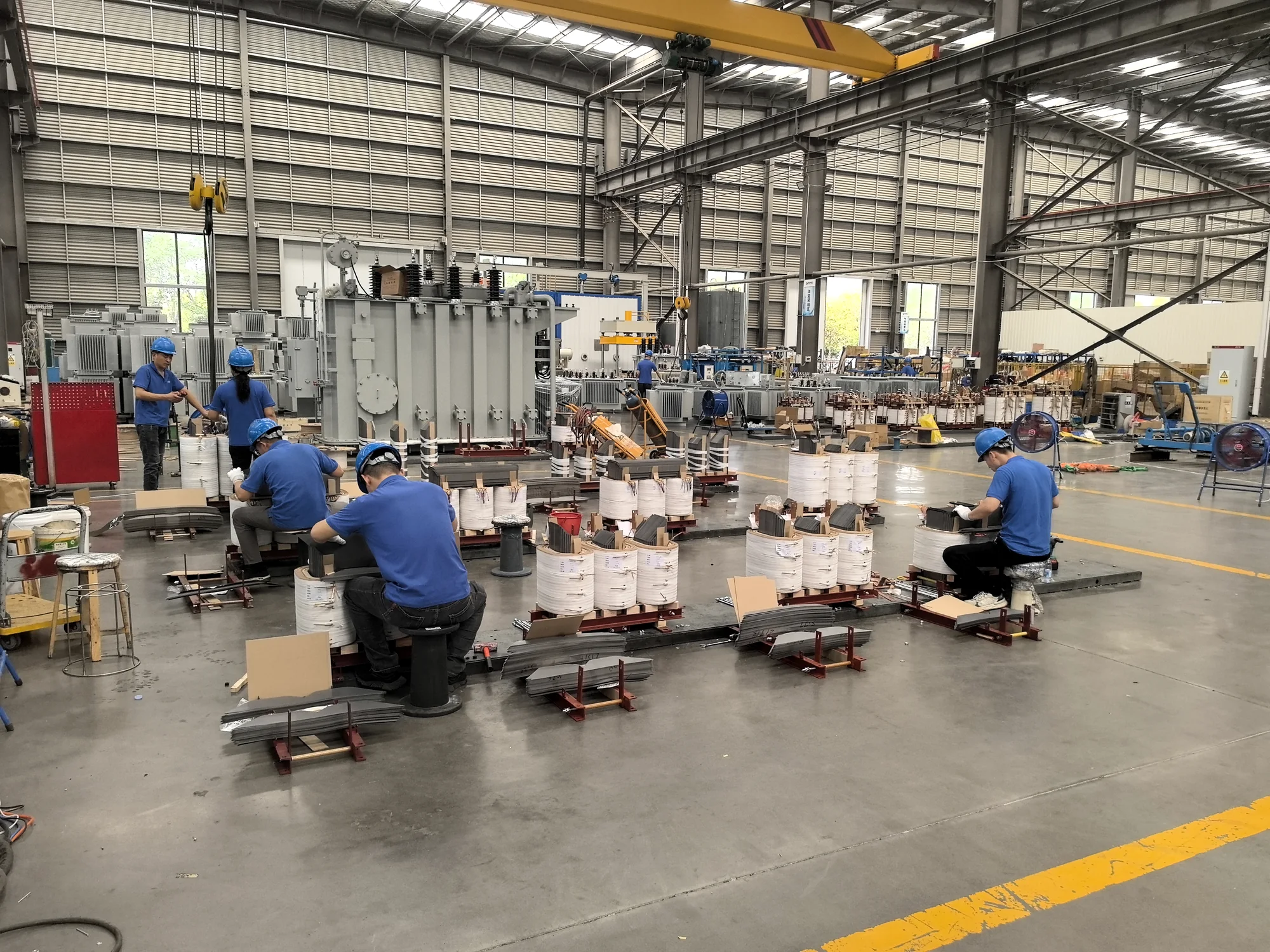
Winding & Core
Coils are wound for the exact ratio and impedance of your order, with layer insulation controlled at every pass.
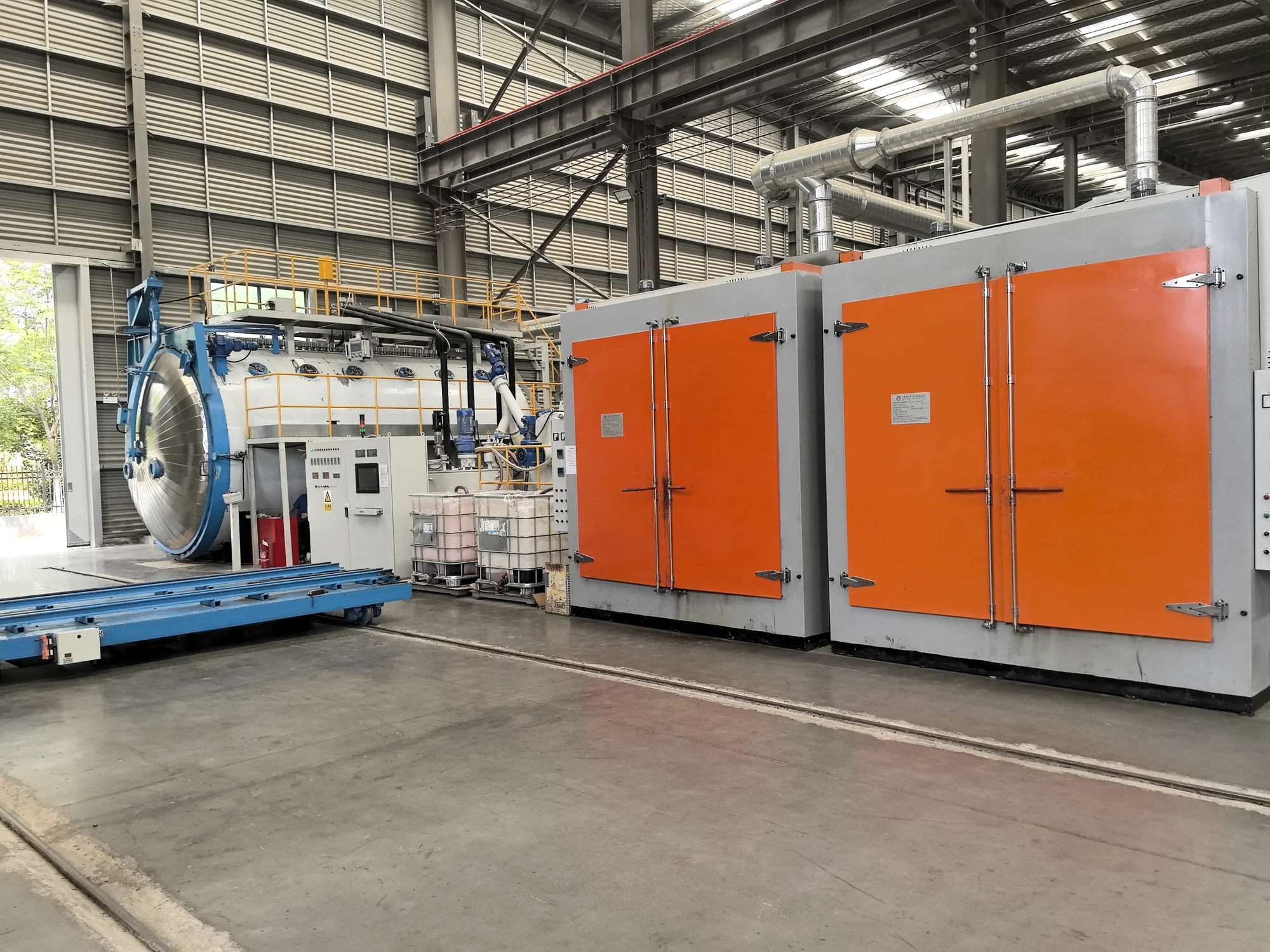
Drying & Impregnation
Oil units are vacuum dried before filling; dry-type units are vacuum impregnated for quiet, stable operation.
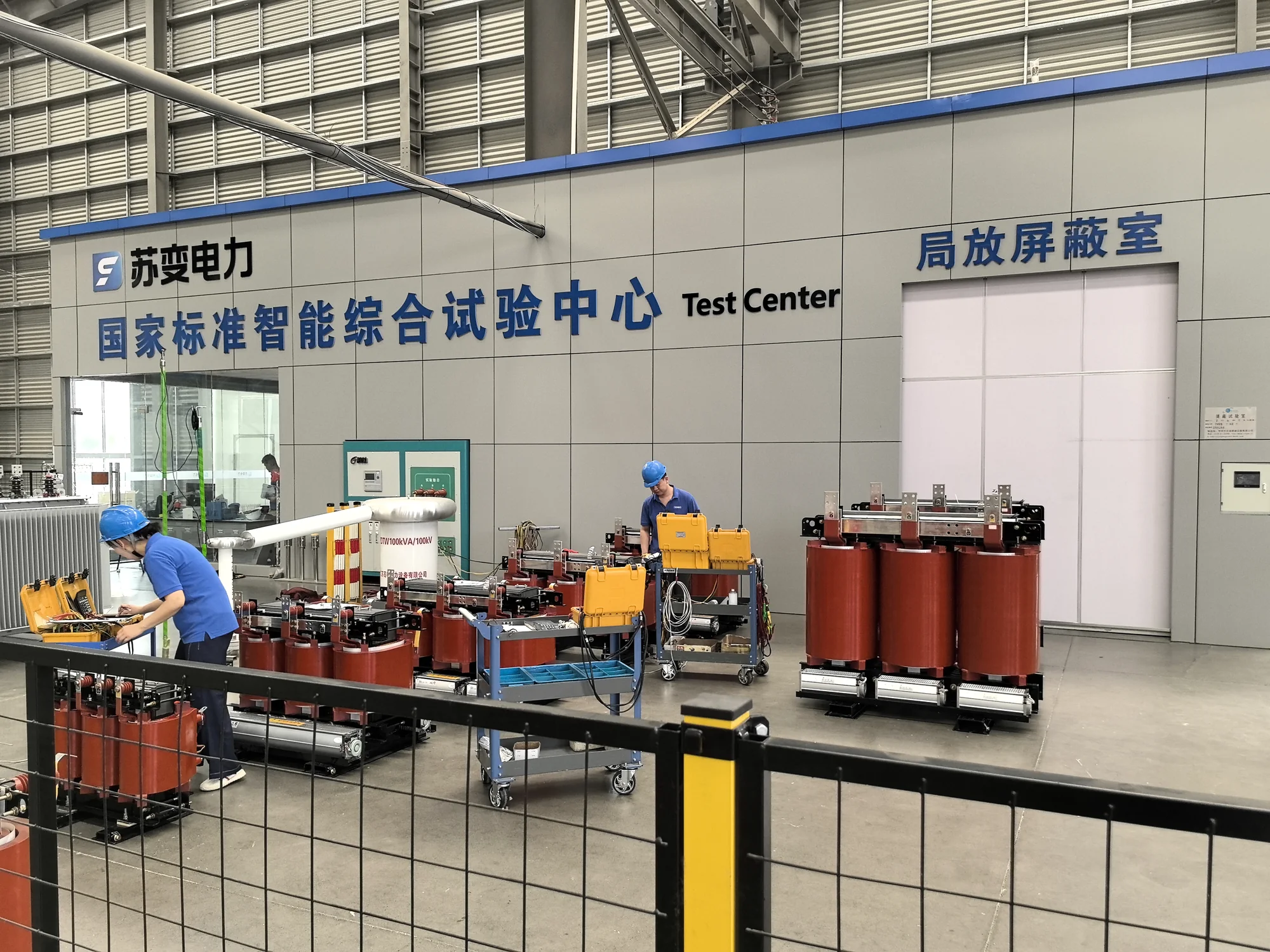
Quality & Testing Center
Routine tests cover ratio, losses, insulation and dielectric withstand on every unit before dispatch.
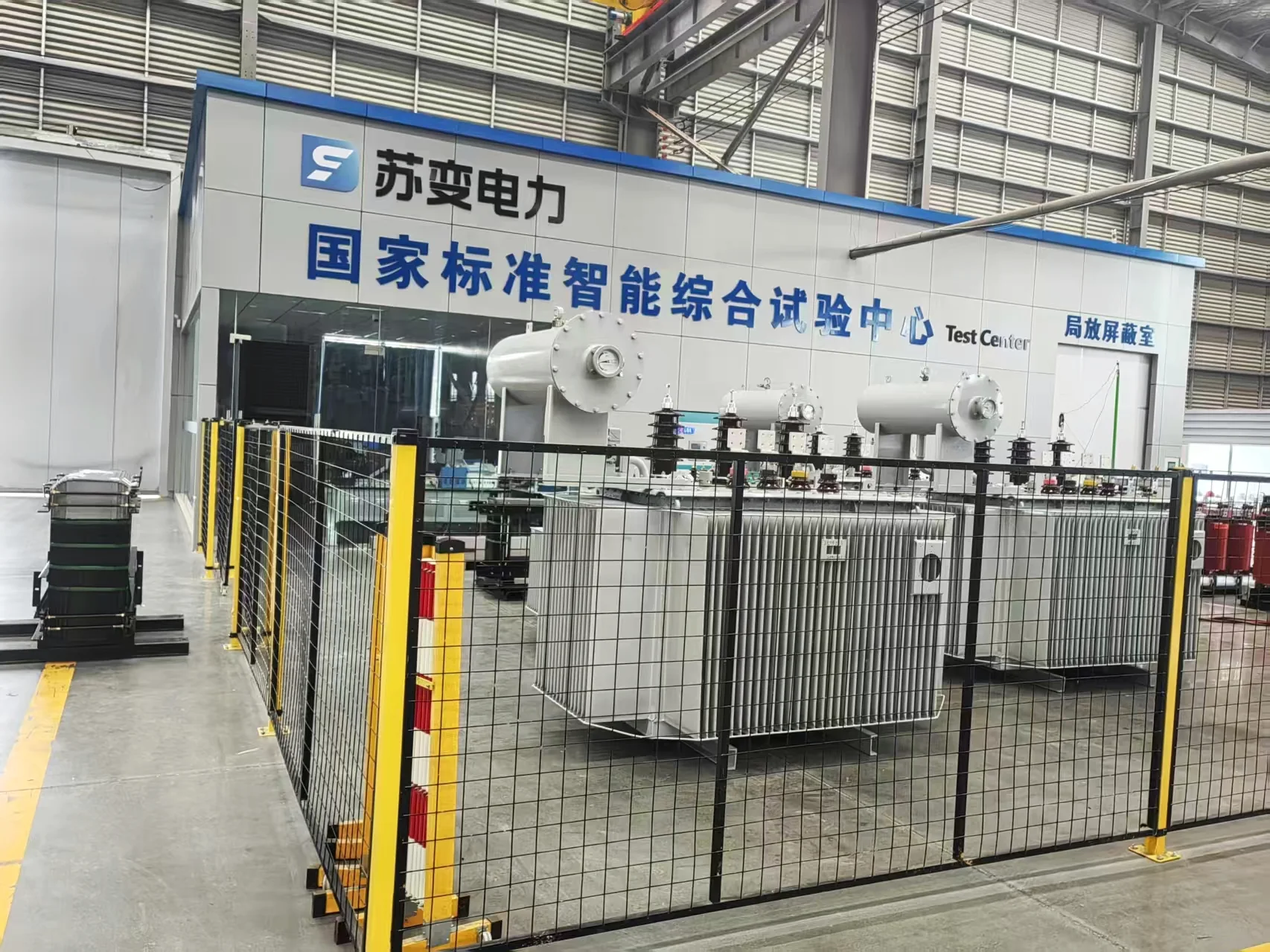
Test Documentation
Reports, outline drawings and installation instructions ship with the transformer for project approval.
150 kVA Step Down Transformer Price & Quotation
Prices depend on the ratio, the type and the loss specification. Request a written factory quotation with your incoming and outgoing voltage – we confirm the design on drawings before you commit, and single units are available as well as volume orders.
OEM / ODM & Wholesale Step-Down Supply
Electrical wholesalers, panel builders and OEMs brand our step-down units as their own, with private-label plates, packaging and documentation.
OEM / ODM
Factory-Direct
Custom ratios, enclosures and branding built on our transformer platforms.
Factory direct · Test docs · Export support
Wholesale Supply
Volume Pricing
Stock programmes and container quantities for wholesalers.
Factory direct · Test docs · Export support
Distributor Support
Channel Partners
Technical data, sales material and account management for partners.
Factory direct · Test docs · Export support
Step-Down vs Isolation – and Oil vs Dry
A step-down transformer always provides galvanic isolation between its windings while changing the voltage level. An isolation transformer keeps the ratio at or near 1:1 and is selected mainly to separate the load from the supply, reduce noise or create a clean neutral point.
For the construction choice, an oil-immersed 150 kVA unit is the economical standard for outdoor MV-to-LV duty, while a dry-type transformer is quieter, lighter and oil-free – the usual preference inside commercial buildings, where the 480V-to-208Y/120V type is the most common 150 kVA application.
How to Choose a 150 kVA Step Down Transformer Manufacturer
Start with the ratio: confirm the incoming and outgoing voltage, because a unit built for 480V-to-208V cannot simply be reconnected for 400V duty at full rating. Then compare efficiency (loss figures), impedance, temperature rise and the availability of a matching test report.
Check the manufacturer’s real capability – winding in-house, vacuum processing, routine testing and type-test evidence. Subian’s credentials include ISO9001, ISO14001, ISO45001, CE and UL certification, a 110 kV transformer type-test report, and an open-door factory policy with VR tour available to buyers who cannot travel.
Finally, compare the buying experience: how quickly drawings and questions are answered, whether the manufacturer issues documents for your market, and how replacement or warranty matters are handled after shipment.
Certifications & Quality Assurance
Our step-down and distribution transformer production is covered by ISO9001, ISO14001 and ISO45001 systems, CE and UL certification, and type-tested designs that support project and market approval.
Product Certifications
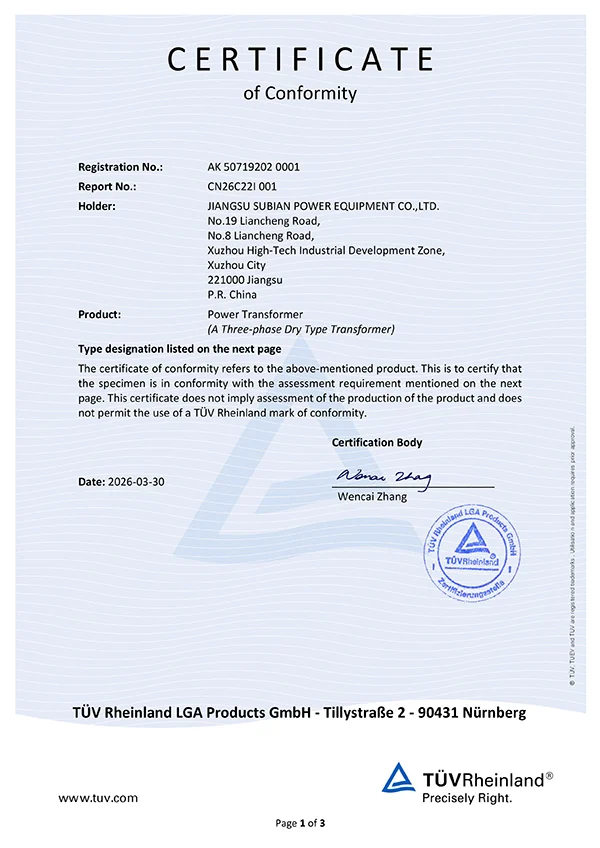 10 kV Dry-Type Transformer Certificate
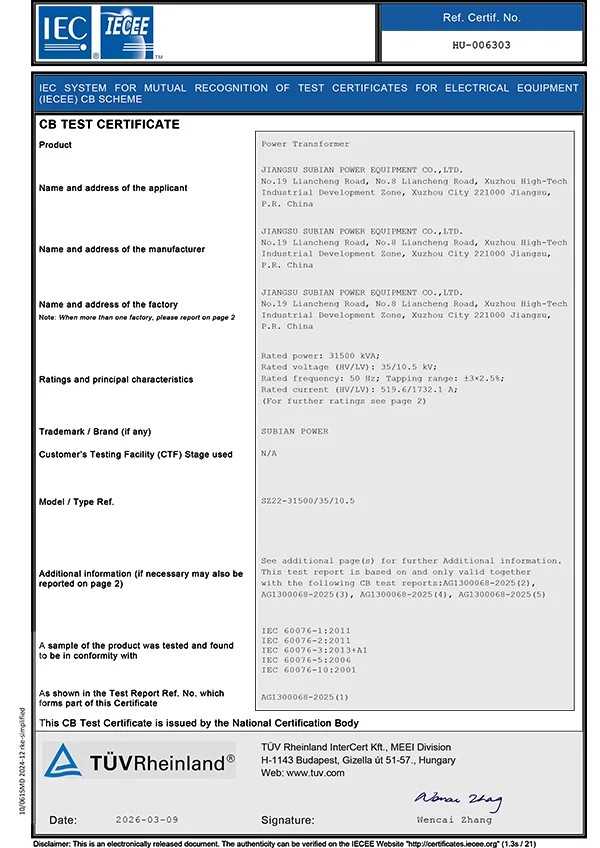 35 kV Transformer CB Certificate
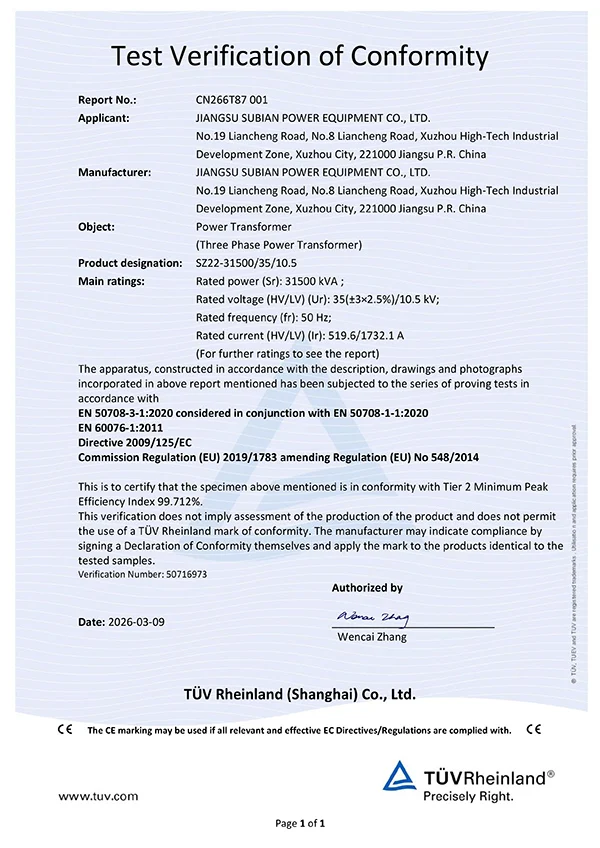 35 kV Transformer CE Verification
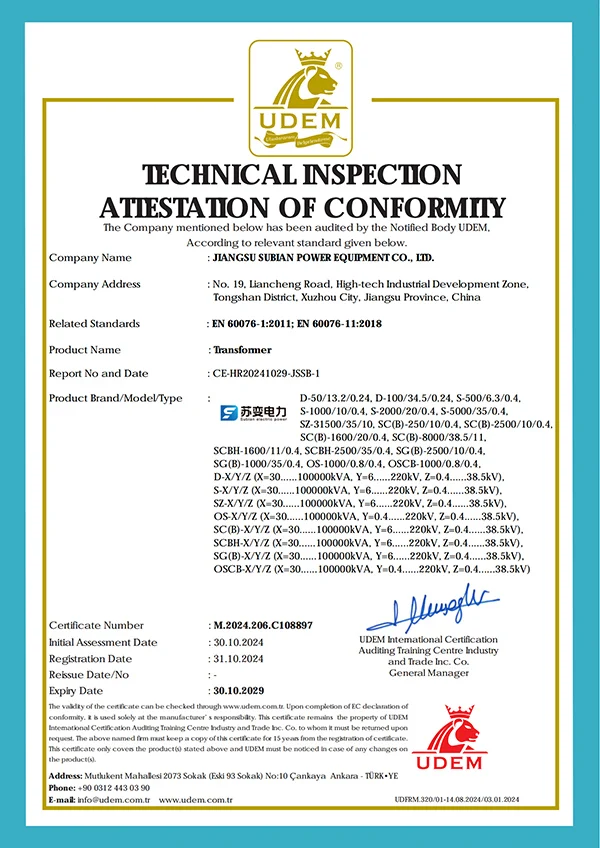 Transformer CE Certificate
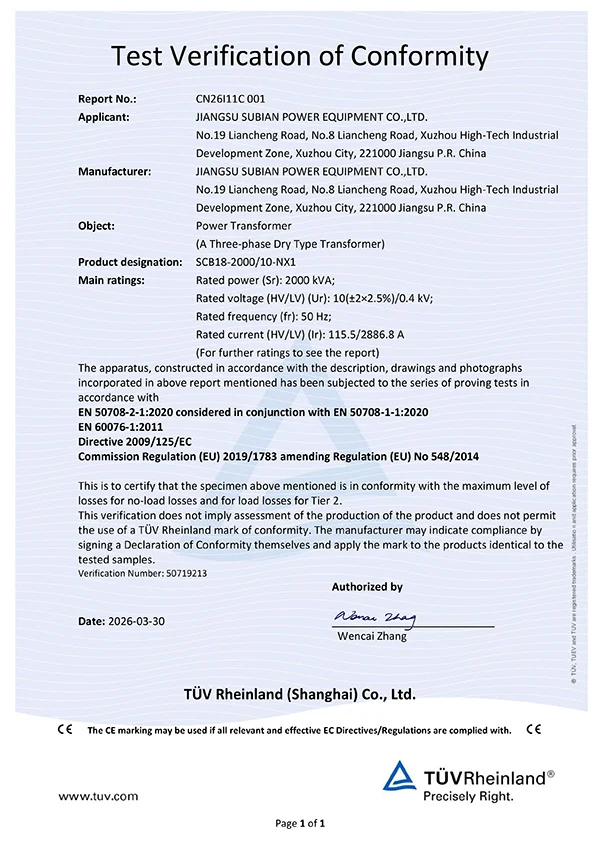 Dry-Type Transformer Test Verification
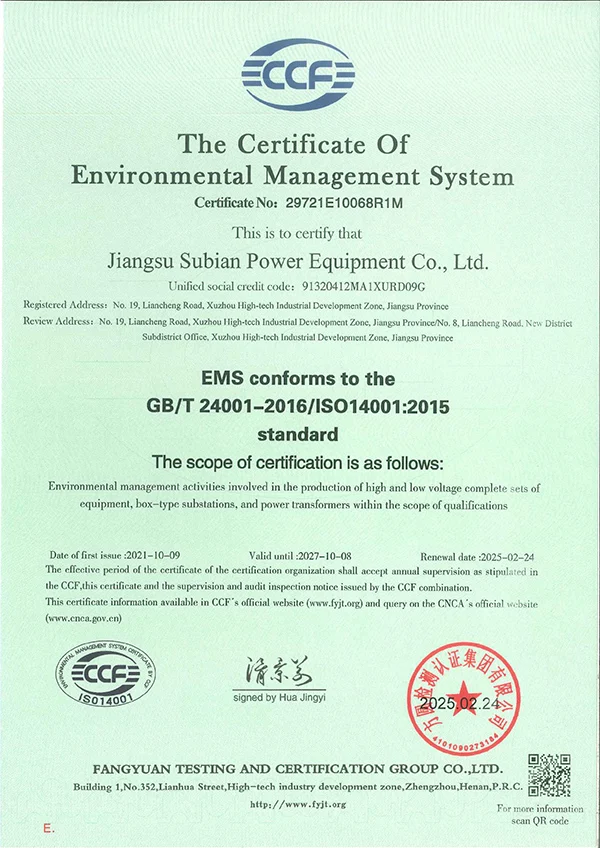 ISO 14001 Environmental Management
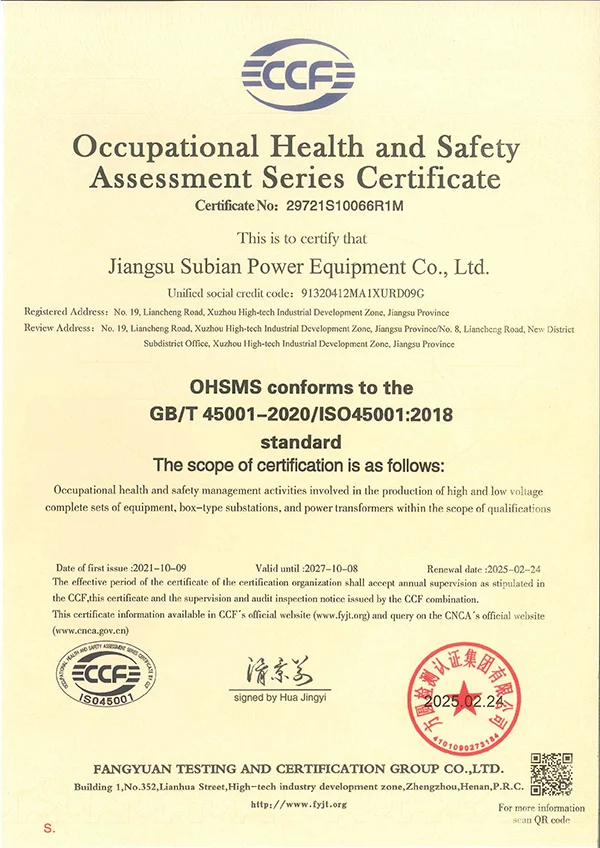 ISO 45001 Health & Safety
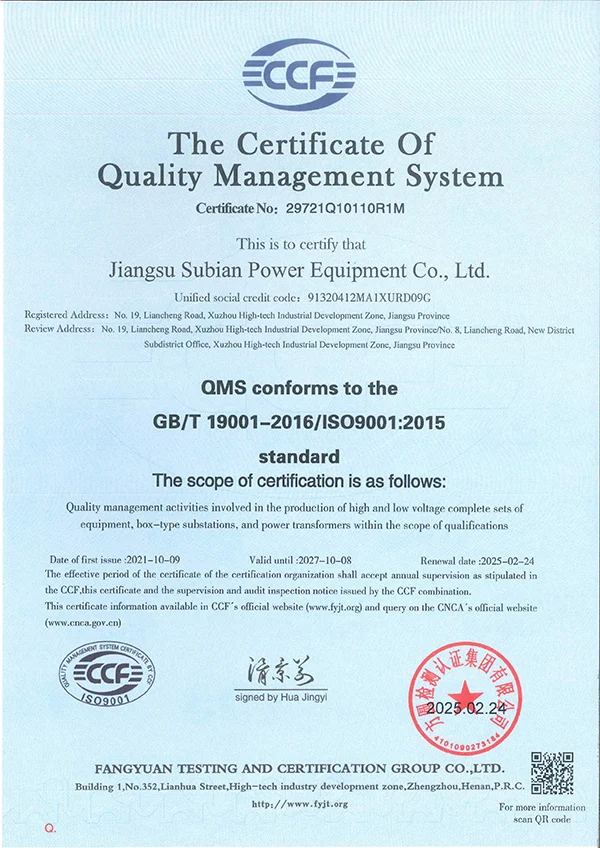 ISO 9001 Quality Management
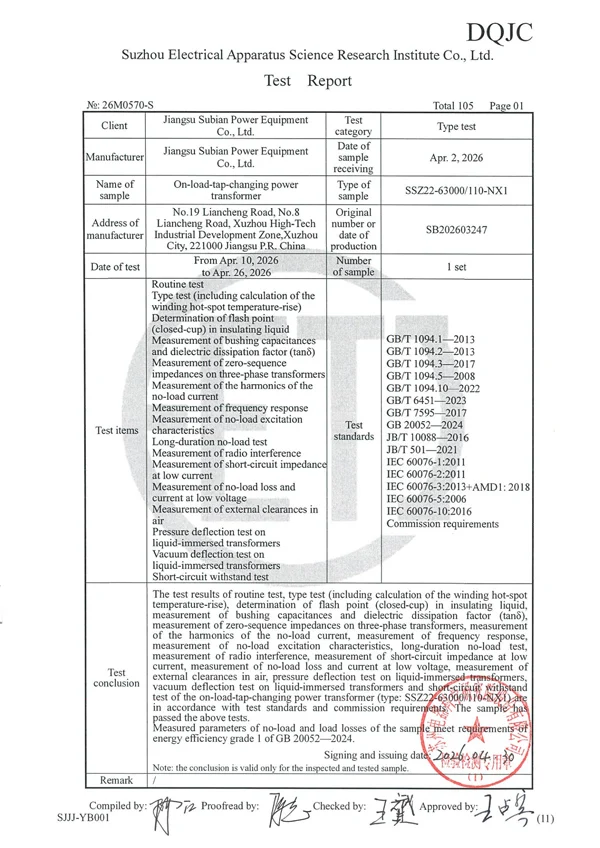 110 kV Transformer Type Test Report
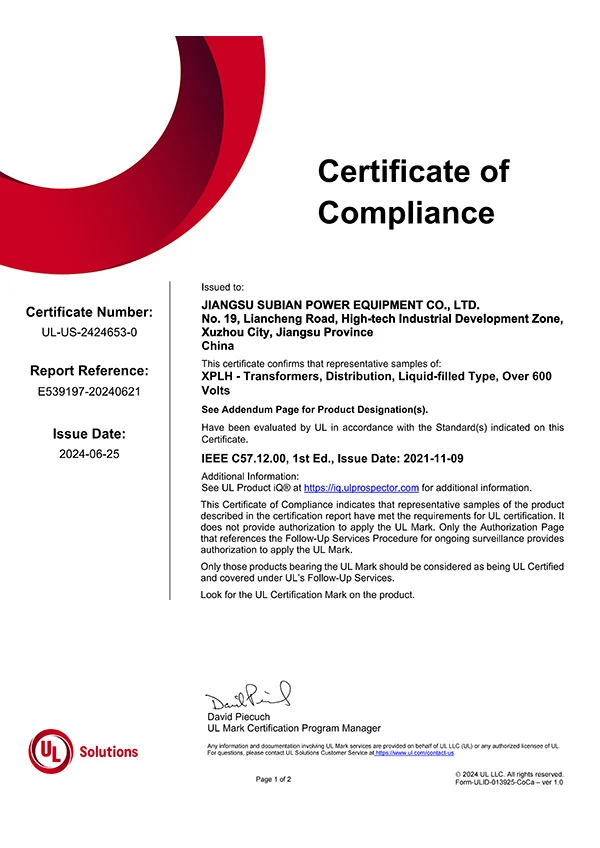 UL Certificate of Compliance
150 kVA Step Down Transformer Manufacturers & Suppliers FAQ
Questions buyers ask about the 150 kVA step-down rating, current, wiring and cost.
How many amps can a 150 kVA transformer handle?
Is there a 150 kVA transformer?
What size wire to feed a 150 kVA transformer?
How much does a 150 kVA transformer cost?
How do I size a transformer for my load?
Do you support replacement and used-unit comparisons?
Contact Subian
Need the Right Specification?
Tell us your target market, product type, quantity and technical requirements. Our team will help you identify a suitable configuration for your project.