


مهندس المشروع المسؤول عن شركة المرافق يقوم بصياغة مواصفات لمحول طاقة رئيسي بسعة 40 MVA بجهد 132/33 kV يمكنه تنظيم حافلة التوزيع بجهد 33 kV للمنطقة بأكملها. لقد اكتمل تقريبًا عملية تصميم المحول، ولكن في نقطة واحدة تم طرح القضايا في الاجتماعات التي عقدت: تشير إلى جهاز تغيير الموصل تحت الحمل، الذي تم طرح العديد من الأسئلة حوله. تم إعداد تقييمات لمصنعين مختلفين من الناحية الفنية، ولكن قد تختلف تكلفتها بمقدار 30%، وتختلف فترات الصيانة 3 مرات، ومقاييس الخدمة عبر التصاميم المختلفة غير متاحة في أوراق البيانات. يفهم المهندس أن استخدام جهاز تغيير الموصل تحت الحمل أمر حاسم لتكلفة تشغيل المحول لمدة 30 عامًا.
الهدف من هذه المقالة هو تقديم المعلومات حول اختيار أجهزة تغيير الموصل تحت الحمل للمحول الرئيسي، والتي ستشمل نطاق الموصل، حجم الخطوة، تصنيفات التيار والجهد لكل خطوة، الفروق بين الأنواع المقاومة والفراغية، تكلفتها، والمواصفات اللازمة لإرسالها إلى الموردين.
الإجابة: يتم استخدام جهاز تغيير الموصل تحت الحمل لضبط الموصل على لف المحول عندما يكون تحت الحمل من أجل تنظيم الجهد دون انقطاع في الإمداد. بالنسبة لوحدة بسعة 10 MVA – 60 MVA، فإن نطاقات الإعداد الممكنة، على التوالي، هي حوالي ± 8 × 1.25% أو ± 6 × 2.5%. يتم تصنيف جهاز OLTC بنفس تيار المرور كأقصى تصنيف مستمر للمحول وله جهد خطوة يساوي جهد اللف.
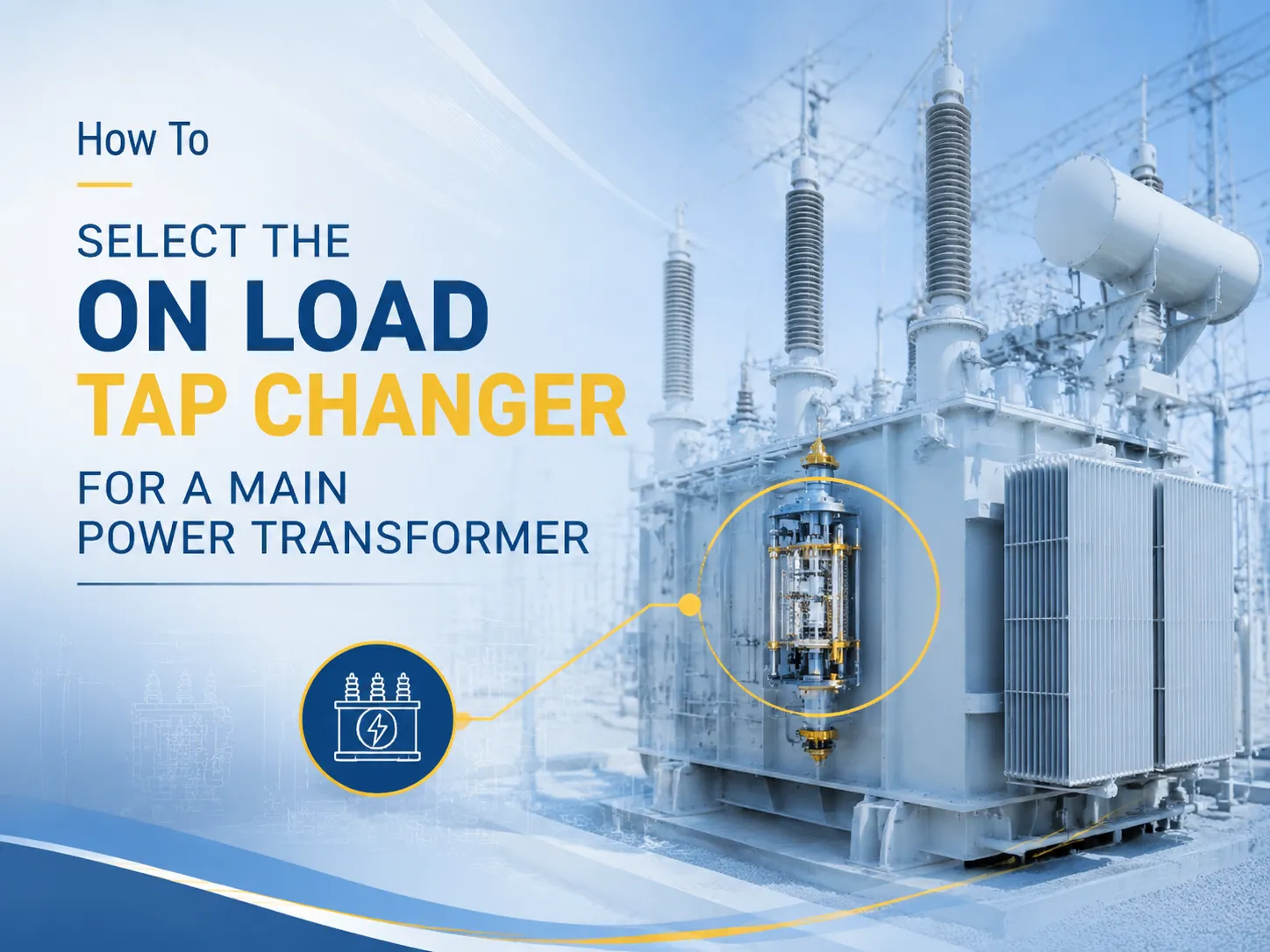
ما هو جهاز تغيير الموصل تحت الحمل؟
جهاز تغيير الموصل تحت الحمل (OLTC) هو جهاز يتحكم فيه المحرك يوجد في المحولات الكهربائية ويغير اتصالات الموصل لملف الضبط بينما لا يزال الطاقة قيد الاستخدام. يتم ذلك عن طريق زيادة أو تقليل الموصلات، وبالتالي تغيير نسبة اللفات والفرق المحتمل الناتج، مما يشير إلى أن OLTC يلعب دورًا حيويًا في عملية تنظيم الجهد المستمرة تحت ظروف الحمل والمصدر المتغيرة.
كونه نوعًا من الأجهزة التي تقوم باستمرار بأي عمليات بينما يتدفق التيار، فإن OLTC هو أداة دقيقة، مما يعني أن التبديل يجب أن يتم تحت ظروف معينة، بينما يجب أن تحدث عملية التبديل آلاف المرات قبل أن يمكن أن يتآكل OLTC.
لماذا يحتاج المحول الرئيسي إلى واحد؟
يتم تثبيت المحولات بين نظام النقل ونظام التوزيع. يمكن أن تتعرض كلا جانبي المحول لتقلبات الحمل على مدار اليوم حيث يمكن أن يتغير الطلب، بالإضافة إلى جهد النقل، الذي يتغير بسبب تكوين الشبكة. على سبيل المثال، عندما يكون لدى المحول المعني سعة 40 MVA، يمكن أن يكون انخفاض المقاومة وحده بين 6-12%. لذلك، عندما يتعلق الأمر بالحمل الكامل أو عدم الحمل، قد تؤثر اللوائح على انخفاض الجهد لعدة في المئة من المحول نفسه. علاوة على ذلك، هناك خطر من أن ينخفض حافلة 33 kV بمقدار 5-8% تحت الجهد الطبيعي، وهو ما يعتبر غير مقبول وفقًا للوائح المحلية.
من أجل الحفاظ على تقلبات الجهد المطلوبة ضمن نطاق مقبول، يتم عادةً دمج OLTC مع منظم الجهد التلقائي (AVR).
كيف يقوم OLTC بالتبديل دون انقطاع
تم تصميم OLTC في مرحلتين. يقوم المحدد بالعثور على نقطة التوصيل الجديدة ميكانيكيًا مع الملفات المتصلة بالفعل عبر التوصيل النشط. ومن ثم، تعتبر عملية المحدد تحدث عند قيمة تيار صفرية. بعد ذلك يأتي وقت مفتاح التحويل الذي ينقل التيار من التوصيل الرئيسي إلى التوصيل الجديد. يتم وضع مقاومة الانتقال بين المحدد ومفتاح التحويل بحيث لا يتم قطع التيار المتدفق.
يعمل تصميم مقاوم التحويل بطريقة تجعل التيار يسير عبر واحد أو اثنين من المقاومات الانتقالية الموضوعة في المنتصف. يتم اختيار قيمة المقاومة بطريقة تحد من تدفق التيار إلى الحد الأدنى أثناء العملية.
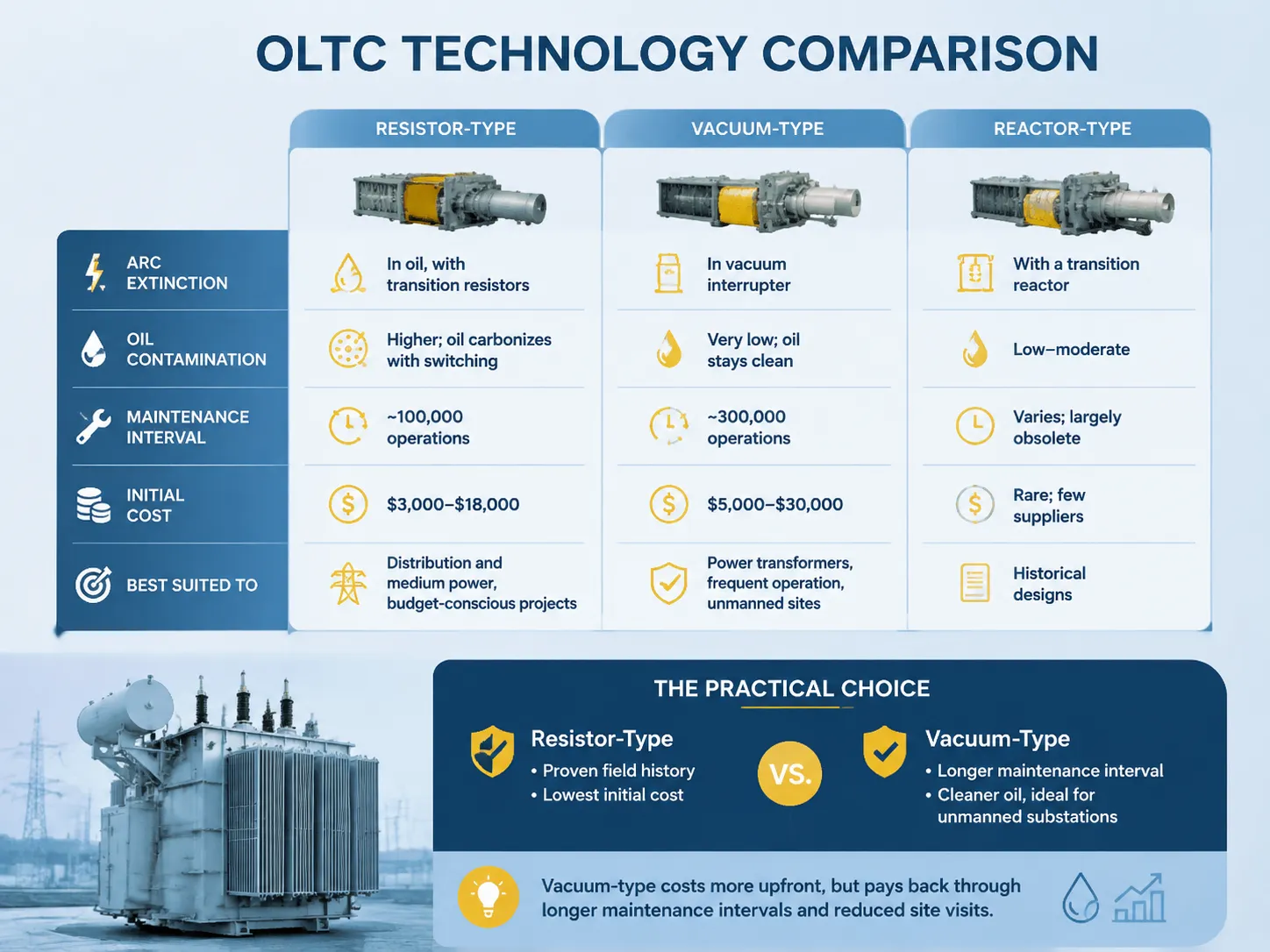
مقاوم مقابل فراغ مقابل OLTC من النوع المفاعل
| الخصائص | OLTC من النوع المقاوم | OLTC من النوع الفراغي | OLTC من النوع المفاعل (قديم) |
|---|---|---|---|
| إخماد القوس | في الزيت، مع مقاومات انتقالية | في قاطع الفراغ | مع مفاعل انتقال |
| معدل تلوث الزيت | أعلى؛ الزيت يتحلل مع التبديل | منخفض جدًا؛ يبقى الزيت نظيفًا | منخفض-متوسط |
| فترة الصيانة | ~100,000 عملية | ~300,000 عملية | يختلف؛ عفا عليه الزمن إلى حد كبير |
| التكلفة الأولية | $3,000-$18,000 | $5,000-$30,000 | نادر؛ عدد قليل من الموردين |
| الأنسب لـ | مشاريع التوزيع والطاقة المتوسطة، التي تركز على الميزانية | المحولات الكهربائية، التشغيل المتكرر، المواقع غير المأهولة | التصاميم التاريخية |
عندما يتعلق الأمر بالمحولات الرئيسية الجديدة، يمكن عادةً الاختيار بين الأنواع المقاومة أو الفراغية. لقد تم استخدام النوع المقاوم لفترة طويلة، ولديه أقل تكلفة أولية. ومع ذلك، فإن النوع الفراغي يكلف أكثر في البداية بسبب فترات الصيانة الأطول وأقل متطلبات لتغيير الزيت، وهو ما يمكن أن يكون اعتبارًا مهمًا في حالة المحطات غير المأهولة حيث يحتاج استبدال الزيت إلى زيارة الموقع ووقت التوقف.
اختيار نطاق التوصيل وحجم الخطوة
نطاق التوصيل هو حساب للتحكم في الجهد. تتكون العملية من عدة خطوات:
- خذ تقلب الجهد الفعلي. قم بقياس جهد الجانب الأولي وجهد الحافلة تحت حالة الحمل الكامل؛ قد يتراوح ±3-8% على شبكة فعلية بين ظروف الحمل الخفيف والكامل.
- أضف الانخفاض في مقاومة المحول. عند السعة الكاملة، تصل تنظيم المحولات التي تبلغ قدرتها 10-40 MVA إلى 4-8%، ويجب أن تأخذ التوصيلات في الاعتبار كل من تغيير المصدر والانخفاض الداخلي.
- حدد حجم الخطوة. عادةً ما تُستخدم خطوات 1.25% للمحولات الكبيرة ذات التنظيم المناسب، بينما تعمل المحولات الأصغر مع خطوات 2.5%.
- اضبط النطاق. يوفر نطاق التوصيل ±8×1.25% ±10% في 16 خطوة، بينما يولد نطاق التوصيل ±6×2.5% ±15% باستخدام 12 خطوة. بالنسبة لمعظم المحولات ضمن النطاق بين 10MVA و60MVA، يتم اختيار النطاق الأول كمعيار.
- فكر في AVR الذي يوفر جهد الحافلة بمساعدة المرحل في خطوة واحدة مع تأخير زمني مما يسمح بتجنب الصيد، ويجب أن يتوافق عدد الخطوات مع المتطلبات المذكورة.
في الختام، يمكن أن تؤدي التقديرات الخاطئة إلى عواقب: إذا كان النطاق ضيقًا، فلن يكون المحول قادرًا على الحفاظ على الجهد في أسوأ الظروف، وإذا كان واسعًا جدًا، فسوف يعني ذلك ضرورة تكبد نفقات إضافية على OLTC أو لفائفه التنظيمية.
فهم تصنيفات التيار الحالي وجهد الخطوة
| التصنيف | المعنى | القيم النموذجية لـ 10-60 MVA |
|---|---|---|
| التيار المستمر المصنف | الحد الأقصى للتيار المستمر الذي يتحمله OLTC | 300-1,250 A (حسب تصنيف المحول) |
| جهد الخطوة المقدّر | الجهد بين التوصيلات المجاورة | 500-3,000 فولت لكل خطوة |
| سعة التبديل المقدرة | ناتج التيار × جهد الخطوة الذي يمكن للمحول التعامل معه | حتى ~1,000 ك.ف.أ لكل خطوة تبديل |
| دورات التشغيل | العمر التصميمي في العمليات | 100,000-300,000+ |
| المعايير | أساس التصميم واختبار النوع | IEC 60214-1/-2، IEEE C57.131 |
يجب أن يغطي التيار المستمر أعلى تيار مستمر للمحول بالإضافة إلى عامل الحمل الزائد، إذا كان ذلك مناسبًا، بحيث يجب أن تعكس تصنيف OLTC لعقد الحمل الزائد 20% هذا أيضًا. بعبارة أخرى، جهد الخطوة مهم بنفس القدر حيث يعني جهد الخطوة العالي ضغطًا أكبر بكثير على المحول مقارنةً بالتيار العالي مع جهد خطوة منخفض؛ يتم التحقق من ذلك من قبل البائع خلال اختبار سعة التبديل.
لمساعدتك في تصور العلاقة، نقدم لك مرجع الحجم التالي المتعلق بالمحول الذي تحدده.
| تصنيف المحول | جهد HV | الحد الأقصى للتيار المستمر | تصنيف OLTC النموذجي | نطاق أسعار OLTC |
|---|---|---|---|---|
| 10 م.ف.أ | 66 كيلوفولت | ~88 أ | 100 أ، خطوة 500-800 فولت | $4,000-$12,000 |
| 20 م.ف.أ | 110 ك.ف | ~105 أ | 125 أ، خطوة 800-1,200 فولت | $6,000-$16,000 |
| 40 م.ف.أ | 132 ك.ف | ~175 أ | 200 أ، خطوة 1,200-1,800 فولت | $8,000-$22,000 |
| 60 م.ف.أ | 220 ك.ف | ~157 أ | 200 أ، خطوة 1,500-2,500 فولت | $12,000-$30,000 |
بعد تحديد التصنيفات، من الضروري أن يحدد المواصفات جميع المتطلبات باستخدام لغة مفصلة. على الأقل، يجب أن تحدد RFQ العناصر التالية بوضوح:
- نطاق التوصيلات والخطوات: يجب تحديدها بوضوح، على سبيل المثال، ±8×1.25% (17 خطوة) عند لفافة HV.
- التيار المستمر المقدر: ما هو الحد الأقصى للتيار المستمر، بما في ذلك التشغيل الزائد.
- جهد الخطوة: الحد الأقصى للجهد بين التوصيلات.
- النوع: إما نوع مقاوم أو نوع فراغ، تصميم تركيب برج (نوع رأس) أو وحدة داخل الخزان.
- محرك كهربائي: الجهد (110/220 DC أو AC)، قيود العزم، التشغيل المحلي أو عن بُعد، وواجهة AVR.
- المراقبة: عرض الموضع، عداد ساعات العمل، مستوى الزيت، ومراقبة الضغط لمساحة OLTC.
- المعايير واختبارات النوع: اختبارات النوع وفقًا لـ IEC 60214-1، بالإضافة إلى IEEE C57.131 إذا كان المشروع قائمًا في أمريكا الشمالية.
- قطع الغيار والخدمات: قطع الغيار والخدمات المتاحة من الشركات المصنعة.
هناك نقطتان مهمتان في المواصفات غالبًا ما يتم تجاهلهما. أولاً، أساس الحمل الزائد، الذي ينص على أنه يجب تصنيف OLTC وفقًا لسعة الحمل الزائد للمحول وليس فقط للسعة المستمرة المقدرة. ثانيًا، واجهة AVR وبروتوكول الاتصال، الذي يوضح ما إذا كان يمكن أن يصبح محول التوصيل جزءًا من أنظمة أتمتة المحطات الفرعية أو سيعمل على أساس يدوي معزول.
OLTC حسب حجم المحول والواجب
- المحولات ذات القدرة الأقل (أقل من 5 م.ف.أ): المحول الغاطس في الزيت أو المحول المتداول في الزيت (OLTC) وبالتالي لا يستخدم OLTC؛ يتم إجراء التوصيل على الدائرة مع تنظيم مكمل عند المنظمين العلويين.
- المحولات على مستوى المحطة الفرعية (5 إلى 60 م.ف.أ): نطاق الطاقة لتركيب OLTC؛ يتم استخدام المنظمين المعتمدين على النظام المباشر مع التأثيرات المؤقتة القياسية على الحافلة المنظمة.
- محولات مولدات رفع الجهد؛ خيار OELTC نادر؛ يتم تنظيمه على مستوى المولد أو الشبكة حسب القدرة الإنتاجية للمولدات.
- المحولات على المستوى الصناعي (10 إلى 50 MVA): خيار OLTC متاح أيضًا في هذا المستوى؛ ومع ذلك، يتم اختيار نوع OLTC الفراغي حيث تكون التغييرات في التشغيل متكررة.
- محولات الأفران ومحولات التوحيد؛ هناك تكرار عالي لعمليات السحب، وبالتالي يتم الرغبة في نوع OLTC الفراغي للعملية.
مقارنة العلامات التجارية والأسعار
| العلامة التجارية | الأصل | منتجات OLTC | نطاق السعر التقريبي |
|---|---|---|---|
| السيد رينهوزن | ألمانيا | سلسلة مقاومات VACUTAP الفراغية وOILTAP — المرجع العالمي | $6,000-$35,000 |
| ABB | سويسرا/السويد | حزم المحولات + OLTC الكاملة | $5,000-$30,000 |
| سيمنز | ألمانيا | OLTC لمحولات الطاقة الكبيرة | $6,000-$32,000 |
| هيتاشي للطاقة | سويسرا | تغيير موصل المحولات الكهربائية | $7,000-$35,000 |
| شنايدر إلكتريك | فرنسا | محولات تغيير الموصلات من فئة التوزيع | $3,000-$15,000 |
| Jiangsu Subian Electric Power (متكاملة) | الصين | محولات مع OLTCs مثبتة ومطابقة لـ IEC 60214 | $4,000-$15,000 (كخيار للمحول) |
حيث أن تقنية MR أو التصاميم المرخصة تُستخدم من قبل معظم الشركات الرائدة في مجال المحولات حول العالم. سلسلة VACUTAP من محولات تغيير الموصلات الفراغية هي التي وضعت المعيار للتشغيل بدون صيانة. تقدم ABB وSiemens وHitachi Energy تقنيتها الخاصة أو شراكات OLTC. عادةً ما يكون OLTC عنصرًا مسمى في عقد المحول ويعتمد الاختيار على قدرات الشركة المصنعة للمحول وفلسفة الصيانة للمشروع. تعتبر Jiangsu Subian Electric Power من بين الشركات المصنعة التي تثبت OLTCs المختبرة في محولاتها، بما في ذلك النوع الفراغي للتبديل المتكرر. بدلاً من الحصول على منتج يأتي مع OLTC إضافي ملحق، يحصل المشتري على تجميع جاهز يغطي البرج، والمحرك، وAVR كنظام كامل واحد. نظرًا لسياسة الإنتاج الفعالة والتسعير لشركة Subian، فإن نطاق سعر محولات OLTC أقل بحوالي 40-60% مقارنة بالعروض المماثلة من الشركات المصنعة الأوروبية. ومع ذلك، بغض النظر عن العلامة التجارية التي تختارها، يجب دائمًا الإشارة إلى نوع OLTC في العقد والتحقق من شهادة الاختبار النوعي.
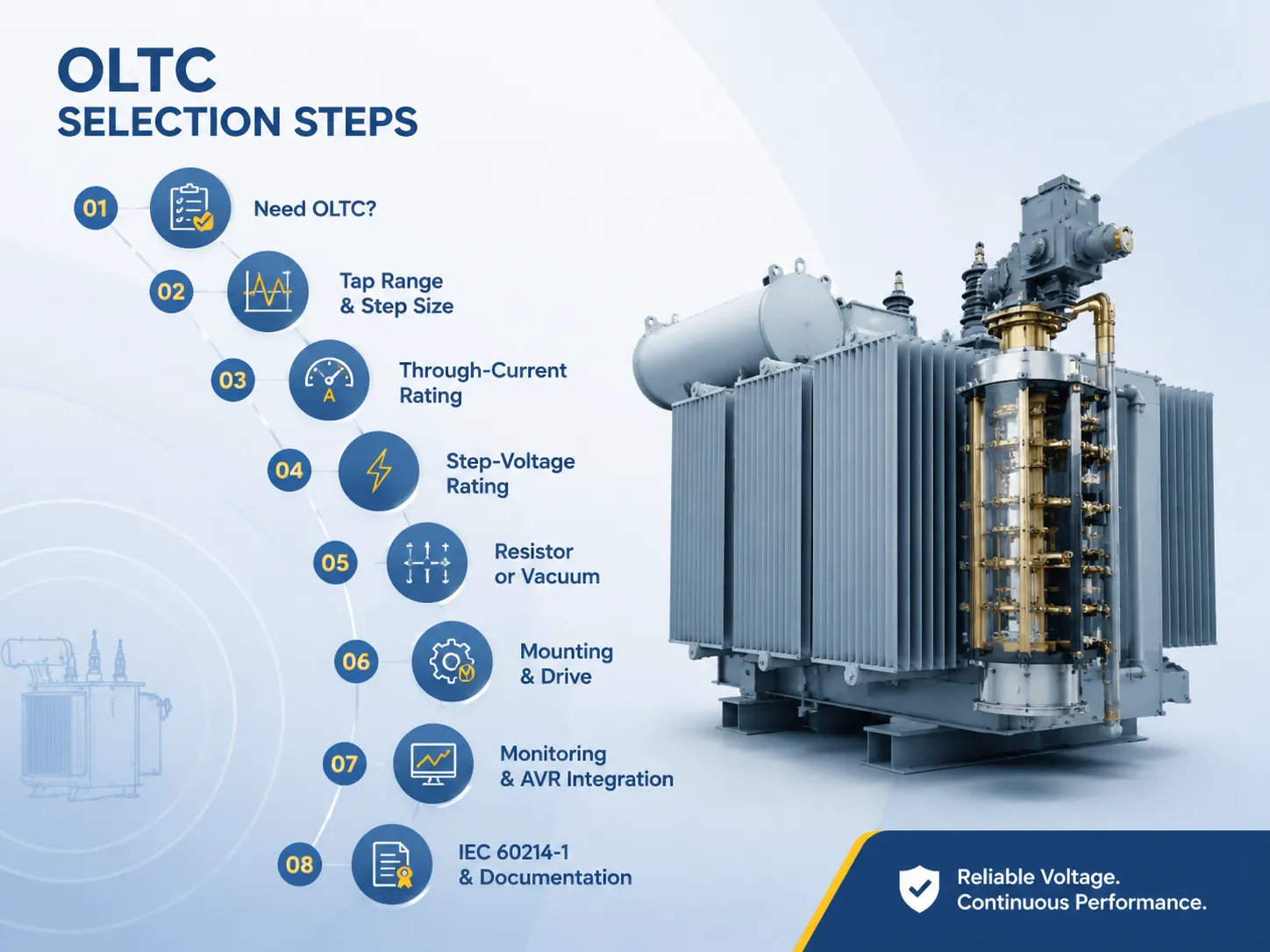
إجراء اختيار خطوة بخطوة
- تقييم ما إذا كان OLTC ضروريًا. إذا كانت المصدر والحمل مستقرين، قد تحتاج فقط إلى موصلات يدوية، ولكن في حالة محول الطاقة، فإن التنظيم التلقائي مطلوب تقريبًا دائمًا.
- تحديد حجم ونطاق خطوة الموصل وفقًا للتنظيم الداخلي للمحول وتقلبات الجهد.
- تحديد سعة التيار بناءً على الحد الأقصى للتيار المتاح أثناء التشغيل المستمر مع الأحمال الزائدة.
- التحقق مرة أخرى من جهد الخطوة مع جهد الموصل من موصل إلى موصل للملف المنظم.
- اتخاذ قرار بشأن استخدام المقاومات أو الفراغ بناءً على الميزانية، مجال التطبيق وتكرار التبديل.
- تحديد ما إذا كان التركيب على البرج أو الرأس مطلوبًا واتخاذ قرار بشأن محرك المحرك، مع التأكد من أنه يتحمل الجهد الصحيح ويدير.
- قائمة متطلبات المراقبة ومتطلبات دمج منظم الجهد التلقائي بما في ذلك الموضع، العداد، مستوى الزيت، وبروتوكولات الاتصال.
- التأكد من توفر شهادة الاختبار النوعي واختبار العملية وفقًا لـ IEC 60214-1، وإدراج تسمية OLTC في العقد.
التشغيل، المراقبة، والصيانة
الحاجة إلى صيانة OLTC تتأثر بشكل كبير بنوع OLTC ومدى تكرار تشغيله وإيقافه. تشمل التوصيات:
- تتبع عدد مرات تشغيل OLTC كل شهر. قد يقوم OLTC المستخدم مع محول الطاقة بإجراء 1,000-10,000 تبديل في السنة؛ لذلك، يجب حساب فترات الصيانة بناءً على عدد العمليات، بدلاً من عدد السنوات.
- في OLTCs المقاومة، يجب اعتبار زيت تركيب المبدل بشكل منفصل عن الزيت في الخزان الرئيسي، حيث يتم كربونته أثناء عملية التبديل ويتدهور بشكل أسرع؛ قم بتصفية أو استبداله وفقًا للفترة المحددة من قبل الشركة المصنعة (~100,000 تبديل).
- في OLTCs الفراغية، لا يحدث تلوث أثناء التشغيل؛ وبالتالي، قد تكون الفترات أطول بكثير (~300,000 تبديل)؛ ومع ذلك، يجب فحص الآلية والمحرك في كل رحلة رئيسية.
- يجب التحقق من عزم دوران محرك القيادة، وموقع مفتاح AVR، وموقع مؤشر الموضع كل عام.
- راقب درجات الحرارة والضغوط لزيت المبدل؛ تشير القفزة في درجة الحرارة إلى عطل في الاتصالات أو عملية تبديل غير طبيعية.
- تسجيل عداد التشغيل هو الأكثر فعالية من حيث التكلفة حيث يغير “قم بالصيانة كل خمس إلى سبع سنوات” إلى “قم بالصيانة كل 100,000 عملية”، مما يعني فرقًا كبيرًا لمحول مشغول.
تختلف الصيانة المطلوبة من تصميم لآخر بشكل كبير. يجب مقارنة النوعين الرئيسيين من OLTC بناءً على نفقاتك.
| عنصر الصيانة | OLTC من النوع المقاوم | OLTC من النوع الفراغي |
|---|---|---|
| فترة تغيير زيت المبدل | ~100,000 عملية | ~300,000 عملية |
| معدل كربنة الزيت | معتدل إلى مرتفع | منخفض جدًا |
| فترة فحص الاتصالات | عند كل تغيير زيت | كل تغيير زيت 2-3 |
| صيانة محرك القيادة | نفس الشيء لكليهما (فحص سنوي) | نفس الشيء لكليهما |
| تكلفة الصيانة المقدرة لمدة 20 عامًا | $8,000-$20,000 | $4,000-$10,000 |
الأسئلة المتكررة
كم يكلف محول التبديل تحت الحمل؟
ما هو نطاق التبديل الذي يجب أن أحدده لمحوّلي الرئيسي؟
ما الفرق بين محول التبديل تحت الحمل من نوع المقاومة ومحول التبديل تحت الحمل من نوع الفراغ؟
كم مرة يحتاج OLTC إلى صيانة؟
هل يمكنني تعديل قاطع التوصيل تحت الحمل لمحول موجود؟
نادراً ونادراً ما يكون ذلك اقتصادياً. يجب أن تناسب لفائف التنظيم، وتركيب البرج، وفتحات الخزان، والتبريد جميعها OLTC، ولم يتم تصميم معظم المحولات ذات التوصيلات الثابتة لذلك أبداً. إذا كنت بحاجة إلى تنظيم مستمر على وحدة قائمة، فكر في استخدام محول تنظيم الجهد المنفصل أو منظم جهد متسلسل بدلاً من ذلك. خلاف ذلك، حدد OLTC في مرحلة التصميم.
المراجع
- IEC 60214-1 — محولات التوصيل، متطلبات الأداء وطرق الاختبار — المعيار الأساسي لـ OLTC الذي يغطي الاختبارات النوعية والتصنيفات.
- IEC 60214-2 — محولات التوصيل، دليل التطبيق — إرشادات الاختيار للنطاقات، والخطوات، والتصنيفات.
- IEEE C57.131 — متطلبات محولات التوصيل تحت الحمل — المعيار الأمريكي الشمالي لـ OLTC.
- MR Reinhausen — بوابة محول التوصيل — الوثائق وبيانات دورة الحياة لمصنع OLTC الرائد VACUTAP/OILTAP.
- IEC 60076-1 — المحولات الكهربائية، المتطلبات العامة — سياق على مستوى المحول لدمج واختبار محولات التوصيل.
- محولات ABB — مرجع لدمج المحول ومحولات التوصيل.
الخاتمة
اختيار محول التوصيل تحت الحمل لمحول رئيسي هو عملية تعتمد على الحقائق. تحدد تقلبات الجهد وتنظيم المحول النطاق، بينما تحدد قدرة التيار والتبديل للمحول الناتج. طالما تم القيام بكل شيء بشكل صحيح، سيؤدي OLTC وظائفه لسنوات عديدة.
- احسب نطاق التوصيل باستخدام قيم الجهد الفعلية والتنظيم الداخلي.
- قيم OLTC وفقاً لأداء التحميل الزائد، وليس فقط التصنيف الموجود على اللوحة.
- اختر النوع الفراغي عندما يكون هناك تبديل متكرر ولا يوجد شخص.
- تابع سجلات الأداء، سجل العداد واحتفظ بشهادة الاختبار النوعي المرفقة بالعقد.