


都市高速道路トンネルの両端の間にあるスイッチルームを夏の真っ最中に訪れ、その状態を見ると、答えが得られます。トンネルの換気および照明システムの主な電源である800kVAトランスは、数ヶ月間、湿度レベルが85%を超える部屋の中にあります。毎晩、タンク表面に凝縮が形成されます。部屋の壁には、道路から降ろされた除氷材料による塩の堆積物が原因でできた汚れが見られます。メンテナンス履歴には、湿気によってLVバスバーに短絡が発生する問題のために、今年3回リレーを切断した事例が記載されています。油のテストでは、水分が42 ppm含まれており、許容値の30 ppmを超えており、紙製の絶縁体の劣化を引き起こします。.
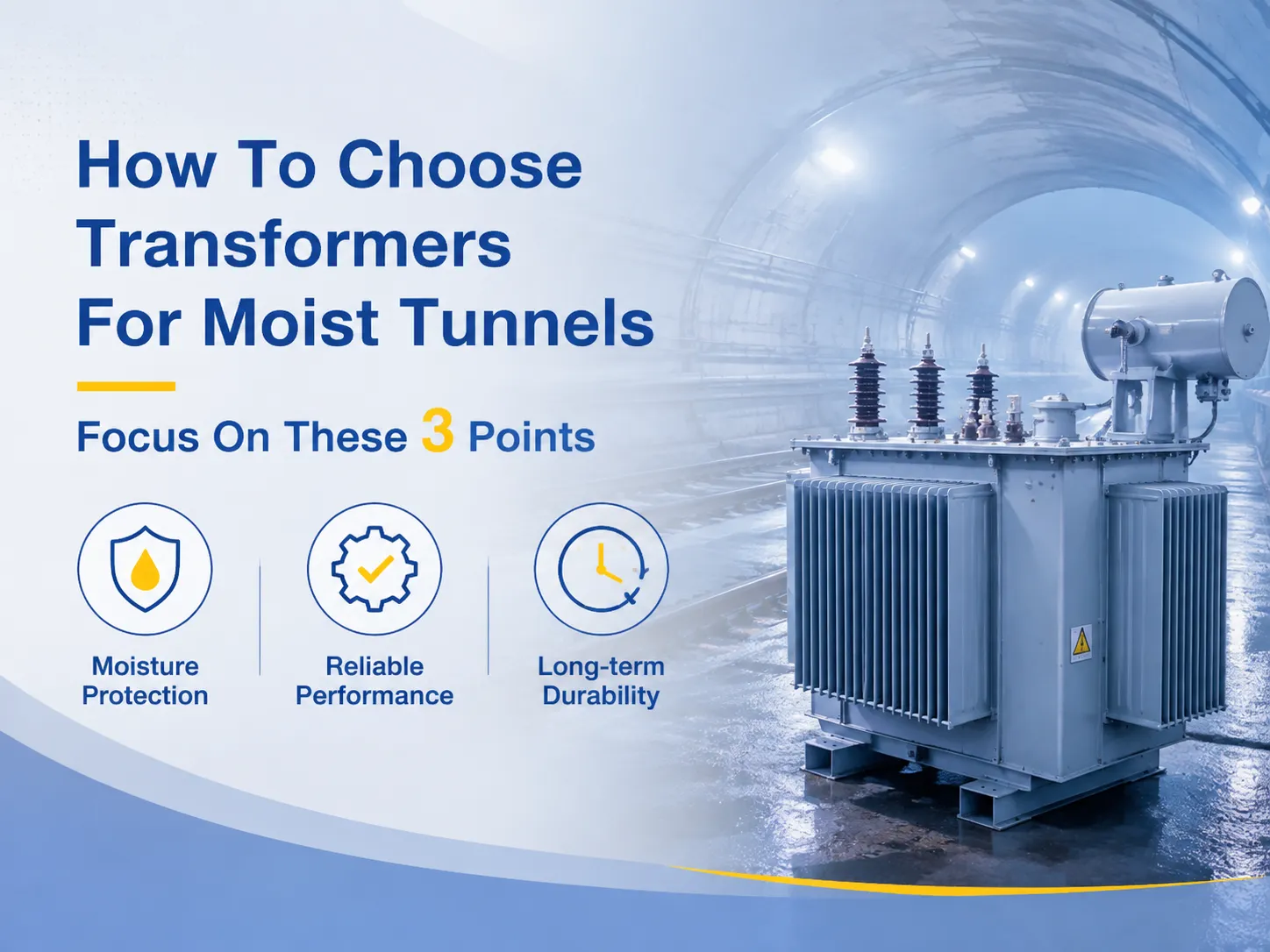
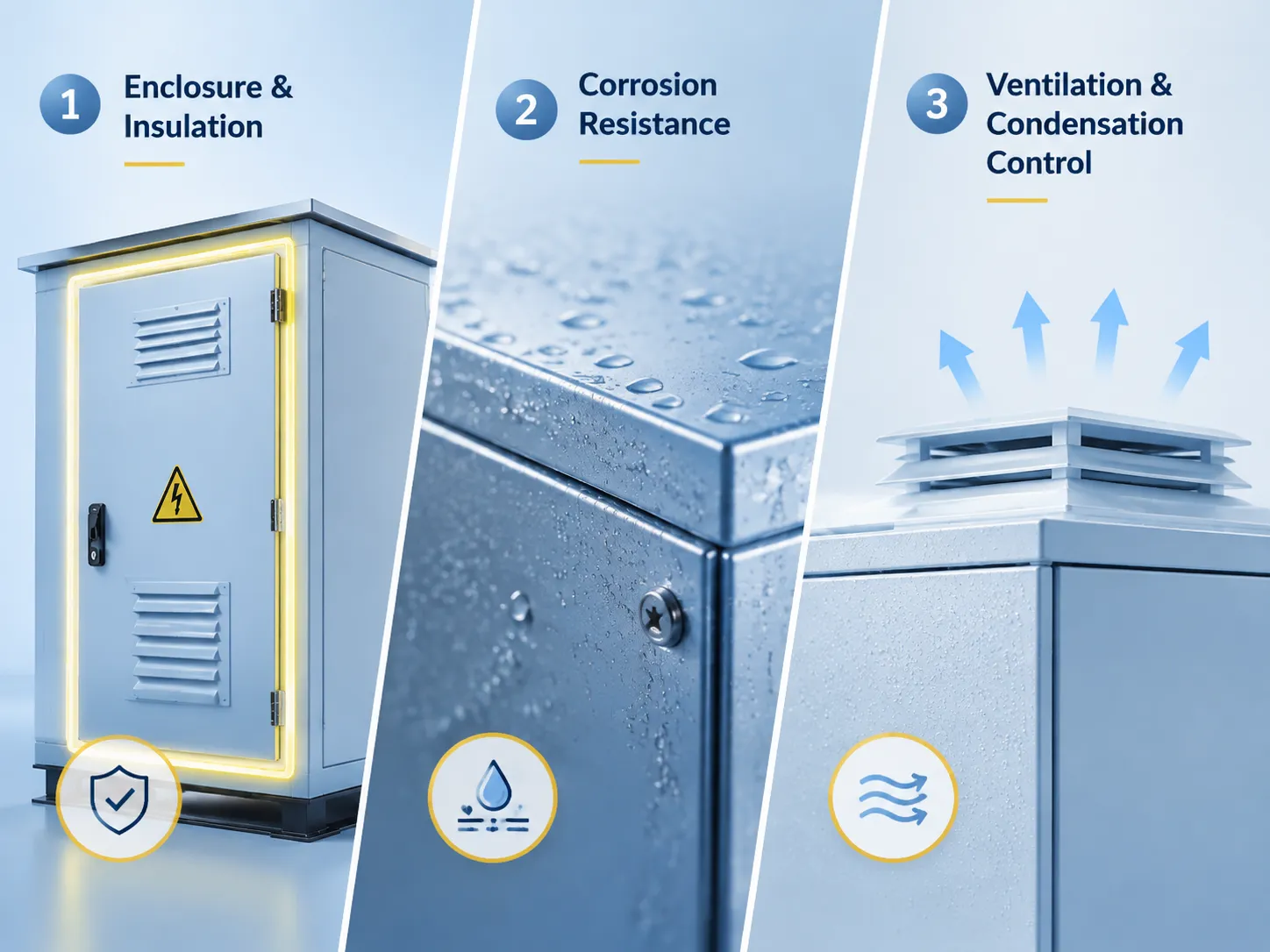
トンネルは湿気が多いため、トランスを使用するのが最も厳しい場所の一つです。この記事では、トンネル用のトランスを選定する際に考慮すべき3つの重要な問題を紹介します:絶縁およびエンクロージャ保護、材料選定および腐食保護、換気および凝縮制御です。.
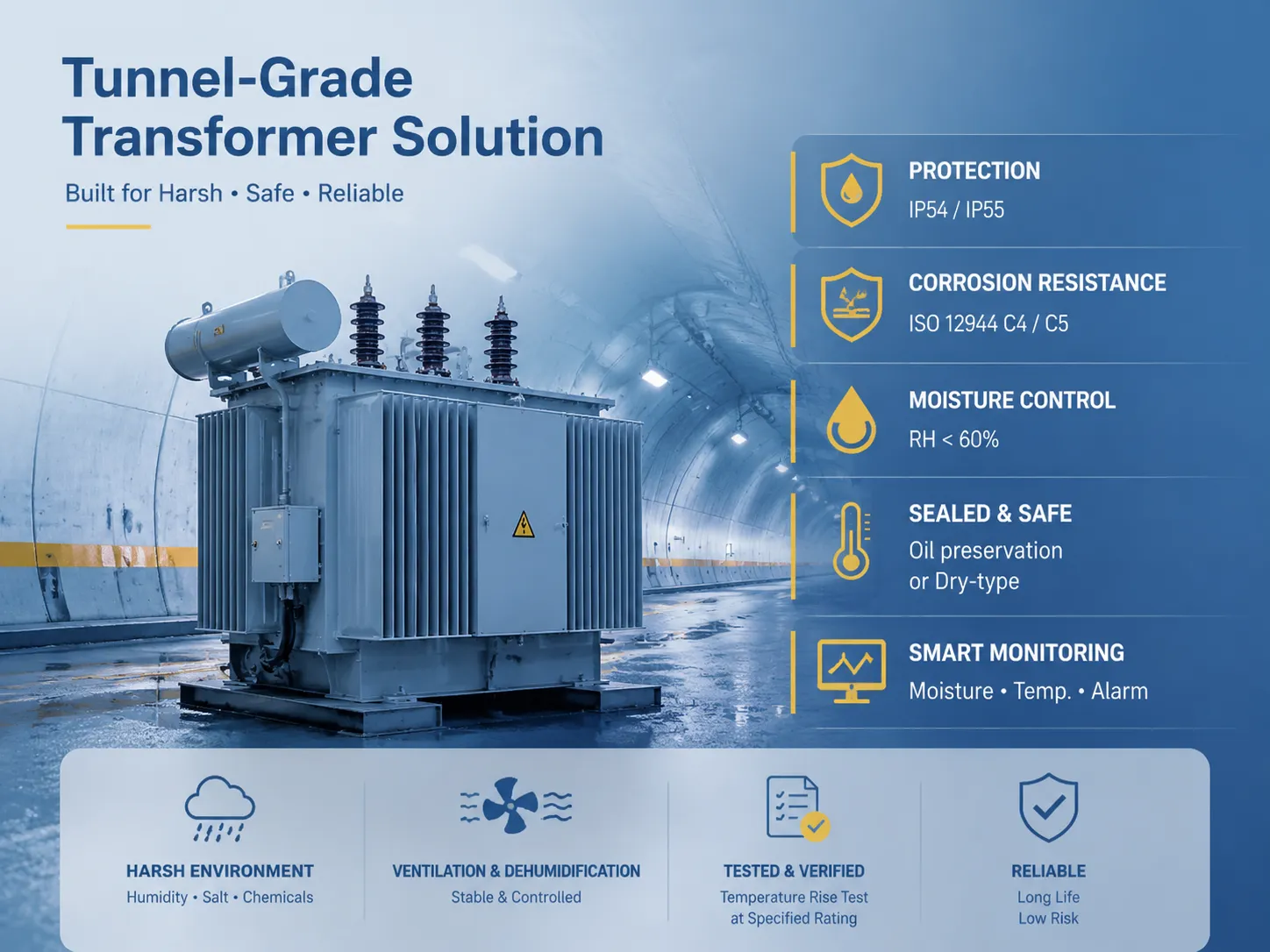
簡潔な答えはここに示されています:湿ったトンネル用のトランスを選定する際には、3つのことを考慮する必要があります:(1)エンクロージャおよび絶縁による保護 - 乾式トランスの場合、IP54およびIP55等級のエンクロージャを指定する必要があります。油浸トランスの場合、腐食に強い材料で作られた密閉タンクを指定する必要があります;(2)腐食に強い材料 - ステンレス鋼または重耐久粉体塗装材料で作られたエンクロージャ、ISO 12944に基づくC3/C4腐食性クラスに適合した仕上げ、高湿度に対応した熱帯化絶縁;(3)換気および凝縮防止 - 空気の制御された交換、抗凝縮ヒーター;湿度コントローラー。.
湿ったトンネルがトランスを破壊する理由
湿った環境でのトランスの故障は、通常、瞬時の電気事故ではなく、むしろ徐々に進行する化学的および物理的プロセスです。主な原因は以下の通りです:
- 絶縁体への湿気:油浸トランスでは、湿気がブリーザー、ガスケット、凝縮を通じて侵入します。トランス油中の湿度が30 ppmを超えると、紙絶縁の老化が加速し、通常の2倍の湿度で寿命が半減します。50〜60 ppmでは、過負荷時に気泡が形成され、誘電体故障を引き起こす可能性があります。.
- 表面トラッキングおよびクリーぺージ:乾式巻線およびブッシングでは、湿気が塵や塩と共に導電性チャネルを形成し、部分放電やフラッシュオーバーを引き起こします。.
- タンク、フィッティングおよび接続の腐食:塩を含む凝縮水がタンク、ラジエーターのフィン、ケーブルフィッティングおよびボルト接続を攻撃し、接触抵抗を上昇させ、最終的に熱接合を引き起こします。.
- 制御および低電圧コンパートメントの凝縮:温度変動により、水分がバスバーや電子モジュールに凝縮し、1回の凝縮事件が相間フラッシュオーバーを引き起こす可能性があります。.
そして統計は物理学を確認します:沿岸およびトンネルサイトの変圧器は、乾燥した内陸地域のユニットに対して2〜3倍の故障率を示し、湿気による絶縁劣化が法医学的調査で見つかった主な故障原因です。解決策はメンテナンスではなく、取得時の正しい仕様です。.
ポイント1:エンクロージャーおよび絶縁保護
主な質問は、湿気が絶縁に影響を与えないようにする方法です。仕様言語に関しては、正確であることが重要です:
| 要素 | 標準 / 要件 | トンネルグレード仕様 |
|---|---|---|
| 乾式エンクロージャー | IEC 60529 IP等級 | 最低IP54;水噴霧が可能な場合はIP55 |
| 油浸タンク | IEC 60529 + 密閉設計 | 油保存システム(窒素ブランケットまたはガス吸着型)を備えた密閉タンク |
| ブッシングおよび端子 | IEC 60529 / IEC 60076によるクリープ | 拡張クリープ距離、シリコンまたはエポキシシェッド、IP54ケーブルボックス |
| 制御 / LVコンパートメント | IEC 60529 | ガスケット付きドアおよびブリーザーフィルターを備えたIP55コンパートメント |
| 絶縁システム | IEC 60076-11(乾式)、IEC 60076-1(油) | 熱帯化された絶縁、データシートに記載された水分含有限度 |
一般的な誤りは、IP23またはIP31エンクロージャーを指定することです — それらは屋内の産業用途には適しているかもしれませんが、トンネルの恒常的な湿気条件にさらされる場合には機能しません。IPの改善の各パーセンテージは通常、ユニットあたり約400〜1,500ドルのコストがかかり、IP31とIP55の違いがトンネル変圧器が5年間持つかどうかを決定します。.
ポイント2:耐腐食性および材料
意思決定における2番目に重要なポイントは材料の選択です。湿気の多いトンネル環境では、表面仕上げと金属の品質は電気システムの設計と同様に重要です。適用される標準はISO 12944(鋼構造用塗料およびコーティング)であり、大気の腐食性をC1(換気された内部)からC5-X(非常に強い)までのカテゴリに分けます。車両からの飛沫があるトンネルは一般的にC3またはC4と認識され、塩分が豊富なトンネルはC5-Iカテゴリに達することがあります。.
| コンポーネント | 標準仕様 | トンネルグレード仕様 |
|---|---|---|
| タンクおよびエンクロージャーのコーティング | ISO 12944 C2/C3、単層コート | C4またはC5コーティングシステム、最小120〜240µmの乾燥膜厚 |
| エンクロージャーシェル材料 | 冷間圧延鋼、塗装 | ステンレス鋼(304/316)または熱浸漬亜鉛メッキ + 重い粉体塗装 |
| ファスナーおよびフィッティング | 亜鉛メッキ鋼 | ステンレス鋼ファスナー、真鍮またはステンレスケーブルグランド |
| ラジエーター / 冷却フィン | 標準炭素鋼 | コーティング損失を補うためのコーティングされたフィンまたは冷却マージンの増加 |
| シリカゲルブリーザー | 標準 | 色指示器付き試薬グレードのシリカゲル、大きなボリューム |
コスト影響は存在しますが、限られています。C2からC4コーティングに移行することで、通常、ユニットあたり$600から$2,500の追加コストが発生します。1,000 kVAの定格を持つ乾式ユニットにステンレス鋼のエンクロージャーシェルを追加すると、$3,000から$8,000のコストがかかります。再塗装のためにサービスから取り外すことができない重要なトンネルインフラに関しては、このコストは利用可能な最も安価な保険の形です。.
ポイント3: 換気と結露制御
第三の基準は、変圧器室またはエンクロージャー内の環境制御です。周囲の空気が凝縮すると、IP55エンクロージャーがどれほど効果的であっても、変圧器を損傷から守ることはできません。この問題に対する可能な解決策は、その効果の順に以下の通りです。
- 防結露ヒーター: 各コンパートメントあたり150–300 Wで、サーモスタットで調整される防結露ヒーターは、表面を露点より3–5 °C高く保つことができます。価格は各コンパートメントあたり$200から$600の間です。.
- 制御された換気: 湿気の多いトンネルでは、自然換気システムさえも役に立ちません。外気が乾燥しているときのみ作動するファンシステムが必要です。コストは$1,500から$5,000です。.
- 除湿: 重要な部屋では、小型の除湿器が湿度レベルを60%未満に保ちます。この場合、コストは$1,000から$3,500です。.
- 加熱ブリーザーと密閉油システム: この解決策は、油浸装置への湿気の侵入リスクを排除します。価格は上記のオプションに含まれています。.
エンジニアリングタスクはシンプルで明確です: 機器のゾーン内の湿度レベルを60%以上、表面温度を露点以上に保つ必要があります。これらの対策は変圧器の仕様パッケージに含めるべきであり、追加の土木工事として扱うべきではありません。変圧器メーカーが湿気防止の責任を負うべきです。.
トンネル用変圧器の種類
主要な変圧器ファミリーの両方はトンネルに適したものにすることができますが、選択はコスト、フットプリント、火災安全に影響を与えます。
| タイプ | トンネルでの強み | 弱点 | 典型的な価格、1,000 kVA (USD) |
|---|---|---|---|
| 乾式(キャストレジン) | 油漏れリスクなし、火災安全、低メンテナンス、適切なエンクロージャーでの良好な湿気性能 | 高コスト、エンクロージャーなしで持続的な高湿度に敏感 | $18,000–$32,000 |
| 密閉油浸 | 低コスト、実績あり、密閉タンクは侵入に耐える | 油の保持と火災の考慮; コーティングが失敗した場合のタンク腐食リスク | $12,000–$22,000 |
| ステンレス鋼の乾式 | 最大の腐食抵抗、塩トンネルに最適 | 最高コスト | $25,000–$40,000 |
鉄道トンネルや高速道路トンネルの場合、乾式変圧器は通常、耐火室での最良の選択肢です。なぜなら、トンネル内で火災が発生した場合、変圧器が危険をもたらす可能性があり、人々が逃げるための選択肢があまりないからです。公共事業のダクトや地下トンネルでは火災リスクが異なる方法で管理されるため、最良の選択肢は油浸変圧器になります。.
トンネル用の乾式と油浸の比較
湿ったトンネルにおける2つのファミリーの選択は、以下の5つの要因に基づいています:
| 要因 | ドライタイプ(キャストレジン) | 密閉型油浸 |
|---|---|---|
| 湿気処理 | IP54+エンクロージャーで良好;絶縁体の湿気は乾燥によって回復可能 | 密閉タンクは侵入を防ぎ;油の湿気は監視する必要がある |
| 防火安全 | 自己消火性、最小限の煙 | 油火災リスク;防火室と containment が必要 |
| メンテナンス | 低;定期的な清掃とサーモグラフィー | 高;油サンプリング、DGA、ブリーザーサービス |
| コスト(1,000 kVA) | $18,000–$32,000 | $12,000–$22,000 |
| 一般的なトンネル使用 | 道路/鉄道駅および設備室 | ユーティリティダクト、リモートボールト、鉱山サイト |
最終的な勝者はいません。選択は防火基準と修理能力に依存します。重要なのは、選択したシステムが、良好なエンクロージャー保護、耐腐食性、発生する可能性のある結露の除去という3つの基準を満たすことです。.
仕様チェックリスト
- トンネルの条件を確認してください:湿度レベル、塩分量、換気、適用される化学物質。.
- エンクロージャーとコンパートメントは、少なくともIP54に準拠する必要があります(トンネル内で水が噴霧される場合はIP55に準拠することが推奨されます)。.
- ISO 12944 C4(または塩トンネル用のC5)コーティングは、契約において乾燥膜厚を指定する必要があります。.
- 深刻な腐食が発生する場合は、ステンレス鋼または重コーティングシェルを使用する必要があります。.
- 油浸機器には密閉油保存を適用し、火災危険区域では乾燥工法を利用する必要があります。.
- 防結露ヒーター、除湿ユニットを備えた湿度制御換気をプロジェクトに統合する必要があります。.
- 湿気含量もデータシートに記載する必要があります。.
- 監視を追加:油湿気センサー、巻線温度センサー、漏れ/結露センサー。.
トップブランドと価格比較
トンネルグレードの変圧器の製造業者には、国際的なリーダーと専用の生産者が含まれます。表は、IP54+トンネルグレードケースとC4処理を備えた10/0.4 kVの1,000 kVA乾燥変圧器の価格を提供します;油型変圧器は約35-45%安価になります。.
| ブランド | 国 | トンネル関連の強み | 指標価格(USD) |
|---|---|---|---|
| シュナイダーエレクトリック | フランス | 強力な乾燥型およびIP55エンクロージャーポートフォリオ | $22,000–$34,000 |
| シーメンス | ドイツ | トンネルインフラストラクチャの参照、デジタルモニタリング | $23,000–$36,000 |
| ABB | スイス | ブロードキャスト樹脂および密閉タンク範囲 | $22,000–$35,000 |
| イートン | 米国 | 工業用乾式深さ、カスタムエンクロージャ | $20,000–$32,000 |
| 日立エナジー | 日本/スイス | 大規模インフラ変圧器の専門知識 | $24,000–$38,000 |
| 江蘇省蘇辺電力 | 中国 | IEC 60076準拠のユニット、IP54/55、C4コーティング、ステンレスオプション | $15,000–$26,000 |
国際的な製造業者は、厳格な認証および保険要件を持つプロジェクトにとって重要な要件である優れた建設慣行と包括的な文書専門知識を提供します。江蘇省蘇辺電力はこの分野で積極的に参加しており、IP55エンクロージャ、C4/C5コーティング、ステンレス鋼オプション、抗結露加熱システム、湿度モニタリングなどの企業特有の仕様を満たすIEC 60076準拠の乾式および油浸変圧器を製造しています。価格は、欧州または米国の同業者よりも45-60%低くなっています。換気、照明、排水のための複数の変圧器室の建設オプションの評価に関しては、サブビアンはカスタマイズ製品の生産における柔軟性と優れた工場試験立会システムにより、国際企業に対する価値ある代替案として提示されます。.
よくある質問
トンネル内の変圧器にはどのIP等級が必要ですか?
変圧器の最低受け入れ可能なIP等級はIP54ですが、清掃や水漏れにさらされる場合はIP55が望ましいです。IP54等級の意味は、粉塵が侵入せず、あらゆる方向からの水の飛沫から保護されていることです。一方、IP55は清掃用の水流から保護します。IP23よりも高いIP等級で動作する機器を設置する場合、少なくとも$400–$1,500の追加費用がかかります。.
トンネルグレードの変圧器は標準のものと比べてどれくらいのコストですか?
標準の1000 kVA乾式変圧器のコストは$13,000–$18,000に達する可能性があります。IP54/55エンクロージャ、C4コーティング、結露制御を備えたトンネルグレードの変圧器のコストは$18,000–$32,000であり、15–30%のプレミアムを意味します。さらに、ステンレス鋼のシェルは追加で$3,000–$8,000かかります。しかし、これは重要なトンネルインフラの中期交換コストと比較すると小さなプレミアムです。.
湿ったトンネルでは乾式変圧器と油浸変圧器のどちらが良いですか?
火災保護が重要な道路および鉄道トンネルでは、乾式変圧器(キャスト樹脂)が好ましい選択肢です。これは自己消火性であり、油の漏れのリスクがありません。一方、油浸変圧器はユーティリティダクト、鉱山作業、非アクセスボールトに対してよりコスト効率が良いです。したがって、火災保護、メンテナンスアクセス、コストが変圧器の種類を選択する際の主要な決定要因であることを理解することが重要です。.
変圧器油の湿度レベルはどのくらいが許容されますか?
トランスのオイルの水分含量は、納入期間中に15-20 ppmを超えてはならないと考えられています。運転中は、オイルの水分含量が30 ppmを超えない限り許容されます。30から50 ppmの範囲にある場合は、より多くの監視が必要です。水分レベルが50 ppmを超えると、トランスの運転中に気泡が形成されるリスクがあります。.
防結露ヒーターは本当にトランスの故障を防ぎますか?
はい、これらはこの記事で言及されているコスト効率の最良の対策の一つです。これらのヒーターはサーモスタットを使用して動作し、$200-$600のコストがかかります。.
参考文献
- IEC 60529 — エンクロージャによって提供される保護の度合い(IPコード) — トランスのエンクロージャーおよびコンパートメントのIP等級を定義する標準。.
- IEC 60076シリーズ — 電力変圧器 — すべてのトンネルトランス仕様の基本設計、試験、および絶縁基準。.
- ISO 12944 — 塗料およびニス:鋼構造物の腐食防止 — トンネルコーティング仕様に使用される腐食性分類(C2–C5)。.
- IEEE C57.106 — 絶縁ミネラルオイルの受入れと保守に関するガイド — オイルの水分限界および解釈に関する権威あるガイダンス。.
- IEC 60076-11 — 乾式電力トランス — 湿気の多い環境におけるキャストレジンユニットの水分およびエンクロージャー要件。.
- AREMA 鉄道工学マニュアル — 北米の鉄道プロジェクトで使用されるトンネル電気および換気インフラガイダンス。.
- Jiangsu Subian Electric Power — 公式サイト — インフラプロジェクト向けのIP54/55、C4コーティングのトンネルグレードトランスの製造業者。.
結論
水分はトランスを損傷させる可能性がありますが、いくつかの推奨事項に従うことでこの問題が発生する可能性を減らすことができます。推奨事項の第一は、トランスを防水設置のある密閉エンクロージャー(IP54以上)内に設置することです。第二の提案は、トランスの鋼製部品を腐食および湿気に耐える材料でコーティングすることです(できれば、ISO 12944 C4/分類度コーティングが適切です)。第三の推奨事項は、換気、加熱システム、および湿度管理(除湿器)を提供することです。.
重要なポイント:
- IP23/IP31エンクロージャーはトンネルでの運転には適していません;IP54/IP55が必須です。.
- ISO 12944に従って、トランスを腐食から保護するためにC4コーティング(塩トンネル用にC5)を使用することを確認してください。.
- トンネル運転用に定格されたトランスを購入する際には、追加で15–30%を支払う必要があります;この方法で、故障することなく25年間信頼できる装置を確保できます。.
- トランスに加熱および湿度管理を提供してください:これにより、トランスの運転中に湿気に関連する問題を回避できます。.