


Der Beschaffungsleiter des Verteilungsunternehmens analysiert drei Angebote, die das Unternehmen für einen Vertrag über 250 Transformatoren erhalten hat. Der erste Bieter hat Preise für S11-Transformatoren eingereicht und bietet das niedrigste Angebot an. Der zweite Bieter hat einen Vorschlag für amorphe Kerntransformatoren unterbreitet und versprochen, dass die Verlustdifferenz in nur 14 Monaten ausgeglichen wird. Der dritte Bieter behauptet, in der Lage zu sein, Transformatoren zu liefern, die mit Ester gefüllt und mit einer Online-DGA-Überwachung ausgestattet sind. In der Vergangenheit wäre es unmöglich gewesen, den Ausschreibungsprozess zu verlieren, wenn man den niedrigsten Preis angeboten hat. Heute sind die Vorstandsmitglieder gespannt darauf, wie viel es kosten wird, die Transformatoren in den nächsten 25 Jahren zu besitzen, welchen Einfluss die Transformatoren auf die Umwelt haben werden und wie man digitale Technologien in Bezug auf diese Transformatoren implementieren kann.
In diesem Artikel werden wir die wichtigsten Trends analysieren, die die Branche der ölgetauchten Transformatoren heute verändern, einschließlich der Vorschriften zur Energieeffizienz, der Verwendung von umweltfreundlichem Öl, der digitalen Überwachung, den Materialpreisen und den Veränderungen in der Lieferkette.
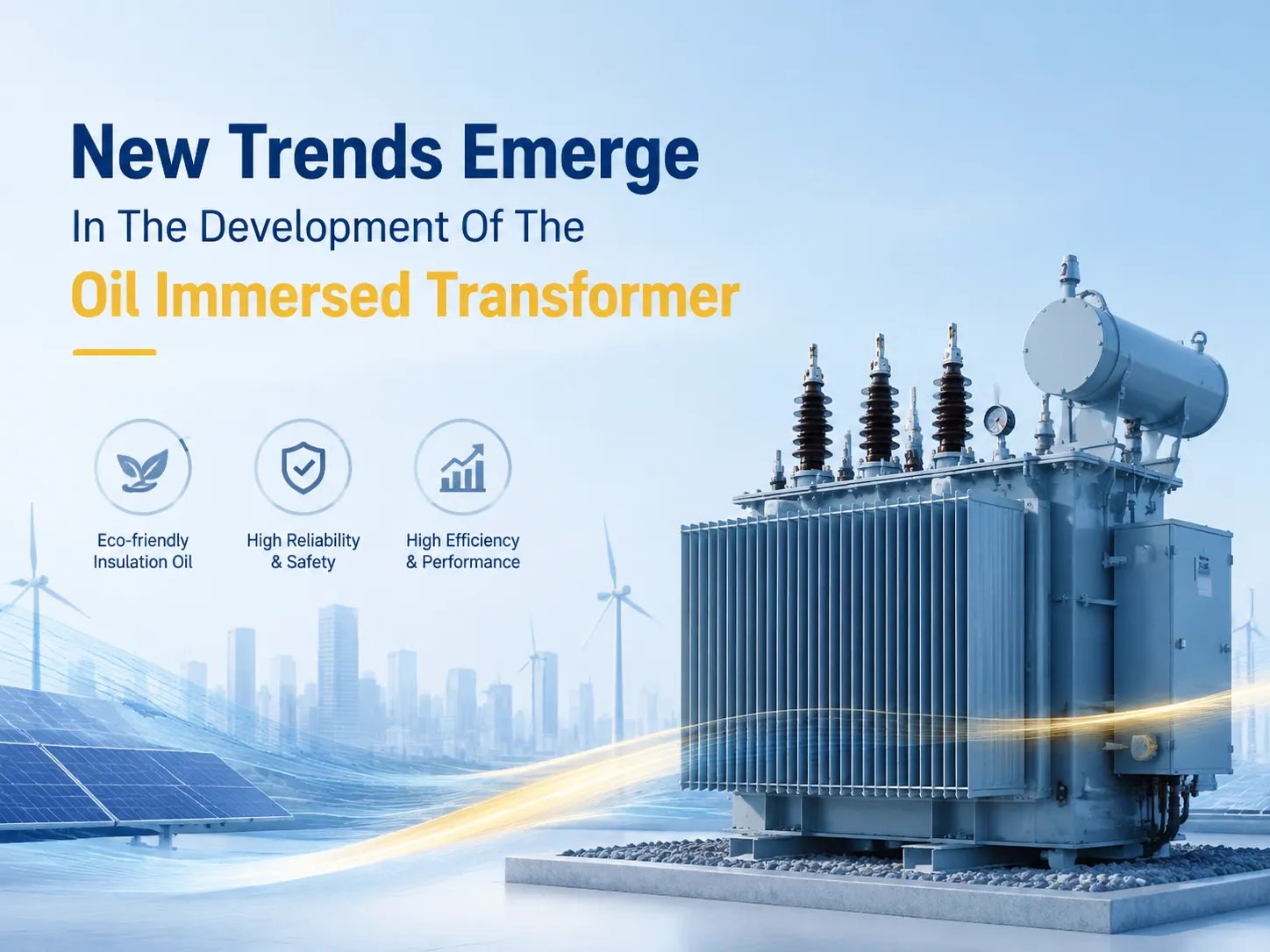
Die wichtigen Trends in der Branche der Transformatorensysteme sind wie folgt: (1) strenge Vorschriften bezüglich der Implementierung von Geräten – Anforderungen, die von der Europäischen Union für Ökodesign sowie vom Energieministerium in den USA und Chinas GB 20052 festgelegt wurden, führten die Hersteller zur Produktion von Transformatoren mit amorphem Metall und Niederdruck-CRGO-Kernen, da diese Technologien zu einer Reduzierung der Leerlaufverluste um 20-70% im Vergleich zu den traditionellen S9-Transformatoren führen; (2) der Trend zur Anwendung von Esterflüssigkeiten, deren Flammpunkt über 300° im Vergleich zu Mineralöl (160°) liegt; (3) Anwendung digitaler Technologien wie Online-DGA, IoT-Sensoren und KI, da diese Technologie nun auch bei Verteilungstransformatoren mit geringeren Leistungen unterhalb der vorherigen 50 MVA zum Einsatz kommt; (4) Industrialisierung der Lieferkette – neue Fabriken werden in den USA, Europa, Indien und Saudi-Arabien gebaut; (5) Preisvolatilität.
Der Marktüberblick
Der globale Transformatorenmarkt ist erheblich und wächst, bedingt durch Investitionen in Netzsysteme, Elektrifizierung und Integration erneuerbarer Energiequellen. Verschiedene Branchenberichte schätzen den Markt für Leistungs- und Verteilungstransformatoren auf $40 – 55 Milliarden pro Jahr, wobei der herausragende Teil der gelieferten MVA durch ölgetauchte Technologie bereitgestellt wird. Diese Technologie, die immer noch etwa 75–80% aller Lieferungen von Leistungs- und Verteilungstransformatoren abdeckt, wird weiterhin bevorzugt, da die Ölkühlmethode sich als sehr wirtschaftlich für die Mehrheit der Nennwerte erwiesen hat.
Die Enge des Transformatorenmarktes ist zu beobachten. Insbesondere haben sich die Lieferzeiten für Transformatoren in einigen Bereichen in den frühen 2020er Jahren von 18 auf 36 Monate verlängert, während die Preise für elektrische Stähle und Kupfer instabil waren. Daher haben sowohl Versorgungsunternehmen als auch Hersteller gelernt, Kapazitäten im Voraus zu sichern und Vereinbarungen mit Produzenten zu treffen sowie Flotten von Geräten zu standardisieren.
Effizienzregulierung: Der entscheidende Treiber
Die Regulierung ist der größte Einflussfaktor in diesem Segment der Industrie, da sie die “billige und ineffiziente” Option ausschließt:
| Markt | Instrument | Effekt |
|---|---|---|
| Europäische Union | Ökodesign-Verordnung 548/2014, geändert 2019/1783 | Verpflichtende Verlustgrenzen; ineffiziente Klassen werden schrittweise abgeschafft |
| Vereinigte Staaten | DOE 10 CFR Teil 431 | Steigende Mindesteffizienz; die Bestellung von 2022 verschärfte die Werte erneut |
| China | GB 20052-2020 | Verbindliche Effizienzklassen; S7/S9-Flotten werden außer Betrieb genommen |
| Indien | BEE-Effizienzkennzeichnung | Sternbewertete Verteilungstransformatoren |
| Globale Kreditgeber | Grüne Beschaffungsrichtlinien | Verlusteinsparungen in die Ausschreibungsevaluierung kapitalisiert |
In Bezug auf die Ergebnisse könnte man sagen, dass in Europa neue Regeln einen Durchbruch geschaffen haben: Die Verluste in Verteilungstransformatoren sind jetzt um 20-40% im Vergleich zur Situation vor der Regulierung gesenkt worden. In China hat GB 20052-2020 die Energieeffizienzklassen Teil des Ausschreibungsprozesses gemacht, wodurch der Übergang von der S9-Serie zu S11, S13 und amorphen Designs ausgelöst wurde. Infolgedessen spielt es für alle Beteiligten an Käufen keine Rolle mehr, ob ein Gerät “energieeffizient” ist oder nicht, da dies nun die Mindest- und Pflichtanforderung ist.
Materialien: Amorph, CRGO und Preisvolatilität
Das Hauptmaterial bestimmt die Leerlaufverluste und legt den Grundstein für die Auswahl der in der Industrie verwendeten Materialien.
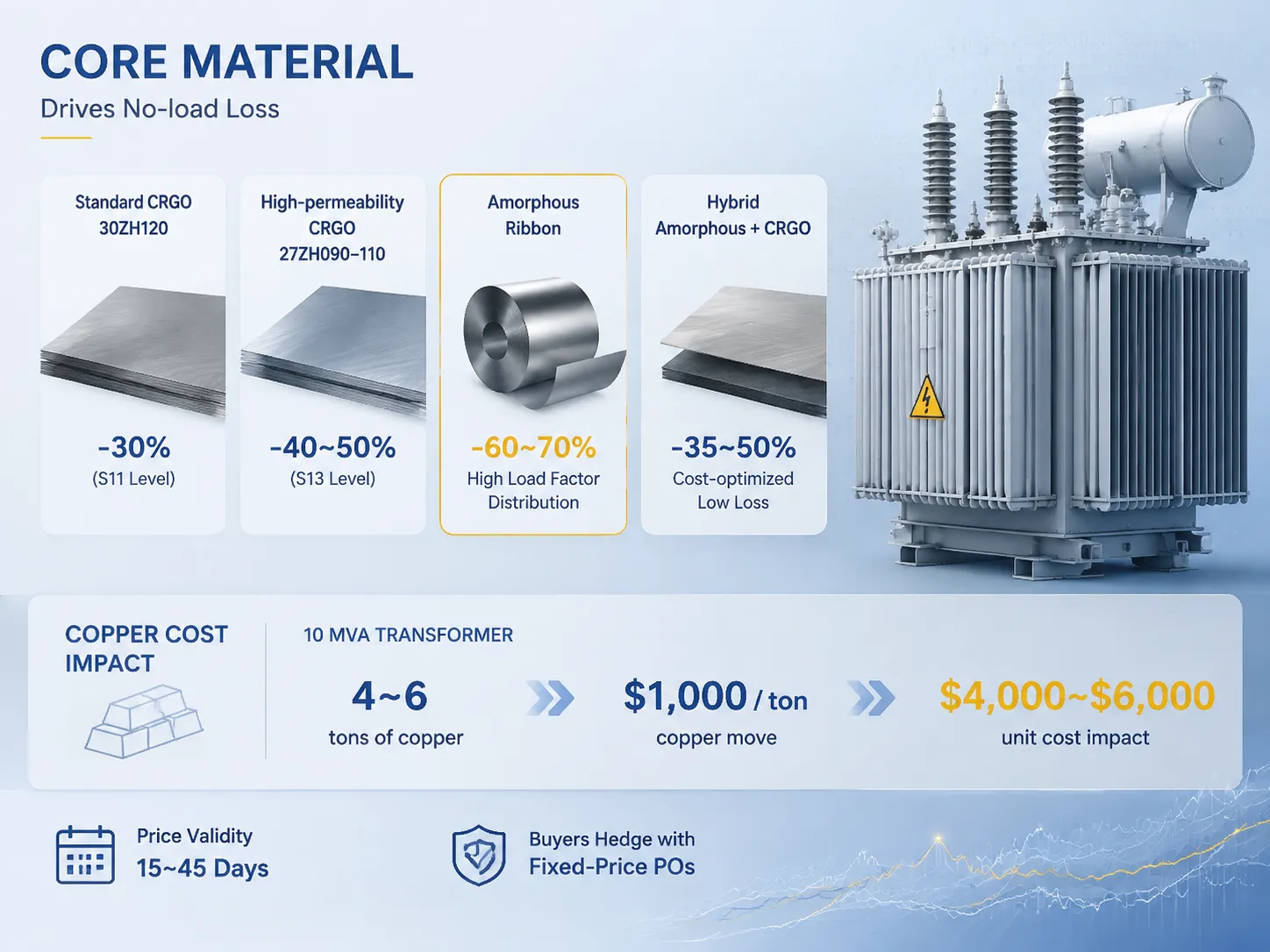
- Regelmäßiges CRGO (wie 30ZH120): Das Material, das für S11-Transformatoren verwendet wird, aber in Bezug auf Effizienz und Kosten ineffektiv ist.
- Hochpermeables, laserbearbeitetes CRGO (27ZH090 bis 110): Reduziert die Kernverluste um 10 bis 20 Prozent im Vergleich zum regulären Material und wird in S13 und relativ leistungsstarken S11-Transformatoren verwendet.
- Amorphe Bänder: Die Verlustniveaus liegen derzeit 60 bis 70 Prozent niedriger im Vergleich zu regulärem CRGO und gewinnen im Verteilungsbereich bis fast 2500 kVA und darüber zunehmend an Bedeutung.
Die Kosten für diese Materialien haben erhebliche Auswirkungen auf die gesamte Industrie, da die Preise für kornorientierte elektrische Bleche im Laufe eines Jahres von 20 bis 40% schwankten und es nur sehr wenige Hersteller von amorphen Bändern gibt.
| Kernmaterial | Leerlaufverlust im Vergleich zu S9 | Typische Anwendungen | Lieferhinweis |
|---|---|---|---|
| Standard CRGO (30ZH120) | −30% (S11-Niveau) | Volumenverteilung | Weit verbreitet |
| Hochpermeables CRGO (27ZH090–110) | −40–50% (S13-Niveau) | Premium-Verteilung, Leistung | Preise schwanken 20–40%/Jahr |
| Amorphes Band | −60–70% | Hochlastfaktor-Verteilung | Wenige Hersteller; strategischer Input |
| Hybrid amorph + CRGO | −35–50% | Kostenoptimierte Niedrigverluste | Entwurfsabhängig |
Ein Transformator mit einer Kapazität von 10 MVA hat in der Regel etwa 4–6 Tonnen Kupfer; daher beeinflusst ein Anstieg des Kupferpreises um $1.000/Tonne die Kosten des Transformators um $4.000–6.000. Infolgedessen sind Preisangebote für die Leistungstransformatorenindustrie 15–45 Tage gültig, und Kunden verwenden Festpreisbestellungen, um sich gegen Preisschwankungen abzusichern.
Flüssigkeiten: Der Aufstieg der Ester
Obwohl Esterflüssigkeiten häufig als das Hauptelement in Bereichen angesehen werden, in denen Vorschriften oder Risikomanagement entscheidend sind, bleibt Mineralöl heute das führende Produkt auf dem Markt.
| Flüssigkeit | Flammpunkt | Anteil neuer Projekte (geschätzt) | Typischer Preisaufschlag |
|---|---|---|---|
| Mineralöl | ~160°C | 75–85% | Basislinie |
| Natürlicher Ester | >300°C | 10–15% und steigend | +30–60% |
| Synthetischer Ester | >300°C | 3–8% | +60–100% |
| Hochtemperatur-Mineralöl | ~300°C | 2–5% | +20–40% |
Esterflüssigkeiten finden hauptsächlich aus drei Faktoren Akzeptanz: Versicherer bieten Rabatte auf K-Klasse-Flüssigkeiten in Umspannwerken, Umweltbehörden setzen sich für Ester-Einheiten ein, wo Mineralöl verboten wäre, und der langsamere Prozess der Papieralterung in Estern (erhöhte Feuchtigkeitsaufnahme in der Flüssigkeit anstelle von Papier). Die Eintrittsbarrieren umfassen einen höheren Preis, Viskosität bei niedrigen Temperaturen und die geringere Menge an Betriebserfahrung in der Branche; jedoch zeigen alle Anzeichen, dass Esterflüssigkeiten weiterhin Marktanteile gewinnen werden, insbesondere in Europa und Nordamerika.
Digitalisierung und Überwachung
Ein bemerkenswerter Trend ist die abnehmende Größe der Überwachungstechnologie. Mit der Modifikation von Generatoren ist die Online-DGA jetzt auch für Transformatoren in Mittelspannungsanwendungen verfügbar. Wasserstoffmonitore für Einstiegsmaschinen sind für $1500 bis $4000 erhältlich, und Multigasanalysatoren für etwa $8000 bis $40000. IoT-Gateways sind in der Lage, Last-, Temperatur-, Ölstand- und Abgriffpositionsdaten an SCADA- oder Cloud-Dienste zu übertragen.
- KI-Diagnosen ermöglichen es, Probleme Wochen oder Monate im Voraus zu identifizieren.
- Digitale Zwillinge unterstützen die Berechnung von Hotspots und Lebensdauer gemäß den IEC 60076-7-Vorschriften in Echtzeit.
Die wirtschaftliche Begründung ist einfach. DGA für einen 10 MVA, der mit $200-600 pro Jahr belastet wird, während die ungeplante Ausfall, die auftritt, Kosten von $200000-$1000000 hat. Daher bezahlt jede kleine Verbesserung der Ausfallrate die Überwachungsgeräte bei weitem. Man kann sehen, dass die einzige Frage, die sich verbessert, ist, welches Überwachungsniveau für die jeweilige Gruppe von Vermögenswerten verwendet werden sollte.
| Vermögensklasse | Empfohlene Überwachung | Typische jährliche Kosten |
|---|---|---|
| Verteilung <2 MVA | Jährliche Labor-DGA | $150-$400 |
| Verteilung 2-10 MVA | Jährliche DGA + grundlegender H2-Monitor bei kritischen Einheiten | $200-$600 + $1.500-$4.000 (einmalig) |
| Leistung 10-40 MVA | Multigas-Online-DGA, IoT-Telemetrie | $2.000-$8.000 inkl. Daten |
| Leistung >40 MVA / kritisch | Vollständige Online-DGA + digitaler Zwilling | $5,000-$15,000 |
Regionalisierung der Lieferkette
Die weltweiten Erfahrungen mit verlängerten Lieferzeiten — bis zu 18 bis 36 Monate für große Leistungstransformatoren zu Beginn der 2020er Jahre — haben eine strukturelle Reaktion hervorgerufen: Werke entstehen in der Nähe von Verbrauchermärkten.
- USA: Neue und bereits bestehende Transformatorenfabriken profitieren von dem Chain Act von 2022 und den DOE-Standards und konzentrieren sich auf Verteilungstransformatoren und Leistungstransformatoren.
- Europa: Erweiterung der Kapazität von Leistungstransformatoren mit Hilfe von EU-Bemühungen, die darauf abzielen, die Abhängigkeit von wichtigen Transformatorgrößen aus Importen zu verringern.
- Indien: Exportiert Transformatoren und plant nun, seine Kapazität durch den Bau neuer Transformatorenproduktionsanlagen weiter zu erhöhen.
- Saudi-Arabien und der Golf: Neue Industriegebiete und Netzprogramme werden die lokale Transformatorenproduktionskapazität sicherstellen.
Für Käufer hat die Regionalisierung sowohl Vor- als auch Nachteile: Einerseits bedeutet es kürzere Lieferzeiten und reduzierte Transportkosten, andererseits höhere Stückkosten im Vergleich zu Tiefsee-Lieferungen aus China. Daher besteht der optimale Ansatz darin, mehrere Lieferanten zu wählen — für mission-kritische Maschinen an einem einzigen Punkt sollten inländische oder regionale Lieferanten ausgewählt werden; für Großverteilungsflotten sollten Exportlieferanten, die bei den Kosten pro kVA dominieren, ausgewählt werden.
Erneuerbare Energien und Netzbelastung
Die Integration von Solar- und Windenergie hat Käufer dazu veranlasst, ihre Spezifikationen zu ändern. Das bedeutet, dass Transformatoren zur Erfassung erneuerbarer Energien mit maximaler Variabilität in der Last, häufigeren Spannungsänderungen und rigoroseren zyklischen Betriebsbedingungen umgehen müssen als traditionelle Verteilungsgeräte. All dies hat folgende Auswirkungen:
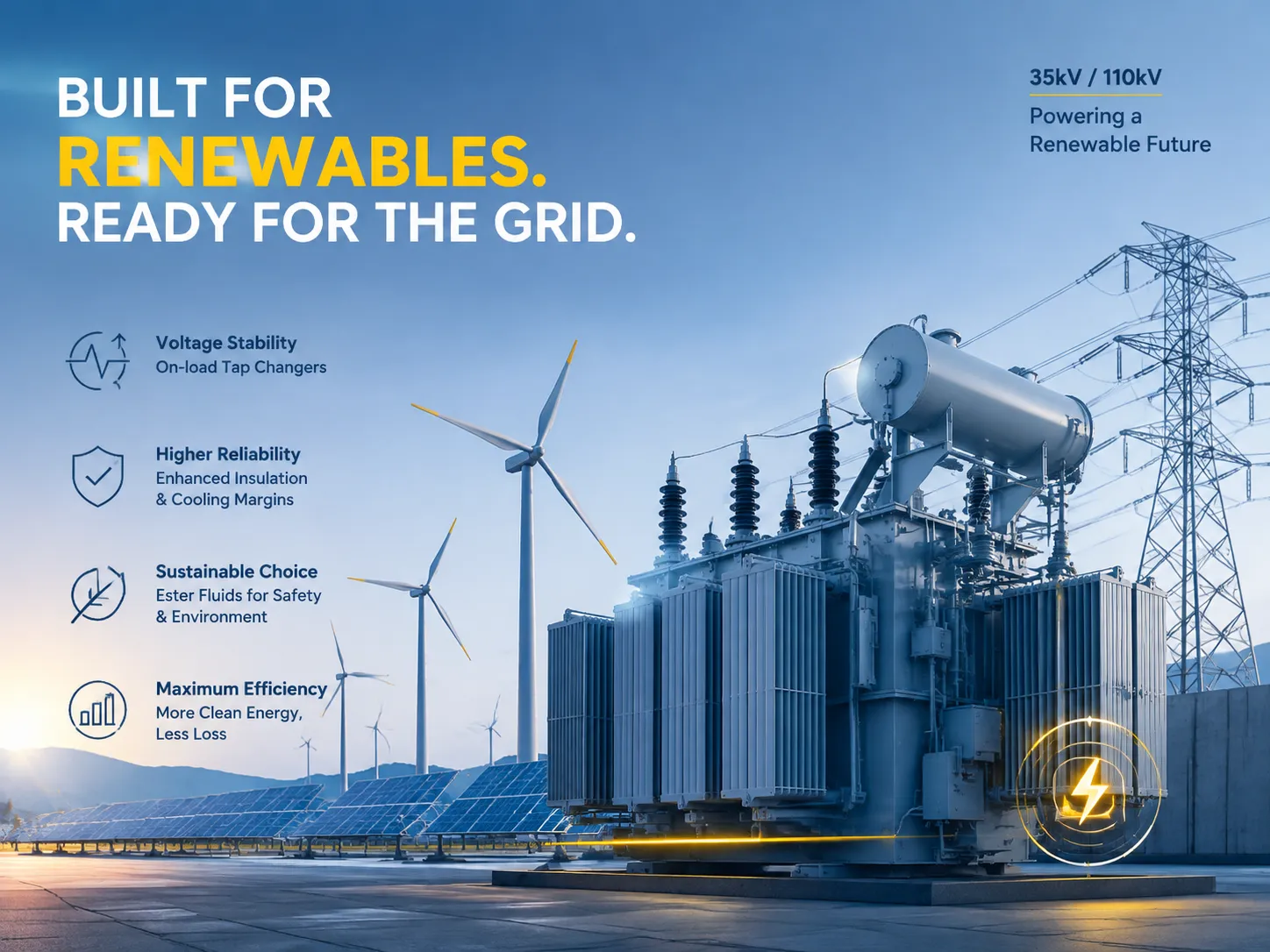
- Es werden mehr Lastwechsel-Schalter (OLTC) bei den Erfassungs- und netzgebundenen Transformatoren eingesetzt, um Spannungsänderungen, die durch variable Erzeugung verursacht werden, zu steuern.
- Die Isolations- und Kühlungseigenschaften der spezifizierten Geräte haben sich ebenfalls geändert, da die Auswirkungen zyklischer Belastungen das Altern erhöhen, selbst wenn die durchschnittlichen Belastungsniveaus nicht hoch sind.
- Esterflüssigkeiten sind jetzt für Wind- und Solaranlagen üblich, nicht nur aus Sicherheitsgründen an der Basis der Turbinen, sondern auch zum Nutzen der Umwelt.
- Effizienz ist wichtiger denn je für erneuerbare Energien, wo eingesparte Verluste saubere Energie bedeuten, die nicht produziert wurde.
Die gleiche Situation treibt die Verbesserungen im Bereich der Umspannwerke voran, was der Grund für die steigende Nachfrage nach 35kV- und 110kV-ölgetauchten Transformatoren in Ländern mit hohen Zielen für erneuerbare Energien ist.
Preistrends und Budgetierung
Da das Material volatil ist und die Lieferkette eingeschränkt ist, liegen die heutigen Budgetplanungen für ölgetauchte Transformatoren (FOB) bei:
| Nennleistung / Klasse | Konventionelles Design | Niedrigverlust / amorph | Mit OLTC und Überwachung |
|---|---|---|---|
| 500 kVA Verteilung | $6.000–$10.000 | $8.000–$13.000 | $10.000–$16.000 |
| 000 kVA Verteilung | $14.000–$22.000 | $18.000–$28.000 | $20.000–$32.000 |
| 10 MVA Leistung (35kV) | $28.000–$48.000 | $36.000–$58.000 | $40.000–$65.000 |
| 5 MVA Leistung (35kV) | $65.000–$110.000 | $80.000–$135.000 | $90.000–$150.000 |
Wir können drei wichtige Regeln für Planungszwecke zusammenfassen: 10-20% jährliche Eskalationsklauseln in Mehrjahresverträgen einbeziehen; den Vergleich auf Verlustkapitalisierung basieren; und die Lieferzeiten so früh wie möglich sichern, da der Markt langsamer auf Preisänderungen reagiert.
Wie Hersteller sich anpassen
| Marke | Anpassungsfokus |
|---|---|
| Hitachi Energie | Digitale Transformatoren, HVDC und Erweiterung von Leistungstransformatoren |
| Siemens Energie | Digitale Zwillingsdienste, Integration der Netzautomatisierung |
| ABB | Breites Vertriebsportfolio, regionale Kapazitätserweiterung |
| Schneider Electric | Intelligente Verteilung, EcoStruxure digitale Architektur |
| Hyundai / Hyosung | Skalierung von Leistungstransformatoren, Exportvolumen |
| Jiangsu Subian Electric Power | Effizienzgrad-Upgrades, IEC-zertifiziertes Exportangebot, Ester- und OLTC-Optionen |
Große multinationale Unternehmen konzentrieren sich auf digitale Dienstleistungen und erstklassige Ingenieurleistungen. Gleichzeitig basieren die Mainstream-Exporte auf einer Exportstufe, die dieselben Technologien — amorpher Kern, energieeffizienter CRGO-Stahl, Online-Überwachung — zu einem viel geringeren Preis übernimmt.
Jiangsu Subian Electric Power ist ein weiteres Beispiel für die Exportstufe. Seine ölgetauchten Transformatoren werden gemäß IEC 60076 hergestellt, haben GB20052 Effizienzgrade und bieten Ester sowie Lastumschalter und DGA-Anschlüsse zur Überwachung. Subian liefert Transformatoren an Versorgungsunternehmen und EPCs in ganz Asien, Afrika, dem Nahen Osten und Lateinamerika, unterstützt durch Werksprüfungen und Drittinspektionen. Das Unternehmen bietet ein praktisches Angebot für Käufer, die nach Effizienz, Digitalisierung und angemessenen Lieferbedingungen suchen. Erfahren Sie mehr unter subian-electric.com.
Häufig gestellte Fragen
Was treibt die Transformatorenpreise derzeit in die Höhe?
Es gibt drei Faktoren, die den Anstieg verursachen: kornorientierter Elektrostahl und schwankende Kupferpreise (20-40% Unterschiede jedes Jahr), sehr eingeschränkte Produktionskapazitäten im globalen Maßstab mit langen Vorlaufzeiten für große Einheiten von 18-36 Monaten und der Anstieg der Nachfrage aufgrund von Investitionen in das Netz und erneuerbare Energien. Käufer müssen Bestellungen mit festen Preisen so schnell wie möglich buchen und Eskalationsbedingungen in die Verträge aufnehmen.
Sind amorphe Kerntransformatoren den Aufpreis wert?
In den meisten Fällen sind sie es, wenn es um Schwerlastanwendungen geht. Der 20-30% Aufpreis macht sich mit einer Reduzierung der Leerlaufverluste um 60-70% bezahlt, was die Investitionen laut Branchenpreispolitik in 6-12 Jahren ungefähr zurückgewinnt. Bei der Leerlaufbetrieb von Transformatoren und niedrigen Lastfaktoren könnte konventioneller CRGO aufgrund der TCO als praktischer angesehen werden.
Werden mineralölgetauchte Transformatoren verschwinden?
Nein, das wird noch lange nicht passieren. Mineralöl wird in 75-85% der neuen Projekte aufgrund seines niedrigen Preises, des guten Verständnisses und der Effizienz für Anwendungen außerhalb von feuergefährdeten und umweltsensiblen Standorten verwendet. Der Einsatz von Estern wird in bestimmten Bereichen zunehmen, aber Mineralöl wird noch viele Jahre die beliebteste Option bleiben.
Wie viel kostet die Online-Überwachung zusätzlich zu einer Transformatorenbestellung?
Der Preis reicht von $1.500-4.000 für grundlegende Wasserstoff-/Gas-Messgeräte für Verteilungseinheiten bis zu $8.000-40.000 für vollständige Multi-Gas-DGA-Systeme mit IoT-Telemetrie für Leistungstransformatoren. Die Amortisation wird durch die eingesparten Kosten für Ausfälle und Inspektionen gemessen, wobei die Standardüberwachung für alle Einheiten über 10 MVA festgelegt ist.
Wie vergleiche ich Angebote aus verschiedenen Regionen fair?
Stellen Sie sicher, dass Sie den Endpreis der Einheit mit Lieferung und Versicherung inklusive erhalten. Fügen Sie die Kosten der dadurch entstandenen Verluste hinzu (dies könnte je nach Stromtarifen etwa 20-25 Jahre betragen), plus den Wert der Vorlaufzeit und die Nähe der Dienstleistungen.
Referenzen
- EU-Ecodesign-Verordnung 548/2014 und Änderung 2019/1783 — Das Effizienzregime, das den europäischen Transformatorenmarkt prägt.
- U.S. DOE-Effizienzstandards für Verteilungstransformatoren (10 CFR Teil 431) — Mindesteffizienzniveaus und die Marktreaktion auf das Angebot.
- IEC 60076-1: Leistungstransformatoren – Allgemeines — Die Design- und Testgrundlage für alle ölgetauchten Einheiten, die in diesem Artikel erwähnt werden.
- IEA-Daten zu Elektrizität und Netzinvestitionen — Nachfrageseitiger Kontext für das Wachstum des Transformatorenmarktes.
- IEEE C57.104: Interpretation der in ölgetauchten Transformatoren erzeugten Gase — Der DGA-Interpretationsrahmen hinter den Trends der Online-Überwachung.
- Sandia National Laboratories zu natürlichen Estertransformatorflüssigkeiten — Unabhängige Bewertung der Leistung und Brandsicherheit von Esterflüssigkeiten.
- Offizielle Website von Jiangsu Subian Electric Power — Effizienzgrad-Ölgetauchte Transformatorenprodukte und Exportdokumentation.
Fazit
Die Industrie der ölgetauchten elektrischen Transformatoren entwickelt sich mit einem viergleisigen Ansatz: Die Einhaltung der Effizienz hebt die Messlatte, Esterflüssigkeiten dringen in risikobehaftete Brand- und umweltsensible Bereiche ein, digitale Überwachung holt in Bezug auf Größe und Form auf, und die Lieferketten passen sich an Preise und Lieferzeiten an. Jede der oben genannten Veränderungen beeinflusst die Dynamik der Kaufentscheidungen.
Wichtige Punkte, die zu beachten sind:
- Die Einhaltung der Effizienz ist jetzt verpflichtend erklärt und nicht dem Ermessen des Kunden überlassen; überprüfen Sie die geltenden Vorschriften in dem Markt, in dem Sie tätig sind.
- Der Einsatz von amorphen Kernen und Estern wird die Anfangskosten um 10-60% erhöhen, bietet jedoch Einsparungen in Bezug auf TCO in den richtigen Anwendungen.
- Planen Sie $1500-$40.000 für die Überwachung ein, abhängig davon, wie kritisch das Asset ist. Buchen Sie Lieferungen gut im Voraus und sichern Sie die Risiken der Materialpreise mit Festpreisverträgen ab.
- Verträge.