


O diretor de compras da concessionária de distribuição está analisando três propostas que a empresa recebeu para um contrato de 250 transformadores. O primeiro licitante apresentou preços para transformadores S11 e está oferecendo a proposta mais baixa. O segundo licitante ofereceu uma proposta para transformadores de núcleo amorfo e prometeu que a diferença de perda seria paga em apenas 14 meses. O terceiro licitante afirma ter a capacidade de fornecer transformadores preenchidos com éster e equipados com monitoramento DGA online. No passado, teria sido impossível perder o processo de licitação se você apresentasse o menor preço. Hoje, os membros do conselho estão ansiosos para saber quanto custará possuir os transformadores nos próximos 25 anos, qual impacto os transformadores terão no meio ambiente e como se pode implementar tecnologias digitais em relação a esses transformadores.
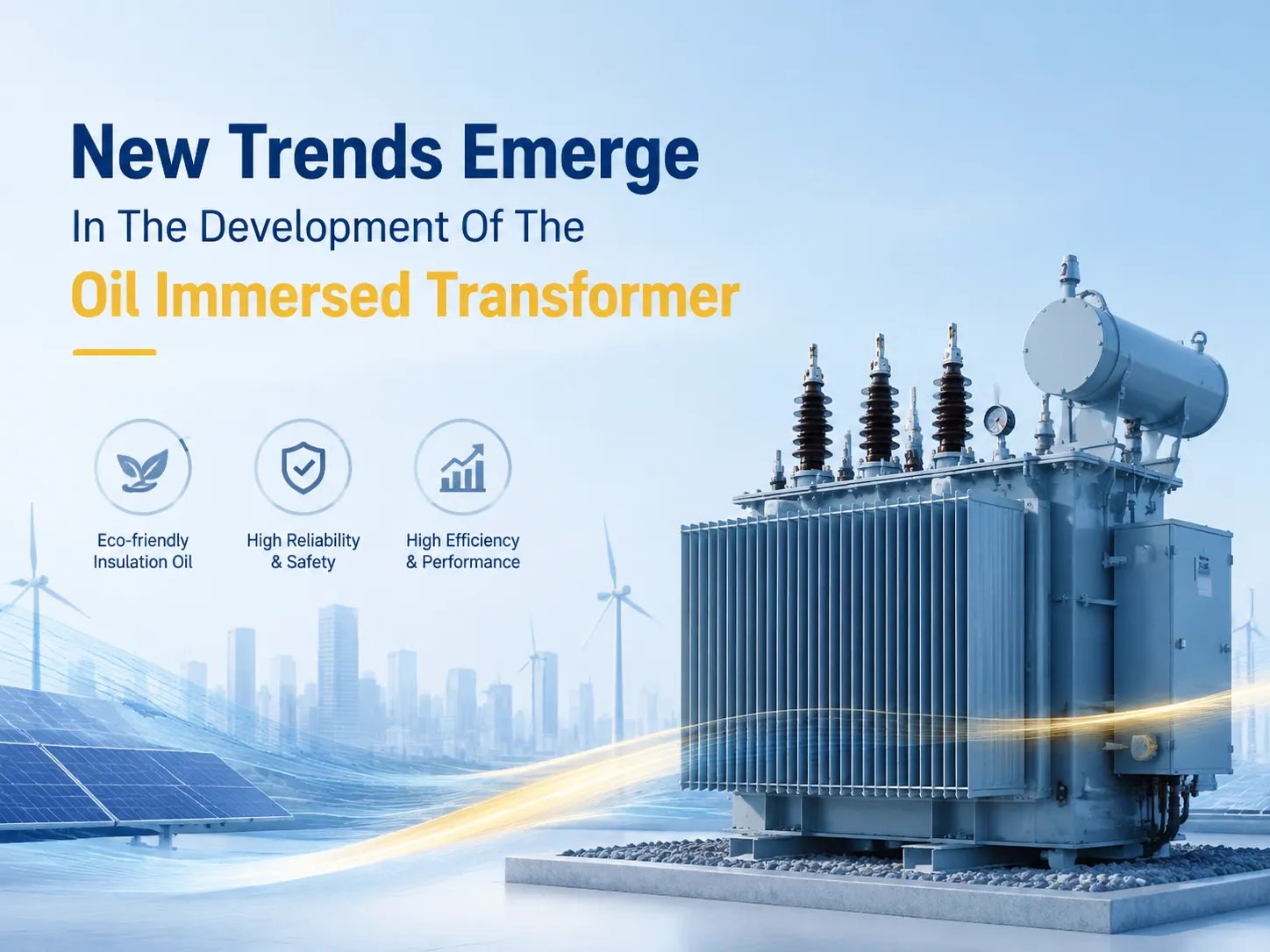
Neste artigo, analisaremos as principais tendências que estão mudando a indústria de transformadores imersos em óleo hoje, incluindo regulamentações de eficiência energética, uso de óleo ecológico, monitoramento digital, preço de materiais e mudanças na cadeia de suprimentos.
As tendências importantes na indústria de sistemas de transformadores são as seguintes: (1) regulamentação rigorosa em relação à implementação de dispositivos – requisitos estabelecidos pela Ecodesign da União Europeia, bem como pelo Departamento de Energia dos EUA e o GB 20052 da China levaram os fabricantes à produção de transformadores utilizando metal amorfo e núcleos CRGO de baixa pressão, uma vez que essas tecnologias resultam em uma redução de 20-70% nas perdas em vazio em comparação com os transformadores S9 tradicionais; (2) a tendência em direção à aplicação de fluidos de éster, cujo ponto de inflamabilidade é superior a 300° em comparação com o óleo mineral (160°); (3) aplicação de tecnologias digitais como DGA online, sensores IoT e IA, pois agora essa tecnologia se estende a transformadores de distribuição com capacidades menores do que os anteriores 50 MVA; (4) industrialização da cadeia de suprimentos – novas fábricas estão sendo construídas nos EUA, Europa, Índia e Arábia Saudita; (5) volatilidade de preços.
O Contexto do Mercado
O mercado global de transformadores é substancial e está crescendo, devido a investimentos em sistemas de rede, eletrificação e integração de fontes de energia renováveis. Vários relatórios da indústria estimam o mercado de transformadores de potência e distribuição em $40 – 55 bilhões por ano, com a parte destacada de MVA entregue sendo fornecida através da tecnologia imersa em óleo. Essa tecnologia, que ainda cobre cerca de 75–80% de todos os embarques de transformadores de potência e distribuição, ainda é preferida porque o método de resfriamento a óleo se mostrou muito econômico para a maioria das classificações.
A rigidez do mercado de transformadores é observada. Em particular, os prazos de entrega de transformadores se estenderam de 18 a 36 meses em algumas áreas no início dos anos 2020, enquanto os preços de aços elétricos e cobre têm sido instáveis. Portanto, tanto as concessionárias quanto os fabricantes aprenderam a garantir capacidade com antecedência e estabelecer acordos com os produtores, bem como padronizar frotas de dispositivos.
Regulamentação de Eficiência: O Motor Decisivo
A regulamentação é a maior influência neste segmento da indústria, pois exclui a opção “barata e ineficiente”:
| Mercado | Instrumento | Efeito |
|---|---|---|
| União Europeia | Regulamento Ecodesign 548/2014, alterado 2019/1783 | Limites de perda obrigatórios; classes ineficientes eliminadas |
| Estados Unidos | DOE 10 CFR Parte 431 | Aumento da eficiência mínima; ordem de 2022 endureceu os níveis novamente |
| China | GB 20052-2020 | Classes de eficiência vinculativas; frotas S7/S9 sendo aposentadas |
| Índia | Rotulagem de eficiência BEE | Transformadores de distribuição com classificação de estrelas |
| Credores globais | Regras de aquisição verde | Economia de perdas capitalizada na avaliação de licitações |
Em termos de resultados, pode-se dizer que na Europa, novas regras criaram um avanço: as perdas em transformadores de distribuição agora são reduzidas em 20-40% quando comparadas à situação anterior à regulamentação. Na China, o GB 20052-2020 tornou as classes de eficiência energética parte do processo de licitação, desencadeando a transição da série S9 para S11, S13 e designs amorfos. Como resultado, para todos os envolvidos nas compras, não importa mais se um dispositivo é “eficiente em energia” ou não, pois agora é o requisito mínimo e obrigatório.
Materiais: Amorfos, CRGO e Volatilidade de Preços
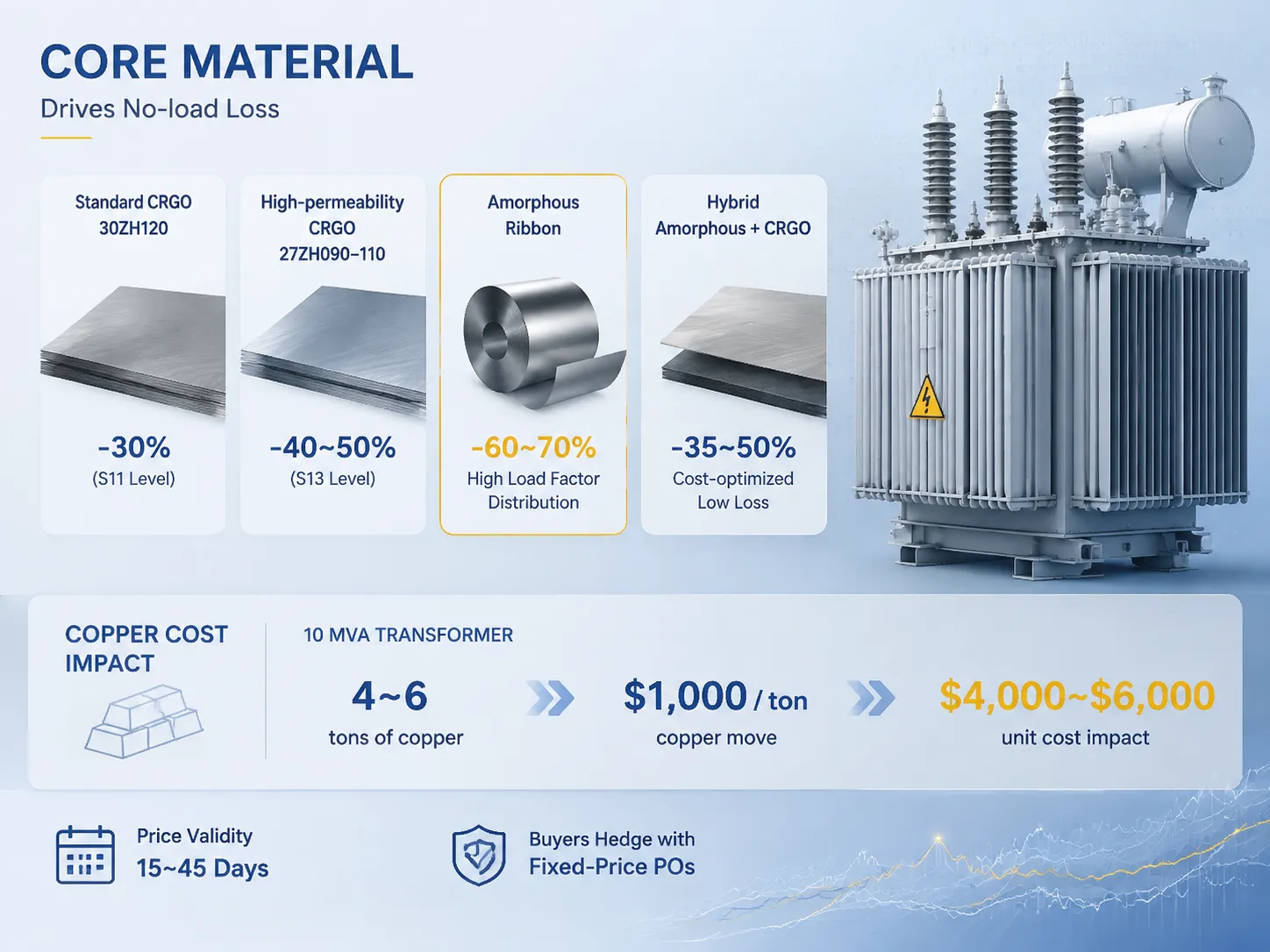
O material principal determina as perdas em vazio e define o tom para a seleção de materiais utilizados na indústria.
- CRGO regular (como 30ZH120): O material utilizado para transformadores S11, mas é ineficaz em níveis de eficiência e custo.
- CRGO de alta permeabilidade cortado a laser (27ZH090 a 110): Reduz as perdas do núcleo entre 10 e 20 por cento em comparação com o material regular e é utilizado em transformadores S13 e S11 de desempenho relativamente alto.
- Fita amorfa: Os níveis de perda estão atualmente entre 60 e 70 por cento mais baixos em comparação com o CRGO regular e estão se tornando cada vez mais importantes na faixa de distribuição de até quase 2500kVA e acima.
Os custos desses materiais têm impactos significativos em toda a indústria, pois os preços de chapas elétricas orientadas a grãos flutuaram de 20 a 40% em um ano e há muito poucos produtores de fitas amorfas.
| Material do núcleo | Perda em vazio relativa ao S9 | Aplicações típicas | Nota de fornecimento |
|---|---|---|---|
| CRGO padrão (30ZH120) | −30% (nível S11) | Distribuição de volume | Amplamente disponível |
| CRGO de alta permeabilidade (27ZH090–110) | −40–50% (nível S13) | Distribuição premium, energia | Preços oscilam 20–40%/ano |
| Fita amorfa | −60–70% | Distribuição de alto fator de carga | Poucos produtores; insumo estratégico |
| Híbrido amorfo + CRGO | −35–50% | Baixa perda otimizada em custo | Dependente do projeto |
Um transformador com capacidade de 10 MVA geralmente possui cerca de 4–6 toneladas de cobre; assim, um aumento de $1.000/tonelada no preço do cobre afeta o custo do transformador em $4.000–6.000. Como resultado, as cotações de preço para a indústria de transformadores de potência são válidas por 15–45 dias e os clientes utilizam pedidos de compra com preço fixo para se proteger contra flutuações de preço.
Fluidos: A ascensão dos ésteres
Embora os fluidos à base de éster sejam frequentemente considerados o elemento principal nas áreas onde regulamentações ou gestão de riscos são fundamentais, o óleo mineral continua sendo o produto líder no mercado atualmente.
| Fluido | Ponto de fogo | Participação em novos projetos (estimativa) | Prêmio típico de preço |
|---|---|---|---|
| Óleo mineral | ~160°C | 75–85% | Base de referência |
| Éster natural | >300°C | 10–15% e em ascensão | +30–60% |
| Éster sintético | >300°C | 3–8% | +60–100% |
| Mineral de alta temperatura | ~300°C | 2–5% | +20–40% |
Os fluidos à base de éster são aceitos principalmente devido a três fatores: seguradoras oferecem descontos em fluidos classe K em subestações, agências ambientais recomendam unidades com éster onde o óleo mineral seria proibido, e o processo mais lento de envelhecimento do papel nos ésteres (absorção aumentada de umidade no fluido em vez do papel). As barreiras de entrada incluem preço mais alto, viscosidade em baixas temperaturas e menor experiência operacional na indústria; no entanto, todos os sinais indicam que os fluidos à base de éster continuarão ganhando participação de mercado, especialmente na Europa e América do Norte.
Digitalização e Monitoramento
Uma tendência perceptível é a redução do tamanho da tecnologia de monitoramento. Com a modificação dos geradores, o DGA online agora está disponível em transformadores para aplicações de média tensão também. Monitores de hidrogênio para máquinas de nível básico estão disponíveis por $1500 a $4000, e analisadores multigás por aproximadamente $8000 a $40000. Gateways IoT são capazes de transmitir dados de carga, temperatura, nível de óleo e posição do tap para SCADA ou serviços em nuvem.
- Diagnósticos por IA possibilitam identificar problemas semanas ou meses antes da interpretação das razões.
- Gêmeos digitais auxiliam no cálculo de pontos quentes e expectativa de vida conforme as normas IEC 60076-7 em tempo real.
A justificativa econômica é simples. DGA para um transformador de 10 MVA custa entre $200-600 por ano, enquanto a falha não planejada que ocorre tem despesas de $200000-$1000000. Portanto, cada pequena melhoria na taxa de falhas mais do que compensa o custo do equipamento de monitoramento. Pode-se ver que a única questão que melhora é qual nível de monitoramento para o grupo específico de ativos deve ser utilizado.
| Classe de ativo | Monitoramento recomendado | Custo anual típico |
|---|---|---|
| Distribuição <2 MVA | DGA laboratorial anual | $150-$400 |
| Distribuição 2-10 MVA | DGA anual + monitor básico de H2 em unidades críticas | $200-$600 + $1.500-$4.000 (único) |
| Potência 10-40 MVA | DGA multigás online, telemetria IoT | $2.000-$8.000 incluindo dados |
| Potência >40 MVA / crítico | DGA online completo + gêmeo digital | $5,000-$15,000 |
Regionalização da Cadeia de Suprimentos
A experiência mundial com prazos de entrega estendidos — de 18 a 36 meses para grandes transformadores de potência no início dos anos 2020 — provocou uma reação estrutural: plantas estão surgindo próximas aos mercados consumidores.
- EUA: novas fábricas de transformadores e já existentes estão colhendo alguns benefícios da Lei da Cadeia de 2022 e dos padrões do DOE e estão se concentrando em transformadores de distribuição e transformadores de potência.
- Europa: expansão da capacidade de transformadores de potência com a ajuda dos esforços da UE voltados para reduzir a dependência de tamanhos-chave de transformadores de importações.
- Índia: tem exportado transformadores e agora planeja aumentar ainda mais sua capacidade construindo novas instalações de produção de transformadores.
- Arábia Saudita e Golfo: novas zonas industriais e programas de rede garantirão capacidade de fabricação local de transformadores.
Para os compradores, a regionalização tem prós e contras: por um lado, significa prazos de entrega mais curtos e custos de transporte reduzidos, e por outro, custos por unidade aumentados em comparação com o fornecimento de alto-mar da China. Portanto, a abordagem ideal envolve múltiplos fornecedores — para máquinas críticas de ponto único, fornecedores domésticos ou regionais devem ser escolhidos; para frotas de distribuição em massa, fornecedores de exportação dominando os custos por kVA devem ser selecionados.
Renováveis e Estresse na Rede
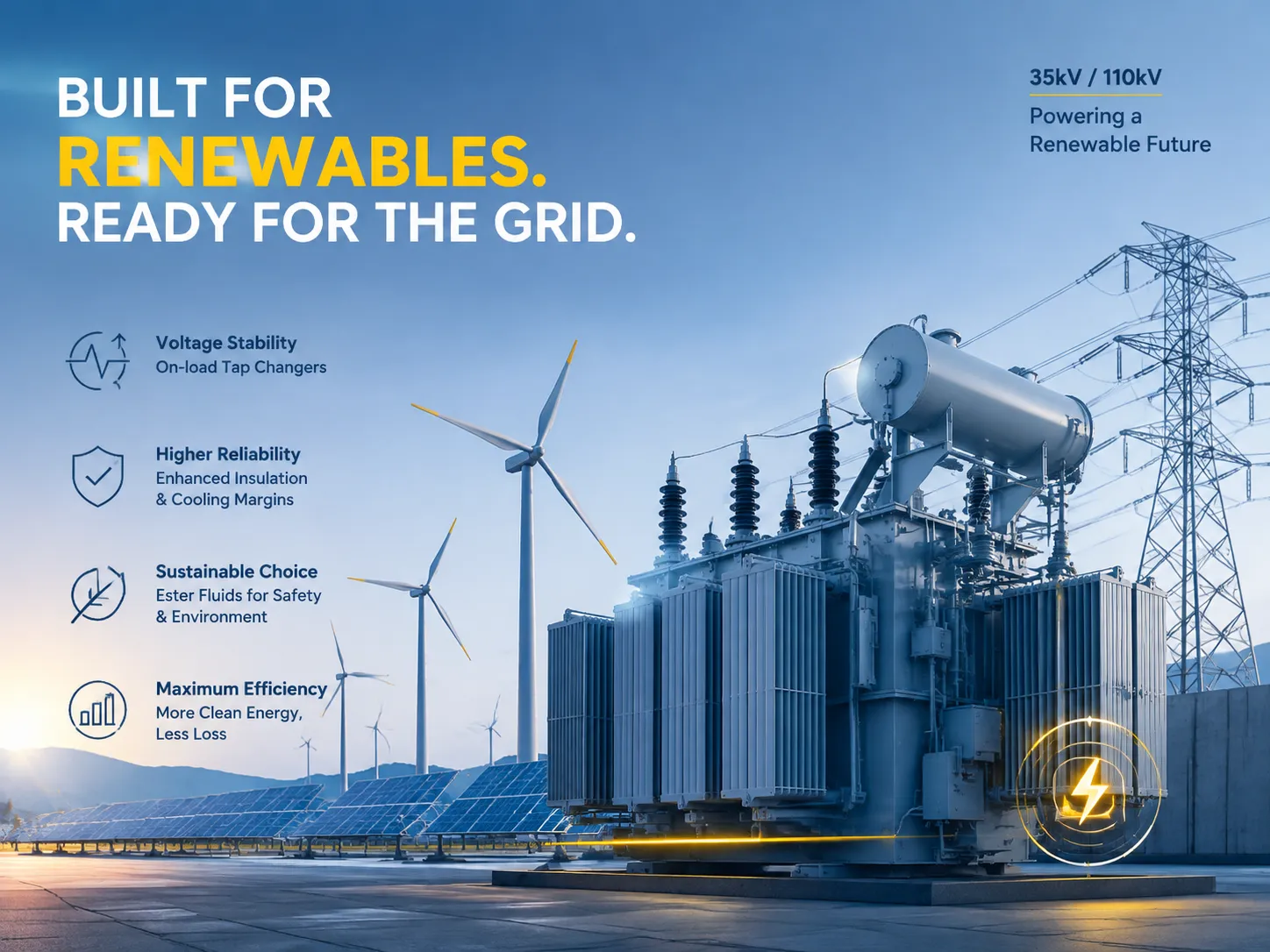
A integração solar e eólica levou os compradores a modificar suas especificações. Isso significa que os transformadores de coleta renovável devem lidar com a máxima variabilidade na carga, flutuações de tensão mais frequentes e condições operacionais cíclicas mais rigorosas do que os equipamentos de distribuição tradicionais. Tudo isso tem as seguintes implicações:
- Mais trocadores de tap on-load estão sendo usados nos transformadores de coleta e conectados à rede, a fim de controlar as flutuações de tensão causadas pela geração variável.
- As propriedades de isolamento e resfriamento dos equipamentos especificados também mudaram como resultado do fato de que o impacto da carga cíclica aumenta o envelhecimento, mesmo quando os níveis médios de carga não são altos.
- Fluidos éster agora são comuns para instalações eólicas e solares, não apenas por motivos de segurança na base das turbinas, mas para o benefício do meio ambiente.
- A eficiência é mais importante do que nunca para as renováveis, onde as perdas economizadas significam energia limpa que não foi produzida.
A mesma situação impulsiona as melhorias no campo das subestações, que é a razão para a crescente demanda por transformadores imersos em óleo de 35kV e 110kV nos países com altas metas renováveis.
Tendências de Preços e O Que Orçar
Como o material é volátil e a cadeia de suprimentos é restrita, os orçamentos planejados para transformadores imersos em óleo (FOB) hoje são:
| Classificação / classe | Design convencional | Baixa perda / amorfo | Com OLTC e monitoramento |
|---|---|---|---|
| 500 kVA de distribuição | $6.000–$10.000 | $8.000–$13.000 | $10.000–$16.000 |
| 000 kVA distribuição | $14.000–$22.000 | $18.000–$28.000 | $20.000–$32.000 |
| 10 MVA potência (35kV) | $28.000–$48.000 | $36.000–$58.000 | $40.000–$65.000 |
| 31,5 MVA potência (35kV) | $65.000–$110.000 | $80.000–$135.000 | $90.000–$150.000 |
Podemos resumir três regras importantes para fins de planejamento: incluir cláusulas de escalonamento anual de 10-20% em acordos de vários anos; basear a comparação na capitalização de perdas; e obter slots de entrega o mais cedo possível, uma vez que o mercado reage mais lentamente do que o preço.
Como os fabricantes estão se adaptando
| Marca | Foco na adaptação |
|---|---|
| Hitachi Energy | Transformadores digitais, HVDC e expansão de transformadores de potência |
| Siemens Energy | Serviços de gêmeos digitais, integração de automação de rede |
| ABB | Amplo portfólio de distribuição, expansão de capacidade regional |
| Schneider Electric | Distribuição inteligente, arquitetura digital EcoStruxure |
| Hyundai / Hyosung | Escalonamento de transformadores de potência, volume de exportação |
| Jiangsu Subian Electric Power | Atualizações de grau de eficiência, faixa de exportação certificada pela IEC, opções de éster e OLTC |
Grandes multinacionais estão focando em serviços digitais e engenharia de classe mundial. Ao mesmo tempo, as exportações convencionais são baseadas em um nível de exportação que adota as mesmas tecnologias — núcleo amorfo, aço CRGO eficiente em energia, monitoramento online — por um custo muito menor.
Jiangsu Subian Electric Power é outro representante do nível de exportação. Seus transformadores imersos em óleo são fabricados de acordo com a IEC 60076, têm graus de eficiência GB20052 e oferecem ésteres, bem como comutadores de tap on-load e portas DGA para monitoramento. A Subian está enviando transformadores para concessionárias e EPCs em toda a Ásia, África, Oriente Médio e América Latina, apoiada por testes de fábrica e inspeções de terceiros. A empresa está oferecendo uma proposta prática para compradores que buscam eficiência, digitalização e condições de fornecimento adequadas. Saiba mais em subian-electric.com.
Perguntas Frequentes
O que está fazendo os preços dos transformadores subirem agora?
Existem três fatores que estão causando o aumento: aço elétrico orientado por grão e preços de cobre flutuantes (diferenças de 20-40% a cada ano), capacidade de fabricação muito restrita em escala global com prazos de entrega de grandes unidades de 18-36 meses, e o aumento da demanda como resultado de investimentos em rede e energias renováveis. Os compradores devem reservar pedidos com preços fixos o mais rápido possível e incorporar condições de escalonamento nos contratos.
Transformadores de núcleo amorfo valem o prêmio?
Na maioria dos casos, eles valem quando se trata de aplicações de carga pesada. O prêmio de 20-30% compensa com uma redução de 60-70% nas perdas em vazio, recuperando aproximadamente os investimentos em 6-12 anos, de acordo com as políticas de preços da indústria. Para operação de transformadores em carga leve e baixos fatores de carga, o CRGO convencional pode ser considerado mais conveniente devido ao TCO.
Os transformadores de óleo mineral vão desaparecer?
Não, isso não acontecerá por um longo tempo. O óleo mineral é utilizado em 75-85% dos novos projetos devido ao seu baixo preço, boa compreensão e eficiência para aplicações que não envolvem risco de incêndio e locais sensíveis ao meio ambiente. O uso de ésteres se expandirá em certas áreas, mas o óleo mineral continuará sendo a opção mais popular por muitos anos.
Quanto a monitoramento online adiciona a um pedido de transformador?
O preço varia de $1.500-4.000 para equipamentos básicos de medição de hidrogênio/gás para unidades de distribuição a $8.000-40.000 para sistemas completos de DGA multi-gás com telemetria IoT para transformadores de potência. O retorno é medido pelos custos economizados de falhas e inspeções, com monitoramento padrão sendo especificado para todas as unidades acima de 10 MVA.
Como posso comparar propostas de diferentes regiões de forma justa?
Certifique-se de obter o preço final da unidade com entrega e seguro incluídos. Adicione o custo das perdas incorridas dessa forma (isso pode ser em torno de 20-25 anos de acordo com as tarifas de eletricidade), além do valor do tempo de entrega e proximidade dos serviços.
Referências
- Regulamento de Ecodesign da UE 548/2014 e emenda 2019/1783 — O regime de eficiência moldando o mercado europeu de transformadores.
- Padrões de eficiência de transformadores de distribuição do DOE dos EUA (10 CFR Parte 431) — Níveis mínimos de eficiência e a resposta da oferta do mercado.
- IEC 60076-1: Transformadores de potência – Geral — A linha de base de design e teste para todas as unidades imersas em óleo mencionadas neste artigo.
- Dados de investimento em eletricidade e rede da IEA — Contexto do lado da demanda para o crescimento do mercado de transformadores.
- IEEE C57.104: Interpretação dos Gases Gerados em Transformadores Imersos em Óleo — O quadro de interpretação de DGA por trás das tendências de monitoramento online.
- Laboratórios Nacionais Sandia sobre fluidos de transformador de éster natural — Avaliação independente do desempenho do fluido de éster e segurança contra incêndios.
- Site oficial da Jiangsu Subian Electric Power — Produtos de transformadores imersos em óleo de grau de eficiência e documentação de exportação.
Conclusão
A indústria de transformadores elétricos imersos em óleo está progredindo em uma abordagem de quatro frentes: a conformidade com a eficiência está elevando o padrão, os fluidos de éster estão penetrando em áreas de risco de incêndio e sensíveis ao meio ambiente, o monitoramento digital está avançando em termos de tamanho e forma, e as cadeias de suprimento estão se adaptando a preços e prazos de entrega. Cada uma das mudanças acima altera a dinâmica das decisões de compra.
Pontos-chave a lembrar:
- A conformidade com a eficiência agora é declarada obrigatória e não deixada à escolha do cliente; verifique as regulamentações vigentes no mercado em que você opera.
- O uso de núcleos amorfos e ésteres aumentará os custos iniciais em 10-60%, no entanto, eles proporcionam economias em termos de TCO nas aplicações corretas.
- Alocar $1500-$40.000 para monitoramento, dependendo de quão crítico é o ativo. Reserve entregas com bastante antecedência e proteja os riscos de preços de materiais com contratos de preço fixo.
- contratos.