

40 MVA Transformer
Subian Electric manufactures 40 MVA (40,000 kVA) oil-immersed power transformers for 110kV and 132kV substations. At this rating the transformer is a regional grid asset: it steps transmission voltage down to 10.5kV, 35kV or 6.3kV for a substation busbar, and serves utility, industrial and urban supply projects.
Our 110-132kV series covers 6,300-63,000 kVA, so the 40 MVA rating sits inside the standard production range – built to Type 10/11/13 loss designs with YNyn0d11 connection, 10.5% short-circuit impedance and ONAN/ONAF cooling. Every unit is core-and-coil built in-house, vacuum dried, oil filled under vacuum and routine tested before dispatch.
Send your voltage combination, impedance and loss requirement, or your load-flow study, and our engineers will confirm the 40 MVA specification with weights, dimensions and a written factory quotation.

Since 2019 · 50,000m² · 350+ Staff
Power Transformers We Build
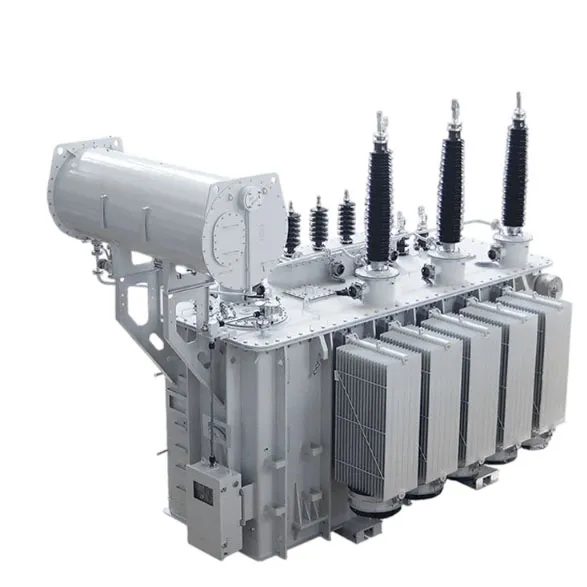
Oil-immersed power transformers from 6,300 kVA to 63,000 kVA at 110-132kV, including 40 MVA units for regional substations and industrial supply.
-
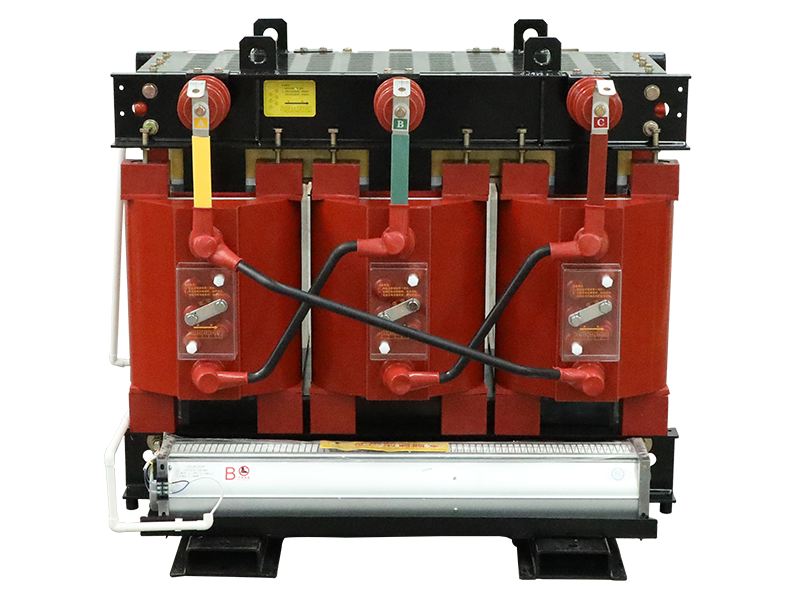
10kV Dry-Type Transformer-SCBH series Amorphous Alloy
-
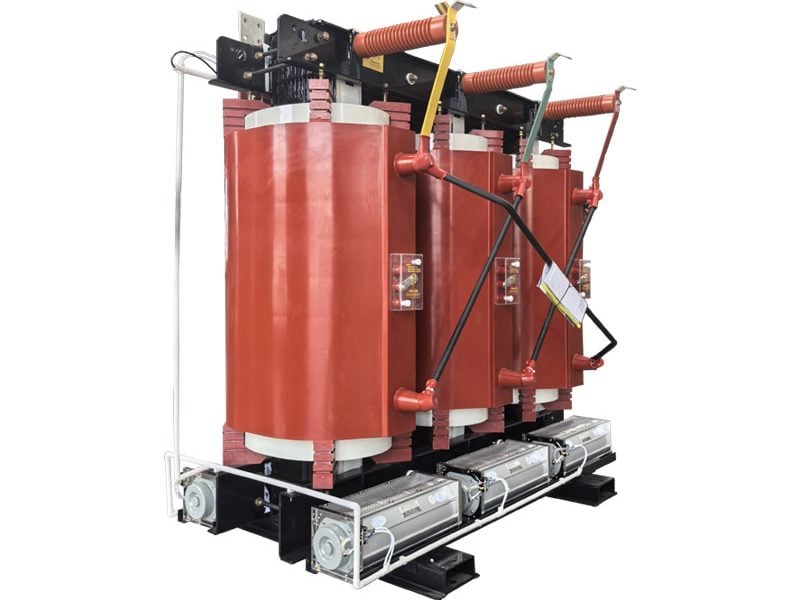
20-35KV Dry-Type Transformer
-
20-35KV SCB Series Epoxy Resin Dry-Type Transformer
-
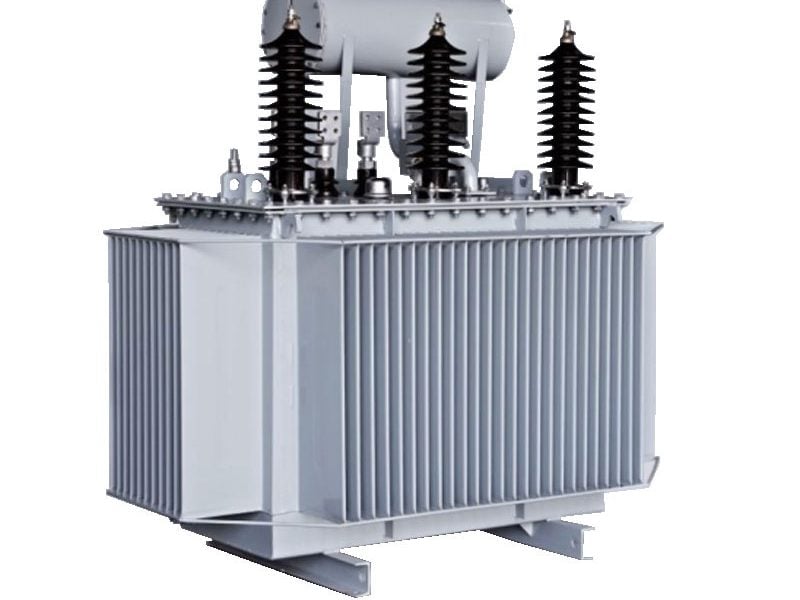
20KV Oil-immersed Distribution Transformer
-
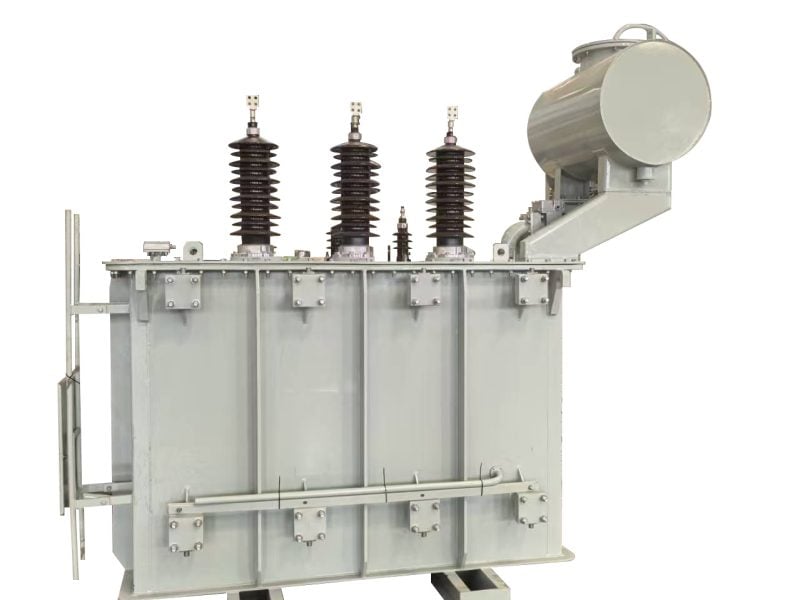
35KV Oil-immersed Power Transformer
-
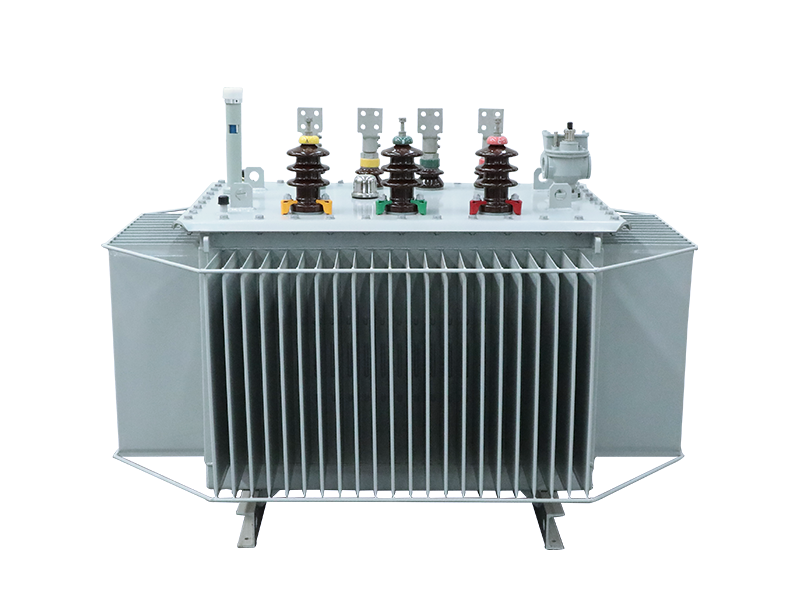
6-10KV Oil-Immersed Power Distribution Transformer
-
Current Transformer –10KV Indoor High Voltage
-
Current Transformer–LMZK Wound Current Transformer300/5a
-
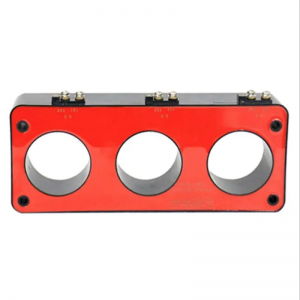
Current Transformer–LSY-10 transformer Integrated CT
-
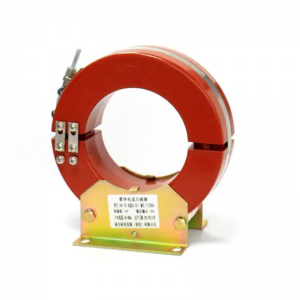
current transformer–LXK high voltage zero sequence
-
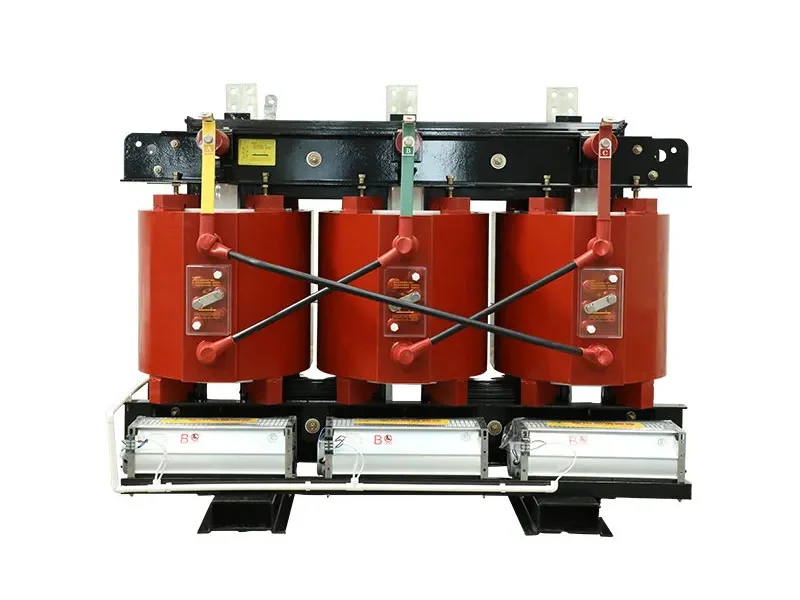
dry type distribution transformer-6-10 KV SCB series epoxy resin cast
-
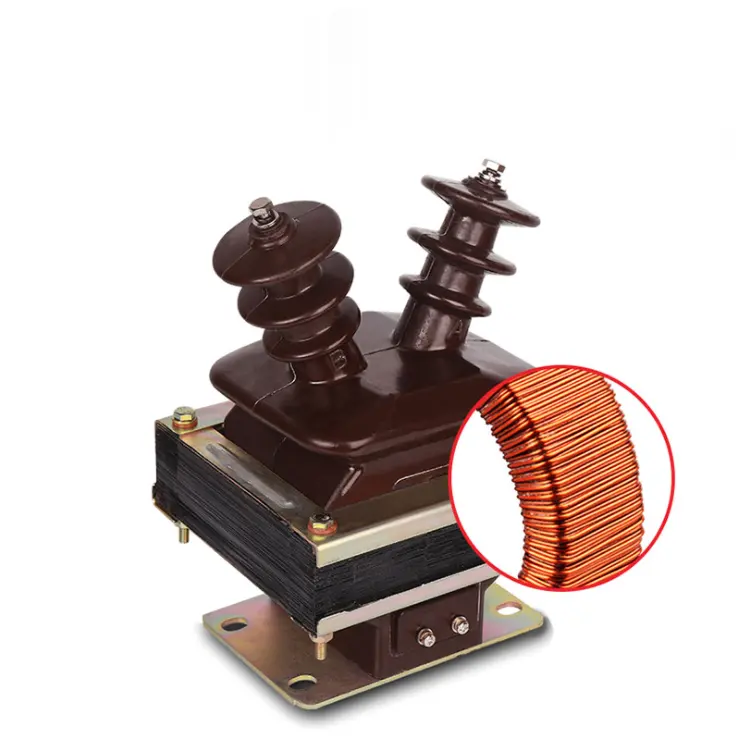
Electrical Transformers–JDZ – 10 Power Voltage
What Is a 40 MVA Transformer?
A 40 MVA transformer is a power transformer rated for 40 megavolt-amperes – 40,000 kVA, or 40,000,000 volt-amperes of apparent power. In practice it is a large grid unit: the most common configuration is a 110kV or 132kV primary stepping down to 10.5kV, 35kV or 6.3kV for a regional substation, and it is also built as a 110/35/10.5kV three-winding unit where two distribution voltages are needed from one transformer.
At this size the unit is engineered around the network rather than picked from a catalogue. Short-circuit impedance (typically 10.5% on the HV-MV pair), loss level, tap-changer type and cooling determine both the price and the grid behaviour, so the specification is normally confirmed against a load-flow and short-circuit study before the order is placed.
- 40,000 kVA / 40 MVA – apparent-power rating, three-phase, 50Hz or 60Hz.
- 110kV / 132kV primary – with 10.5kV, 35kV, 6.3kV or 21kV secondaries.
- 10.5% typical impedance – coordinated with the switchgear fault rating.
- ONAN / ONAF cooling – dual rating 40/50 MVA when fans are running.
- OLTC or off-circuit tap – ±8×1.25% or ±8×2.5% voltage regulation.
- IEC 60076 / GB 1094 – type-test and routine-test documentation supplied.
Configurations for a 40 MVA Unit
The winding arrangement follows the voltage levels of the substation:
Two-winding 110/10.5kV
the standard regional substation step-down transformer.
Three-winding 110/35/10.5kV
supplies two distribution voltages from a single unit.
132kV transmission step-down
for 132kV networks stepping to 33kV or 11kV.
40 MVA Transformer Specification (Typical Data)
| Parameter | Specification |
|---|---|
| Rated capacity | 40 MVA / 40,000 kVA, three-phase |
| Primary voltage | 110 / 115 / 121 / 132 kV |
| Tap range | ±8×1.25% (OLTC) or ±2×2.5% (off-circuit) |
| Secondary voltage | 6.3 / 6.6 / 10.5 / 11 / 21 / 35 kV |
| Connection group | YNyn0d11 (two-winding: YNd11 / YNyn0) |
| Short-circuit impedance | 10.5% typical (H-M); 10.5-12.5% per network study |
| No-load loss (typical) | 17.8-25.8 kW depending on loss level |
| Load loss at 75°C (typical) | 139-148 kW |
| No-load current (typical) | 0.4-0.47% |
| Cooling | ONAN / ONAF (dual rating 40/50 MVA) |
| Standard | IEC 60076 / GB 1094 |
| Factory series range | 6,300-63,000 kVA, 110-132kV, Type 10/11/13 loss designs |
40 MVA Transformer Current Rating and Load Capacity
Full-load current follows the voltage level, so the same 40 MVA unit shows very different currents on each side. On a 110kV primary the line current is about 210A; on a 132kV primary it falls to about 175A; and on the 10.5kV secondary it rises to about 2,200A – which is why the low-voltage side of a unit this size is busbar connected rather than cabled.
40 MVA transformer load capacity in kW depends on the power factor of the connected load. At 0.8 power factor a 40 MVA transformer delivers about 32 MW; at unity power factor it can carry 40 MW. The kVA rating fixes the current and the heating limit, while the kW figure is what the load actually consumes – so when a project asks for 40 MW, the transformer is normally specified above 40 MVA unless the power factor is known to be high.
Full-load current by voltage level (40 MVA)
| 110 kV primary | approx. 210 A |
|---|---|
| 121 kV primary | approx. 191 A |
| 132 kV primary | approx. 175 A |
| 66 kV primary | approx. 350 A |
| 33 kV primary | approx. 700 A |
| 10.5 kV secondary | approx. 2,199 A |
| Real power at 0.8 pf | approx. 32 MW |
40 MVA Transformer Weight, Oil Capacity and Dimensions
A typical 40 MVA transformer weight is around 46-65 tonnes for transport, with the active part (core and windings) at about 40 tonnes and the insulating oil at about 20-23 tonnes. Units at this size are heavy, and transport limits often shape the design as much as the electrical data – which is why the shipping configuration and lifting points are agreed at order stage.
40 MVA transformer oil capacity is confirmed at order stage in tonnes or litres, because it depends on tank design, radiator area and cooling mode. 40 MVA transformer dimensions for this class commonly fall around 5,400-6,700 mm long, 4,150-5,300 mm wide and 4,300-5,800 mm high. Always confirm against the approval drawing, and check the route to site for bridge, crane and heavy-haul limits before the order is placed.
Typical 40 MVA transport data (confirm on approval drawings)
| Active part (core + windings) | approx. 40-45 t |
|---|---|
| Insulating oil | approx. 20-23 t (about 23,000-26,000 L) |
| Transport weight | approx. 46-65 t (oil-filled or nitrogen) |
| Transport dimensions | approx. 5,400-6,700 × 4,150-5,300 × 4,300-5,800 mm |
Losses, Impedance and Specification Choices
Loss level is the main technical decision on a 40 MVA unit because it is paid for over 25-40 years of service. At the 110kV class the no-load loss for this rating is typically between 17.8 kW and 25.8 kW depending on the loss level selected, and the load loss at 75°C is around 139-148 kW. Higher-grade core steel and larger conductor sections lower those figures but raise the purchase price.
Short-circuit impedance is normally 10.5% on the 110kV/10.5kV pair, and it has to be coordinated with the substation switchgear. A lower impedance gives better voltage regulation but raises the fault current the breakers must interrupt; a higher impedance reduces fault levels but increases voltage drop and load loss. Impedance is therefore confirmed against the network study rather than chosen in isolation.
Indicative loss data, 40 MVA 110kV class
| No-load loss (loss level 1) | 17.8 kW |
|---|---|
| No-load loss (loss level 3) | 25.8 kW |
| Load loss at 75°C | 139-148 kW |
| No-load current | 0.4-0.47% |
| Short-circuit impedance | 10.5% (H-M) typical |
40 MVA Transformer: 132 kV Substation Duty
In a 132kV substation the 40 MVA transformer is usually the step-down unit that converts transmission voltage to the local distribution level. A common arrangement is 132/33kV or 132/11kV, with the 132 kV substation busbar feeding the primary through a circuit breaker and disconnector, and the 33kV or 11kV side feeding the distribution switchboard.
Protection and monitoring for this duty normally include differential protection, overcurrent and earth-fault relays, Buchholz and oil-temperature devices, and tap-changer control. The unit is usually specified with an on-load tap changer so the secondary voltage can be held while the 132kV supply varies. On site it needs a bunded oil containment area and a fire wall to local substation practice.
Typical 132kV substation configuration
| 132kV winding | YN connected, neutral brought out |
|---|---|
| Secondary | 33kV or 11kV, delta or star per study |
| Tap changer | OLTC ±8×1.25% |
| Protection | Differential, overcurrent, Buchholz, oil and winding temperature |
| Cooling | ONAN/ONAF with dual rating |
What 31.5/40, 30/40, 20/40, 32/40 and 40/50 MVA Mean
The paired figures seen in tender documents and datasheets describe dual ratings, not two different transformers. The 40/50 MVA transformer meaning is straightforward once the cooling suffix is understood: a 31.5/40 MVA transformer or a 40/50 MVA transformer is one unit with two declared capacities, where the lower figure is the rating with natural cooling (ONAN) and the higher figure is the rating with fans running (ONAF). Forced cooling removes more heat from the same windings, so the unit can carry more load without exceeding its temperature limits.
The same notation appears on a 30/40 MVA transformer, a 20/40 MVA transformer or a 32/40 MVA transformer entry, where the ratio is wider and the pair may instead describe a base rating against a short-time emergency rating – so always read the datasheet note rather than assuming. If a project calls up 40/50 MVA, state which figure the switchgear, cables and protection must be rated for: protection and fault level must follow the higher ONAF rating.
Reading dual-rating notation
| 40/50 MVA | 40 MVA ONAN, 50 MVA ONAF with fans running |
|---|---|
| 31.5/40 MVA | 31.5 MVA ONAN, 40 MVA with forced cooling |
| 32/40 MVA | 32 MVA base rating, 40 MVA forced-cooled |
| 30/40 MVA | 30 MVA ONAN, 40 MVA ONAF |
| 20/40 MVA | base rating vs forced-cooled or emergency rating – confirm the datasheet note |
40 MVA Transformer Price and What Drives It
The cost of 40 MVA transformer units is driven by the electrical specification rather than the MVA figure alone: voltage class, loss level, impedance, two- or three-winding construction, tap-changer type, cooling, bushings and protection accessories all move the number. A standard two-winding 110kV unit with off-circuit tapping sits at the lower end of the range, while a 132kV three-winding unit with OLTC, low-loss core and full monitoring sits at the upper end.
For budgetary planning, export-built 40 MVA 110kV class units typically land in the region of USD 250,000-650,000 depending on loss level, winding material and accessory package, before freight, duties and site works. For the 40 MVA transformer price in Pakistan, Africa and the Middle East, add freight, insurance and local clearing costs on top of the ex-works figure, and note that loss capitalisation rules can make a low-loss unit cheaper over its service life even when the purchase price is higher. To quote accurately we need the voltage combination, impedance, loss level, tap-changer type, cooling and destination port.
What moves the price – and what we need to quote
| Voltage class | 110kV vs 132kV build and insulation level |
|---|---|
| Loss level | lower no-load and load loss = more core and copper |
| Windings | two-winding vs three-winding, copper vs aluminium |
| Tap changer | off-circuit tapping vs on-load tap changer (OLTC) |
| Cooling | ONAN vs ONAN/ONAF with fans and radiators |
| Accessories | bushings, protection relays, monitoring, oil containment |
Larger Ratings: 400 MVA and 4000 MVA Transformers
Searches for a 400 MVA transformer or a 4000 MVA transformer point to a different class of equipment. A 400 MVA power transformer belongs to the 400kV transmission level – roughly ten times the capacity of a 40 MVA unit, with a 400 MVA transformer weight in the hundreds of tonnes and transport that needs specialised heavy-haul planning. On 400 MVA transformer price, budget several times the cost of a 40 MVA unit, since both the material content and the transport scope scale with capacity. A 4000 MVA machine sits at the largest end of generator step-up and ultra-high-voltage applications and is normally engineered as a one-off project unit.
Subian’s power transformer series covers 6,300-63,000 kVA at 110-132kV, which includes the 40 MVA rating and units up to 63 MVA. For ratings beyond that class, send the specification and we will confirm what can be built or supplied through our partner works, together with realistic weights, dimensions and lead times for the transport study.
Building a 40 MVA Power Transformer
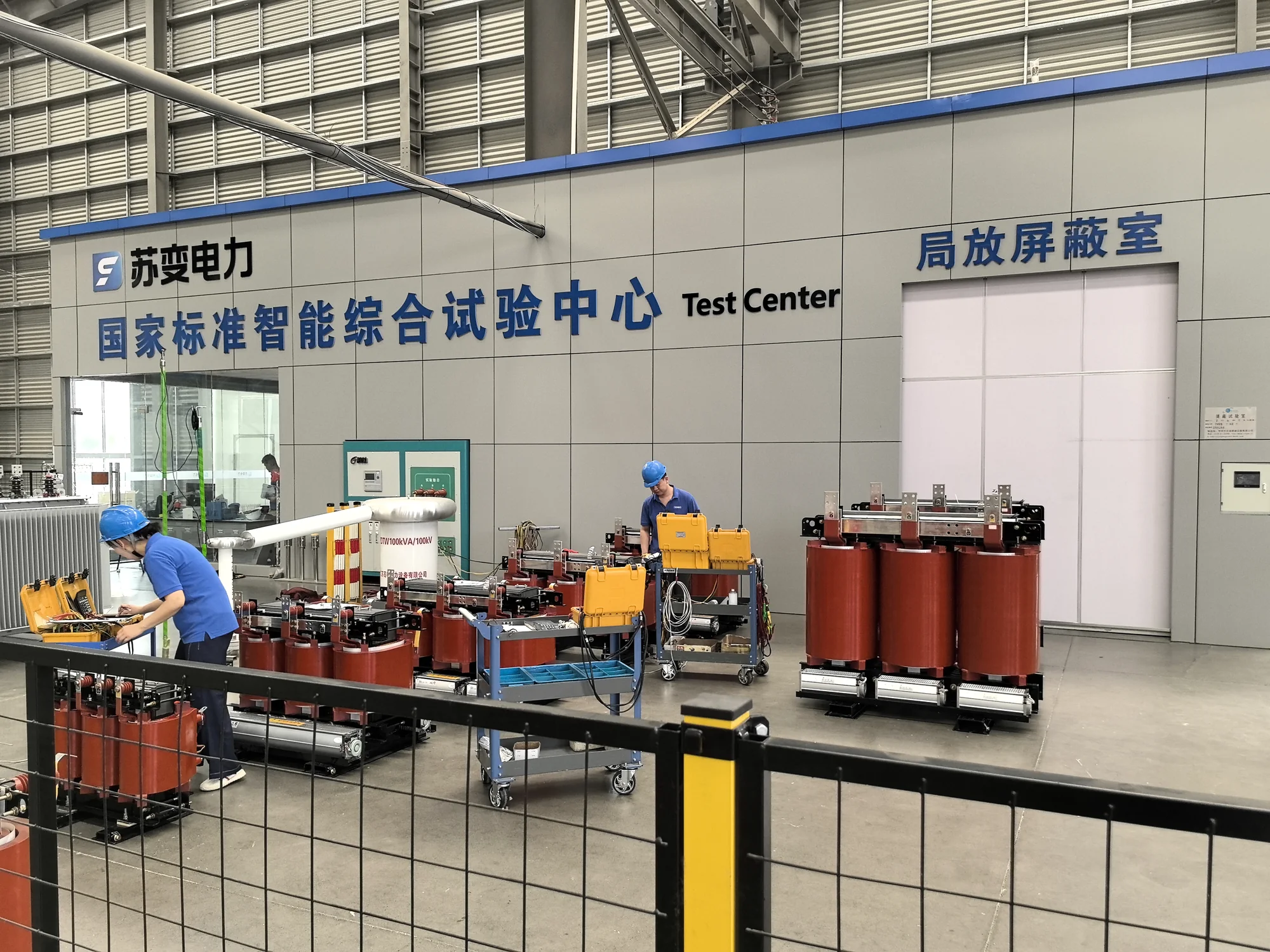
Large power transformers are built on the heavy-transformer line, where core stacking, coil winding, vacuum drying and high-voltage testing are all carried out in-house.
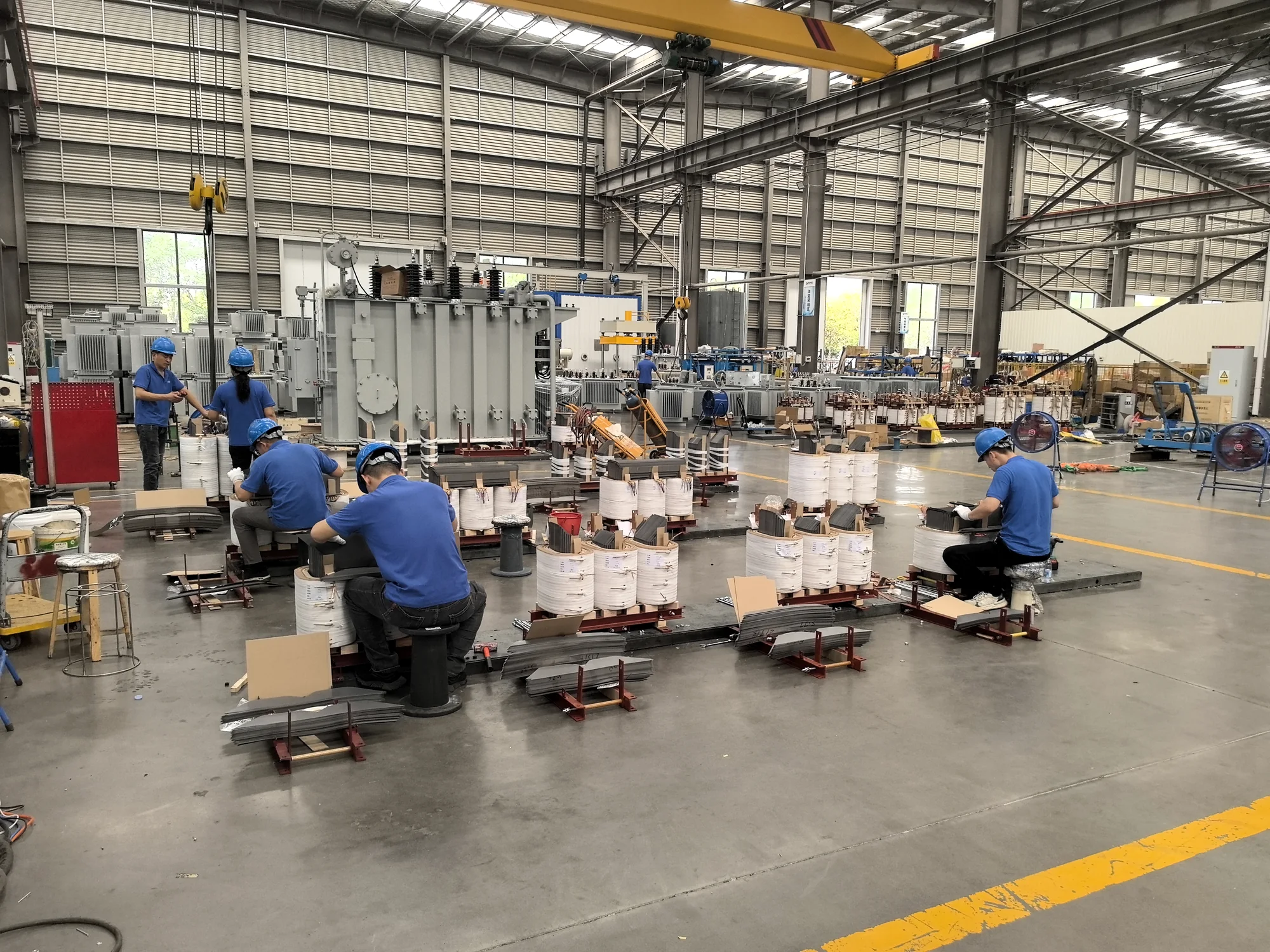
Winding & Core
HV and LV coils wound and dried to the approved design for stable, repeatable losses.
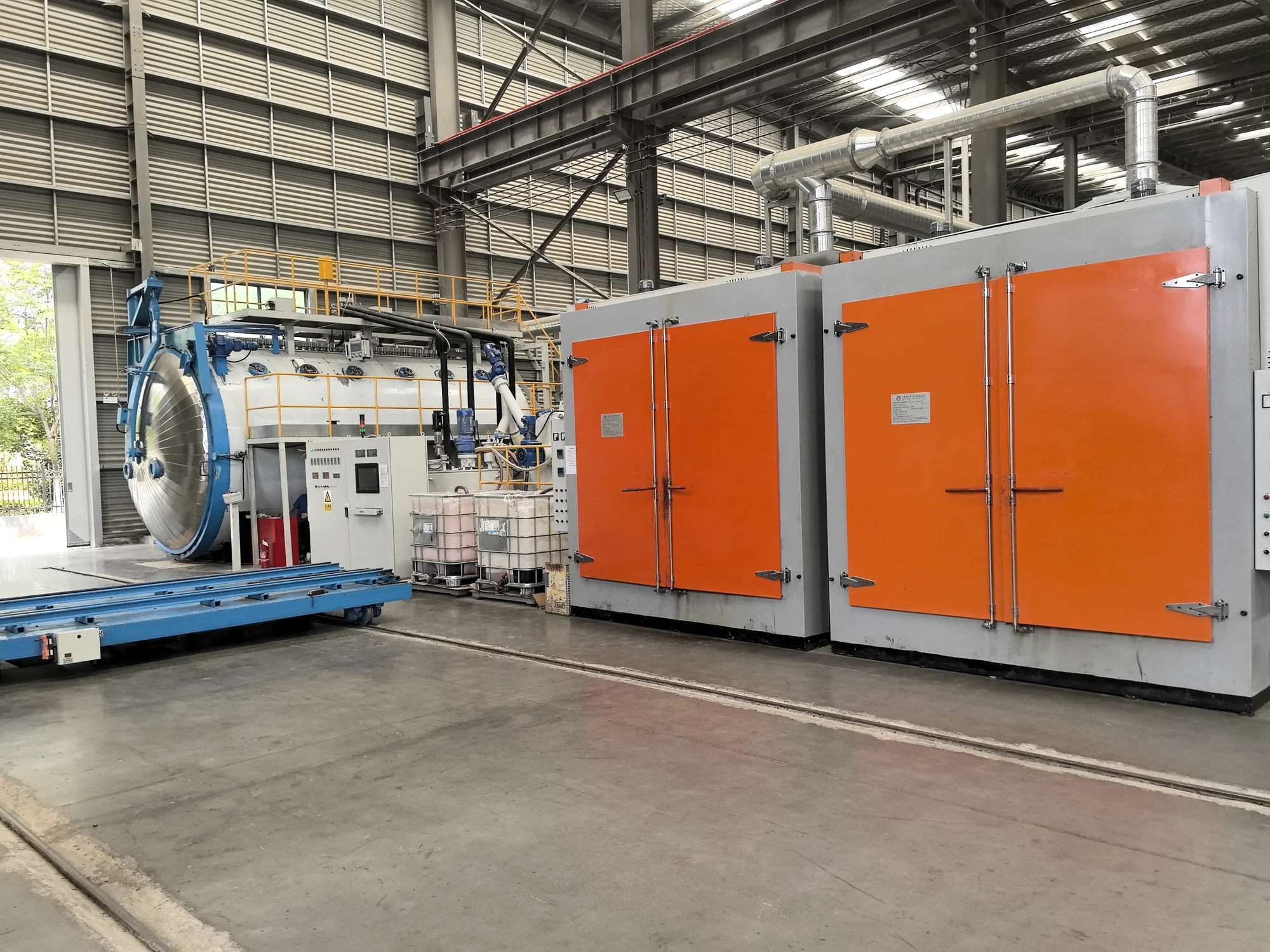
Vacuum Drying
Moisture removed before oil filling to protect the insulation system for its full service life.
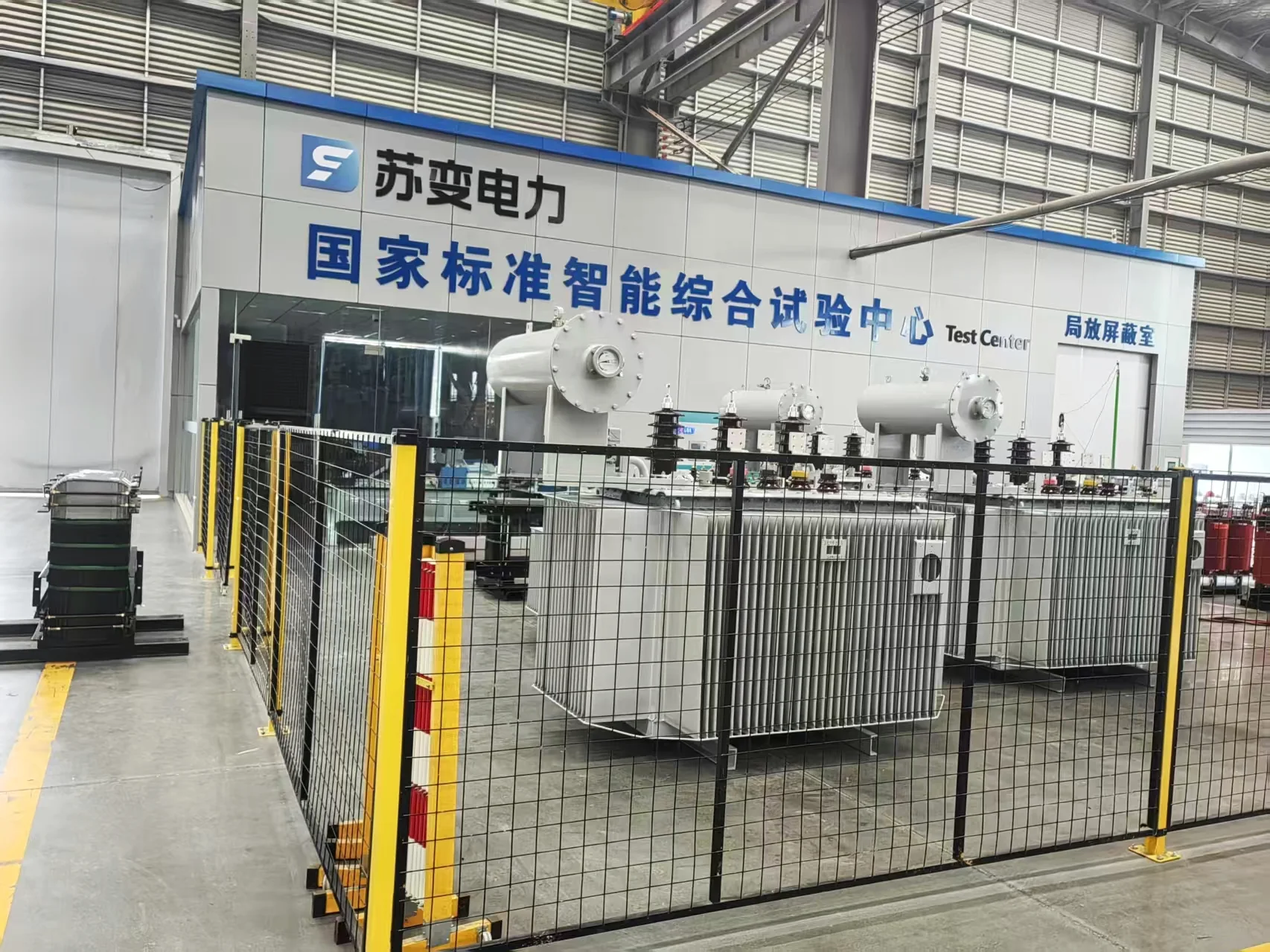
High-Voltage Testing
Ratio, losses, impedance, insulation and dielectric tests recorded on every unit.
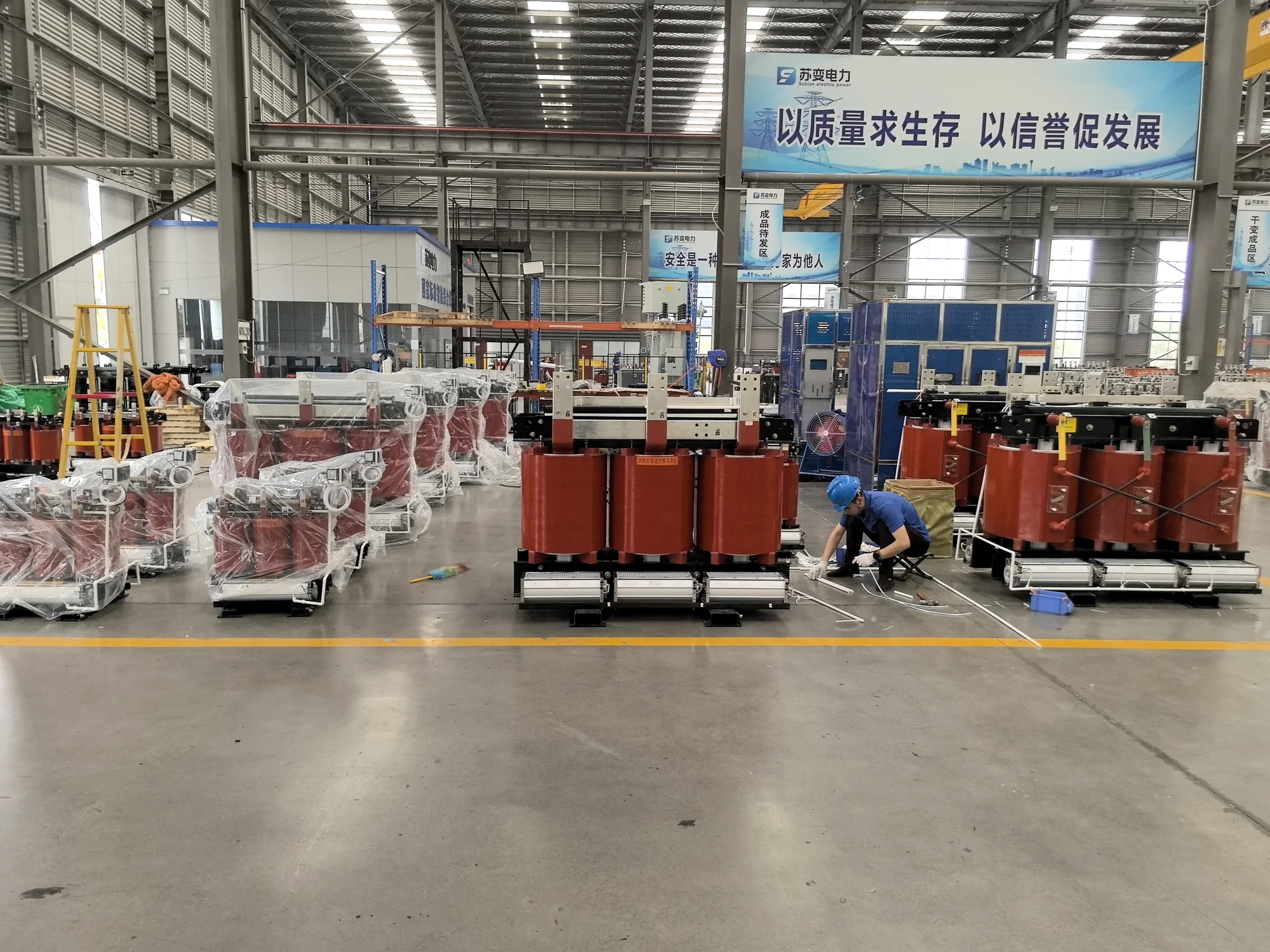
Packing & Delivery
Oil preservation, lifting points and heavy-haul transport planning agreed before dispatch.
40 MVA Transformer Price & Quotation
Send your voltage combination, impedance, loss level, tap-changer type and destination port. Our engineers will confirm the 40 MVA specification with weights, dimensions and a written factory quotation – normally within one working day for a standard configuration.
OEM / ODM & Project Supply
Utilities, EPC contractors and substation packagers buy 40 MVA transformers as part of complete grid packages.
OEM / ODM
Factory-Direct
Nameplates, documentation and packaging to your brand and project standard.
Factory direct · Test docs · Export support
Project Supply
Bundled Supply
Transformer, switchgear and protection coordinated from one source.
Factory direct · Test docs · Export support
Distributor Support
Channel Partners
Tender documentation, loss data and technical support for repeat supply.
Factory direct · Test docs · Export support
40 MVA vs Nearby Ratings
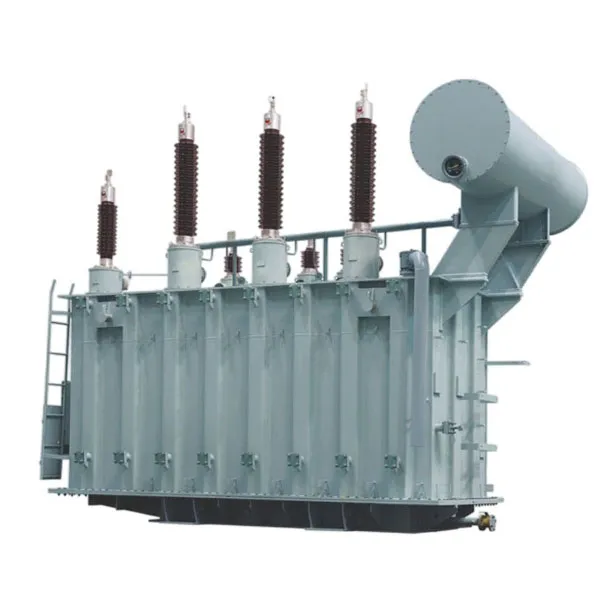
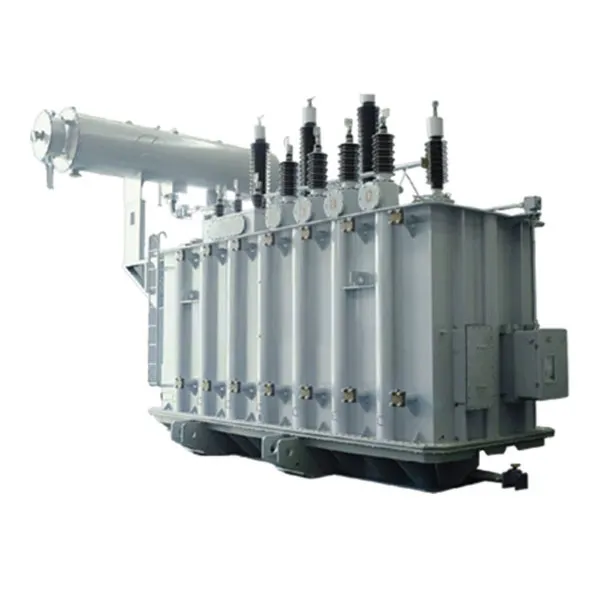
The ratings around 40 MVA are 31.5 MVA and 50 MVA in standard transmission lists. A 40 MVA unit suits a substation whose calculated demand sits between those steps, or where the network operator accepts the rating with confirmed losses and impedance.
If the load is expected to grow, the alternative is to install the 50 MVA frame and operate it at 40 MVA initially, since the same tank, bushings and cooling can often accept both ratings. Ask for the dual-rating option before ordering – a later uprating is only possible if the cooling, protection and switchgear were specified for the higher figure from the start.
Choosing a Supplier for a 40 MVA Unit
At this rating, compare guaranteed losses, the impedance range the factory can offer, type-test evidence at the voltage class, and reference deliveries of similar units. Ask for the routine-test format and the transport plan as part of the quotation package, not as an afterthought.
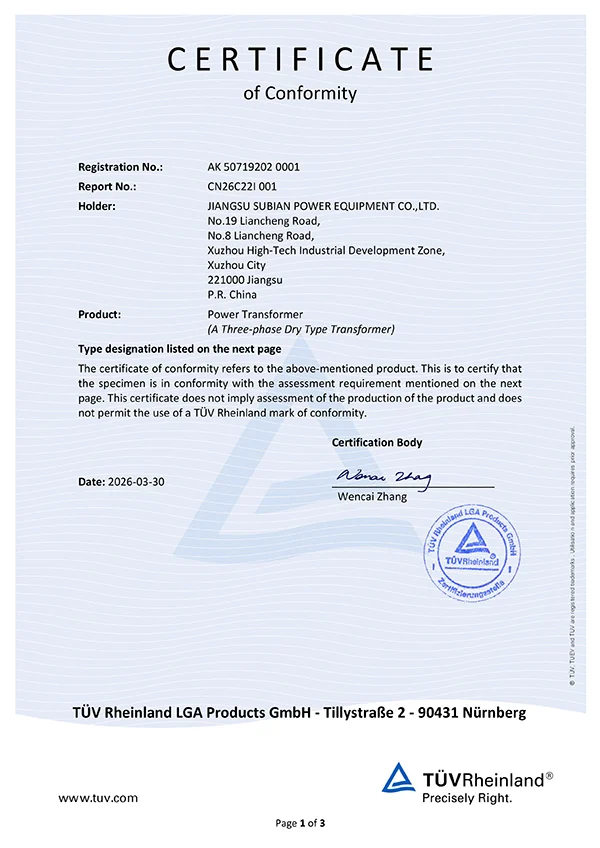
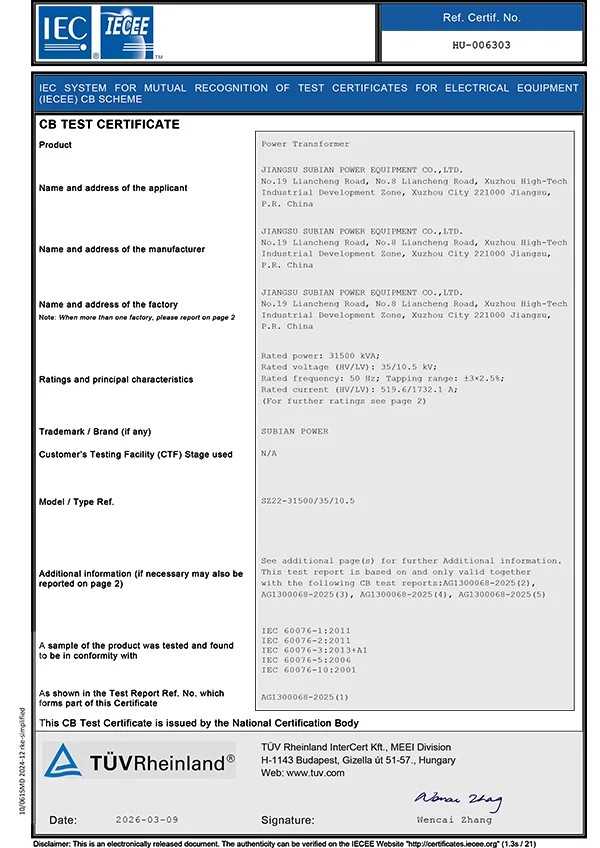
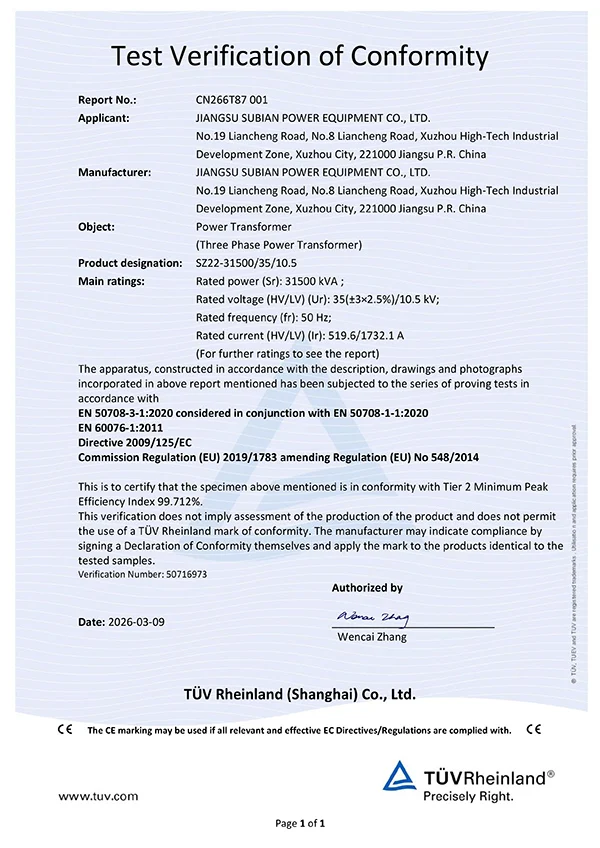
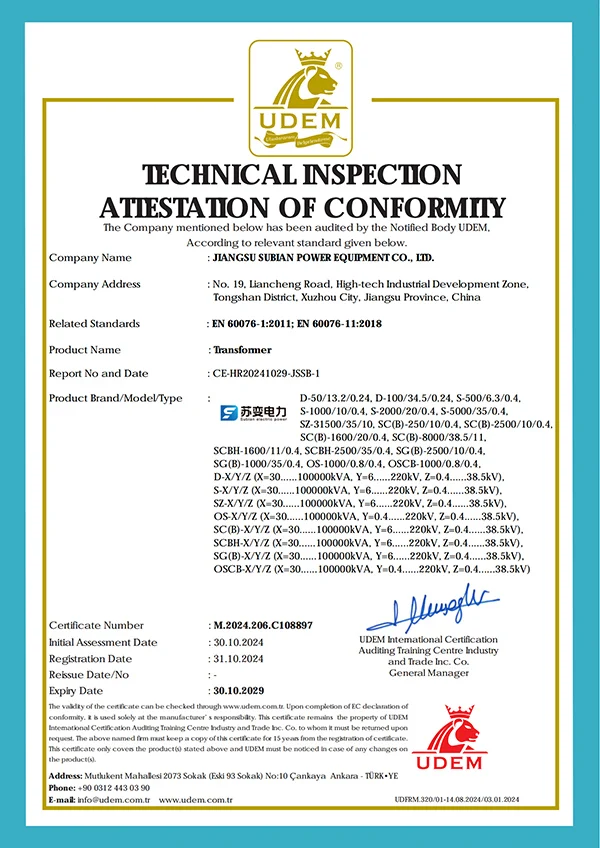
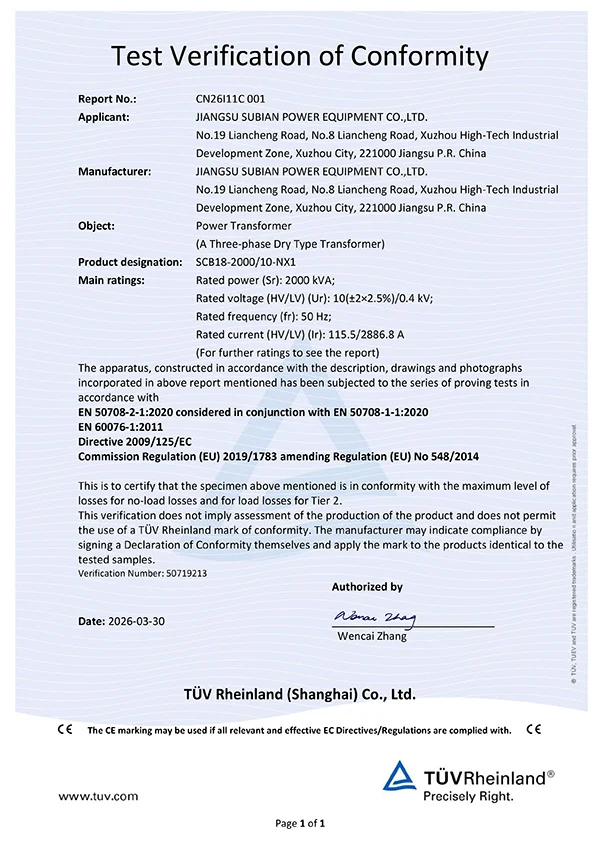
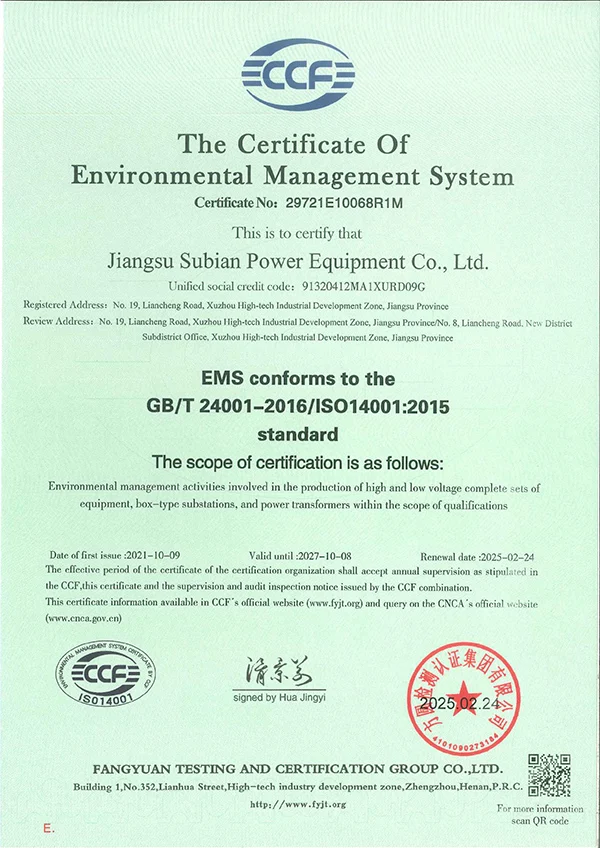
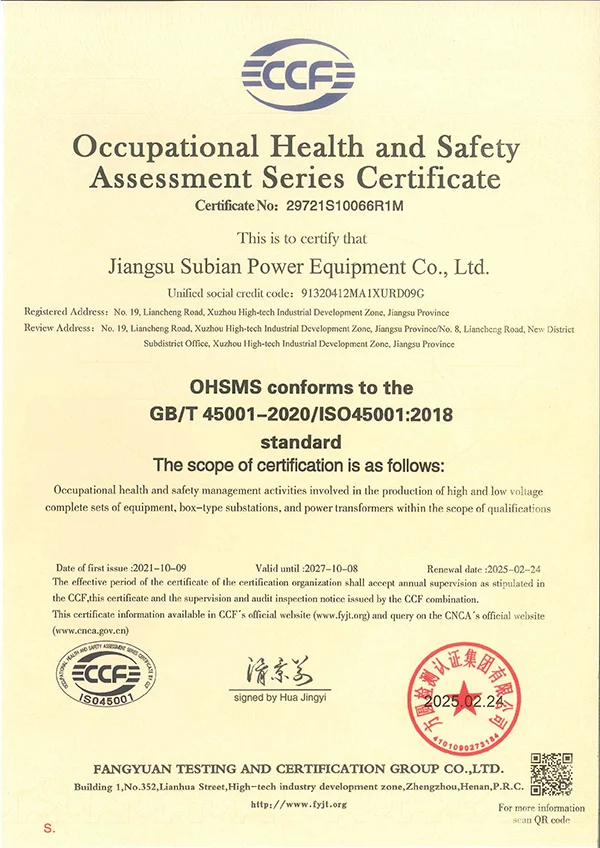
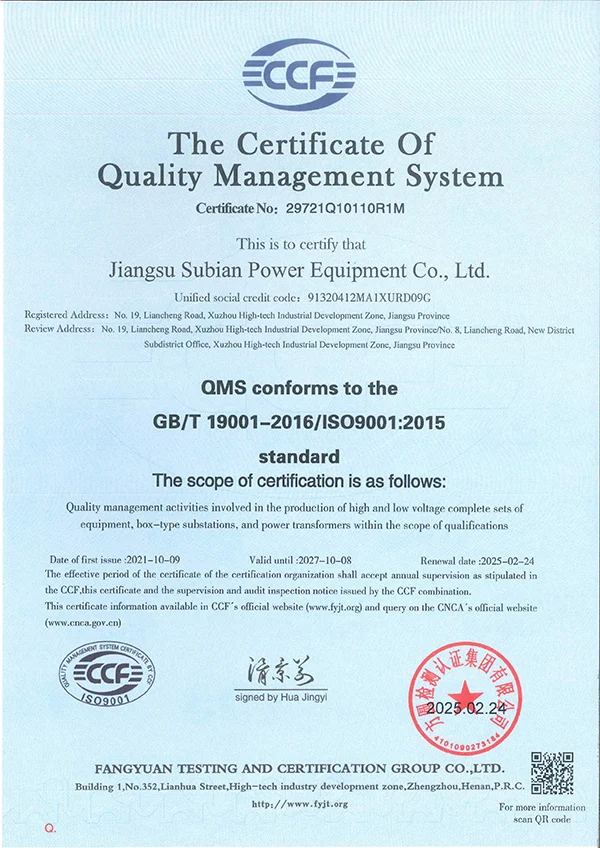
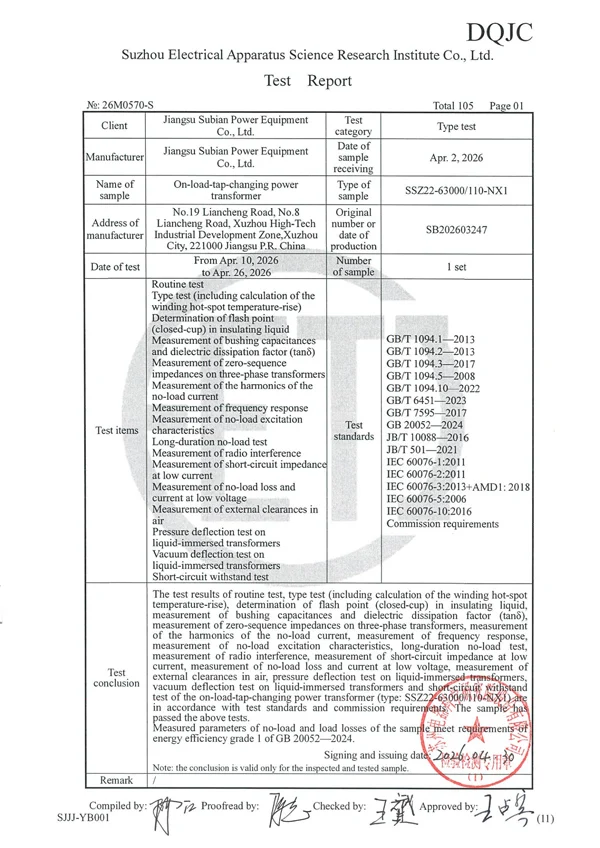
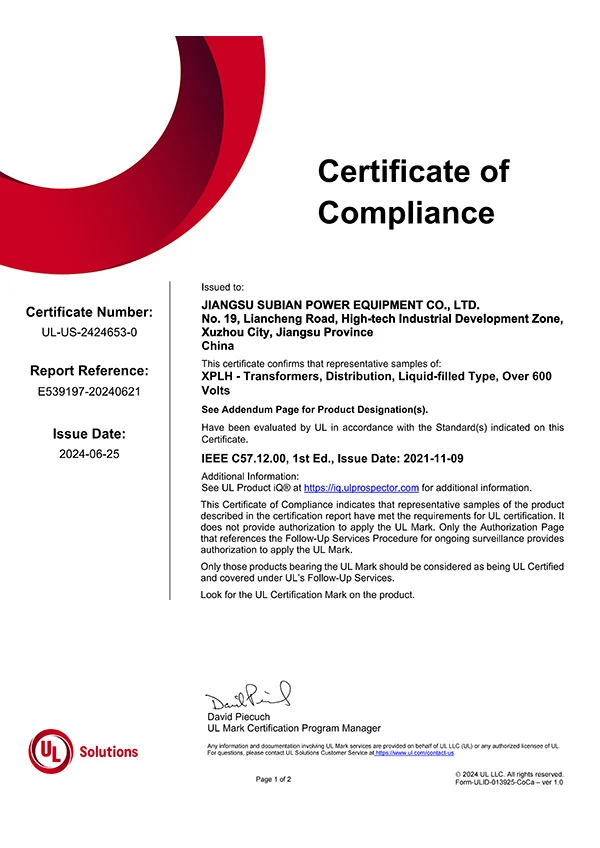
Subian manufactures under ISO9001, ISO14001 and ISO45001 systems with CE and UL certification and 110kV class type-test documentation, and supports projects with approval drawings, loss data and commissioning documentation.
Delivery planning matters as much as the electrical data: a 40 MVA unit needs lifting points, oil preservation and an agreed heavy-haul route before shipment, and a factory that coordinates packing and site delivery saves the buyer weeks on site.
Certifications & Quality Assurance
Power transformer production runs under ISO9001, ISO14001 and ISO45001 systems with CE and UL certification and type-test evidence at the 110kV class.
Product Certifications
40 MVA Transformer FAQ
Common questions about the 40 MVA rating – what MVA means, what a 40 MVA transformer costs, and how MVA compares with VA.
What does MVA mean in a transformer?
What is the cost of a 40 MVA transformer?
How much is 1 MVA?
What does 40 VA transformer mean?
Contact Subian
Need the Right Specification?
Tell us your target market, product type, quantity and technical requirements. Our team will help you identify a suitable configuration for your project.